
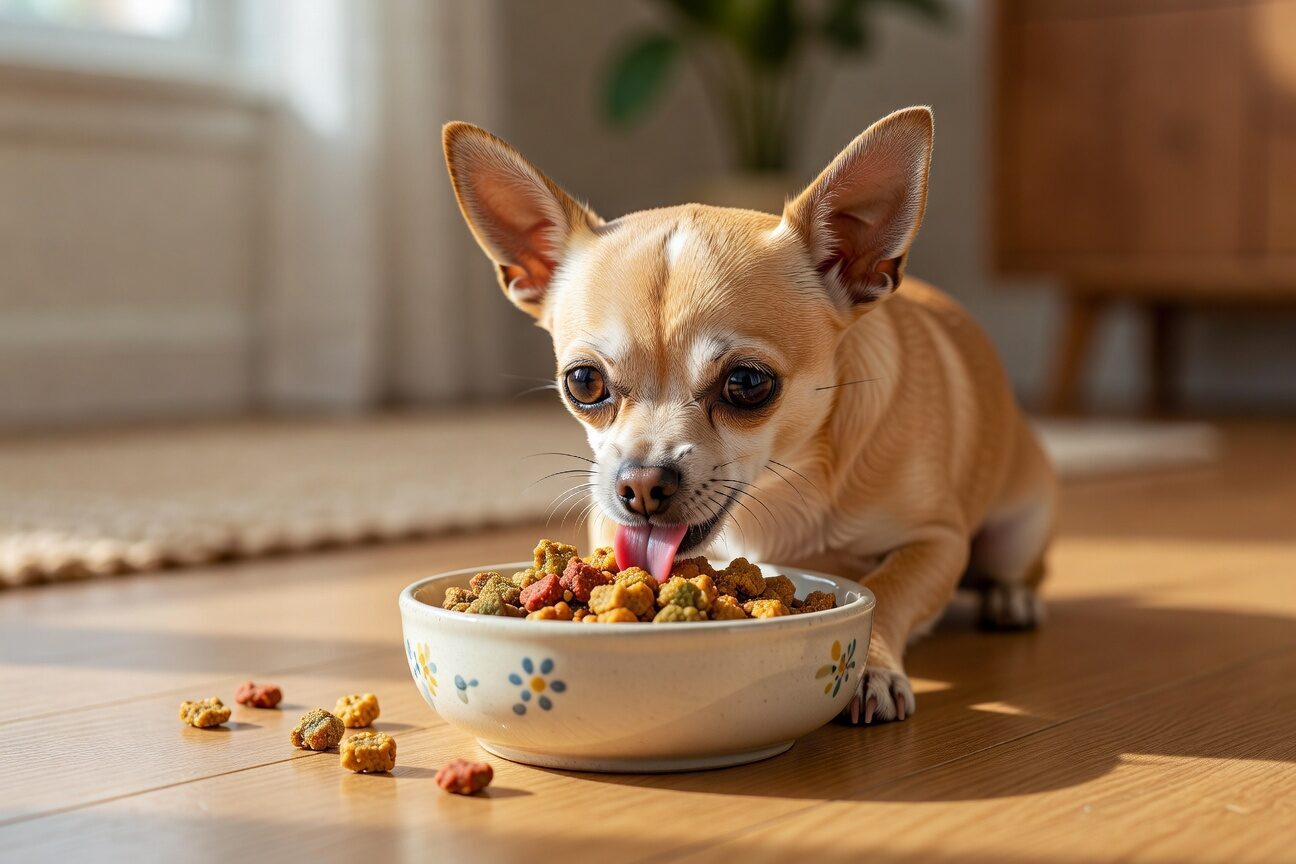

If you want to know about best dog food chihuahuas, you are in the right place. I have tried more dog foods than I care to admit. My chihuahua, Nellie, has a stomach that rejects anything even slightly wrong and a palate that would put most restaurant critics to shame. Finding the best dog food for a chihuahua is not as simple as grabbing whatever is on sale at the pet store. Their nutritional needs are specific, their mouths are tiny, and their stomachs have opinions. After years of trial, error, and one memorable incident involving a premium grain-free formula and my living room rug, here is what I have learned about feeding chihuahuas properly.When it comes to best dog food chihuahuas, I have learned a few things the hard way.
Best Dog Food Chihuahuas: What Chihuahuas Actually Need in Their Food
Fat content matters too. Chihuahuas need healthy fats for their coat, brain function, and energy levels. Look for foods with omega-3 and omega-6 fatty acids from sources like fish oil or flaxseed. The veterinary nutritionists at PetMD recommend that small breed foods contain at least 25 percent protein and around 15 percent fat for optimal health.
Kibble size is something most people never think about until they watch a four-pound dog try to eat standard-sized kibble. Chihuahuas need small breed formulas with smaller pieces they can actually chew. Swallowing kibble whole leads to choking hazards and digestive problems. If the kibble is bigger than a pencil eraser, it is probably too big for your chi.
Dry Food, Wet Food, or Both
Nellie eats a combination of dry and wet food, and this is what our vet recommended for her specifically. Dry kibble helps with dental health because the crunching action scrapes some plaque off the teeth. Wet food adds moisture, which is important because chihuahuas are prone to kidney issues and many of them do not drink enough water on their own.
I mix a tablespoon of high-quality wet food into her kibble at each meal. It makes the food more appealing, adds hydration, and keeps her from picking out the kibble pieces she likes and leaving the rest. If your chihuahua is a picky eater who turns their nose up at dry food, our fussy eater tips address the problem head-on.
How Much and How Often to Feed
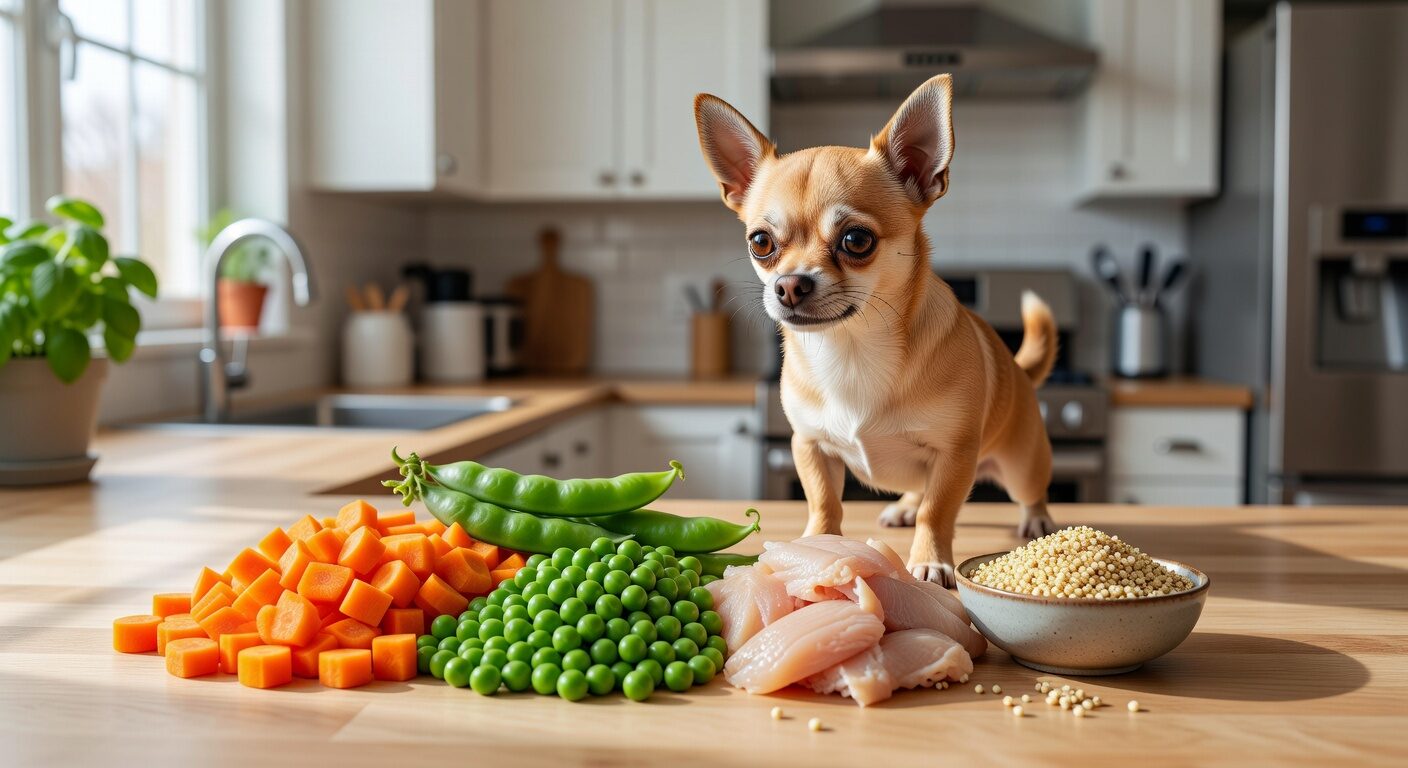
Adult chihuahuas should eat two to three meals per day, spaced evenly. Puppies need three to four smaller meals because their blood sugar can drop dangerously if they go too long without eating. Nellie eats at seven in the morning, noon, and six in the evening. Same times every day, no exceptions, because her stomach knows the schedule better than I do. Our feeding frequency guide covers how portion sizes change as your chi ages.
Ingredients to Avoid
Corn, wheat, and soy as primary ingredients are fillers that provide minimal nutrition and can trigger allergies in sensitive chihuahuas. Artificial colors, flavors, and preservatives like BHA, BHT, and ethoxyquin have no place in quality dog food. If the ingredient list reads like a chemistry textbook, put it back on the shelf.
The nutritional experts at Dogs Naturally Magazine maintain a comprehensive list of ingredients to watch for, and it is worth reading before your next dog food purchase.
The Grain-Free Controversy
A few years ago, grain-free diets were marketed as the gold standard for dogs. Then the FDA began investigating a potential link between grain-free diets and dilated cardiomyopathy in dogs. The research is ongoing and not conclusive, but it was enough for our vet to recommend switching Nellie back to a food that includes whole grains like brown rice and oatmeal. Unless your chihuahua has a diagnosed grain allergy confirmed by your vet, there is no medical reason to avoid grains, and some research suggests grains provide beneficial fiber and nutrients.
Raw and Home-Cooked Diets
Treats Count as Calories
I break training treats into pieces the size of a grain of rice. Nellie does not care about the size of the treat. She cares that she got one. A tiny crumb of chicken gets the same enthusiastic response as a whole piece. Use that to your advantage and make those training calories stretch.
When to Talk to Your Vet About Food
If your chihuahua has persistent digestive issues, itchy skin, dull coat, low energy, or chronic ear infections, food might be the culprit. Food allergies and sensitivities in chihuahuas are more common than people realize, and the only reliable way to identify them is through an elimination diet supervised by your vet. Our chihuahua food allergies guide explains the process.

Nellie thrives now. Her coat shines, her energy is consistent, her digestion is predictable, and she still looks at me with profound betrayal every time I close the refrigerator without sharing. Feeding a chihuahua properly is not complicated, but it requires paying attention, measuring accurately, and resisting those eyes. Especially those eyes.
Reading Dog Food Labels the Right Way
I spent the first year of chihuahua ownership buying whatever food had the cutest packaging. Then my vet taught me how to actually read a dog food label and I realized I had been feeding my dog the equivalent of fast food in a fancy wrapper. The ingredient list is ordered by weight, so whatever is listed first makes up the largest portion of the food. You want a named animal protein as the first ingredient, something like chicken, beef, or salmon, not a vague term like meat meal or animal by-products.
For chihuahuas specifically, you want to look for foods with a higher fat and protein content than what you would feed a larger breed. Their fast metabolisms need calorie-dense nutrition in small portions. I also look for foods that include omega fatty acids for coat health and glucosamine for joint support, both of which are especially important for a breed prone to luxating patellas and skin issues. Avoid foods with corn, wheat, or soy as primary ingredients since these are cheap fillers that provide little nutritional value and can trigger allergies in sensitive chihuahuas. Once you learn what to look for, the ingredient list tells you everything the marketing on the front of the bag is trying to hide.
What is the best food for a chihuahua puppy?
Look for a high-quality small breed puppy formula with real meat as the first ingredient and DHA for brain development. Feed three to four small meals per day until six months of age.
How much should I feed my adult chihuahua?
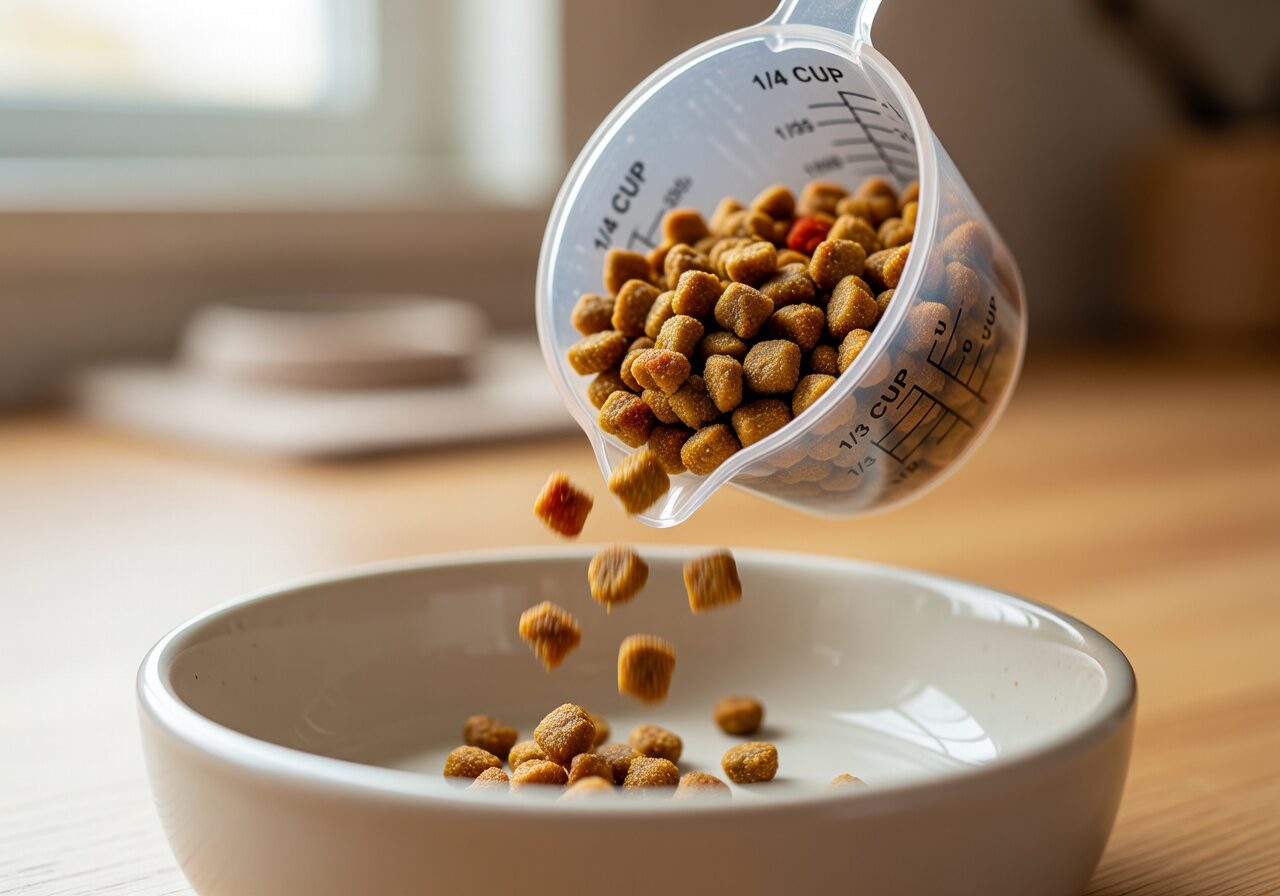
Most adult chihuahuas need about 1/4 to 1/2 cup of high-quality dry food per day split into two meals. The exact amount depends on weight and activity level.
Are grain-free diets safe for chihuahuas?
The FDA has investigated a potential link between grain-free diets and heart disease in dogs. Unless your chihuahua has a diagnosed grain allergy, most vets recommend including healthy grains.
What foods are toxic to chihuahuas?
Chocolate, grapes, raisins, onions, garlic, xylitol, macadamia nuts, and alcohol are all toxic to chihuahuas. Their small size means even tiny amounts can cause serious illness.