


My chihuahua Pepper was sitting on my lap when I first read that chihuahuas have the largest brain-to-body ratio of any dog breed. I looked down at her four-pound frame and that round little skull and thought — well, that explains a lot. The attitude. The plotting. The way she stares at me like she is running calculations I will never understand. These chihuahua facts changed everything I thought I knew about the breed, and I have been living with them for eight years.
Some of what I found was fascinating. Some of it was genuinely strange. And a few of these facts made me feel a little guilty about every time I underestimated the tiny dog hogging my pillow.
Ancient Chihuahua Facts That Go Back Thousands of Years
The chihuahua is not some modern designer breed cooked up in a puppy mill. Archaeological evidence traces them back to the Toltec civilization in Mexico — roughly a thousand years ago. Their ancestors were called Techichi, and they were slightly larger, heavier, and possibly mute. The Aztecs believed these dogs had mystical powers, including the ability to guide souls through the underworld.
When Spanish conquistadors arrived in the 1500s, they documented small dogs living in the region now called Chihuahua, Mexico. That is how the breed got its name — not from a breeder or a kennel club, but from a Mexican state. the American Kennel Club, the chihuahua was officially registered in 1904, making it one of the oldest recognized breeds in the Americas.

The Techichi Connection
Those Techichi ancestors were companion animals, spiritual guardians, and — this part is harder to talk about — sometimes food. The Aztecs bred them selectively for their size and temperament. Modern DNA testing confirms the chihuahua shares genetic markers with these ancient dogs, making them one of the few breeds with a genuinely pre-Columbian lineage.
How the Breed Reached the United States
American tourists visiting Mexico in the mid-1800s brought small dogs back as souvenirs. The breed gained popularity in border states first, then spread across the country. By the time the AKC recognized them, chihuahuas were already established in American households — tiny, loud, and utterly convinced they ran the place.
Chihuahua Facts About Their Surprising Bodies
Chihuahuas are physically strange in ways most owners never notice. Their skulls often have a soft spot called a molera — similar to the fontanelle in human babies. Some chihuahuas keep this soft spot their entire lives. It does not usually cause problems, but it means you should be careful about rough play or accidental bumps to the head.
They also have the chihuahua facts that matter most for their health: the highest heart rate of any dog breed, averaging 100 to 140 beats per minute. Their metabolisms run incredibly fast, which is why they burn calories quickly, get cold easily, and sometimes shake for reasons that have nothing to do with fear. PetMD, their fast metabolism also makes them prone to hypoglycemia, especially as puppies.
The Brain-to-Body Ratio
Here is the fact that started my rabbit hole. Chihuahuas have the largest brain relative to their body size of any dog breed. Does that make them the smartest? Not exactly. But it does mean their brains are working overtime in that tiny package — processing every sound, every movement, every perceived threat. It explains why they are so alert, so reactive, and so exhaustingly aware of everything happening around them.
Personality Chihuahua Facts Most People Get Wrong
The biggest misconception about chihuahuas is that they are nervous, yappy ankle-biters with no real personality beyond aggression. I get it — I thought the same thing before I owned one. more complicated and, honestly, more interesting.
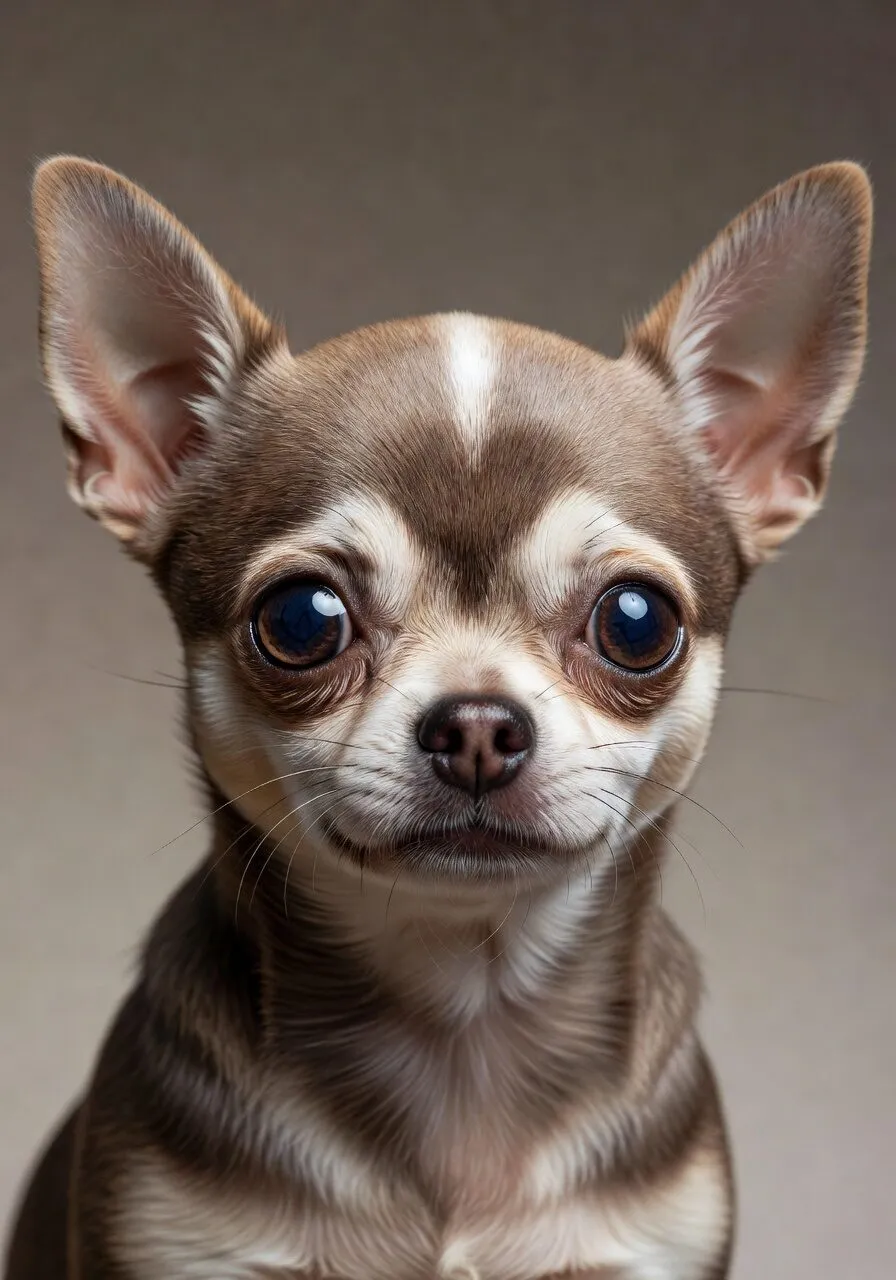
Chihuahuas bond fiercely with one person. They choose their human and then defend that relationship with every ounce of their tiny being. Pepper follows me from room to room, sleeps pressed against my side, and gives every new person in our house a thorough interrogation before deciding they are acceptable. This is not anxiety. This is loyalty operating at maximum intensity in a body that weighs less than a bag of sugar.
They are also genuinely funny. Not in a trained-trick way, but in a personality way. Pepper has running jokes — she pretends to be asleep when I say the word “bath,” she does a specific wiggle when she knows dinner is coming, and she barks at the same spot on the fence every single day despite nothing ever being there. If you want to understand chihuahua body language, spend a week just watching yours.
Why Chihuahuas Pick One Person
This one-person loyalty is one of the most misunderstood chihuahua facts out there. It is how the breed evolved. For centuries, chihuahuas were companion animals to individual owners — not herding dogs, not pack hunters, not working breeds that needed to cooperate with multiple humans. They were bred to be someone’s one dog. That deep attachment is hardwired, and trying to train it out of them misses the point entirely.
Health Chihuahua Facts Every Owner Should Know
Chihuahuas live a remarkably long time — 14 to 16 years on average, with some reaching 20. That is nearly double the lifespan of many large breeds. The ASPCA notes that small breeds generally live longer, but chihuahuas are standouts even among toy breeds. If you want more on longevity, check out our guide on chihuahua lifespan.
Their dental health is genuinely terrible. Chihuahua facts about teeth are not fun: they have 42 adult teeth crammed into a mouth the size of a walnut. Crowding leads to plaque buildup, gum disease, and early tooth loss. Most chihuahuas will need professional dental cleanings multiple times in their lives, and daily brushing is not optional — it is essential. Our chihuahua dental care guide covers this in detail.
They are also prone to luxating patellas — kneecaps that slip out of place. The VCA estimates that patellar luxation affects up to 30 percent of chihuahuas. You might notice your dog suddenly holding up a back leg mid-walk, then putting it back down like nothing happened. That is the kneecap popping out and popping back in, and it happens more often than most owners realize.
The Two Types of Chihuahua Most People Cannot Tell Apart
There are two distinct head shapes in the breed — apple head and deer head — and most people do not know the difference. Apple head chihuahuas have a rounded skull, a shorter snout, and prominent eyes. They are the breed standard the AKC. Deer head chihuahuas have a longer muzzle, a flatter skull, and larger ears relative to their head. They look more like miniature deer, which is charming and also a bit ridiculous.
Both types come in long-coat and smooth-coat varieties. That gives you four possible combinations, and each one has a slightly different personality vibe. My Pepper is a smooth-coat apple head — compact, round-headed, and completely convinced she is the most important creature in any room. For a deeper dive, read about deer head vs apple head chihuahuas.

Behavioral Chihuahua Facts That Explain a Lot
Chihuahuas tremble. They tremble a lot. New owners panic about this, and understandably so — it looks like something is wrong. But trembling in chihuahuas has multiple causes, and most of them are harmless. Their fast metabolism generates energy that comes out as shaking. Excitement causes it. Cold causes it. Being slightly annoyed causes it. Pepper trembles when she is happy, when she is cold, when she sees a squirrel, and when I take too long making her dinner.
They also burrow. Under blankets, under pillows, into the crook of your arm, behind couch cushions. This is an ancestral behavior — Techichi dogs lived in warm climates but sought shelter in small, enclosed spaces. Modern chihuahuas have inherited this instinct, and denying them their burrowing spots is like telling a retriever not to fetch. It is fighting a thousand years of breeding.
Why They Bark at Everything
Chihuahuas bark because they are alert, territorial, and physically small enough that barking is their primary defense mechanism. A German Shepherd can stand its ground silently. A chihuahua needs volume. This is not a training failure — it is an evolutionary strategy. That said, excessive barking can be managed with proper training techniques. You just have to work with the instinct instead of against it.
Chihuahua Facts About Their Place in Pop Culture
Chihuahuas have been famous since before social media existed. The Taco Bell chihuahua, a deer head named Gidget, became a cultural icon in the late 1990s. She earned more per commercial than most humans earn in a year, and she popularized the breed so dramatically that chihuahua adoption rates skyrocketed — followed, unfortunately, by a wave of abandonments when people realized these were actual dogs with actual needs.
Paris Hilton carried her chihuahua Tinkerbell everywhere in the early 2000s, cementing the breed’s reputation as a fashion accessory. This was terrible for chihuahuas. It led to impulse purchases, purse-sized breeding, and a generation of under-socialized dogs who spent more time in handbags than on actual ground. The breed is still recovering from that era. If you are considering one, our guide on choosing the right chihuahua can help you avoid common mistakes.
The Chihuahua Renaissance
Social media has been kinder to the breed, and some of the most viral chihuahua facts now come from veterinarians and breed experts rather than celebrity gossip columns. Instagram and TikTok chihuahuas show the full range of their personalities — the goofiness, the stubbornness, the absurd bravery. Accounts with millions of followers feature chihuahuas doing things that would be unremarkable in a larger dog but become hilarious at two pounds. The breed is finally being seen as what it actually is: a real dog with a real personality, not a toy or a joke.
Chihuahuas descend from the Techichi dogs of the Toltec civilization in Mexico, dating back over a thousand years. Archaeological evidence and DNA testing confirm this ancient lineage, making chihuahuas one of the oldest breeds in the Americas.
Chihuahuas shake due to their extremely fast metabolism, which generates excess energy. They also tremble from cold, excitement, anxiety, or simply being alert. In most cases, shaking is normal and not a sign of illness.
Chihuahuas typically live 14 to 16 years, with some reaching 20 years or more. Their small size and efficient metabolism contribute to their impressive longevity compared to larger breeds.
Yes, chihuahuas have the largest brain-to-body ratio of any dog breed. This does not necessarily make them the smartest, but it contributes to their remarkable alertness, quick reactions, and intense awareness of their surroundings.
A molera is a soft spot on the chihuahua’s skull, similar to a human baby’s fontanelle. Many chihuahuas retain this soft spot throughout their lives. It is usually not dangerous but means owners should avoid rough handling or impacts to the head area.
What is the oldest chihuahua breed origin?
Chihuahuas descend from the Techichi dogs of the Toltec civilization in Mexico, dating back over a thousand years. Archaeological evidence and DNA testing confirm this ancient lineage, making chihuahuas one of the oldest breeds in the Americas.
Why do chihuahuas shake so much?
Chihuahuas shake due to their extremely fast metabolism, which generates excess energy. They also tremble from cold, excitement, anxiety, or simply being alert. In most cases, shaking is normal and not a sign of illness.
How long do chihuahuas typically live?
Chihuahuas typically live 14 to 16 years, with some reaching 20 years or more. Their small size and efficient metabolism contribute to their impressive longevity compared to larger breeds.
Do chihuahuas really have the biggest brain for their size?
Yes, chihuahuas have the largest brain-to-body ratio of any dog breed. This does not necessarily make them the smartest, but it contributes to their remarkable alertness, quick reactions, and intense awareness of their surroundings.
What is a chihuahua molera and is it dangerous?
A molera is a soft spot on the chihuahua’s skull, similar to a human baby’s fontanelle. Many chihuahuas retain this soft spot throughout their lives. It is usually not dangerous but means owners should avoid rough handling or impacts to the head area.