Puppies are curious, exploratory and often mischievous little creatures — and they often put their mouths on anything and everything. If you notice that your tiny Chihuahua has an inclination for licking his privates, however, it’s important to take note. In excess, this behavior may point to a health ailment.
Urinary Incontinence
Although urinary incontinence is most common in elderly canines, it also is a possibility in younger Chihuahuas, including puppies — particularly those who have birth defects. Incontinence is a potential issue for Chihuahuas of all different age groups. One key indication of loss of bladder control is seemingly obsessive and nonstop licking of the genital region — the pen()is in male Chihuahuas, and the vul()va in female Chihuahuas. Schedule an appointment with the veterinarian to check the situation out, stat.
Urinary Tract Infection
Like adult canines, cute puppies too are sometimes susceptible to the woes of urinary tract infections (UTIs). A puppy’s frequent licking of the private area is occasionally an indication of this type of infection. Be on alert for any other possible signs of UTI, such as urine in the blood, unusually foul-smelling urine, loss of weight, fever, appetite swings, leaking of urine onto the floor, difficulty in producing a urine stream, general exhaustion, and house soiling. If you observe any possible signs of UTI, including genital licking, it’s time to take your cute puppy to the veterinarian — without further ado.
Foxtails
If your precious puppy frequently comes across foxtails during her outdoor jaunts, they could be the culprit behind his worrying private-licking issues. Certain varieties of grasses feature seed-emitting protrusions that can get stuck on all parts of your pet, from his paws to his genital region — a major hazard. A puppy’s constant licking may be an indication of foxtail-induced discomfort and pain, so pay attention and get him to the veterinarian as soon as possible.
Compulsion
A puppy’s excessive licking, whether of the genital region or anything else, maybe a sign of compulsion. Canines frequently turn to obsessive and compulsive behavioral patterns as a means of coping with emotional issues, whether isolation, neglect from owners, dramatic lifestyle changes, conflict with other household pets or insufficient socialization and interaction experiences.
If you have an inkling that your puppy’s licking may somehow be stress-related, figure out what you can do to help create a more stable, comfortable and happy environment for him, whether you spend more time playing with him or offer him a “safe zone” away from other pets in your home. If you can’t determine the cause of his behavior after trial and error, a qualified pet behavioral specialist may be able to assist you — and your pooch — in getting past this dilemma with flying colors.
Home Remedies for Chihuahuas Bad Breath
There is no better alarm clock than a Chihuahua with halitosis breathing in your face before the sun rises. Bad breath in Chihuahuas is a common ailment that has many causes. Rather than tackle your Chihuahua’s halitosis on your own, make a visit to your Chihuahua’s veterinarian to rule out health issues as a cause. Improved digestion, better dental care, and some home-handy breath fresheners can keep your Chihuahua breath from being a downer.
Medical Blues
If your Chihuahua had a sudden bout of bad breath, his teeth may need attention; a trip to the veterinarian is in order. An important first step in conquering a Chihuahua’s halitosis is ruling out the primary causes, one of which is dental disease. Your Chihuahua may need his teeth professionally cleaned, but it may be something more.
A sudden sickeningly sweet breath may signify diabetes; if your Chihuahua’s breath smells of urine, he may be experiencing kidney disease or kidney failure. Halitosis accompanied by vomiting and a yellowish tint to your Chihuahua’s eyes or gums may be a sign of liver disease. Your Chihuahua’s breath may be trying to tell you something, and only your veterinarian can tell you for certain.
A Clean Mouth
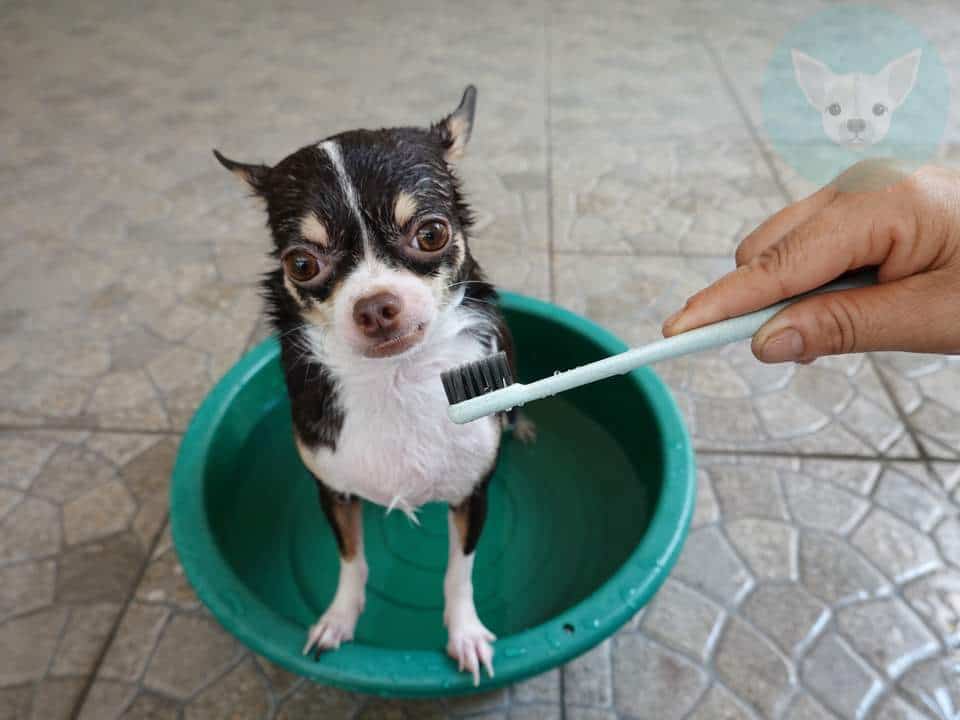
Keeping the mouth clean is one hedge against bad breath. Brush your Chihuahua’s teeth daily with special toothpaste and toothbrush designed for dogs. The elimination of plaque and food particles can minimize or eliminate a Chihuahua’s halitosis. Certain dog treats specially formulated to reduce mouth odor can help in the fight against foul-smelling breath. Chew toys and rawhides can help your Chihuahua keep his teeth clean between brushings and dental cleanings.
Improving Digestion
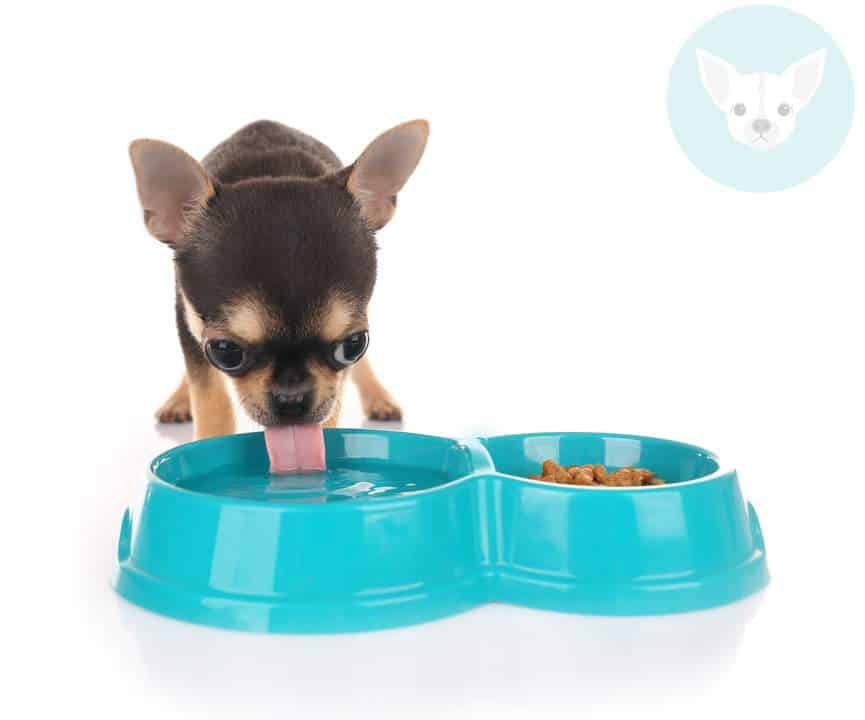
If your Chihuahua is suddenly stinking up the room simply by opening his mouth, the problem may be in his gut. Digestive issues can cause bad breath that indicates he needs more fiber or water in his diet. Make sure your Chihuahua has plenty of freshwaters. To increase fiber in your Chihuahua’s diet, consider adding brown rice to his food. It should improve your Chihuahua’s digestion, and it may jazz up his ordinary kibble enough to encourage him to tackle his dinner bowl with a bit more vigor.
In the Fridge
Though not scientifically proven, some holistic approaches have been found to help in certain mild cases. A visit to your fridge or pantry may hold some relief for your olfactory senses when your Chihuahua’s breath isn’t as fresh as you’d like. A carrot can keep your Chihuahua busy, satisfy his need to chew and help remove the sticky plaque that contributes to bad breath.
A little bit of lemon in your Chihuahua’s water can cleanse his palate and reduce the occurrence of halitosis. Steep parsley into a tea and put it in your Chihuahua’s water or in a spray bottle. A couple of laps from the bowl or a couple of squirts from the bottle into the mouth can ease that odor. If your Chihuahua will chew a dill or peppermint leaf, these can also reduce the occurrence of bad breath.
Tips for Taking Care of Chihuahua Puppies
The Chihuahua dog breed steals everyone’s heart with its adorable look, small size, and fierce personality. But they are delicate balls of fur, and they need special care and attention. If you happen to expect a litter of newborn Chihuahua puppies, you might be wondering what to do. Read on to find out.
Let’s face the truth: every owner of a Chihuahua puppy says that their puppy is the cutest. Well, all Chihuahuas have their specific characteristics that are typical of this dog breed. If you wish to be in a good relationship with your buddy and make it your best friend, then just start learning how to take good care of your Chihuahua and raise it to be the best and happiest companion you’ve ever had!
Usually, Chihuahuas are good and attentive mothers, but they do require some help from you. First, spend a couple of days before the birth to prepare a comfortable nest. Choose a quiet place in a room away from traffic and curious pets. If too many people or pets bother the mother, she will move her pups to another, safer location.
Essential tips
Taking good care of a Chihuahua puppy means that you should give all your love and attention. You will be amazed to see how these small dogs protect their family and home. If you show your love and affection, then you will find a faithful companion.
Equipment for newborn pups
You only need two bowls with water and food, a box that will help with toilet training, a brush and some other small supplies. The perfect box has low sides so that the mother can go in and out of the nest with no issues. But make sure that the puppies can’t crawl over the sides accidentally.
Provide your puppy with love and attention, make sure that this little buddy grows up happy. Of course, a teacup Chihuahua is not going to grow much physically. Some people say that they are cute because they are small. Yet, I think that this dog breed will provide you with loyalty and love, but it can protect your home, make it a lovelier place or just make your days a real nightmare.
Keep your delicate Chihuahua pup away from high areas
Being the smallest dogs in the world, Chihuahuas are very delicate and they should receive your utmost care and attention. Keep your puppy away from high areas. Don’t put the puppy on tables, beds or on the sofa. Your supervision is crucial for your healthy Chihuahua. Little babies stay with closed eyes and they are likely to fall and get injured. Keep your little puppy on a flat surface like a warm floor or just make sure that they stay in their own bed.
Temperature
When the puppies are born they weigh only three or four ounces, and they cannot regulate their body temperature. That’s why newborn Chihuahuas depend on cuddling with their siblings and their mother to keep them warm.
However, if the room is cold, snuggling might not be enough. In this case, place a whelping pad on one side of the box or use a heating pad. Leave a cool spot where the puppies can crawl to if they get too hot. The recommended temperature for a newborn Chihuahua is 85 degrees Fahrenheit. During the second week, you can lower it to 80 and then 75 during the third.
The recommended temperature for a newborn Chihuahua is 85 degrees Fahrenheit.
As your Chihuahua grows, it will start adapting to normal temperatures and maintain proper body temperature. Yet, little babies need extra care and you should keep a warm temperature at home. Avoid cold drafts in all rooms, because they are detrimental in the early stages of growth.
Hygiene and bedding
Hygiene should always come first. Keep the bedding area clean and comfy. Puppies generally need a good and long sleep during the early stage of their life, so avoid disturbing them while they are sleeping.
It’s essential that you change the bedding regularly and that you weigh the puppies every day. In 10 days, they should double their weight. If this doesn’t happen or you notice that a pup isn’t gaining any weight, consult with a veterinarian immediately.
Mother and newborn Chihuahua
It’s also imperative that you keep an eye on the puppies and the mom regularly during the first several weeks. The mother might suffer from birth complications and refuse to feed her cubs. Or if she has too many pups, there might not be enough milk for all of them.
No matter the circumstances, if the newborns look lethargic, feel cold when you touch them or fail to thrive, it’s time to intervene and provide supplemental feeding. Otherwise, the Chihuahua newborn puppies won’t survive.
Grooming Baby Chihuahuas
The next step is to remember that you should brush your puppy regularly to remove dead hair and hair entanglement if he/she has longish hair. If it is short in length, brush just once a week.
Hide electrical objects that could be harmful to the Chihuahua, cover the wires or place all dangerous items out of reach.
Chewy Toys for Chihuahua Pups
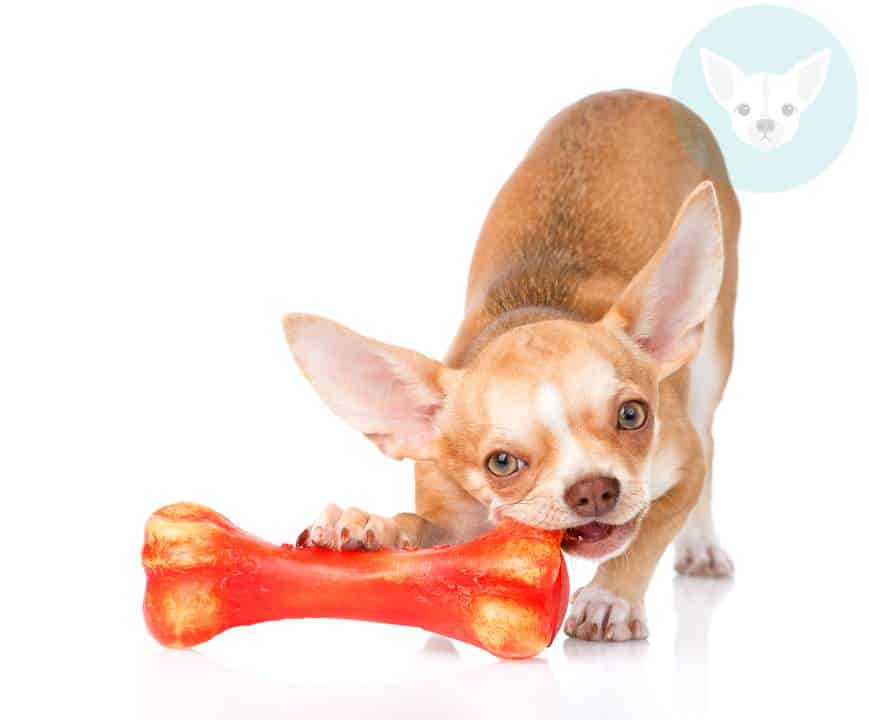
Now I have one extra tip for you and it’s useful to know for all puppies no matter what their breed is. Supply puppies with a good collection of rubber toys so they can chew them. Chihuahua has small teeth that can easily cause the accumulation of plaque, causing heart problems or tooth loss if this is left untreated.
What to feed a baby Chihuahua?
First and foremost, it is important to have enough knowledge about the nurturing of newborn Chihuahua puppies. The answer is very simple – milk. Fortunately for you, there are puppy milk replacement formulas available in liquid or powder form that you can use. The rule of thumb is one cc per ounce of body weight. You may also look for an available foster mom, buy a pet bottle with a nipple or use a syringe.
How often to feed a Chihuahua puppy?
Make sure that your Chihuahua receives all the nutrients that it needs. The proper nutrients can prevent many dog health problems. Find out what is the best dry food for your puppy, because the right food is important for good health and growth.
Since they are very small, their bellies can’t hold much food. They need to eat every two hours during the first two days and every three to four hours in the following weeks.
You’ll also have to burp the puppies twice – during and after feeding, and gently rub their genital area after feeding to stimulate them to pee and poop.
Handle the puppies carefully and gently. They are still very fragile, and their skulls are not fully developed yet.
How long do Chihuahua puppies nurse?
Weaning starts when the pup is around a month old, and by the time he is 8-12 weeks old, it should be ready for a new home.
How many times do you feed a Chihuahua?
Chihuahua puppies need frequent, small meals throughout the day. Some professionals recommend that puppies under three months or two pounds should be free-fed, others state that four meals a day are enough for a 6-week-old Chihuahua puppy. When the puppy is 3-6 months old, he will need around three meals per day.
When the puppy is 3-6 month old, he will need around 3 meals per day.
Train Your Chihuahua to Protect You
Training your Chihuahua to protect you can mean teaching him to alert you to danger, patrol your fence line, warn off strangers or stand between you and trouble. Never teach a Chihuahua to be aggressive. If your Chihuahua bites someone, it can result in fines, lawsuits, confiscation of your Chihuahua or even euthanasia. Teach your Chihuahua to be calm and friendly but firm when he wants strangers to leave you alone.
Socialize and obedience-train your Chihuahua. Get her used to all kinds of people, places, objects, and other animals. Show her you are the pack leader by making her obey your commands before she can eat, go for a walk or play. If she knows you are in control, she will follow your orders in an unusual situation.
Coach your Chihuahua to bark to warn you of approaching strangers. Most Chihuahuas do this naturally, but terriers and dachshunds go overboard, yipping insistently when someone comes anywhere near your home. Teach persistent barkers to stop once you indicate you’ve gotten the message.
One method is to have a friend ring the doorbell while you hold your Chihuahua’s leash. When the Chihuahua barks three times, give a “no bark” command, tell him to sit, and then treat him. Most Chihuahuas find it hard to bark while in the sit position. Do this repeatedly until the Chihuahua understands that when you say “no bark,” his job is over.
Train your Chihuahua to guard your property without leaving the boundaries. Sometimes the mere presence of a Chihuahua in control of an area will protect your home from vandalism or burglary. Walk your leashed Chihuahua along the perimeter of your property, giving a boundary command (like “yard”) if she tries to cross the line. You will need to repeat this many times so she understands her boundaries.
Enlist friends or neighbors to bike or walk by your property. Put your Chihuahua on a long, slack leash and stand back from the fence. If she attempts to rush the fence, give your boundary command and a sharp, brief tug on the leash. Have someone call her name from the other side of the open gate and repeat the boundary command and snap the leash if she tries to go to them.
Teach your Chihuahua to sleep near you or at the bottom of the stairs. You may feel more relaxed if you have a Chihuahua snoozing nearby, ready to spring into action if danger appears. You may be tempted to let him sleep with you, but this will confuse him. Put a cushion next to your bed and tell him to lie down, treating him with praise or a small treat if he obeys. If he gets up, repeat the process. Catching him before he actually gets all the way up works best, so be vigilant and quick.
Research laws and regulations. Some cities and counties ban certain types of dogs typically used for protection, like pit bulls and Rottweilers. Even if these breeds are not banned, some insurance companies charge higher premiums if you have one on the premises. You may need to post a “Beware of Dog” sign or keep your Chihuahua on a leash.
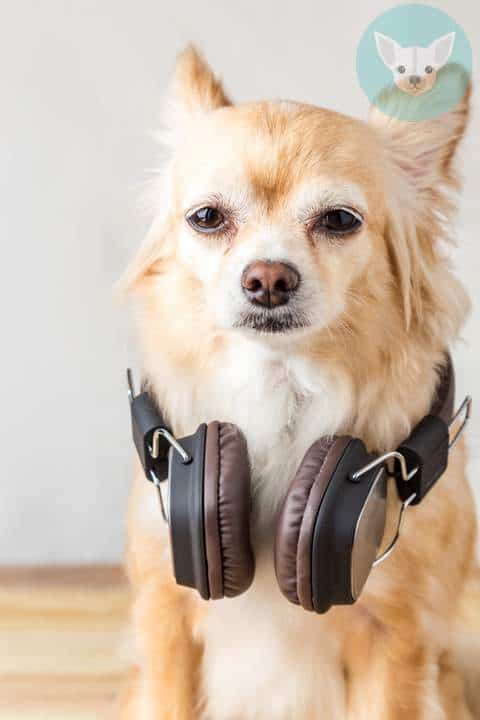
Do Chihuahuas Like Music?
Ardent animal lovers are often accused of wildly anthropomorphizing their pets to a downright ludicrous degree. And not without good reason! You don’t have to be a learned animal behaviorist to raise an eyebrow whenever your kooky Aunt Martha swears that her mini schnauzer, Mr. Schnitzel, gets extra ornery whenever the Lakers lose a game. You may also question whether Mr. Shnitzel really does prefer Mahler to Merle Haggard like dear old auntie claims—BUT hold your horses there.
Some researchers say that there may very well be some truth to the notion that our canine companions can have a favorite jam, just like us. In fact, this is a fairly common belief among pet owners—so much so that sales of music albums made just for animals have been steadily on the rise. So, is it time to get Spot his own Spotify account? Read on and see.
What sounds do Chihuahuas dig?
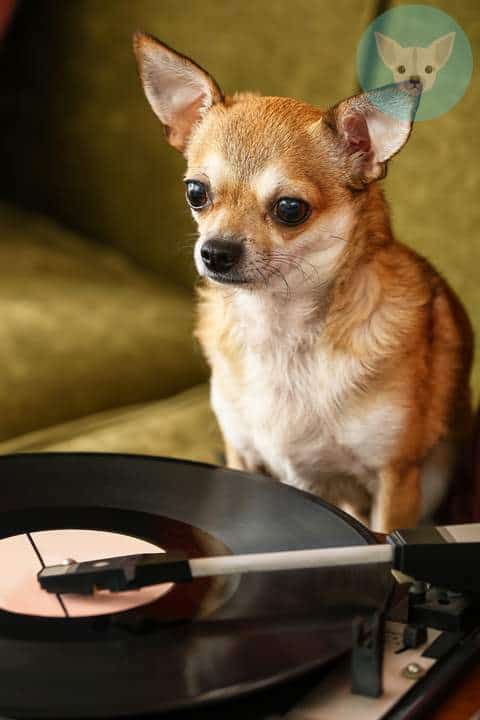
According to Charles Snowdon, an animal psychologist at the University of Wisconsin-Madison, Chihuahua owners are inclined to project their own musical tastes onto their pet: “People assume that if they like Mozart, their Chihuahua will like Mozart. If they like rock music, they say their Chihuahua prefers rock.”
However, Snowdon’s research suggests that animals can, in fact, enjoy music, but that music must be “species-specific.” In other words, what may be music to our ears is most likely not at all enjoyable to most animals. He claims that a species will prefer “familiar” music containing tones, tempos, and pitches that they should naturally be exposed to.
For example, humans tend to like music with a tempo similar to the healthy human heart-rate and notes in the same register as human speech. Likewise, Chihuahuas like tunes with a tempo similar to their own breed’s heart-rate (i.e. faster for a Chihuahua and slower for a Great Dane) and in registers similar to their vocalizations. Interestingly, since Chihuahuas the size of labradors and mastiffs vocalize in frequencies similar to a human male, these breeds may be more apt to like people music more than smaller breeds would.
Mozart vs. Metallica
In addition to Snowdon’s findings, research conducted at Queen’s University, Belfast in 2002 lends credibility to the notion that music can calm anxiety in Chihuahuas. Led by psychologist Deborah Wells, a series of studies examined whether a certain type of music—pop, heavy metal, or classical—may have an effect on animal’s stress levels. The results were affirmative.
Anxious dogs in animal shelters who listened to classical music had significantly lower agitation levels (i.e. barked less) than those who were exposed to music by heavy metal bands like Metallica.
Of course, these results may have you thinking “no duh!”—but it’s important not to presuppose any animal behavior based on how we humans might react ourselves. For example, Snowdon found that tamarin monkeys enjoy “music” composed of shrill, high-register cello sounds—the likes of which would probably drive any human up the wall.
How about howling? Does your pooch think he’s Pavarotti?
A big reason why many Chihuahua owners are convinced that their canines are music lovers is that their Chihuahuas howl whenever they hear certain music (especially if it features wind instruments) and some human singing voices.
Are they really practicing for Carnegie Hall, or do their howls mean something else entirely? Experts tend to agree that howling is not a joyous expression of musical love, but is born from an instinct to either reinforce one’s identity in a pack or as a way for a lonely Chihuahua to seek out the company of others.
When howling along with a pack, the Chihuahua will usually start out very high pitched, and then modulate down in order to find his own unique note within the chorus. However, an isolated Chihuahua that howls out of loneliness may be likened (if you’re just poetically bent on attributing complex human emotional states onto pooches!) to a tortured singer wailing the blues. If so, that’s ok. We’re totally on board with that.
What is the Safe Temperature for Your Chihuahua
If you’ve ever seen a Chihuahua confined to outdoor life, you’ve likely had one of three reactions: indifference, the assumption that the Chihuahua’s owner understands her needs, or absolute outrage. However you feel about the situation, the truth is, Chihuahuas of all shapes and sizes who live in a variety of climates don’t dwell inside the homes of their human companions. The mild days of spring and fall may seem like ideal times to sleep outside, but what about the rest of the year? What temperatures are safe, and unsafe, for our four-legged friends?
What is safe?
As a general rule of thumb — if it’s too hot or cold for you, it’s probably too hot or cold for your Chihuahua. Of course, this will all depend on the type of Chihuahua we’re talking about. Healthy, adult Chihuahua with thicker coats will generally be able to withstand colder temperatures for longer periods of time than, say, an elderly Chihuahua or other short-haired breeds. Alternatively, Chihuahuas with dark skin and shorter hair will likely undergo less stress on hot, sunny days than a shaggy Saint Bernard. When considering most healthy Chihuahuas, PetMD recommends bringing them in if temperatures drop too far below 45-degrees Fahrenheit or climb above 85-degrees Fahrenheit.
What does Chihuahuas need?
If your Chihuahua is going to be outdoors for an extended amount of time, he will need certain things to make his stay more comfortable, if not, humane. The first thing your Chihuahua will need, regardless of the weather, is shelter. Keeping your Chihuahua protected from environmental factors like sun, cold, and rain will help him regulate his body temperature, and allow him to rest comfortably outside.
Additionally, food and water are essential for indoor, and outdoor pets. Food should be provided daily, and food dishes should be cleaned regularly to prevent possible bug infestations. Freshwater should also be made available for your Chihuahua regardless of the weather. If your Chihuahua is outdoors during wet or snowy winter days, he will still need fresh water to drink to prevent serious physical conditions like dehydration.
That said, if your area is expected to get hit with a natural disaster or other inclement weather, like a hurricane, heatwave, or a blizzard, it is essential that you bring your Chihuahua inside. Like people, Chihuahuas can suffer from hypothermia and heat exhaustion, and as a pet owner, it is your responsibility to prevent these afflictions from occurring.
Signs of distress
If you do keep your Chihuahua outside, how can you be sure she is healthy, safe, and comfortable? Healthy Paws Insurance offers a few helpful tips to keep in mind when assessing your Chihuahua’s behavior and condition. Signs that your Chihuahua can be experiencing hypothermia, which can be fatal, include shivering, labored breathing, stiff muscles, and fixed pupils. Symptoms of heat conditions, like dehydration and heatstroke, include drooling, panting, vomiting, and increased heart rate.
If your Chihuahua is displaying any of these behaviors, it is important that you either warm her up or cool her down immediately, depending on the situation. If her condition doesn’t improve or gets worse, take her to a veterinarian immediately for medical assistance.
Keep short outings in mind
Keeping your Chihuahua safe in outdoor temperatures doesn’t only apply to Chihuahuas who live outside day and night. If you are taking your Chihuahua on a hike in the woods or even just an afternoon outing at a local park, preparing him for the weather will ensure an enjoyable experience for everyone involved.
Does your Chihuahua get cold? Dress him for success in a light sweater or jacket, and limit outside exposure if you know he’s uncomfortable. Got a long summer day planned? Be sure to keep water and hydrating snacks like carrots on hand, and secure a shady spot for your Chihuahua to rest in to keep his body temperature in check.
Does Your Chihuahua Need a Hearing Test?
There’s a lot of buzz in dogdom about selective hearing. This somewhat derogatory term applies to Chihuahuas who haven’t yet mastered the recall, among other things. Unlike people, though, Chihuahua’s don’t reason and purposely decide to turn a deaf ear.
A combination of distractions, doing what they were bred to do, and often ineffective training makes some Chihuahuas appear stubborn. Instead of yelling at the top of your lungs, whisper, “cookie” and he’ll instantly become a better listener.
But what if your formerly responsive Chihuahua is suddenly tuning you out? It’s possible he may be experiencing hearing loss. Whether it’s an easily remedied wax build-up or treatable ear infection, old age, or a congenital (present at birth) or acquired hearing loss, you’ll need to do a little detective work to learn if your Chihuahua is hearing-compromised.
You can perform a simple at-home hearing test to get an idea of the degree of loss, then consult with your veterinarian for a professional Brainstem Auditory Evoked Response or BAER hearing test, which looks at brain activity caused when the ears register sounds.
Chihuahuas hearing versus humans
Chihuahua listens to things we never hear. Second, only to their phenomenal sense of smell, a Chihuahua’s hearing is amazing! They can hear the bodily movements of termites in a wall and hear their owner’s heartbeat from the other side of the room.
In fact, Chihuahuas’ superior hearing has played a major role in thousands of years of success as a species. In the wild, if a Chihuahua or wolf couldn’t hear the beating heart of their prey from a fair distance away, they would have no chance to catch it, thus wouldn’t eat that day.
The sense of hearing is measured in frequencies or pitches, and humans, depending on their age, can hear sounds beginning at 20 hertz and ranging up to 12,000-to-20,000 hertz. In contrast to our seemingly limited spectrum of audible sounds, at least by canine standards, Chihuahua, depending on their breed and age, can hear in the range of 40,000-to-60,000 hertz.
Human and Chihuahua ears share similar anatomy of the middle and inner ear with an eardrum, which is known as a tympanic membrane and little bones in the inner ear called ossicles that vibrate sending signals to the brain via the auditory nerve. But, of course, Chihuahua ears are larger, and they also contain at least 18 muscles that control the pinna, or ear flap.
These muscles allow them to fine-tune the position of the ear canal, thus localizing sounds and hearing more accurately from farther away than a human ever could.
Chihuahuas with hereditary hearing loss
While it’s normal for Chihuahua to be born deaf with closed ear canals, some Chihuahuas will remains deaf. It seems that congenital deafness is mostly genetic and, according to Stanley Coren, PhD., is associated with certain coat colors. A normal pup’s ear canal opens 10-to-14 days after birth. If a puppy doesn’t seem to hear by the time he’s three weeks old, a BAER test should be administered, because it may take several weeks before a veterinarian or breeder recognize it.
At high risk of congenital hearing loss are Chihuahuas with a white coat with spots, or piebald, pure white, roan, and merle. A classic example of the piebald is the Dalmatian breed where 22 percent are born deaf in one ear, 8 percent are deaf in both ears, and 30 percent are affected with some level of a hearing deficiency.
What can affect hearing temporarily?
Dirty ears can affect hearing. Like people, Chihuahuas can get a wax build-up in their ears that impacts their hearing. Consult with your vet for the best ear cleaner to do the job at home or have your Chihuahua’s ear cleaned in the vet’s office. Ear infections can also cause a partial loss of hearing and often can go undetected until the infection blocks off a portion of the ear. Ear infections are treatable, and a trip to the vets and some aftercare at home will usually resolve the issue.
What can cause a loss of hearing?
When a condition reduces the diameter of the ear canal or blocks sounds from entering, partial or complete hearing loss is the result. Here are some of the most common causes of a hearing loss in Chihuahuas:
Ear inflammation or infection, which can be caused by seasonal, food, or flea allergies, and promotes the growth of infectious bacteria and yeast.
Ear mites.
Toxic exposure.
Blunt trauma to the neck, skull, or other body parts; for example, being hit by a car or kicked by a horse.
Tumors that are cancerous or benign since the mass takes up space and exerts pressure on the inner ear structures.
Glandular disorders like hypothyroidism contribute to abnormal nerve function.
Detecting hearing loss
Most likely, a loss of hearing in your Chihuahua will be apparent as you observe his day-to-day habits. Watch for these clues that hearing loss may have occurred and immediately consult with your veterinarian who will perform a physical exam using an otoscope to visualize the ear canal and eardrum for a preliminary diagnosis, which can be followed up with a BAER test for definitive diagnosis:
You return home and your Chihuahua doesn’t respond to the opening of the door or greet you as he always has in the past, but seems to respond only when he hears the vibrations of your footsteps on the floor.
Your Chihuahua does not respond when you call his name, nor to other familiar sounds.
Other pets in your home suddenly seem to be able to sneak up on your Chihuahua, encroaching on his personal space.
When you stand in another room, out of sight, and make loud sounds like whistles, jingle keys, clap hands, or bang pots, your Chihuahua do not turn his head toward the sound.
Where to get a Brainstem Auditory Evoked Response (BAER) test
Many veterinarians offer the BAER test in their clinic, or they may refer you to a veterinary neurologist who administers the test. Also, mobile services are available; for example, Advanced Veterinary Mobile (Judy Pawlusiow, DVM) which operates in New York, New Jersey, Connecticut, Pennsylvania, New Hampshire, Massachusetts, Vermont, and Rhode Island.
Originally developed for humans, the BAER test measures how your brain processes the sounds you hear by detecting electrical activity in the cochlea and auditory pathways in the brain, in a similar way to an EKG, which detects the electrical activity of the heart. For Chihuahuas, it’s the same test, and it takes about 10-to-15 minutes to complete. It’s administered by placing tiny electrodes under the skin in the front of each ear, the top of the head, and one between the shoulders.
It is rare that a Chihuahua exhibits any pain during this procedure. Ears are tested individually with a stimulus click produced by the computer-directed into the ear with a foam insert earphone. The computer records the waveform responses consisting of peaks numbered with Roman numerals, starting at 1, indicating variations of hearing, to flatline, which indicates no response, or deafness. After the test, you get a printout of the results showing the recorded waveform; test results are confidential.
Is there any treatment for hearing loss?
Hearing aids for Chihuahuas have been developed after years of research, but the cost is prohibitive for many Chihuahua owners. Also, keep in mind, the chances of getting your Chihuahua comfortable with a foreign object in her ear may be slim to none in the case of many Chihuahuas. However, smaller Chihuahuas seem to tolerate hearing devices better than larger Chihuahuas.
Living with a deaf Chihuahua
Unless a Chihuahua was born deaf and has become used to living without hearing, a Chihuahua with acquired deafness will not be as responsive as a Chihuahua who can hear, for obvious reasons. However, other senses do kick in, and a deaf Chihuahua’s sense of touch intensifies.
After the initial confusion, many deaf Chihuahuas live an excellent quality of life with families sensitive to their limitations. In many cases, a Chihuahua with total hearing loss will thrive; masters of adaptation that they are!