Hydrocephalus in Chihuahua Puppies
Hydrocephalus, or water on the brain, shows up early in toy-breed Chihuahua puppies. Learn the dome-shaped head, sunset eyes, and other signs, how vets diagnose it, and what treatment realistically looks like.

“Merle is a coat pattern caused by a pigment-modifying gene, and breeding two merle chihuahuas together raises the risk of deafness and eye defects. Here is what owners should understand, and how to choose a responsible breeder.”

Hydrocephalus, or water on the brain, shows up early in toy-breed Chihuahua puppies. Learn the dome-shaped head, sunset eyes, and other signs, how vets diagnose it, and what treatment realistically looks like.

Most Chihuahuas have their first heat at six to eight months. Here are the four stages, the signs to watch for, and the real medical risks of breeding a toy breed: dystocia, eclampsia, and a high likelihood of a C-section.

Can owning a chihuahua cure asthma? No. A dog cannot cure asthma. Here is where the myth comes from, what research really says about pets, allergies, and childhood exposure, and how to share a home with a chihuahua sensibly if someone wheezes.

Bleeding, swallowed toxins, and choking are the three scares most small-dog owners will face. Here is what each one actually requires before you reach the vet.

Most Chihuahua tear staining comes down to big eyes and shallow tear ducts, but watery eyes can also signal allergies, infection, or ingrown lashes. Here is how to clean stains safely and the eye symptoms that mean it is time to call your vet.

Done gently, massage can soothe an anxious or stiff Chihuahua and deepen your bond, but a tiny, fragile body needs careful technique and clear limits. Here is how to do it safely, plus when to call the vet instead.
Is your Chihuahua overweight? A vet-style home check using body condition score, the real health risks for toy breeds, and a safe, vet-guided way to slim down.

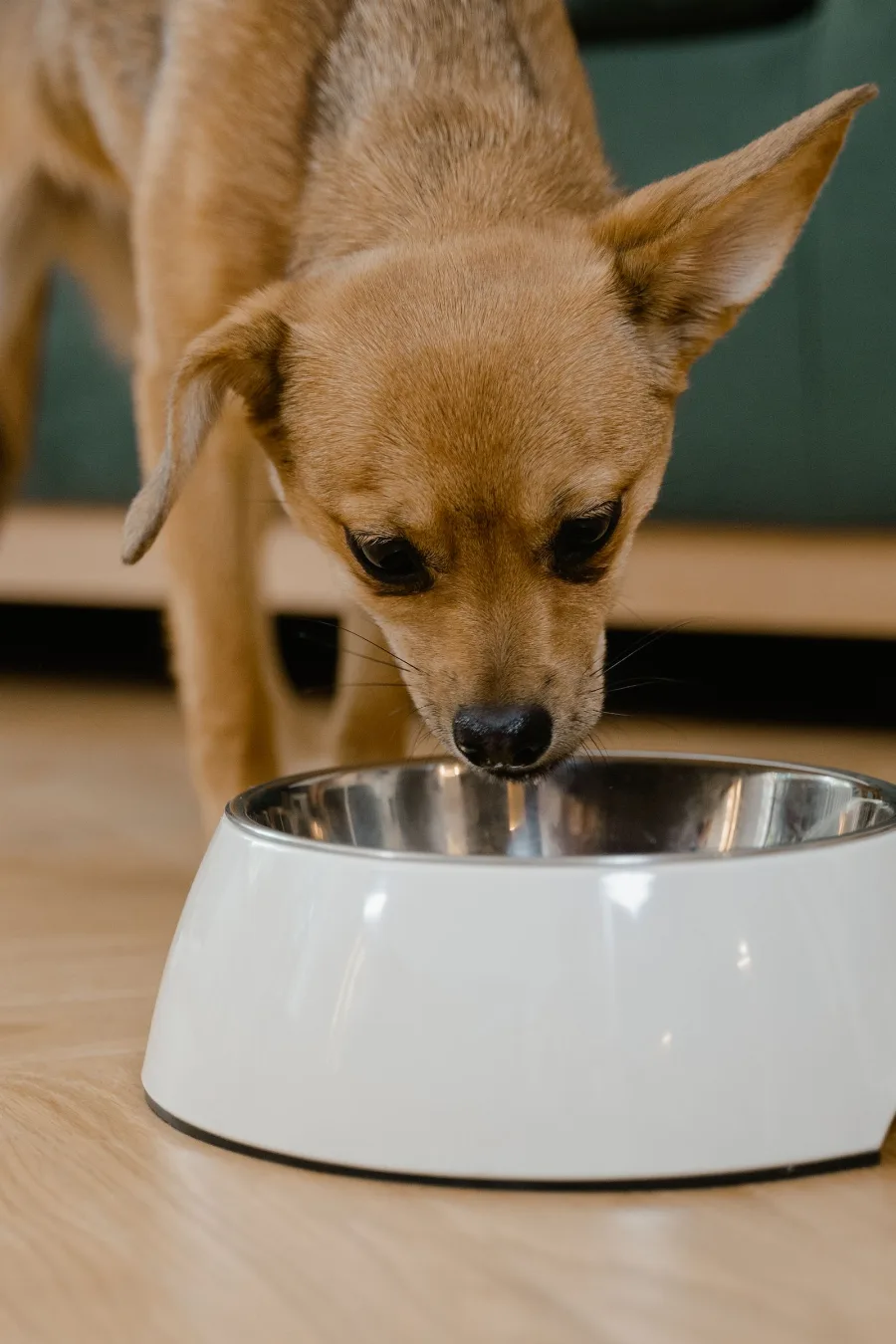
A skipped meal in a small dog carries extra weight. Here are the common causes of appetite loss in Chihuahuas, how to spot a red flag, and when to call your vet.

Chihuahuas see in dim light far better than humans thanks to rod-rich retinas and the tapetum lucidum, but not in true darkness. Here is what they can and cannot see at night, plus when changing night vision signals an eye problem.

A Chihuahua that shadows, leans, and locks eyes with you is bonded, not broken. A vet explains the science of that devotion, and the clear signs it has tipped into separation anxiety.

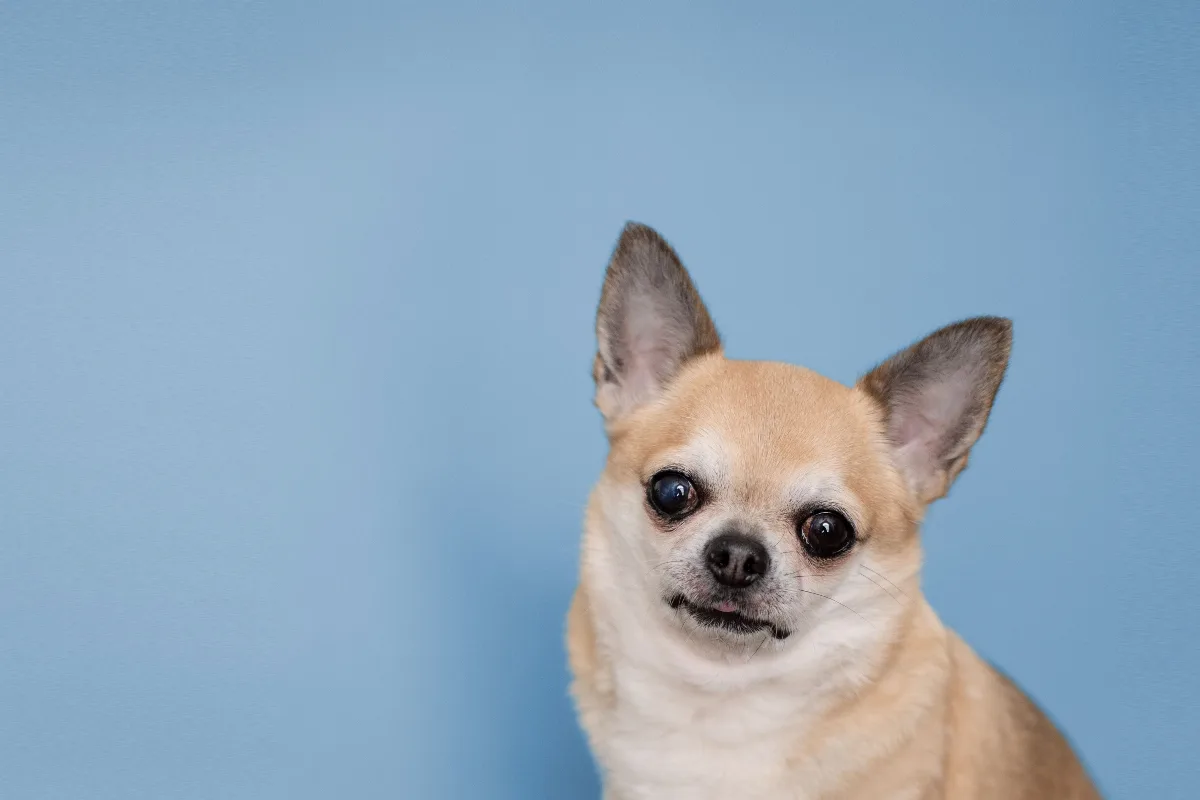
A Chihuahua's big eyes come from a small, round skull with shallow sockets, which also leaves the eye more exposed. Here is the health side: dry eye, corneal ulcers, tear staining, proptosis, daily care, and when to call your vet.

A Spanish man was hospitalized with severe pneumonia and septic shock after contracting Pasteurella multocida from his chihuahua licks.