
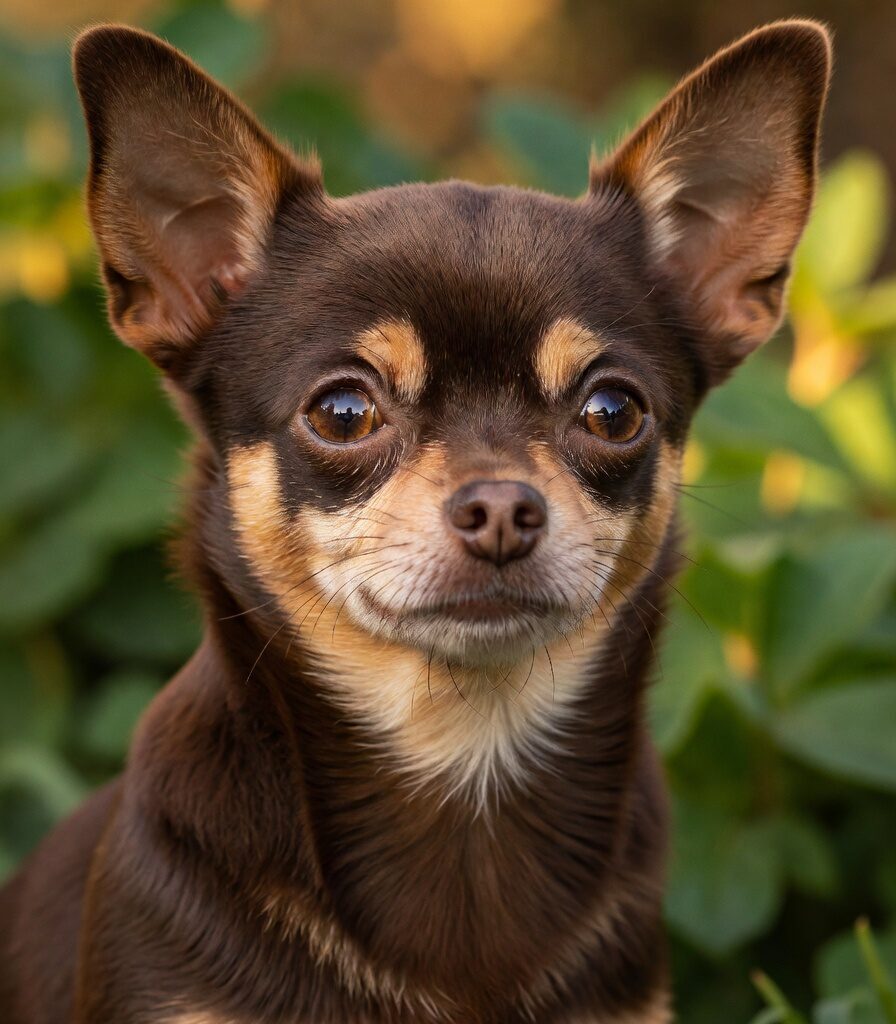

One of the things that surprised me most about this breed is the notable variety of chihuahua colors available. When most people picture a Chihuahua, they think of a small tan or fawn dog. But , Chihuahuas come in almost every color and pattern you can imagine. I have been amazed at the range I have seen over the years at dog parks, rescue events, and breed meetups.
The Most Common Colors
Fawn is probably the color most people associate with Chihuahuas. It ranges from a pale cream to a rich golden tan, and there are dozens of subtle variations in between. Black is another very common color, and solid black Chihuahuas are absolutely stunning, especially when their coat catches the light. You will also see chocolate, which is a deep warm brown that can range from milk chocolate to nearly espresso dark.
My first Chi was a classic fawn and she blended in with every beige blanket I owned. I could not tell you how many times I almost sat on her because she camouflaged so perfectly on the couch. Red is another beautiful option, ranging from a light orange to a deep Irish setter red that really turns heads.
Related: common Chihuahua health issues.
Unique and Rare Colors
This is where it gets really interesting for color enthusiasts. Blue Chihuahuas have a diluted black coat that appears gray with a slight blue tint. They are gorgeous and eye catching. However, they also carry a gene that can sometimes cause skin issues and hair loss, so that is worth knowing about before you set your heart on one.
What I Wish I Knew Earlier
Spotted and splashed patterns are common too, creating unique designs that make every chihuahua look one of a kind. Then there is the classic black and tan combination that makes some Chihuahuas look like tiny Dobermans, complete with the tan eyebrow dots and chest markings. Tricolor Chihuahuas add a third shade, usually white, to create even more visual interest.
I learned the hard way not to judge a puppy’s final color too early. Many Chihuahuas change shade significantly as they mature. My friend’s puppy started out looking almost black and lightened into a gorgeous chocolate by her first birthday.
How Color Affects Health
Most coat colors have no impact on a Chihuahua’s health at all, which is good news for anyone who falls in love with a particular shade. The main exceptions are the dilute colors like blue and lavender. These can be associated with a condition called Color Dilution Alopecia that causes hair thinning and skin problems over time. com/why-are-chihuahuas-so-aggressive-personal-story/” title=”Why Are Chihuahuas So Aggressive”>Why Are Chihuahuas So Aggressive.
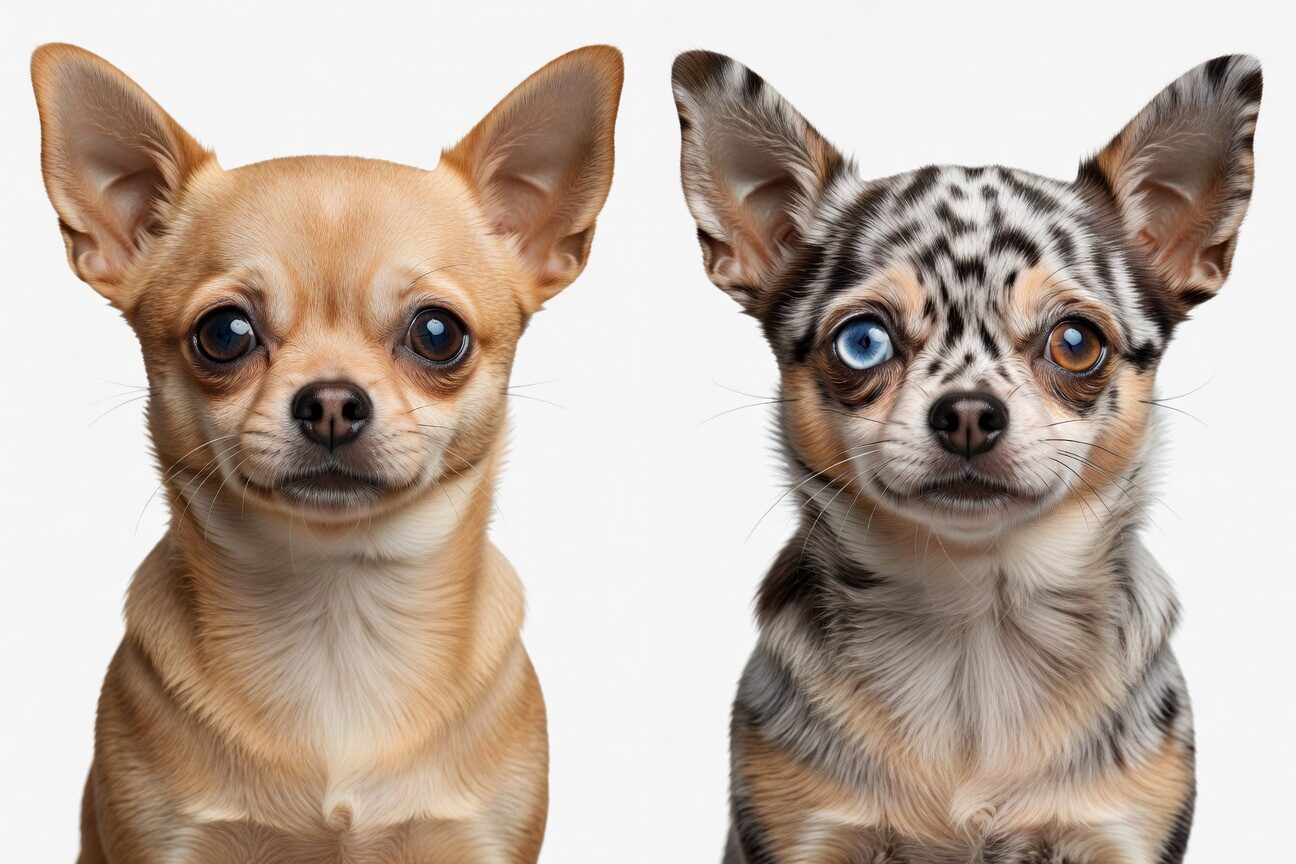
Double merle breeding, where two merle chihuahuas are bred together, can result in serious health issues including deafness and blindness in the puppies. A responsible breeder will never do this. If you are buying from a breeder, ask about the parents’ colors and patterns to understand what you might expect and to make sure they are breeding responsibly.
Does Color Affect Personality
I hear this question all the time and the short answer is no. A red Chihuahua is not feistier than a white one. A black Chi is not calmer than a chocolate one. Color is just color, determined by genetics that have nothing to do with temperament or behavior. Personality comes from genetics related to brain chemistry, socialization, and how you raise them.
That said, I will admit there is something special about finding a Chihuahua in a color that just speaks to you. Whether you want a classic fawn, a rare blue, or a wild brindle pattern, there is a chihuahua color out there that will make your heart skip. My advice is to pick the personality first and let the color be a wonderful bonus.
How Genetics Determine Your Chihuahua’s Color
Understanding how chihuahua colors work at a genetic level is something that changed the way I look at every chihuahua I meet. Color in dogs is controlled by a series of genes that interact in complex ways. Chihuahuas carry an especially wide range of color genetics because the breed standard accepts virtually every color and pattern combination.
The two primary pigments in dog coats are eumelanin, which produces black and brown tones, and phaeomelanin, which produces red and yellow tones. The base color your chihuahua displays depends on which combination of these pigments their genes code for. It also depends on how other modifier genes dilute, distribute, or restrict those pigments across the coat.
For example, a blue chihuahua is not actually blue. It is a black chihuahua carrying a dilution gene that softens the black pigment to a steel gray color that appears blue in certain lighting. A lavender chihuahua carries dilution genes affecting both the black and brown pigment pathways, creating that distinctive pale purple gray tone. According to the ASPCA, this is an important consideration for small breed dogs.
I find this stuff fascinating because it means that two chihuahuas who look completely different in color might actually share most of the same genetic makeup. Just one or two gene variations can be responsible for the visible difference. Breeders who understand color genetics can predict with reasonable accuracy what colors a litter might produce, though there is always room for surprises because some color genes are recessive and can hide for generations.

Rare Colors and the Price Premium Problem
This is where I need to be direct about something that concerns me in the chihuahua world. Certain colors, particularly blue, lavender, merle, and pure white, are marketed as rare and command significantly higher prices from breeders. I have seen chihuahuas advertised for three to five thousand dollars solely because of their color. The price had nothing to do with health testing, temperament, or breeding quality.
This pricing structure creates a financial incentive for breeders to prioritize color production over health. It is a pattern I have watched with increasing unease over the years.
Merle coloring in particular deserves special attention because it comes with real health risks. The merle gene, when present in double dose, can cause serious eye defects including micropthalmia and blindness, as well as hearing impairment. A responsible breeder will never breed two merle chihuahuas together because of these risks. But the premium price that merle puppies command means some breeders are willing to take that gamble.
If you are shopping for a chihuahua and a breeder is emphasizing color as the primary selling point while downplaying or not mentioning health testing, that is a significant red flag. The color of your chihuahua’s coat has zero impact on their personality, their intelligence, or their ability to be a wonderful companion. It is quite literally the least important factor you should consider when choosing a dog that will be part of your family for the next fifteen years.
How Your Chihuahua’s Color May Change Over Time
Something that surprises a lot of first time chihuahua owners is that their dog’s color can change noticeably from puppyhood to adulthood. It can even continue to shift throughout their life. I experienced this with my own chihuahua who was a rich dark sable as a puppy and gradually lightened to a cream with faint red highlights by the time she was about two years old.
The transformation was dramatic enough that people who met her as a puppy and saw her again as an adult sometimes did not recognize her as the same dog. This is completely normal. It happens because the expression of color genes can change as the dog matures and their coat goes through cycles of growth.
Sable chihuahuas are especially prone to dramatic color shifts because the sable pattern involves hairs that are tipped with a darker color over a lighter base. The ratio of dark to light can change significantly with each new coat growth cycle. Black chihuahuas may develop a reddish or brownish tint as they age, especially if they spend time in direct sunlight.
Meanwhile, white chihuahuas sometimes develop cream or yellow toning, particularly around the ears and back, as they mature. Senior chihuahuas, like senior humans, may develop gray or white hairs around their muzzle and eyes. None of these changes indicate a health problem. They are simply the natural progression of pigment expression over a chihuahua’s lifetime. Learning to appreciate how your dog’s appearance evolves is one of the small pleasures of long term dog ownership.
For more detailed guidance on this topic, the American Kennel Club offers excellent resources backed by veterinary professionals.
You Might Also Enjoy
I have been through this with my own chihuahua. It is one of those things that looks simple on paper but gets complicated fast when you are actually dealing with a four-pound dog who has opinions about everything.
The truth about chihuahua colors patterns is that there is no single right answer. What works for one chihuahua might be completely wrong for another. Mine took weeks to adjust. Some dogs figure it out in days. The size of your chihuahua matters. Their age matters. Their personality matters most of all.
Here is what I wish someone had told me earlier. Start small. Do not try to change everything at once. Chihuahuas are stubborn but they are also sensitive. Push too hard and they shut down. Go too slow and nothing changes. The sweet spot is somewhere in the middle and you have to find it yourself. You might also find 13 Different You Should Know About worth reading.
I talked to other chihuahua owners about chihuahua colors patterns and heard the same thing over and over. Patience. Consistency. And a willingness to look a little silly in public because chihuahuas do not care about your dignity.
If you are just getting started with chihuahua colors patterns, give yourself grace. You will make mistakes. Your chihuahua will make more of them. That is the whole process. And honestly, once you get through the hard part, it is worth it.
What is the average size of a chihuahua?
Adult chihuahuas typically weigh between two and six pounds and stand five to eight inches tall at the shoulder. The AKC breed standard sets the maximum weight at six pounds for show dogs.
How long do chihuahuas live?
The average chihuahua lifespan is 14 to 16 years, making them one of the longest-lived dog breeds. Some chihuahuas live to 18 or 20 with excellent care.
Are there different types of chihuahuas?
The AKC recognizes two coat varieties: smooth coat and long coat. Head shape varies between apple head and deer head, though only the apple head conformation meets the official breed standard.
What should I know about chihuahua colors?
Understanding chihuahua colors requires attention to breed-specific needs. Chihuahuas are small dogs with unique health, behavioral, and care requirements. Consulting your veterinarian and learning from experienced owners provides the most reliable guidance for your specific situation.