
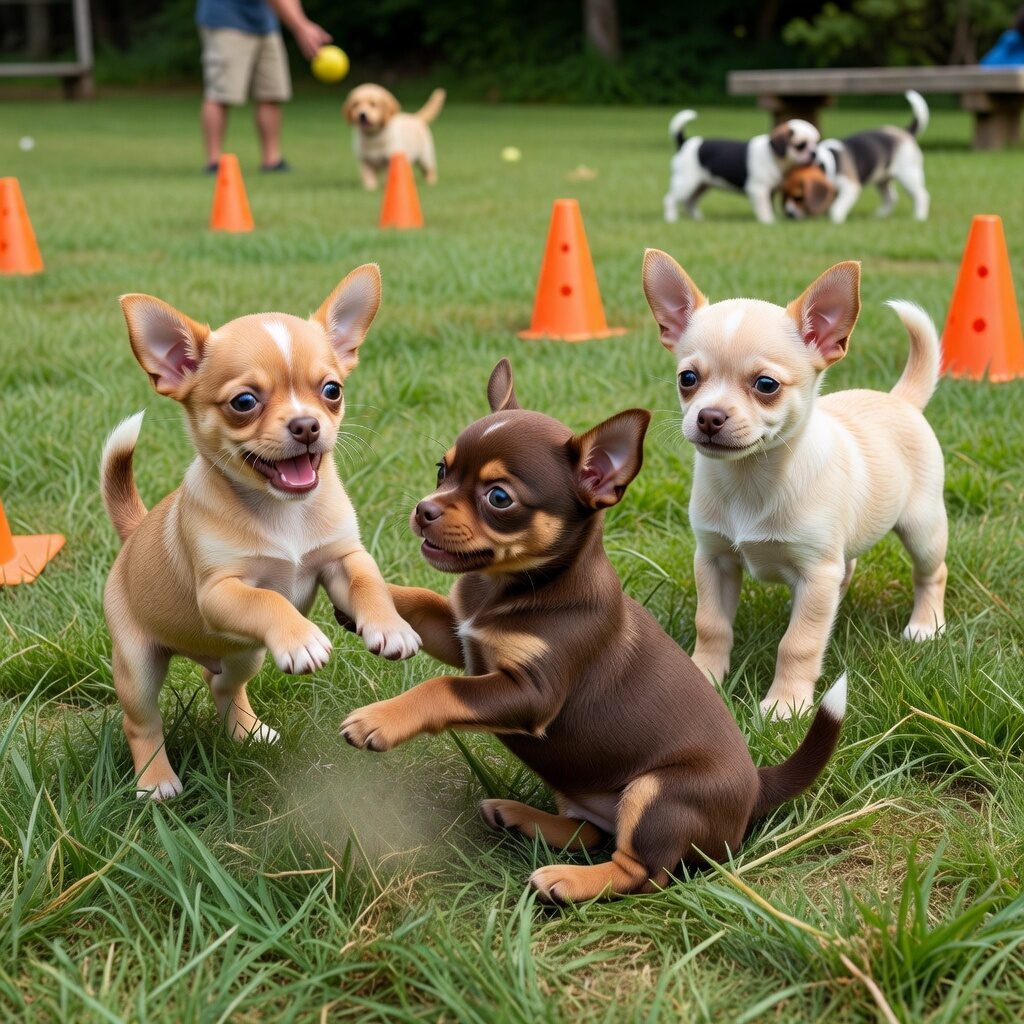

Chihuahua puppy socialization is the most important thing I have ever done for my dogs, and I only know that because I failed at it first.
My first chihuahua, Rue, came home at eight weeks old. She was so small that the world felt genuinely dangerous to her, and I believed that too. I carried her past other dogs on the sidewalk and kept her inside when the weather changed and figured she would grow into confidence the way puppies grow into their ears.
She never did. By six months old, Rue barked at every person who walked past our apartment and trembled at sounds I could not even identify. She could not be in the same room as another dog without completely shutting down. That was not her personality. That was what happened because I skipped chihuahua puppy socialization during the weeks that mattered most, and I spent the next three years trying to undo it.
If you are reading this with a chihuahua puppy in your lap, you have a chance I wish I had taken. And if your chihuahua is older and already struggling with fear, there is still a path forward. It just looks a little different.
What It Actually Means
Socialization is the process of helping your chihuahua puppy learn that the world is a safe place to explore. It means introducing your dog to different people, animals, sounds, surfaces, and environments in a way that builds positive associations and genuine confidence over time.
For most breeds, socialization matters. For chihuahuas, it is essential and non-negotiable. Our dogs are tiny, and the world is enormous to them. A toddler running toward a golden retriever is exciting. A toddler running toward a three-pound chihuahua puppy is terrifying. Without early positive experiences through chihuahua puppy socialization, that size difference becomes a constant source of fear, and fear is where almost every chihuahua behavioral problem begins.
The barking at strangers, the snapping when someone reaches too quickly, the shaking that never seems to stop. These are not personality traits. They are signs of a dog who learned early that the world is something to defend against. The American Kennel Club emphasizes that early and consistent chihuahua puppy socialization is the single most effective way to prevent these fear-based behaviors from developing in the first place.
The Socialization Window You Cannot Afford to Miss
Three Weeks to Twelve Weeks
The most critical period for chihuahua puppy socialization begins around three weeks of age and starts to close by twelve weeks. Peak sensitivity falls between six and eight weeks, and during this window your puppy’s brain is literally wired to absorb new experiences and sort them into two categories: safe and not safe.
Every positive encounter during this period gets filed under safe almost automatically. A friendly stranger who sits on the floor and offers a treat becomes a good thing. The sound of a garbage truck passing by while your puppy is eating something delicious becomes background noise rather than a threat. Walking on grass for the first time and finding it interesting instead of frightening becomes one more entry in a growing catalog of confidence.
After the window closes, the default setting flips. Everything new becomes suspicious until proven otherwise, and you can still make progress after twelve weeks, but the work gets harder and the timeline gets longer. Starting chihuahua puppy socialization early is always easier than trying to undo fear later.
The Secondary Window at Six to Eight Months
There is a second sensitive period that many dog parents do not know about. Between six and eight months, chihuahua puppies go through an adolescent fear phase where they can suddenly become nervous about things that never bothered them before.
This is normal and temporary, but it is also a critical time to keep reinforcing positive experiences and maintaining your socialization routine. If your chihuahua suddenly seems scared of the neighbor’s trash can after months of walking past it calmly, that is the adolescent fear period talking and not a sign that your earlier work failed. Continue your routine, keep things positive, and give your puppy time to work through it at their own pace.
How to Socialize Your Chihuahua Puppy Step by Step
Start With Safe Exposure at Home
Before your puppy is fully vaccinated, you can still do meaningful chihuahua puppy socialization work without ever leaving the house. Invite friends over one at a time and ask each person to sit quietly on the floor and let your puppy approach on their own terms. Play recordings of common sounds like traffic, thunderstorms, and doorbells at low volume during mealtimes so your puppy learns to associate those sounds with something good.
Introduce different surfaces around the house as well. A towel laid flat on the kitchen floor, a cookie sheet to walk across, a piece of cardboard that crinkles underfoot. Each new texture your puppy explores without fear is one more positive experience stored in their developing brain.
Introduce One Calm Dog at a Time
When your puppy is ready for dog-to-dog introductions, start small and controlled. One calm, vaccinated, and friendly dog in a quiet space is ideal. Not the dog park, because the dog park is overwhelming for most chihuahua puppies and a recipe for a bad experience that can set your socialization progress back by weeks.
Let your chihuahua set the pace entirely. If they want to watch from behind your legs for the first five minutes, that is real progress. If they sniff the other dog’s tail and then retreat to you, that is also progress. We are not looking for instant friendship here. We are building a chihuahua puppy socialization foundation where other dogs exist and nothing bad happened, and that foundation is more valuable than any single interaction.
Let Your Puppy Walk on Their Own Feet
This is the hardest one for chihuahua dog parents, and I say that from personal experience. We love carrying our dogs because they are small and the world is big and it feels like we are keeping them safe by holding them close.
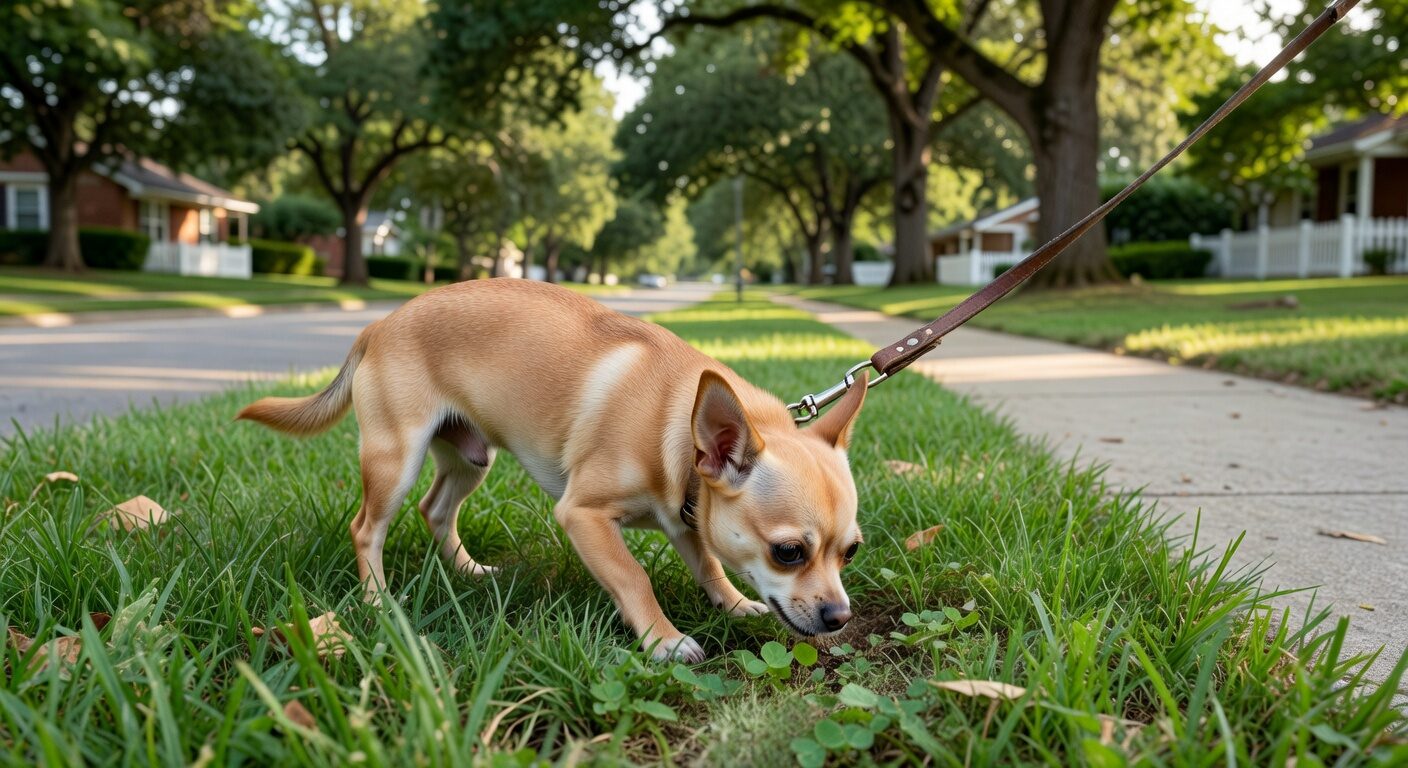
But a puppy who never touches the ground never learns to navigate the world on their own. They need to feel different surfaces under their paws, sniff things at their own pace, and make their own choices about whether to approach something new or step back from it. To do this, start in quiet areas with minimal distractions and gradually work toward busier environments as your chihuahua builds real and lasting confidence.
Pair Every New Experience With Something Good
Bring treats to every outing. Bring more treats than you think you need. Every time your chihuahua encounters something new without reacting fearfully, reward them immediately. A new person walked past and your puppy stayed calm? Treat. A car door slammed and they did not flinch? Treat. They sniffed a strange dog from three feet away and then looked up at you instead of barking? That deserves a jackpot of treats and quiet praise.
You are not bribing your puppy. You are building a neural pathway that connects new with good, and over time your chihuahua will start seeking out new experiences instead of hiding from them. That shift from avoidance to curiosity is exactly what successful chihuahua puppy socialization looks like in practice.
Common Socialization Mistakes That Set Your Chihuahua Back
Carrying Instead of Walking
You should absolutely carry your chihuahua before their vaccinations are complete, but once they have had their shots, they need to walk on their own feet as much as possible. A chihuahua who is always carried learns that the ground is not a safe place, and that belief makes every future interaction with the world harder and more stressful for both of you.
I still catch myself picking up my dogs when I get nervous about a situation, and every time I do it I can see the anxiety transfer to them. Our chihuahuas read our body language before they read anything else in the environment. If we scoop them up, we are confirming that there was something to be afraid of. Stay calm, keep them on the ground, and redirect with a treat if they show signs of stress.
Flooding With Too Much Too Fast
I made this mistake with my second chihuahua and I regret it to this day. I took her to a crowded farmers market on only her third outing ever because I thought the exposure would accelerate her confidence. Instead, she spent the entire time trembling in my arms, and she was noticeably more nervous on our next walk than she had been before the market trip.
It took about two weeks of quiet, short outings to undo the damage from that one overwhelming experience. Chihuahua puppy socialization is not about volume. It is about quality and consistency. Three calm and positive five-minute outings will do more for your chihuahua’s confidence than one overwhelming hour-long adventure ever could.
Stopping After the First Few Months
Chihuahua puppy socialization does not have a finish line, and this is something I wish more dog parents understood from the beginning. Dog parents who socialize their chihuahua diligently for the first few months and then stop often see their dogs regress during the adolescent period between six months and two years.
Keep introducing new experiences throughout your chihuahua’s entire life. Visit new places together and meet new people and walk different routes through your neighborhood. The work does not have to be intensive or time-consuming, but it does need to be consistent and ongoing to maintain the confidence your puppy has built.
How to Socialize an Adult Chihuahua
If you adopted a chihuahua who missed the critical socialization window as a puppy, first of all thank you for giving that dog a second chance at a good life. And second, I want you to know that real and meaningful chihuahua puppy socialization progress is absolutely still possible with patience and the right approach.
Start Below Their Threshold
The key concept with adult chihuahua socialization is working below your dog’s reactivity threshold. That means finding the distance or intensity level where your chihuahua can observe something new without barking, lunging, trembling, or shutting down completely.
For my rescue chihuahua, that meant sitting in a parked car in a busy parking lot and just watching people walk by from behind the safety of the window. She was not ready to be out among them, but she could handle watching from the car. We did that three times a week for about a month before I moved to sitting on a bench at the edge of a park.
Treat every single calm moment like a victory and reward it generously, because for a fearful adult chihuahua those calm moments represent genuine courage.
Work With a Force-Free Trainer
I highly recommend working with a professional trainer who uses force-free methods and has specific experience with fearful small breeds. The techniques that work for a nervous Labrador do not always translate directly to a nervous chihuahua, because the physical vulnerability of being so small adds a genuine layer of survival instinct to their fear that larger dogs simply do not experience.
PetHelpful’s chihuahua temperament guide offers helpful context on why chihuahuas respond differently to standard training approaches, and understanding that difference is the first step toward finding a method that actually works for your individual dog.
What Changes When Chihuahua Puppy Socialization Works
My oldest chihuahua is eleven years old now, and she was socialized thoroughly from the time I brought her home at ten weeks. The difference between her life and Rue’s early years is enormous and undeniable.
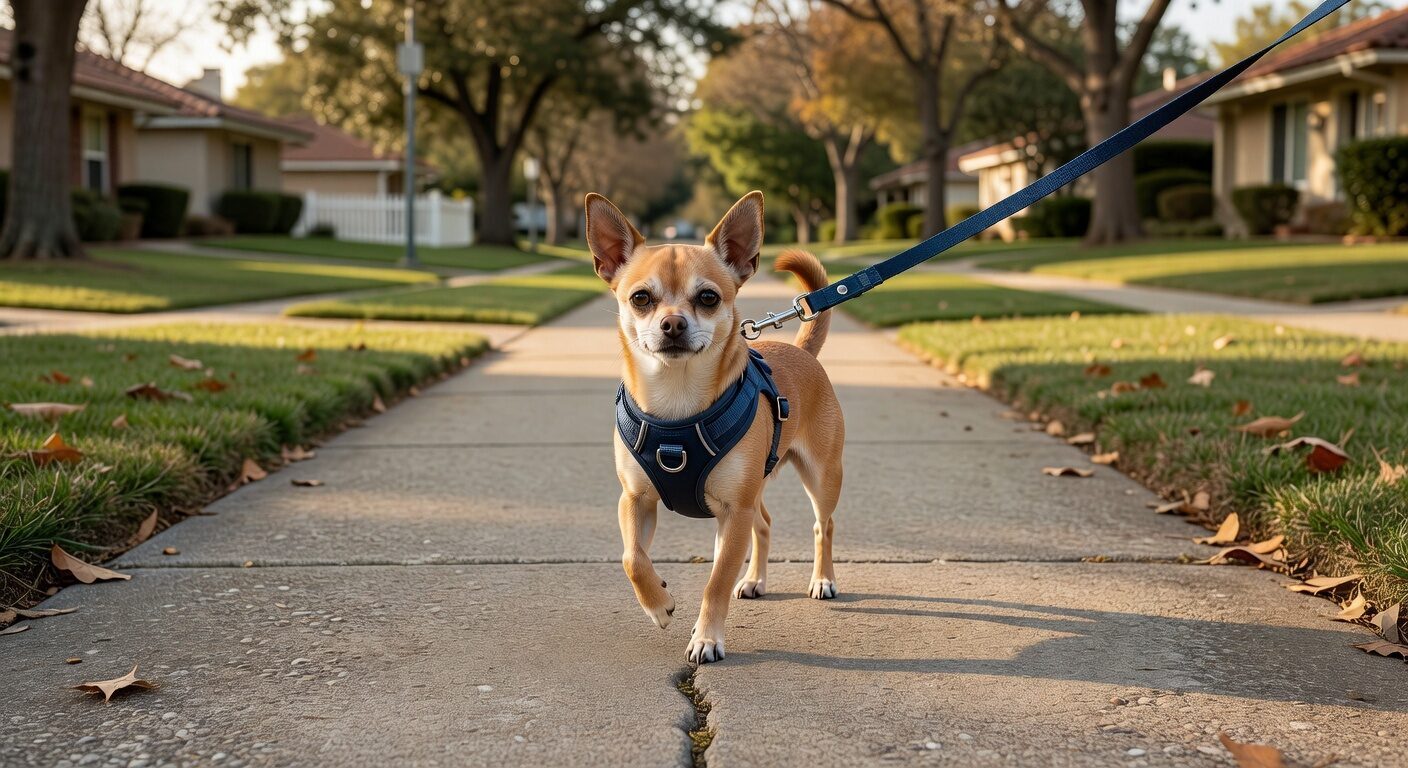
She travels with me without stress and can sit calmly in a vet waiting room surrounded by dogs three times her size. She greets new people with curiosity instead of fear and walks through our neighborhood without lunging at passing dogs or barking at strangers. She is not perfect, because she still has very strong opinions about cats, and she will never love the vacuum cleaner. But she moves through the world with a quiet confidence that makes our daily life together genuinely enjoyable.
Compare that experience to the reality of dog parents whose chihuahuas cannot go anywhere without causing a scene, who cannot have guests over without twenty minutes of nonstop barking, and who dread vet visits because their dog becomes a trembling and snapping mess. That is not just stressful for the human. It is a miserable and exhausting way for a dog to live every single day.
Every investment you make in socialization is an investment in your dog’s quality of life for the next twelve to sixteen years. If your chihuahua is already showing early signs of nipping or fear-based biting, socialization is almost always the answer. And if you are just getting started with a new puppy, pairing socialization with basic obedience training gives your chihuahua the strongest possible foundation for a confident and happy life.
Your chihuahua does not have to be the dog that everyone crosses the street to avoid. With patience and consistency and a pocket full of treats, they can be the one that makes strangers stop and smile.
If you are considering bringing a chihuahua into your life, our guide on what to know before adopting covers how to set yourself and your new dog up for success from day one.