


If you have ever wondered whether your Chihuahua puppy is growing on track, a chihuahua size chart can really put your mind at ease. I remember constantly weighing my Chi as a puppy, worried she was too small or growing too fast. Turns out, most Chihuahua owners go through the exact same anxious weighing routine.
Birth to 8 Weeks
Chihuahua puppies are incredibly tiny at birth. Most weigh somewhere between 2.5 and 5.5 ounces. That is small enough to fit in the palm of your hand with room to spare. During these first weeks, they grow quickly and should roughly double their birth weight within the first week or two.
By 4 weeks old, puppies are starting to wobble around on their tiny legs and will typically weigh between 7 ounces and 1.5 pounds. By 8 weeks old, a Chihuahua puppy typically weighs between 11 ounces and 2 pounds depending on their expected adult size. I learned the hard way that comparing your puppy to others in the litter is not always helpful because there can be a big range even among siblings.
Related: common Chihuahua health issues.
3 to 6 Months: The Big Growth Phase
This is when things really start to change. Between 3 and 6 months, your Chihuahua puppy will do most of their growing. A puppy that will be around 4 pounds as an adult might weigh about 1.5 to 2.5 pounds at 3 months and closer to 3 to 3.5 pounds by 6 months.
Bigger Chihuahuas heading toward the 6 pound range might already be around 4 pounds at the 6 month mark. Every chihuahua is different, so try not to stress over exact numbers. The trend matters more than any single weigh in. If your puppy is gaining steadily and your vet is happy, you are on the right track.
During this phase, your puppy will also start teething, which can sometimes cause a temporary dip in appetite. Do not panic if they eat a little less for a few days. Just make sure fresh water is always available.
What I Wish I Knew Earlier
General Weight Expectations
Here is a rough guide for what to expect at different ages based on birth weight. A puppy born at 2.5 ounces will likely be a very small adult around 2 to 3 pounds. A puppy born at 3.5 to 4 ounces typically ends up between 3 and 4.5 pounds. A puppy born at 5 ounces or more will likely end up closer to 5 or 6 pounds as an adult. com/chihuahua-separation-anxiety-guide/” title=”Chihuahua Separation Anxiety: The Full Picture”>Chihuahua Separation Anxiety: The Full Picture.
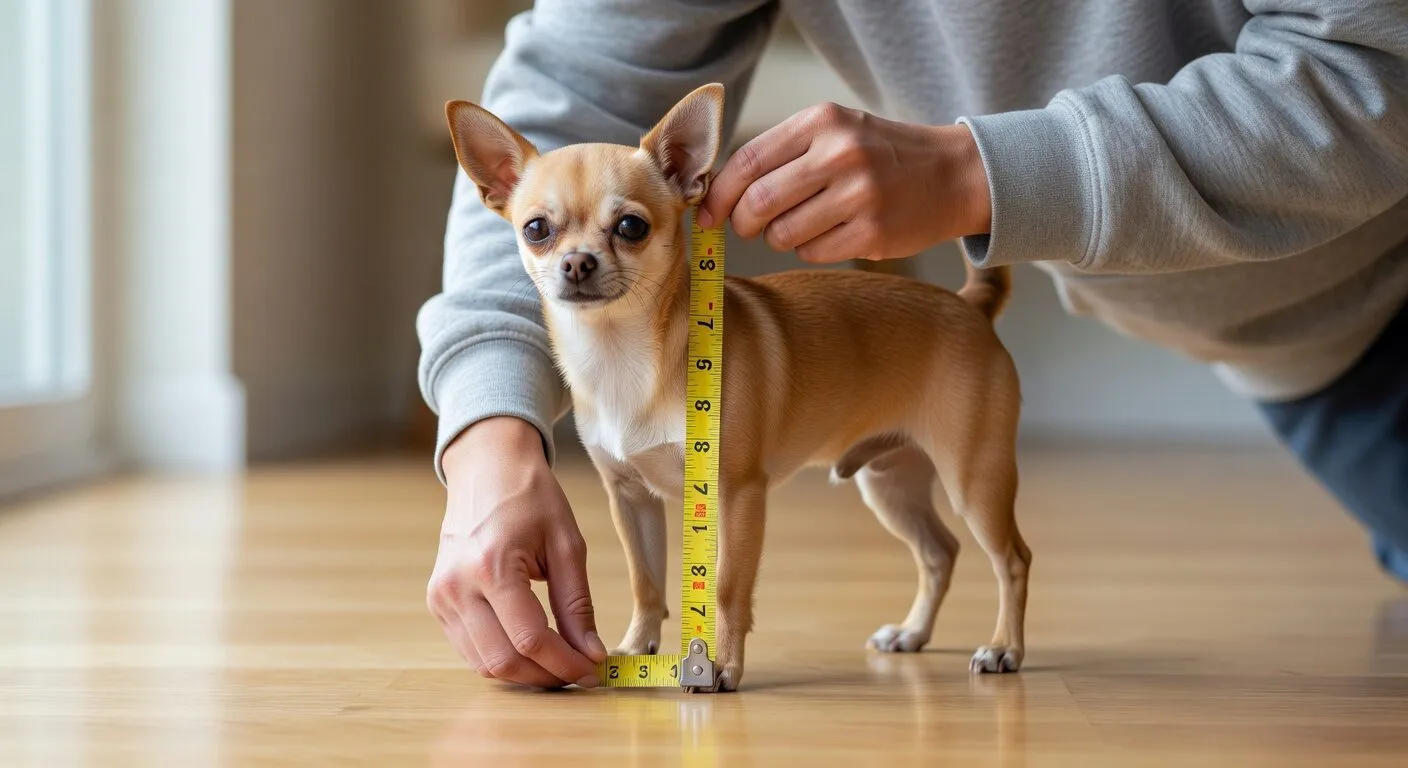
At 4 weeks, expect about 7 ounces to 1.5 pounds. At 8 weeks, around 11 ounces to 2 pounds. At 3 months, roughly 1.5 to 3 pounds. At 6 months, roughly 2.5 to 4.5 pounds. And at 12 months, your Chi should be at or very near their adult weight of 2 to 6 pounds.
Keeping Your Chihuahua at a Healthy Weight
Once your Chihuahua is fully grown, maintaining a healthy weight becomes the priority. These little chihuahuas gain weight easily because it does not take many extra calories to add an ounce on a 5 pound dog. I keep treats small and measure food portions carefully rather than free feeding.
You should be able to feel your Chihuahua’s ribs without pressing hard, but they should not be visibly sticking out. If you run your hands along their sides and cannot find the ribs at all, it might be time to cut back on portions. The PetMD provides detailed guidance on health considerations for small breeds.
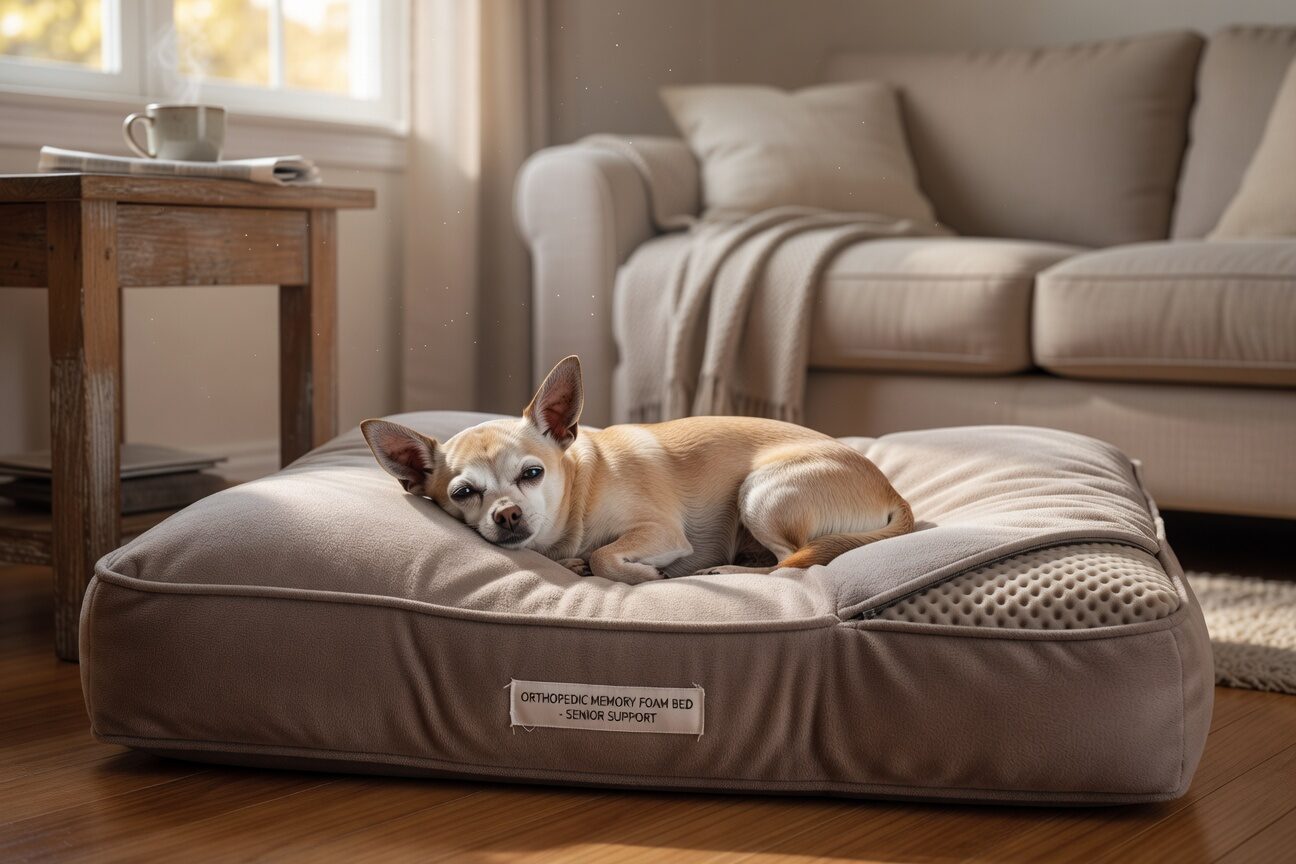
If you are ever unsure about your Chihuahua’s growth or weight, talk to your vet. They can assess body condition much better than any chihuahua size chart can. A chart is a great starting point, but your vet knows your specific dog best.
What to Expect During the Puppy Growth Spurt Phase
Chihuahua puppies go through growth spurts that can catch new owners off guard if they do not know what to look for. Between eight and twelve weeks, your chihuahua puppy is going to seem like they are growing almost visibly from day to day, and their appetite may increase dramatically to fuel that growth. I remember my chihuahua going through a phase around ten weeks where she was eating nearly double what she had been consuming just a week earlier. I was concerned that I was overfeeding her until my vet explained that puppies in active growth phases need the extra calories and that restricting food during a growth spurt can actually cause developmental problems in small breeds. The tricky part is that chihuahua growth is not linear. They do not just steadily add weight week after week in a predictable pattern. Instead, they tend to grow in bursts followed by plateau periods where it seems like nothing is changing. During those plateaus, some owners panic and start increasing food portions unnecessarily, which can lead to an overweight puppy. The best approach I found was to weigh my chihuahua weekly on a kitchen scale, which is accurate enough for a dog that weighs under five pounds, and track the numbers on a simple chart. That way I could see the overall trend even during the flat periods and I could adjust portions based on actual data rather than my own anxiety about whether she was growing properly.
The Difference Between Healthy Weight and Overweight in Chihuahuas
This is a topic that I feel strongly about because I see overweight chihuahuas constantly and their owners often do not realize there is a problem. When you live with a chihuahua every day, the weight gain can be so gradual that you do not notice it until your vet mentions it at a checkup, and by then the dog might be carrying an extra pound or more which on a five pound frame is a twenty percent increase in body weight. Imagine carrying twenty percent of your own weight in extra fat. It would affect everything, your joints, your energy, your breathing, your heart. It is the same for chihuahuas, except the consequences hit even harder because their small frames are not built to carry excess weight. I check my chihuahuas’ body condition regularly by running my hands along their ribs. You should be able to feel the ribs easily without pressing hard, with a thin layer of covering over them. If you cannot feel them at all without significant pressure, your chihuahua is overweight. From above, your chihuahua should have a visible waist, a narrowing behind the ribs before the hips. From the side, the belly should tuck up rather than hanging level with or below the chest. I know it is tempting to give your chihuahua extra treats because they are so small and cute and they look at you with those enormous eyes. But every extra treat on a chihuahua’s frame matters more than it would on a larger dog, and the long term health consequences of obesity in chihuahuas include heart disease, joint problems, tracheal collapse complications, and a shortened lifespan.
When Your Chihuahua Stops Growing and What Comes Next
Most chihuahuas reach their full adult size somewhere between ten and twelve months of age, though some do not fill out completely until they are closer to eighteen months. There is a difference between reaching full height and reaching full mature weight, and understanding that distinction saved me a lot of unnecessary worry with my own dogs. My chihuahua reached her full height at around nine months but continued to fill out, gaining muscle tone and a bit more substance, until she was about fourteen months old. Once your chihuahua is fully grown, the focus shifts from growth monitoring to weight maintenance, and this is where a lot of owners run into trouble. The amount of food that was appropriate for a growing puppy is too much for an adult chihuahua who has stopped growing, and if you do not reduce portions accordingly, weight gain is almost inevitable. I made this mistake with my first chihuahua and did not adjust her food until she had already gained enough extra weight that the vet mentioned it. The transition from puppy food to adult food is also important and should happen gradually over a period of about a week, mixing increasing amounts of adult food with decreasing amounts of puppy food to avoid digestive upset. Your chihuahua’s metabolism will slow as they mature, and their exercise needs may change too, so staying in regular communication with your vet about nutrition and weight during this transition period is one of the smartest things you can do for your dog’s long term health.
For more detailed guidance on this topic, the American Kennel Club offers excellent resources backed by veterinary professionals.
You Might Also Enjoy
I have been through this with my own chihuahua. It is one of those things that looks simple on paper but gets complicated fast when you are actually dealing with a four-pound dog who has opinions about everything.
The truth about chihuahua size chart is that there is no single right answer. What works for one chihuahua might be completely wrong for another. Mine took weeks to adjust. Some dogs figure it out in days. The size of your chihuahua matters. Their age matters. Their personality matters most of all. You might also find Safe Vegetables for Chihuahuas: What They Can and Cannot Eat worth reading.
Here is what I wish someone had told me earlier. Start small. Do not try to change everything at once. Chihuahuas are stubborn but they are also sensitive. Push too hard and they shut down. Go too slow and nothing changes. The sweet spot is somewhere in the middle and you have to find it yourself.
I talked to other chihuahua owners about chihuahua size chart and heard the same thing over and over. Patience. Consistency. And a willingness to look a little silly in public because chihuahuas do not care about your dignity.
If you are just getting started with chihuahua size chart, give yourself grace. You will make mistakes. Your chihuahua will make more of them. That is the whole process. And honestly, once you get through the hard part, it is worth it.
What are the most common health issues in chihuahuas?
Dental disease, luxating patellas, hypoglycemia, tracheal collapse, and heart murmurs are the most frequent. Regular veterinary checkups catch most conditions early when they are easiest to manage.
How often should a chihuahua see the vet?
Annual checkups for adults, bi-annual for seniors over eight years old. Puppies need visits every three to four weeks until their vaccination series is complete at around 16 weeks.
When should I worry about my chihuahua's health?
Seek veterinary care for lethargy lasting more than 24 hours, refusal to eat for two or more meals, difficulty breathing, persistent vomiting or diarrhea, and any sudden behavior change. With small dogs, early intervention is always safer than waiting.
What should I know about chihuahua growth stages?
Understanding chihuahua growth stages requires attention to breed-specific needs. Chihuahuas are small dogs with unique health, behavioral, and care requirements. Consulting your veterinarian and learning from experienced owners provides the most reliable guidance for your specific situation.