
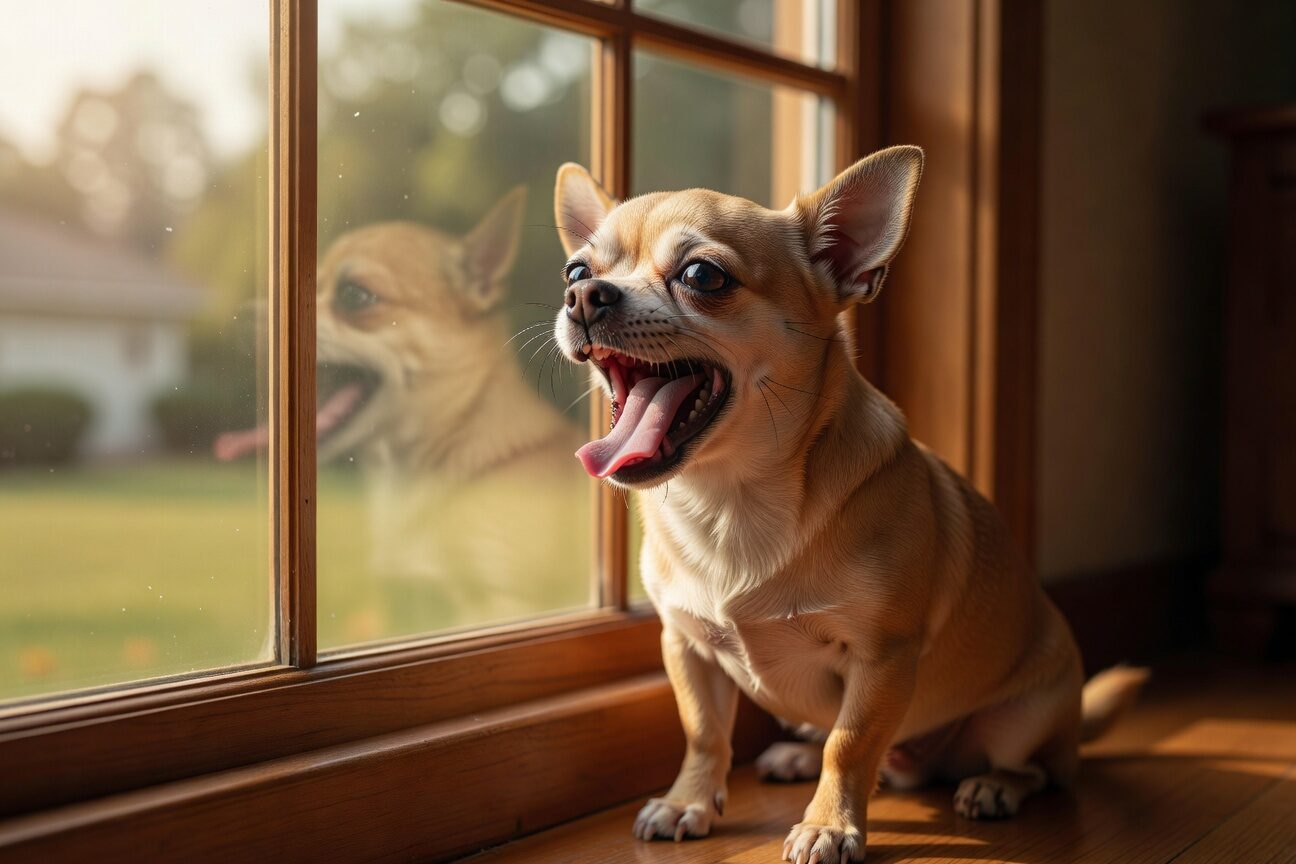

Last July I watched my chihuahua Scout spend an entire afternoon relocating from one tile floor spot to another. Understanding how to cooling beds for chihuahuas starts with what actually happens in real life. She would lie down, splay out like a tiny furry starfish, stay for ten minutes, then get up and move to a different tile. She was searching for cold spots. Every time her body heat warmed the tile beneath her, she needed fresh cold surface.
I thought it was funny until I thought about it. My dog was overheating and her only coping strategy was pressing herself against whatever surface would absorb heat fastest. That is not comfort. That is survival mode for a three-pound animal in a house where the AC was already set to 72 degrees.
That is when I bought her first cooling bed. I wish I had done it two summers earlier.
Related: common Chihuahua health issues.
Chihuahua Cooling Bed Summer: Why Chihuahuas Overheat More Than You Think
This seems counterintuitive. Chihuahuas are tiny. They have less body to heat up. They should be fine in warm weather, right? Wrong. Small dogs have a higher surface-area-to-body-mass ratio than large dogs. This means they absorb ambient heat proportionally faster and have fewer internal resources to cool themselves down.
Chihuahuas also have limited panting capacity compared to breeds with longer muzzles. Panting is a dog’,s primary cooling mechanism –, air moves over the moist surfaces of the tongue and airways, causing evaporative cooling. Short-muzzled dogs, including many chihuahuas, cannot move air as efficiently. They work harder to cool down and succeed less.
Long-haired chihuahuas have the additional challenge of insulation. That beautiful coat that keeps them warm in winter traps heat in summer. Even short-haired chihuahuas can struggle in temperatures above 80 degrees, especially if they are active, elderly, or carrying extra weight.
The signs of overheating in a chihuahua are subtle at first. Heavy panting. Excessive drooling. Lethargy. Red or dark gums. If it progresses to heat stroke –, vomiting, staggering, collapse –, you are in emergency territory. Prevention is easier than treatment, and a cooling bed is one of the simplest preventive tools available.
How Cooling Beds Actually Work
There are three main types of cooling beds for dogs, and knowing the differences matters when you are shopping for a chihuahua.

Pressure-activated gel beds contain a gel that absorbs and disperses body heat when your dog lies on them. No water, no electricity, no refrigeration required. The gel naturally recharges when the dog gets up, returning to a cool temperature within about twenty minutes. These are the most popular option and the one I use for Scout. She can lie on it inside or outside, and I can toss it in the car for road trips.
Water-filled cooling beds work like miniature waterbeds. The water absorbs heat from the dog’,s body. These tend to stay cool longer than gel pads but are heavier, less portable, and carry the risk of puncture from tiny chihuahua nails. Some dogs also dislike the waterbed sensation, which is less of a problem for a dog who weighs four pounds and barely makes a dent.
improved mesh beds are the simplest design. They lift the dog off the ground on a fabric mesh stretched across a frame, allowing air to circulate underneath. These do not actively cool, but the airflow underneath provides significant passive temperature reduction. They work well outdoors on patios and porches where the ground itself retains heat.
What I Wish I Knew Earlier
Thickness matters for gel beds. Thinner pads cool faster but for shorter durations. Thicker pads take longer to activate but maintain temperature better. For chihuahuas, a medium-thickness pad is the sweet spot –, it activates quickly under their light body weight and stays cool long enough to be useful.
Durability matters because chihuahuas who dig or scratch at their bedding before lying down can puncture thin materials. Look for puncture-resistant outer layers. Some gel beds are marketed as scratch-proof, which is aspirational at best, but higher-quality products do resist damage better than budget options.
Beyond the Bed: Other Ways to Keep Your Chihuahua Cool
A cooling bed is one tool. It works best as part of a broader summer strategy for your chihuahua.
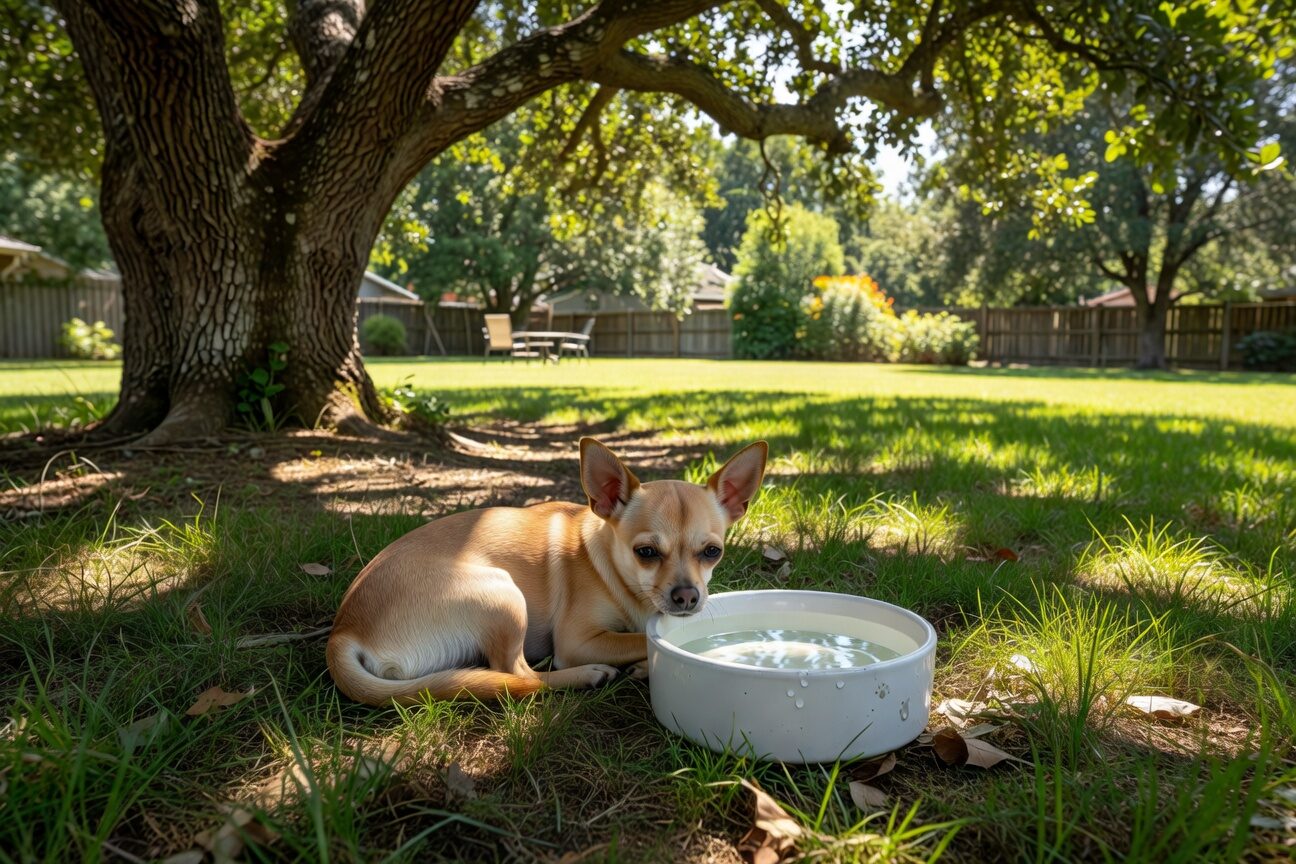
Fresh cool water available at all times. Not cold –, cool. Ice water can cause stomach cramping. Change the water frequently in hot weather because standing water warms to room temperature quickly. com/seven-warning-signs-your-chihuahua-is-hiding-an-illness/” title=”Seven Warning Signs Your Chihuahua Is”>Seven Warning Signs Your Chihuahua Is.
Shade. If your chihuahua spends time outdoors, adequate shade is not negotiable. Direct sunlight on a small dog’,s body raises core temperature dangerously fast. Provide covered areas with good airflow.
Walk scheduling. Walk your chihuahua early morning or after sunset during summer. Midday and afternoon walks on hot pavement can burn tiny paw pads and expose your dog to peak heat. Touch the pavement with the back of your hand –, if you cannot hold it there for five seconds, it is too hot for your chihuahua’,s feet.
Frozen treats. Frozen blueberries, frozen banana slices, or frozen broth cubes are safe cooling snacks that most chihuahuas enjoy. They provide hydration and temperature regulation in one small package.
Year-Round Benefits for Joint Health
Cooling beds are marketed for summer, but they have therapeutic benefits year-round. The pressure-activated gel provides a supportive surface that relieves pressure on joints and hips. For chihuahuas with arthritis, hip dysplasia, or the joint issues common in toy breeds, a cooling gel bed can reduce inflammation and provide comfort that a standard dog bed cannot.
Older chihuahuas who have difficulty regulating body temperature –, running hot one hour and cold the next –, often gravitate to cooling beds because they provide a neutral temperature surface rather than an actively warm one. Scout uses her cooling bed year-round now, even in winter. It is her preferred sleeping spot regardless of the temperature outside.
How I Knew My Chihuahua Needed One
The summer my chihuahua turned three was the summer I realized that air conditioning alone was not enough. I kept the house at seventy-two degrees, which felt perfectly comfortable to me, but she was still seeking out the coolest surfaces she could find. She would press her belly against the bathroom tile floor for hours. She would lie directly in front of the floor vent when the AC cycled on. She would dig at her regular bed, rearranging the filling as if trying to find a cooler layer underneath. These were all signs that she was uncomfortably warm, even in what I considered a cool house.
Chihuahuas have a complicated relationship with temperature. Everyone knows they get cold easily, which is why the sweater and blanket industry for chihuahuas is booming. But fewer people realize that chihuahuas can also overheat, especially the ones with thicker coats, the ones carrying extra weight, and the older ones whose bodies are less efficient at temperature regulation. My chihuahua falls into the thick coat category, and once I started paying attention to her heat-seeking behavior in reverse, I realized she needed a dedicated cooling solution that went beyond just keeping the air conditioning running all summer.
For more detailed guidance on this topic, the PetMD offers excellent resources backed by veterinary professionals.
What to Look for When Choosing a Cooling Bed
Not all cooling beds are created equal, and I learned this after buying two that were neededly useless before finding one that actually worked. The first one I purchased was a gel-filled mat that claimed to cool on contact without any refrigeration or electricity. It worked for about ten minutes and then warmed to body temperature and became just a regular mat with a slimy feel. The second was a raised mesh cot that allowed air circulation underneath, which was better in theory but my chihuahua refused to get on it because the surface was unstable and she did not trust it.
The cooling bed that finally worked for us was a combination design with a pressure-activated gel core inside a soft, padded cover. The gel activates when the dog lies on it and stays several degrees below body temperature for about three hours before needing a twenty-minute break to recharge. The padded cover was key because it gave my chihuahua the cozy, nest-like feel she wanted while still delivering the cooling benefit underneath. If you are shopping for a cooling bed for your chihuahua, prioritize one that feels like a real bed first and a cooling device second, because chihuahuas are particular about comfort and will not use something that does not feel right, no matter how perfectly engineered it is.
Yes. Despite their origins in hot climates, chihuahuas can overheat because of their small body mass and some have breathing challenges from short muzzles. Signs of overheating include heavy panting, drooling, red gums, stumbling, and lethargy. Move them to a cool area and offer water immediately.
Outdoor temperatures above 85 degrees Fahrenheit can be dangerous for chihuahuas, especially with high humidity. Pavement can burn their paw pads at even lower air temperatures. Test the ground with the back of your hand. If it is too hot for your skin, it is too hot for their paws.
Gel-based and water-based cooling beds are generally safe for chihuahuas. Choose a chew-resistant model because some contain gel that could be harmful if ingested. Elevated mesh cot-style beds are the safest option. They allow air circulation underneath without any gel or water risk.
Provide shade and fresh water at all times. Walk in the early morning or evening when pavement is cool. Freeze treats and use cooling mats indoors. Keep the AC or a fan running. Frozen damp washcloths make quick cool-down tools. Never leave a chihuahua in a parked car, not even for two minutes.
Do not shave a chihuahua. Their coat actually provides insulation from both heat and cold. Shaving removes this protection and exposes their skin to sunburn. Regular brushing removes dead undercoat and helps air circulate. A light trim of longer-haired chihuahuas is fine but avoid cutting to the skin.
Do chihuahuas overheat easily?
Yes. Despite their origins in hot climates, chihuahuas can overheat because of their small body mass and some have breathing challenges from short muzzles. Signs of overheating include heavy panting, drooling, red gums, stumbling, and lethargy. Move them to a cool area and offer water immediately.
What temperature is too hot for a chihuahua?
Outdoor temperatures above 85 degrees Fahrenheit can be dangerous for chihuahuas, especially with high humidity. Pavement can burn their paw pads at even lower air temperatures. Test the ground with the back of your hand. If it is too hot for your skin, it is too hot for their paws.
Are cooling beds safe for chihuahuas?
Gel-based and water-based cooling beds are generally safe for chihuahuas. Choose a chew-resistant model because some contain gel that could be harmful if ingested. Elevated mesh cot-style beds are the safest option. They allow air circulation underneath without any gel or water risk.
How do I keep my chihuahua cool in summer?
Provide shade and fresh water at all times. Walk in the early morning or evening when pavement is cool. Freeze treats and use cooling mats indoors. Keep the AC or a fan running. Frozen damp washcloths make quick cool-down tools. Never leave a chihuahua in a parked car, not even for two minutes.
Can I shave my chihuahua to keep them cool?
Do not shave a chihuahua. Their coat actually provides insulation from both heat and cold. Shaving removes this protection and exposes their skin to sunburn. Regular brushing removes dead undercoat and helps air circulate. A light trim of longer-haired chihuahuas is fine but avoid cutting to the skin.