

When the Water Bowl Keeps Emptying
I noticed it over a weekend. My chihuahua, Tater, was drinking more water than usual. Not a little more. A lot more. The water bowl that normally lasted all day was empty by noon. Then he started asking to go outside every hour. Then the accidents started. Tater had been housetrained for eight years without a single incident.
Something was wrong. The vet confirmed it on Monday. Type 2 diabetes. For more detail, see the AKC Chihuahua breed health guide. For more detail, see the PetMD dog behavior resources.
Tater was eleven. Slightly overweight from years of my mother sneaking him cheese. Otherwise healthy, or so I thought. Diabetes in chihuahuas is more common than most owners realize, and it creeps in quietly.
Related: Chihuahua body language.
What Diabetes Actually Does
Diabetes in dogs works similarly to diabetes in humans. The pancreas either does not produce enough insulin or the body cannot use the insulin it produces effectively. Without functioning insulin, glucose from food stays in the bloodstream instead of entering cells for energy. Blood sugar climbs. The body starts breaking down fat and muscle for fuel. The kidneys try to flush the excess glucose out through urine, which is why the dog drinks so much water.
Left unmanaged, diabetes leads to cataracts, kidney damage, nerve damage, and eventually life-threatening complications. Managed properly, a diabetic chihuahua can live comfortably for years.
Increased urination. Direct consequence of the increased water intake, but also because the kidneys are working overtime to process excess glucose.
Increased appetite combined with weight loss. This one is confusing. Your dog is eating more but getting thinner. The calories are going in but the cells are not absorbing the energy.
Lethargy. Your normally active chihuahua seems tired. Slow to get up. Uninterested in walks or play.
Cloudy eyes. Diabetic cataracts can develop rapidly in dogs. If your chi’s eyes suddenly look hazy, get to the vet immediately.
Who Is At Risk
Age is the biggest factor. Diabetes most commonly appears in middle-aged to senior dogs, typically between seven and twelve years old. Chihuahuas live long, often 15 to 20 years. That means a significant portion of their life falls within the risWeight matters. Overweight chihuahuas are significantly more likely to develop insulin resistance. And chihuahuas gain weight easily because their caloric needs are so low. An extra ounce of cheese a day over a year adds up fast on a five-pound body. should consider.
Diet plays a direct role. Dogs fed high-sugar, high-fat diets with lots of table scraps are at higher risk. Those grocery store treats loaded with corn syrup and artificial flavoring are not doing your chihuahua any favors. com/the-chihuahua-who-chased-a-coyote-out-of-a-backyard-and-became-a-neighborhood-legend/” title=”The Chihuahua Who Chased a Coyote Out of a Backyard”>The Chihuahua Who Chased a Coyote Out of a Backyard.
Managing a Diabetic Chihuahua
When the vet told me Tater needed insulin injections twice a day, I nearly passed out. Me. Not Tater. He was fine. I was the one who was terrified of needles. com/home-remedies-for-chihuahuas-bad-breath/” title=”Home Remedies for Chihuahuas Bad Breath”>Home Remedies for Chihuahuas Bad Breath.
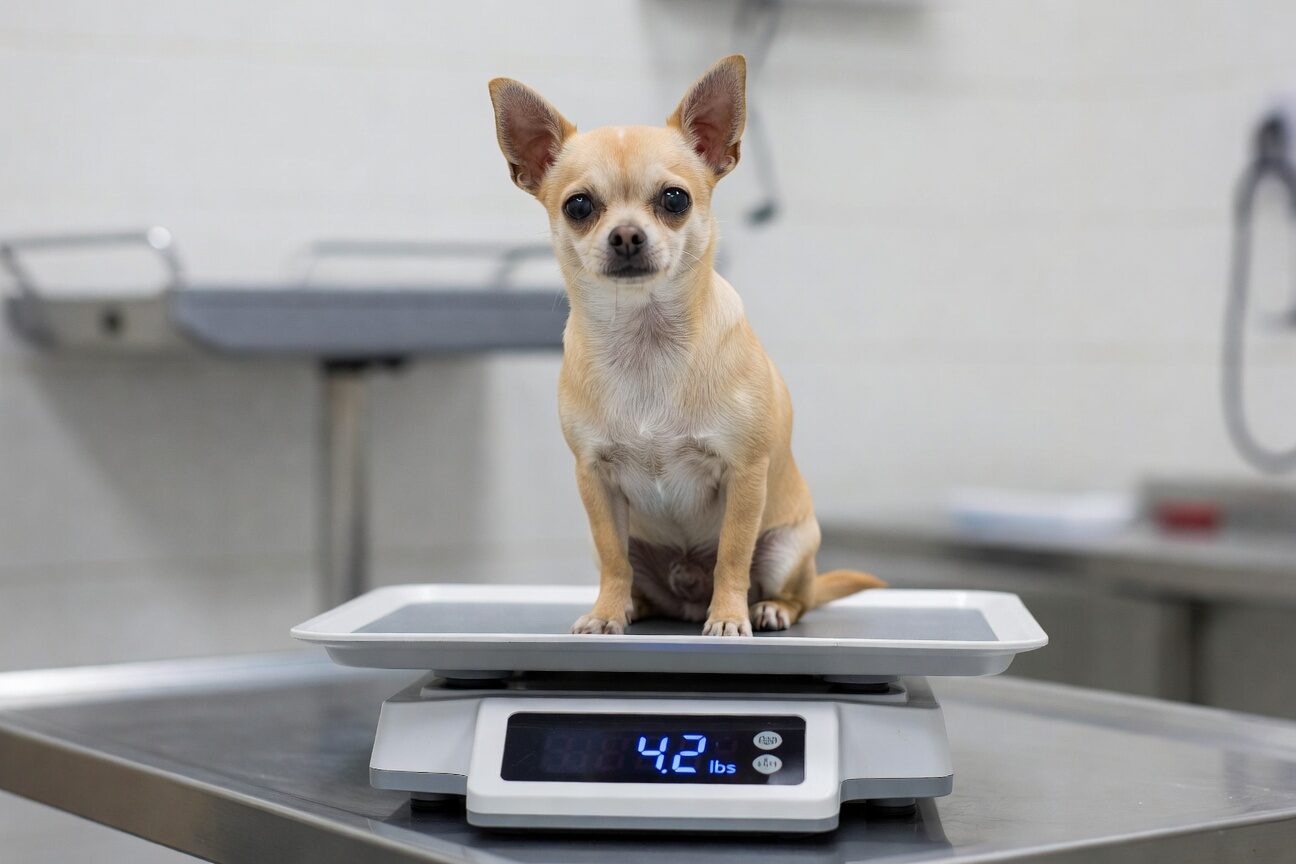
The needles are tiny. Insulin needles for small dogs are so thin that most chihuahuas barely react. Tater stopped flinching after the third day. I stopped shaking after about a week. You adjust. You both do.
Diet modification is the other pillar. High fiber, low fat, low sugar. No more table scraps. Consistent feeding times paired with insulin administration. The goal is to keep blood sugar as steady as possible throughout the day.
Exercise helps. Regular, moderate activity improves insulin utilization. A daily walk at the same time helps regulate glucose levels. Nothing extreme. Just consistent movement.
The Water Bowl Question
When Tater was drinking excessively and having accidents, my first instinct was to limit his water. It seemed logical. Less water in, fewer accidents.
Do not do this. A diabetic dog drinks excessively because their body is trying to flush excess glucose through the kidneys. Restricting water means the glucose stays, the kidneys cannot do their job, and you accelerate organ damage. Keep the water bowl full. Deal with the accidents. Address the underlying problem through proper veterinary care.
Prevention
Keep your chihuahua at a healthy weight. That is the single most impactful thing you can do. Know what a healthy weight looks like for your specific chi. You should be able to feel their ribs without pressing hard. They should have a visible waist when viewed from above.
Feed quality food. Avoid the bargain bin brands loaded with sugar and fillers. Choose a food designed for small breeds with balanced nutrition.
Annual vet checkups with bloodwork for any chihuahua over seven. Catching diabetes early means easier management and better outcomes.
Living Well With Diabetes
Tater lived three more good years after his diagnosis. Not three years of decline. Three years of walks, couch time, barking at the mailman, and stealing socks from the laundry basket. The insulin became routine. The diet became normal. The health challenges that come with chihuahua ownership became manageable.
A diabetes diagnosis is not a death sentence. It is a management plan. And for a chihuahua who has already given you years of loyalty, managing their health is the least you can do in return.
The Emotional Side of Insulin Management
Nobody warns you about the guilt. The first time I had to give Tater an insulin injection, my hands were shaking worse than his. He looked up at me with those big brown eyes and I almost could not do it. The vet showed me how to pinch the skin between his shoulder blades and slide the needle in at a forty-five degree angle, but knowing the technique and actually doing it to your own dog are two completely different things.
It took about two weeks before the injections stopped making me feel like a terrible person. Tater adjusted faster than I did. By the end of the first week, he would actually come to me at injection time because he knew a treat was coming right after. Dogs are remarkably practical about these things. They do not hold grudges about needles if a piece of chicken follows. The emotional weight falls entirely on the owner, and I wish more vets would acknowledge that upfront. Managing your chihuahua diabetes is as much about managing your own anxiety as it is about managing their blood sugar levels.
I also want to mention the cost factor because nobody talks about it openly. Managing chihuahua diabetes is not cheap. The insulin, the syringes, the prescription food, the glucose monitoring supplies, and the more frequent vet visits add up quickly. In the first year after Tater was diagnosed, I spent roughly three times what I normally would on veterinary care. I started setting aside a small amount each month specifically for his medical expenses, and I wish I had started that fund years before the diagnosis. Pet insurance would have helped too, but by the time Tater was diagnosed, he was too old for most policies to cover a pre-existing condition. If you have a young chihuahua, getting insurance early is one of the smartest financial decisions you can make. You hope you never need it, but if diabetes or any other chronic condition shows up, you will be incredibly grateful it is there.
The earliest signs include increased thirst, frequent urination, weight loss despite normal or increased appetite, and lethargy. Some chihuahuas also develop cloudy eyes or urinary tract infections. If your chihuahua is drinking noticeably more water than usual, schedule a vet visit for blood work.
Mild cases caught early may respond to dietary changes and weight management alone. However, most diabetic chihuahuas eventually require insulin injections. Your vet will determine the right approach based on blood glucose levels and how the disease progresses.
Chihuahuas are not the highest-risk breed, but they are susceptible, especially if overweight or over seven years old. Unspayed females have a higher risk due to hormonal fluctuations. Maintaining a healthy weight and regular vet checkups are the best preventive measures.
What are the first signs of diabetes in chihuahuas?
The earliest signs include increased thirst, frequent urination, weight loss despite normal or increased appetite, and lethargy. Some chihuahuas also develop cloudy eyes or urinary tract infections. If your chihuahua is drinking noticeably more water than usual, schedule a vet visit for blood work.
Can chihuahua diabetes be managed without insulin?
Mild cases caught early may respond to dietary changes and weight management alone. However, most diabetic chihuahuas eventually require insulin injections. Your vet will determine the right approach based on blood glucose levels and how the disease progresses.
Are chihuahuas prone to diabetes?
Chihuahuas are not the highest-risk breed, but they are susceptible, especially if overweight or over seven years old. Unspayed females have a higher risk due to hormonal fluctuations. Maintaining a healthy weight and regular vet checkups are the best preventive measures.