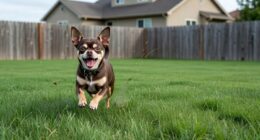
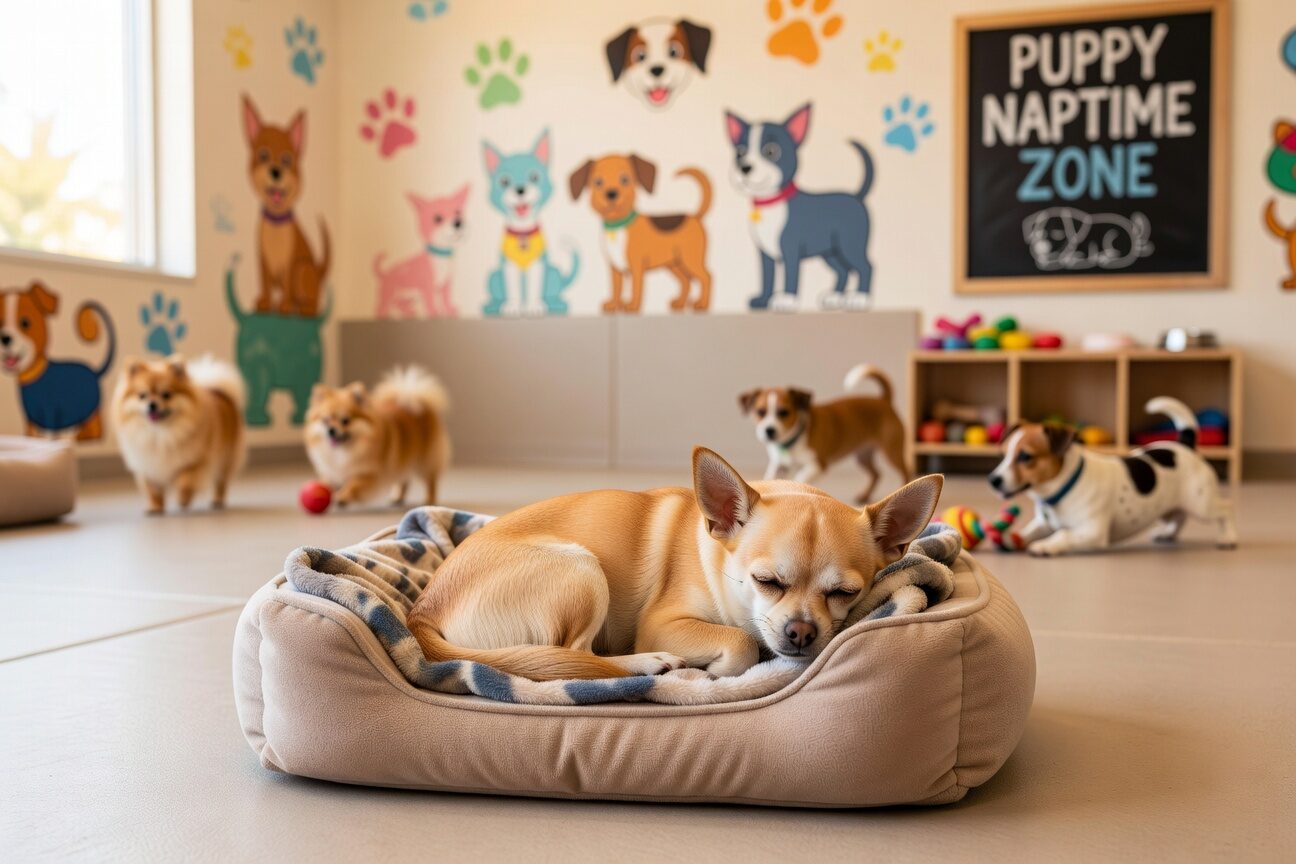

The brochure showed dogs playing happily in an open room. Fetch. Tug-of-war. Group nap time on colorful mats. It looked like dog preschool, and it seemed like the perfect solution for my twelve-hour work days. My chihuahua, Pickles, was going to love chihuahua doggie daycare.
Pickles lasted exactly three hours before I got the call. She had not played with anyone. She had spent the entire time hiding under a bench, shaking. When a large dog tried to sniff her, she snapped. The staff gently suggested that daycare might not be the right fit.
They were right. But not because Pickles is broken. Because chihuahuas and standard daycare environments are often a terrible match, and nobody warns you about that before you sign up.
Why Most Daycares Are Wrong for Chihuahuas
Standard daycare facilities mix dogs of all sizes in one play area. Some separate by size. Many do not. A chihuahua in a room full of energetic forty-pound dogs is not socializing — they are surviving. One accidental body slam from a Labrador and your chihuahua has a broken rib.
The noise level in a typical chihuahua doggie daycare environment is intense. Barking echoes off concrete walls. Dogs run and crash into things. For a chihuahua with sensitive hearing and an already heightened startle response, this is not enriching — it is overwhelming. The AKC recommends visiting any facility before enrolling and paying close attention to how they handle size differences between dogs.
Group dynamics can also teach lessons you do not want your chihuahua to learn. Dogs learn from other dogs. A chihuahua who watches bigger dogs play rough may develop fear. Or they may learn that aggression is how you hold your own. Neither outcome is what you signed up for.
What a Good Chihuahua Doggie Daycare Actually Looks Like
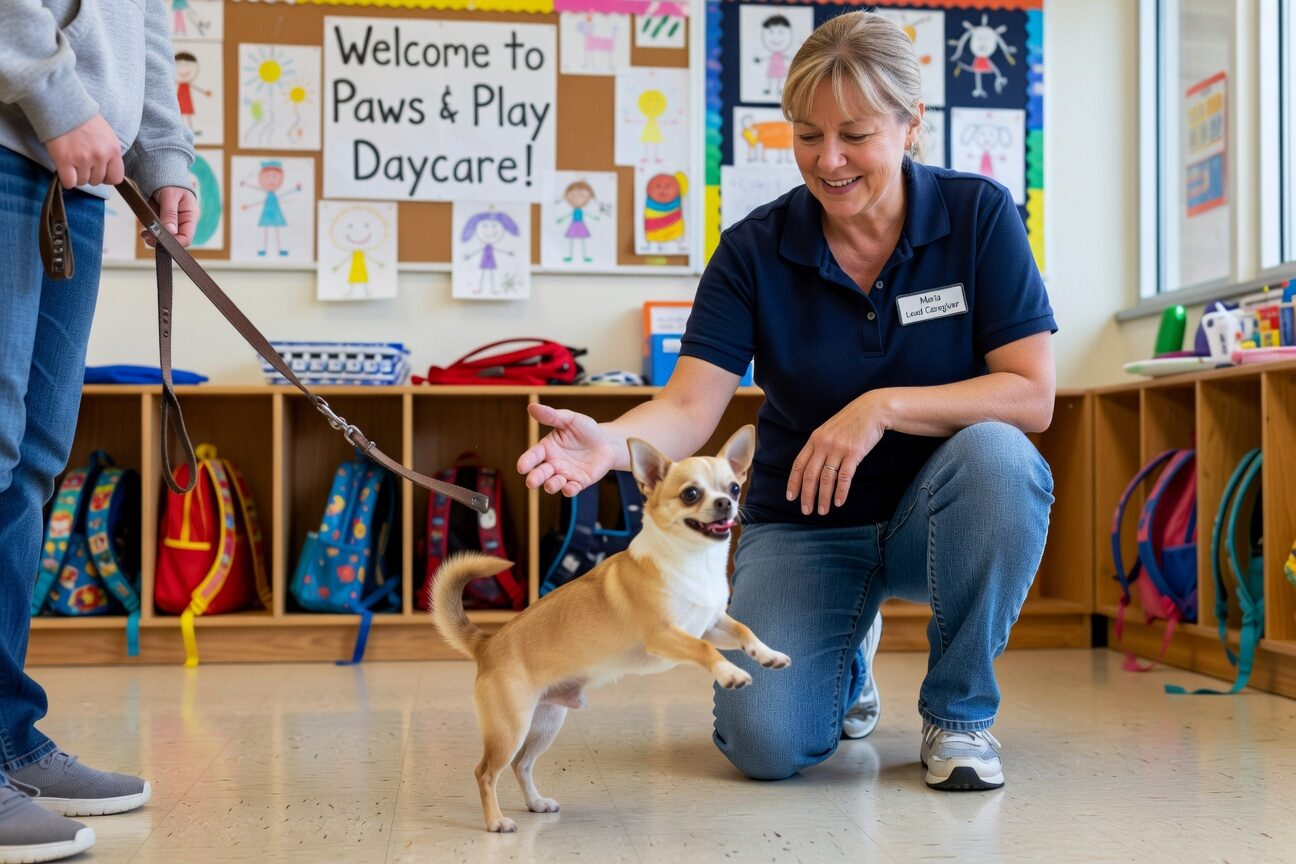
Ask for a tour. If they say no, leave. Any facility that will not let you see where your dog spends the day has something to hide.
Watch the staff-to-dog ratio. One staff member per ten to fifteen dogs is standard for large breeds. For a small-dog room, you want better — one to six is ideal. Chihuahuas need handlers who are watching closely, because conflicts between tiny dogs escalate fast and the margin for injury is razor thin.
Ask how they handle conflicts between dogs. A good facility separates immediately, assesses, and does not return a stressed dog to the group. A bad facility shrugs it off as “dogs being dogs.” That attitude gets chihuahuas hurt.
Vaccination requirements should be strict. Every dog in the facility should be current on rabies, distemper, bordetella, and canine influenza. No exceptions. Your chihuahua’s immune system is not something to gamble with. The ASPCA’s dog care guide covers the baseline vaccinations every facility should require.
How Often Should a Chihuahua Attend Daycare
Even if your chihuahua genuinely likes daycare, daily attendance is probably too much. Two to three times per week gives your chi socialization and stimulation while still allowing rest days at home.
Dogs who attend chihuahua doggie daycare every single day can develop an unhealthy reliance on constant stimulation. When they are home on a day off, they are restless and difficult. They have forgotten how to be calm alone — and that is the opposite of what you want.
Alternate daycare days with dog walker visits or quiet days at home. Chihuahuas prone to separation anxiety particularly need balance between socialization and downtime.
The Better Alternative for Most Chihuahuas
The Dog Walker Option
For many chihuahuas, a midday visit from a trusted dog walker is better than daycare. One-on-one attention. A walk on their own schedule. A bathroom break and some companionship without the chaos of a group environment.
This is what I ended up doing for Pickles. A dog walker comes at noon, takes her for a twenty-minute walk, refills her water, and spends a few minutes sitting with her on the couch. I come home from work to a calm, content chihuahua instead of a traumatized one. The cost is about the same as daycare — sometimes less — and Pickles is infinitely happier.
If your chihuahua enjoys being around other dogs but cannot handle the intensity of daycare, look into small playgroups. Some dog walkers and pet sitters organize groups of two to three compatible small dogs for supervised play dates. That is socialization without sensory overload, and for a lot of chihuahuas it hits the sweet spot between stimulation and safety.
Small Playgroups as a Middle Ground
Another option I discovered after the daycare disaster is organized small-dog playgroups. Some pet sitters and dog walkers in your area will arrange groups of two to four compatible small dogs for supervised play sessions in a home or fenced yard. The dogs get real socialization, but in a controlled environment where nobody weighs ten times more than your chihuahua. I found ours through a local chihuahua owner group, and Pickles actually enjoys it — which is saying something for a dog who made her feelings about traditional chihuahua doggie daycare very clear on day one.
The cost for these small playgroups is usually comparable to what you would pay for a dog walker visit, and some sitters offer package rates if you book weekly. PetMD’s daycare guide recommends starting with short trial sessions regardless of whether you choose a formal facility or an informal playgroup — good advice for any chihuahua trying something new.
Signs Daycare Is Working or Not Working for Your Chihuahua
A chihuahua who enjoys daycare will be tired but relaxed at pickup. They might sleep deeply that evening — that is healthy fatigue. Over the following days, they should maintain their normal appetite, personality, and comfort with you.
The red flags are equally clear. A chihuahua who comes home and hides, flinches, or suddenly starts barking more than usual is telling you something went wrong. Changes in eating patterns, reluctance to get in the car on daycare days, or unexplained marks are all signals that the environment is not right.
I pulled Pickles from her first daycare after two weeks because she was coming home overstimulated and reactive — barking more than usual and showing fear responses to sounds that had never bothered her before. Trust what your chihuahua is showing you. They cannot tell you in words that daycare is making them miserable, but their behavior will tell you everything.
Know Your Dog First
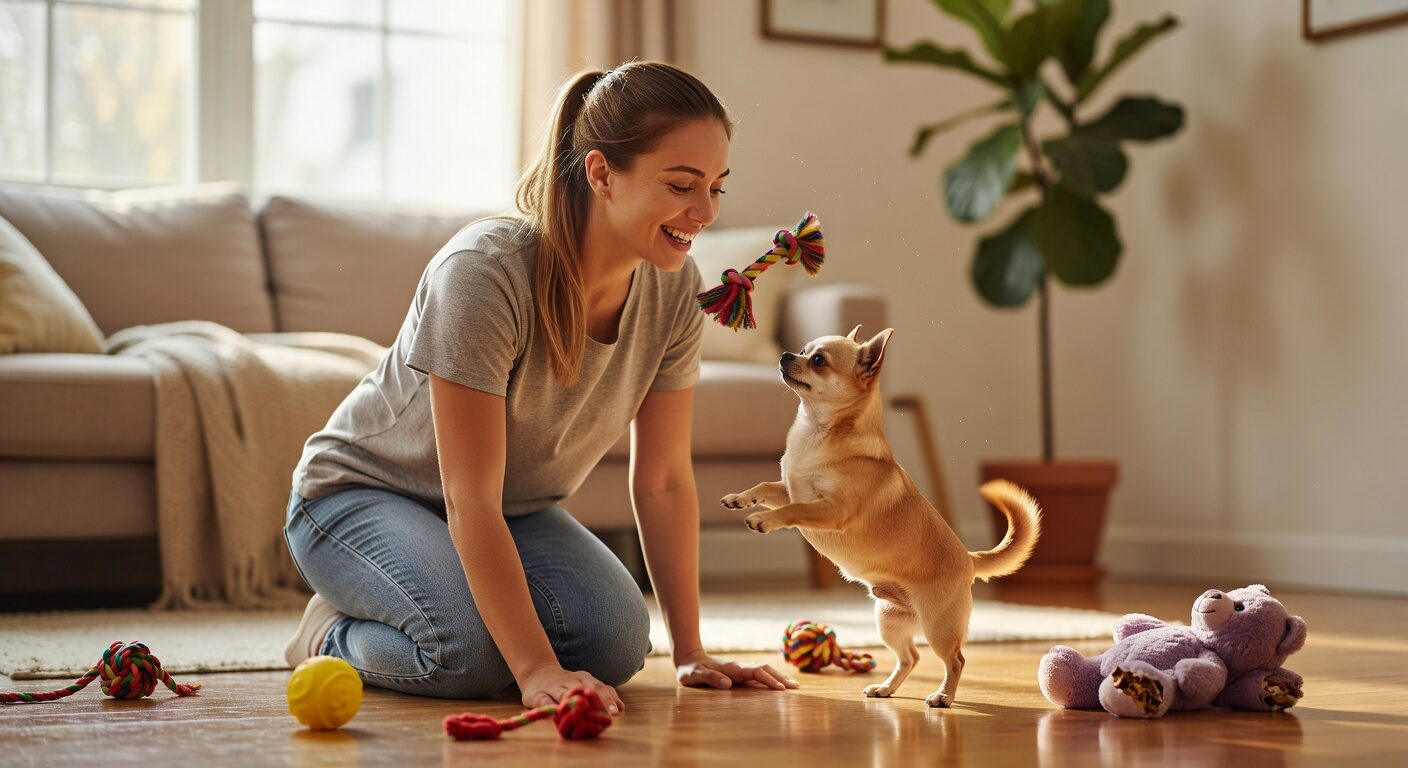
Some chihuahuas love daycare. Some hate it. Neither response is wrong. The key is being honest about which category your dog falls into and not forcing them into an environment that causes them stress because it is convenient for you.
Pickles is not a chihuahua doggie daycare dog. She is a one-on-one attention dog. A walk-at-noon dog. A couch potato who loves her routine and does not need twenty new friends. And that is perfectly fine.
There is no single right answer for chihuahua doggie daycare. There is only the right answer for your specific chihuahua — and the only way to find it is to watch them carefully, listen to what their behavior is telling you, and be willing to change course if what you are doing is not working. Pickles taught me that. She teaches me most things, actually.