
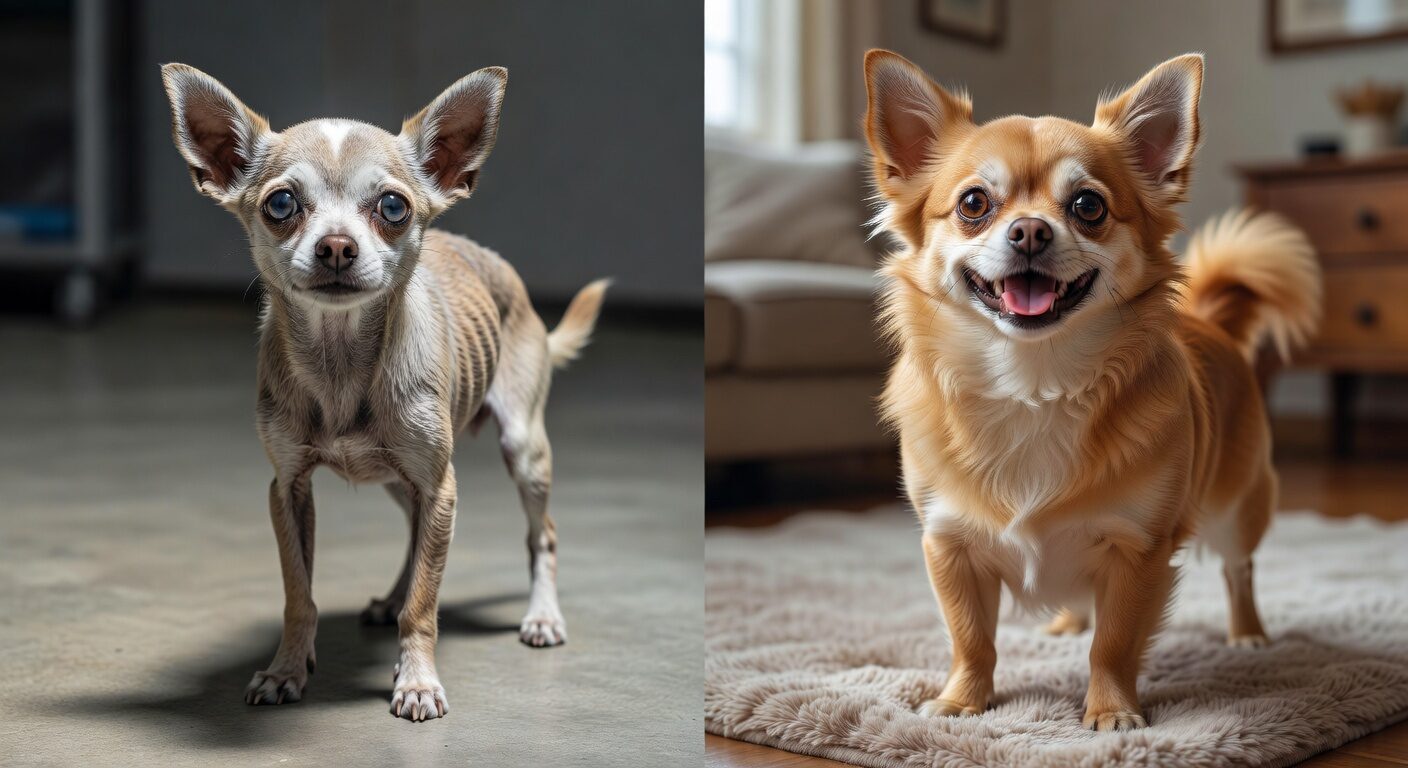

supporting chihuahuas changed my life in ways I never expected. Understanding how to fostering a chihuahua starts with what actually happens in real life. I started supporting chihuahuas thinking I would help a few chihuahuas find homes and that would be that. Instead, I discovered a passion that has stuck with me for years. If you have ever thought about supporting but were not sure where to start, let me walk you through what it is really like.
Fostering A Chihuahua: Why supporting Chihuahuas Matters So Much
Shelters are overcrowded across the country, and small breeds like Chihuahuas often get overlooked. When a support home takes in a Chi, it frees up a kennel space at the shelter for another animal in need. That one act creates a chain reaction of saved lives. For more detail, see the ASPCA adoptable dogs near you. For more detail, see the <a href="https://www.akc.org/dog-breeds/chihuahua/” target=”_blank” rel=”noopener noreferrer”>AKC Chihuahua breed health guide.
A Chihuahua who is scared and shut down in a noisy shelter kennel can become a completely different chihuahua after a few weeks in a loving support home. I have seen it happen over and over again. The shy, trembling chihuahua who cowered in the back of the kennel turns into a playful, affectionate companion once they feel safe in a real home. supporting chihuahuas taught me that every single one of them has a story worth hearing. That is the reality of supporting chihuahuas that nobody puts on the brochure.
Related: common Chihuahua health issues.
support homes also provide invaluable information about a chihuahua’,s true personality. Shelters are stressful environments. A support can tell potential adopters whether the chihuahua is good with cats, how they do with house training, and what their energy level is really like.
supporting chihuahuas is one of the most rewarding things I have ever done.
How to Sign Up as a support
Most rescue organizations have a support application on their website. You will fill out basic information about your home, your experience with chihuahuas, and what types of chihuahuas you can accommodate. Some groups do a home check, which is just a quick visit to make sure your space is safe for a small chihuahua. com/buy-or-adopt-chihuahua-honest-comparison/” title=”An Honest Look at Both Options”>An Honest Look at Both Options.


What I Wish I Knew Earlier
I learned the hard way that the first support can shake your confidence. You wonder if you are doing something wrong when the chihuahua will not come out from under the bed. But give it time. Most Chihuahuas start showing their real personality within the first week, and watching that transformation begin is rewarding in a way that is hard to describe. supporting chihuahuas means accepting that kind of uncertainty every single time.
Keep the environment calm during those early days. Limit visitors, keep the TV volume low, and let the chihuahua explore at their own pace.
The emotional side of supporting chihuahuas
Let me be honest with you. Letting go is hard. The first time I handed a support chihuahua over to their forever family, I cried in my car for twenty minutes. But then I went home, looked at the photos of that chihuahua when they first arrived versus how happy they were at adoption day, and I knew I did something meaningful.

Some people worry about getting too attached, and yes, it happens. That is actually what makes you a good support parent. You care. And caring means that chihuahua gets the best possible start before finding their permanent home. Your attachment is not a weakness. It is the whole point. You might also find What You Need to Know First worth reading.
Tips for Successful supporting
Keep a consistent routine with feeding times and walks. Take photos and write notes about the chihuahua’,s personality, quirks, and preferences because this information helps the rescue match them with the right adopter. Be patient with house training and do not expect perfection right away from a chihuahua whose world just changed. Anyone considering supporting chihuahuas should know that going in.
supporting chihuahuas is not always easy, and some chihuahuas come with challenges that test your patience. But it is always worth it. Every chihuahua you support is a life you helped save. And who knows, one of those supports might end up being the chihuahua you cannot let go of. That is called a support fail, and it is the best kind of failure there is.
What Rescue Organizations Actually Provide
I assumed supporting meant paying for everything. That kept me from signing up for two years. Then I actually called a rescue and they walked me through what they cover. Veterinary care. All of it. Vaccinations, spay and neuter, dental work, medications, emergency visits. The rescue pays because the chihuahua is technically still theirs until adoption day.
What I paid for was food. About twenty dollars a month for a chihuahua. Some rescues even provide food but I preferred choosing my own brand. I bought a small bed for fifteen dollars. A leash. A few toys. My total startup cost was maybe fifty dollars. Compare that to the first vet bill when you adopt outright which can easily hit three hundred.
The one cost nobody warns you about is emotional. You will fall in love with every single one. The first support I let go nearly broke me. By the fourth I learned how to love them completely while knowing they were leaving. It never gets easy. You just get better at carrying it. For more on this, take a look at Helping Your New Chihuahua Feel Safe.
How supporting Differs From support to Adopt
These are two completely different commitments and I wish someone had explained this before I started. Straight supporting means the chihuahua is temporary. Could be two weeks post surgery. Could be three months while the rescue finds a forever home. You know going in that this dog is leaving your house.
support to adopt is a trial run. You take the chihuahua home with the option to keep them permanently. If the fit works you sign adoption papers. If not the rescue places them elsewhere. No guilt. No judgment. I did support to adopt twice. Kept one. Let the other go to a family with kids and a yard because I knew that was the better life for her.
The advantage of support to adopt is obvious. You see if the chihuahua fits your actual life before committing to fifteen years. The advantage of straight supporting is volume. In two years I helped eleven chihuahuas find permanent homes. If I had adopted the first one that number would be one.
Success Stories That Keep Me Going
My third support was a nine year old chihuahua named Biscuit who had been surrendered because his owner moved into assisted living. He was shut down. Would not eat. Would not look at me. Just lay in his bed facing the wall for three days straight.
On day four he walked over to the couch where I was reading and put one paw on my knee. Just one paw. He stood there for a full minute deciding whether to trust me. Then he climbed up and fell asleep on my lap. Three weeks later a retired couple in their sixties adopted him. They send me photos every Christmas. He sleeps between them every night.
That is why I support. Not because it is easy. Because sometimes one paw on your knee changes everything for a chihuahua who thought nobody would ever want them again.
The First Night Home
Nobody prepared me for how awful the first night would be. My chihuahua cried for three straight hours. Not a whimper. A full, dramatic, heartbroken wail that made me feel like the worst person alive. I tried putting her crate in the bedroom. I tried a warm water bottle wrapped in a towel to simulate another body. I tried a ticking clock to mimic a heartbeat. Nothing worked until I finally gave up and put my hand against the crate door so she could press her nose against my fingers. She fell asleep within ten minutes.
That first night sets the tone for everything that follows. If you panic and bring the puppy into your bed immediately, you have established a precedent that will be almost impossible to undo. If you ignore the crying completely, you risk creating anxiety that takes months to resolve. The middle ground is being present without giving in. Let them know you are there. Let them smell you and hear your breathing. But do not open that crate door at two in the morning no matter how guilty you feel. By the third night, my chihuahua was sleeping through until five AM. By the end of the first week, the crying had stopped completely. Patience on night one saves you months of sleep problems down the road.
Chihuahuas are one of the longest-lived dog breeds with an average lifespan of 14 to 16 years. Some reach 20 years with proper care. Regular vet checkups, dental care, a healthy diet, and maintaining proper weight all contribute to longevity. The oldest recorded chihuahua lived to be 22.
Chihuahuas can be good family dogs in homes with older children who understand gentle handling. They are too fragile for rough play with toddlers. Chihuahuas bond deeply with their family but may be wary of strangers. Proper socialization from a young age helps them be more accepting of new people.
Two 15 to 20 minute walks per day plus some indoor playtime meets most chihuahuas’ needs. They have more energy than people expect but tire out faster than larger breeds. Mental stimulation through puzzle toys and training sessions is just as important as physical exercise for this intelligent breed.
The most common health issues include dental disease, patellar luxation, heart murmurs, hypoglycemia in puppies, tracheal collapse, and hydrocephalus. Regular vet visits catch many of these early. Dental care is especially important because chihuahuas are prone to tooth loss and gum disease throughout their lives.
Chihuahuas bark because they are alert, protective, anxious, or bored. Their hearing is sharp and they react to sounds other dogs ignore. Training a reliable quiet command helps. Ignore demand barking completely. Address the underlying cause rather than just the noise. A tired chihuahua barks less than a bored one.
How long do chihuahuas live on average?
Chihuahuas are one of the longest-lived dog breeds with an average lifespan of 14 to 16 years. Some reach 20 years with proper care. Regular vet checkups, dental care, a healthy diet, and maintaining proper weight all contribute to longevity. The oldest recorded chihuahua lived to be 22.
Are chihuahuas good family dogs?
Chihuahuas can be good family dogs in homes with older children who understand gentle handling. They are too fragile for rough play with toddlers. Chihuahuas bond deeply with their family but may be wary of strangers. Proper socialization from a young age helps them be more accepting of new people.
How much exercise does a chihuahua need?
Two 15 to 20 minute walks per day plus some indoor playtime meets most chihuahuas’ needs. They have more energy than people expect but tire out faster than larger breeds. Mental stimulation through puzzle toys and training sessions is just as important as physical exercise for this intelligent breed.
What health problems are common in chihuahuas?
The most common health issues include dental disease, patellar luxation, heart murmurs, hypoglycemia in puppies, tracheal collapse, and hydrocephalus. Regular vet visits catch many of these early. Dental care is especially important because chihuahuas are prone to tooth loss and gum disease throughout their lives.
Why do chihuahuas bark so much?
Chihuahuas bark because they are alert, protective, anxious, or bored. Their hearing is sharp and they react to sounds other dogs ignore. Training a reliable quiet command helps. Ignore demand barking completely. Address the underlying cause rather than just the noise. A tired chihuahua barks less than a bored one.