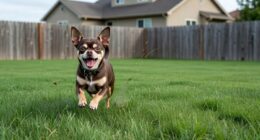

My chihuahua health issues journey started with a dental cleaning that turned into three extractions. Bella was barely two years old. The vet showed me the X-rays and pointed to teeth that were already crumbling underneath gums that looked perfectly fine from the outside. I had been brushing her teeth twice a week and thought I was doing everything right. Turns out chihuahua health issues have a way of hiding beneath the surface until they become impossible to ignore.
Chihuahuas are tough little dogs. They act invincible. They boss around dogs five times their size and strut through life like nothing can touch them. But their tiny bodies carry a specific set of vulnerabilities that every owner needs to understand. Not to worry constantly, but to catch things early when treatment is simple and affordable instead of late when it is neither.
Dental Disease
This is the big one. Chihuahuas have the worst dental health of almost any breed, and it is not even close. Their small jaws crowd teeth together, creating pockets where bacteria thrive. By age three, most chihuahuas have some degree of periodontal disease. According to the American Kennel Club, small breeds are significantly more prone to dental problems than larger dogs.
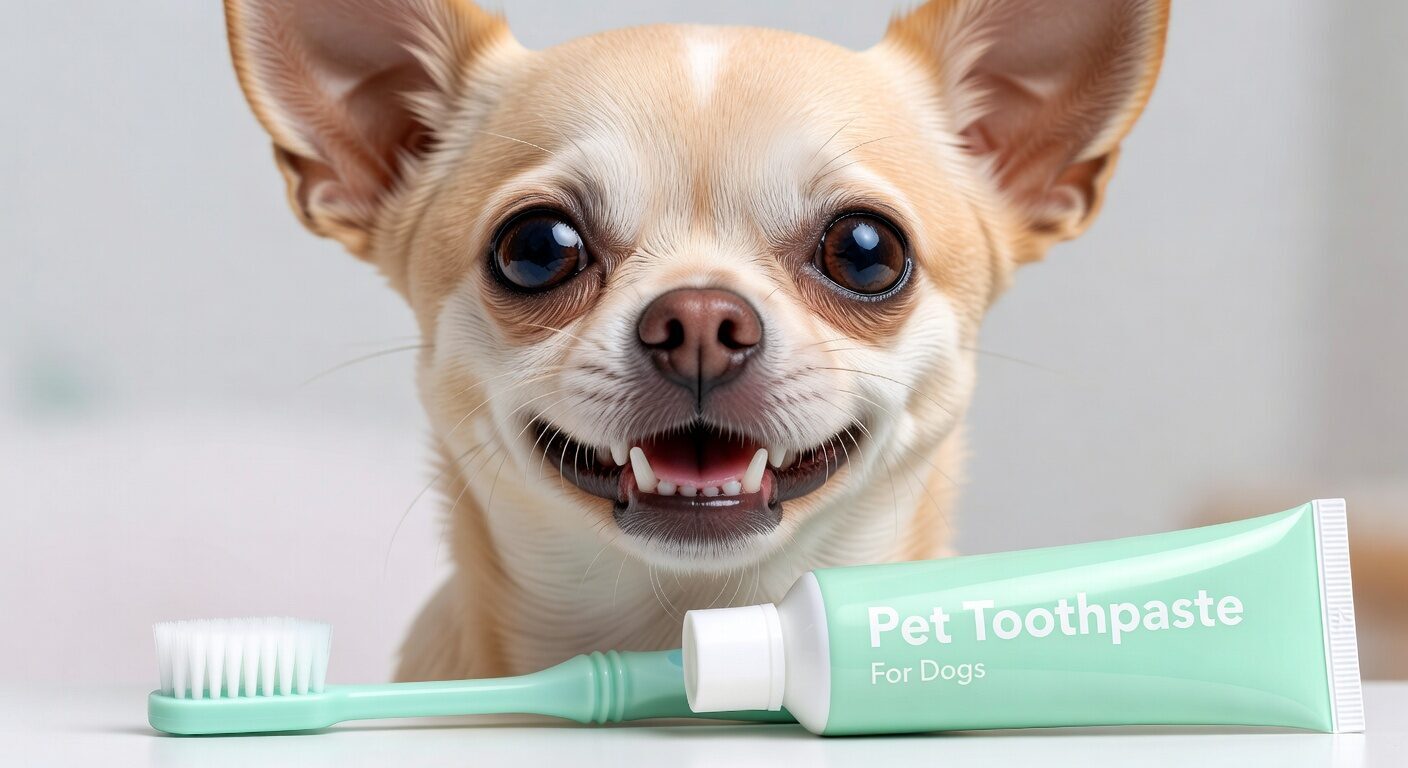
Bella needed annual dental cleanings under anesthesia. That sounds extreme until you see what untreated dental disease does. Infections in the mouth spread to the heart, kidneys, and liver. A rotten tooth is not just a rotten tooth in a dog this small. It is a systemic health risk. Brush daily if your chi will tolerate it. Use dental chews designed for toy breeds. And get professional cleanings on whatever schedule your vet recommends.
Luxating Patella
If your chihuahua occasionally skips on a back leg or holds one leg up while running, you are probably looking at a luxating patella. The kneecap slides out of its groove, causes a moment of pain or awkwardness, then pops back in. It is incredibly common in chihuahuas and ranges from mild to severe.
The Honest Truth
Bella has a grade two luxating patella in her left knee. It pops out a few times a week, she holds the leg up for a stride or two, and it goes back. The vet said surgery is not necessary unless it gets worse or causes chronic pain. We manage it with joint supplements and keeping her at a healthy weight because extra pounds on a four-pound dog stress those tiny joints enormously.
Hypoglycemia
Low blood sugar is a serious risk for chihuahua puppies and small adults. A chihuahua who has not eaten for several hours can crash fast. Signs include lethargy, trembling, disorientation, and in severe cases, seizures. I keep honey packets in my purse, my car, and my nightstand. A small dab on the gums can bring a hypoglycemic chihuahua back while you get to the vet.

Feed small meals multiple times a day instead of one or two large ones. Puppies under three pounds should eat every three to four hours. PetMD notes that hypoglycemia is one of the most common emergencies in toy breed puppies. Knowing the signs can literally save your dog’s life.
Tracheal Collapse
That honking cough your chihuahua makes sometimes is not just a cute quirk. Tracheal collapse happens when the cartilage rings that hold the windpipe open start to weaken and flatten. It causes a distinctive goose-honk cough, especially when your dog gets excited, drinks water, or pulls against a collar.
This is why every chihuahua should wear a harness instead of a collar for walks. A collar puts direct pressure on the trachea and can make collapse worse or trigger episodes. Bella wears a harness exclusively and has since she was a puppy. Weight management helps too because extra weight compresses the airway. Our emergency vet guide covers when that cough means you need to go in right away.
Heart Disease
Chihuahuas are prone to heart murmurs and mitral valve disease, especially as they age. A heart murmur sounds scarier than it often is. Many chihuahuas live full, active lives with low-grade murmurs that never progress. But some murmurs are early warnings of valve deterioration that will eventually cause heart failure if not monitored.
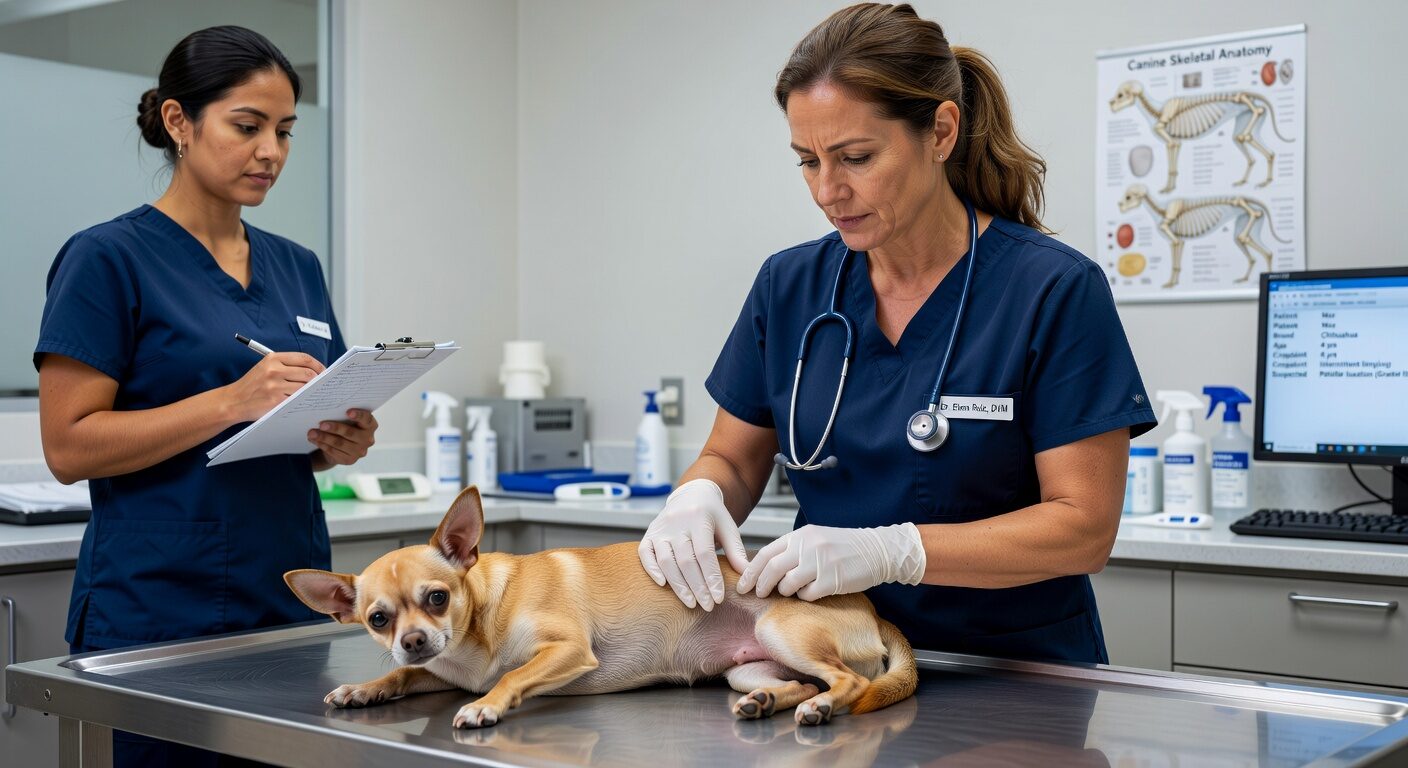
Bella’s vet listens to her heart at every visit and grades any murmur on a scale. If it changes, we do an echocardiogram. Early detection means early intervention, and medication can slow the progression significantly. Watch for coughing at night, exercise intolerance, rapid breathing at rest, and a swollen belly. These are signs the heart is struggling.
Hydrocephalus
The soft spot on a chihuahua’s skull, called a molera, is normal in the breed. But sometimes fluid accumulates in the brain, a condition called hydrocephalus, and the pressure causes neurological symptoms. Seizures, head pressing, vision problems, and difficulty walking can all indicate hydrocephalus.
This is more common in apple head chihuahuas with very domed skulls. Not every chihuahua with a molera will develop hydrocephalus, and the presence of a soft spot alone is not a cause for panic. But if your chihuahua shows any neurological symptoms, get to the vet immediately. The deer head chihuahua has a slightly different skull shape that may carry lower risk.
Eye Problems
Those big beautiful chihuahua eyes are vulnerable. Proptosis, where the eyeball partially dislodges from the socket, can happen from rough play, a fall, or even aggressive handling. It is a genuine emergency. Dry eye, cherry eye, and corneal ulcers are also more common in chihuahuas than in most breeds because their eyes protrude and are more exposed to the world.
You May Also Like
I check Bella’s eyes every morning during our cuddle time. Redness, squinting, excessive tearing, or cloudiness all warrant a vet call. Do not wait on eye issues. A corneal ulcer can perforate in days and cost your dog vision permanently. Our friends over at chihuahua eyes explained go deeper into what makes their eyes so special and so fragile.
Prevention Is Everything
The best thing you can do for your chihuahua’s health is maintain a relationship with a vet who knows the breed. Annual checkups catch problems early. Keep vaccinations current. Maintain a healthy weight. Brush those teeth. And learn what normal looks like for your specific dog so you notice immediately when something changes.

Chihuahuas live twelve to twenty years. That is a long time. The ones who reach the upper end of that range almost always have owners who took their health seriously from day one and never assumed that small means fragile or that healthy-looking means healthy. Bella is six now. She has her dental issues and her wobbly knee and a heart that ticks along just fine. She is healthy because we stay ahead of the problems instead of chasing them.
What I Learned
I have been through this with my own chihuahua. It is one of those things that looks simple on paper but gets complicated fast when you are actually dealing with a four-pound dog who has opinions about everything.
The truth about chihuahua health issues is that there is no single right answer. What works for one chihuahua might be completely wrong for another. Mine took weeks to adjust. Some dogs figure it out in days. The size of your chihuahua matters. Their age matters. Their personality matters most of all.
Here is what I wish someone had told me earlier. Start small. Do not try to change everything at once. Chihuahuas are stubborn but they are also sensitive. Push too hard and they shut down. Go too slow and nothing changes. The sweet spot is somewhere in the middle and you have to find it yourself.
I talked to other chihuahua owners about chihuahua health issues and heard the same thing over and over. Patience. Consistency. And a willingness to look a little silly in public because chihuahuas do not care about your dignity.
If you are just getting started with chihuahua health issues, give yourself grace. You will make mistakes. Your chihuahua will make more of them. That is the whole process. And honestly, once you get through the hard part, it is worth it.
Frequently Asked Questions
What should I know about dental Disease?
This is the big one. Chihuahuas have the worst dental health of almost any breed, and it is not even close. Their small jaws crowd teeth together, creating pockets where bacteria thrive.
What should I know about luxating Patella?
If your chihuahua occasionally skips on a back leg or holds one leg up while running, you are probably looking at a luxating patella. The kneecap slides out of its groove, causes a moment of pain or awkwardness, then pops back in.
What should I know about hypoglycemia?
Low blood sugar is a serious risk for chihuahua puppies and small adults. A chihuahua who has not eaten for several hours can crash fast. Signs include lethargy, trembling, disorientation, and in severe cases, seizures.
What should I know about tracheal Collapse?
That honking cough your chihuahua makes sometimes is not just a cute quirk. Tracheal collapse happens when the cartilage rings that hold the windpipe open start to weaken and flatten.
What should I know about heart Disease?
Chihuahuas are prone to heart murmurs and mitral valve disease, especially as they age. A heart murmur sounds scarier than it often is. Many chihuahuas live full, active lives with low-grade murmurs that never progress.
What should I know about hydrocephalus?
The soft spot on a chihuahua's skull, called a molera, is normal in the breed. But sometimes fluid accumulates in the brain, a condition called hydrocephalus, and the pressure causes neurological symptoms.