
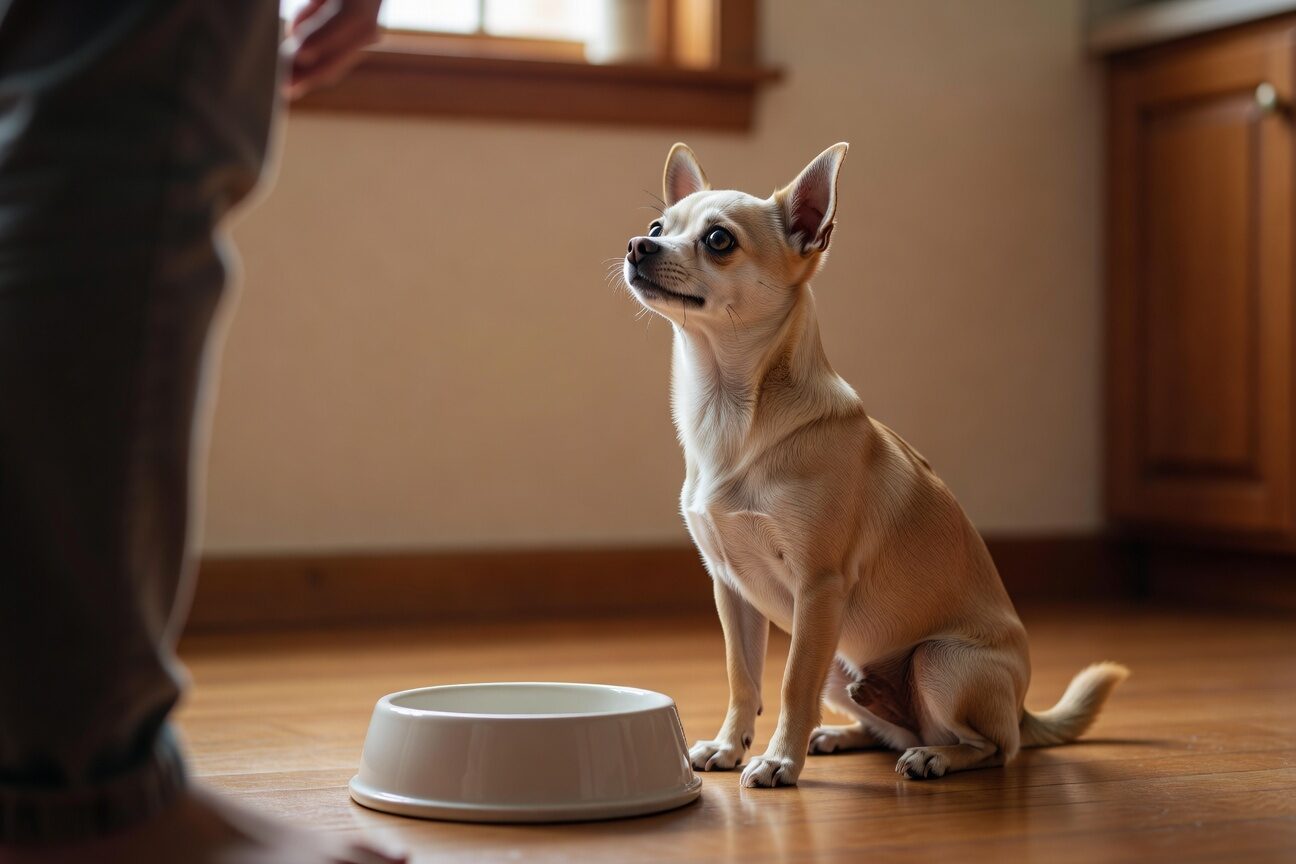

When I brought home my chihuahua Dolly as a nine-week-old puppy, the breeder handed me a ziplock bag of kibble and said feed her three times a day. That was the entire instruction. Three times a day. No mention of portion size. No mention that the schedule would need to change as she grew. No mention that this particular breed has specific nutritional needs that differ from the golden retriever puppy the family next door had just adopted. If you’re reading about your chihuahua, you’re in the right place.
I fed Dolly three times a day for the first year. She was fine. But she could have been better. I know that now because I eventually did the research the breeder should have given me in writing instead of a ziplock bag.
Why Feeding Frequency Matters More for Chihuahuas
Chihuahuas have extremely fast metabolisms. They burn through calories at a rate that is disproportionate to their size. A four-pound chihuahua needs roughly 40 calories per pound of body weight per day – about 160 calories total. That is not a lot of food. But it needs to be delivered consistently because a chihuahua’s tiny body has almost no energy reserves to fall back on.
Related: common Chihuahua health issues.
This is why chihuahuas are especially susceptible to hypoglycemia – low blood sugar. When a chihuahua goes too long without eating, blood sugar drops. The symptoms come on fast. Weakness, trembling, disorientation, and in severe cases, seizures. I have seen it happen. A friend’s chihuahua puppy missed one meal because the family was traveling and did not plan ahead. By evening, the puppy was limp and unresponsive. An emergency vet visit with IV glucose saved her, but it did not need to happen.
Feeding frequency is not a convenience decision for chihuahua owners. It is a medical one.
The Puppy Stage: Birth to Six Months
Chihuahua puppies under eight weeks old are typically still with their mother or breeder. If you are bottle feeding for any reason, the schedule is demanding – five to seven small feedings per day. The puppy’s stomach is the size of a thimble. It cannot hold much. Frequent small meals keep energy levels stable and support the rapid growth happening in those first weeks.
From three months to six months, your chihuahua puppy is teething. This is a miserable time for everyone. Eating may be painful. Appetite may fluctuate. Stick with three meals per day of balanced puppy food, softened if necessary. Do not skip meals during teething – the temptation is to wait until the puppy seems hungry, but with chihuahuas, waiting too long risks blood sugar crashes.
What I Wish I Knew Earlier
This is the stage where many owners make a mistake. They see their chihuahua reaching what looks like adult size and switch to adult food too early. Chihuahuas are not fully developed until around twelve months. Their bones, joints, and organs are still maturing. Puppy food supports that development. Switching early can shortchange the process.
The Adult Stage: One Year to Seven Years
Somewhere around the one-year mark, transition gradually to an adult food formulated for small or toy breeds. The keyword is gradually – over seven to ten days, mixing increasing amounts of the new food with decreasing amounts of the old. Chihuahuas have sensitive stomachs. Abrupt diet changes cause gastrointestinal upset more reliably than almost anything else.
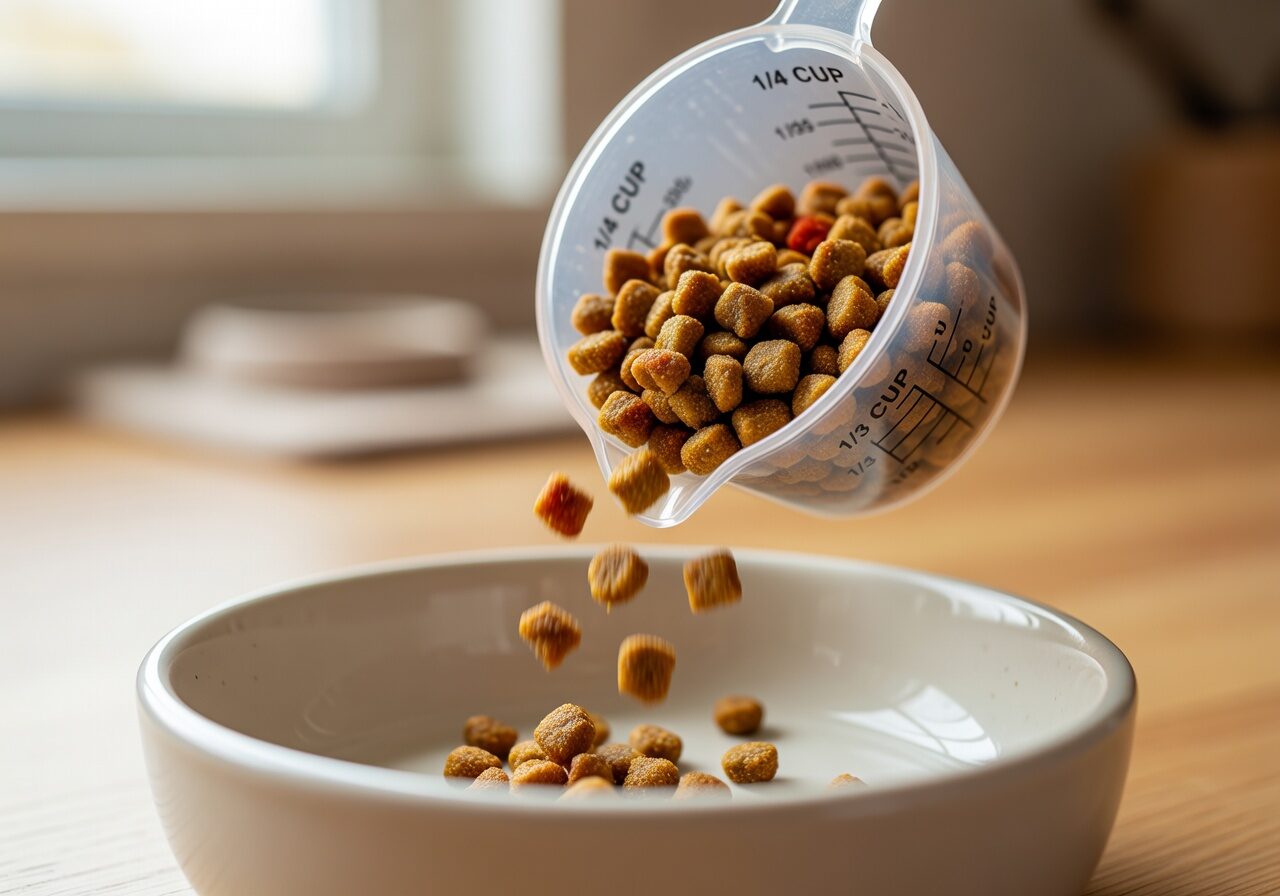
Most adult chihuahuas do well on two meals per day – morning and evening. Some owners prefer three smaller meals, which is fine and may actually be better for preventing blood sugar dips in very small or very active chihuahuas. The total daily calorie count matters more than whether you split it into two or three meals. The American Kennel Club offers nutritional guidelines specifically for toy breeds.
Dolly eats twice a day now. Quarter cup of high-quality small breed kibble in the morning, quarter cup in the evening, with a few training treats sprinkled throughout the day. She weighs a consistent four and a half pounds and her vet is happy with her body condition. Understanding chihuahua feeding makes a real difference. com/6-signs-of-pregnancy-in-dogs/” title=”6 Signs of Pregnancy in Dogs: What Chihuahua”>6 Signs of Pregnancy in Dogs: What Chihuahua.
The Senior Stage: Seven Years and Beyond
Chihuahuas are considered seniors around age seven, though many remain active and healthy well into their teens. Senior chihuahuas typically need fewer calories because their activity level decreases, but they may benefit from more frequent smaller meals as digestive efficiency declines.
A senior-formulated food for small breeds is worth considering. These formulations typically have fewer calories, more fiber, added joint support ingredients, and adjusted protein levels. Two to three small meals per day prevents the digestive system from being overwhelmed while maintaining steady energy.
Watch your senior chihuahua’s weight carefully. Obesity in chihuahuas compounds every age-related issue – joint problems, heart disease, respiratory difficulty. But underfeeding is equally dangerous. A senior chihuahua who is losing weight without explanation needs a vet visit. Weight loss in seniors can indicate dental disease, kidney issues, or other conditions that need professional attention.
Special Circumstances
Pregnant chihuahuas need more calories – typically 25 to 50 percent more than their normal intake during the last few weeks of pregnancy and throughout nursing. Feed an extra meal per day rather than dramatically increasing portion sizes. A pregnant chihuahua’s stomach has even less room than usual because the puppies are taking up space.
Sick chihuahuas may refuse food entirely. This is dangerous because of the hypoglycemia risk. If your chihuahua has not eaten in twelve hours, contact your vet. For mild illness, offer small amounts of bland food frequently – a teaspoon of boiled chicken, a few bites of plain rice. Anything to keep calories coming in. A chihuahua can go from slightly off to critically low blood sugar in a matter of hours.
The Free Feeding Debate
Some chihuahua owners leave food out all day and let the dog graze. This is called free feeding. It works for some dogs, particularly those who self-regulate well and eat only what they need. The advantage is that it prevents blood sugar crashes because the dog can eat whenever she feels the need.
The disadvantage is that you cannot monitor intake. You do not know how much your chihuahua is actually eating, which makes it harder to detect appetite changes – one of the earliest signs of illness in chihuahuas. Free feeding also makes portion control difficult, and chihuahuas who have unlimited access to food can become overweight. That is the reality of chihuahua feeding.
I use scheduled meals with Dolly. The bowl goes down for fifteen minutes, then it comes up. She knows the routine. She eats when the food is available. And I know exactly how much she consumed, which gives me data I can share with the vet and which alerts me immediately if her appetite changes.
The World Small Animal Veterinary Association nutrition guidelines emphasize that feeding plans should be individualized based on the dog’s age, weight, activity level, and health status. Their bodies are built for steady fuel, not feast and famine. Feed accordingly.
I have been through this with my own chihuahua. It is one of those things that looks simple on paper but gets complicated fast when you are actually dealing with a four-pound dog who has opinions about everything.
The truth about chihuahua feeding is that there is no single right answer. What works for one chihuahua might be completely wrong for another. Mine took weeks to adjust. Some dogs figure it out in days. The size of your chihuahua matters. Their age matters. Their personality matters most of all.
Here is what I wish someone had told me earlier. Start small. Do not try to change everything at once. Chihuahuas are stubborn but they are also sensitive. Push too hard and they shut down. Go too slow and nothing changes. The sweet spot is somewhere in the middle and you have to find it yourself.
I talked to other chihuahua owners about chihuahua feeding and heard the same thing over and over. Patience. Consistency. And a willingness to look a little silly in public because chihuahuas do not care about your dignity.
If you are just getting started with chihuahua feeding, give yourself grace. You will make mistakes. Your chihuahua will make more of them. That is the whole process. And honestly, once you get through the hard part, it is worth it.