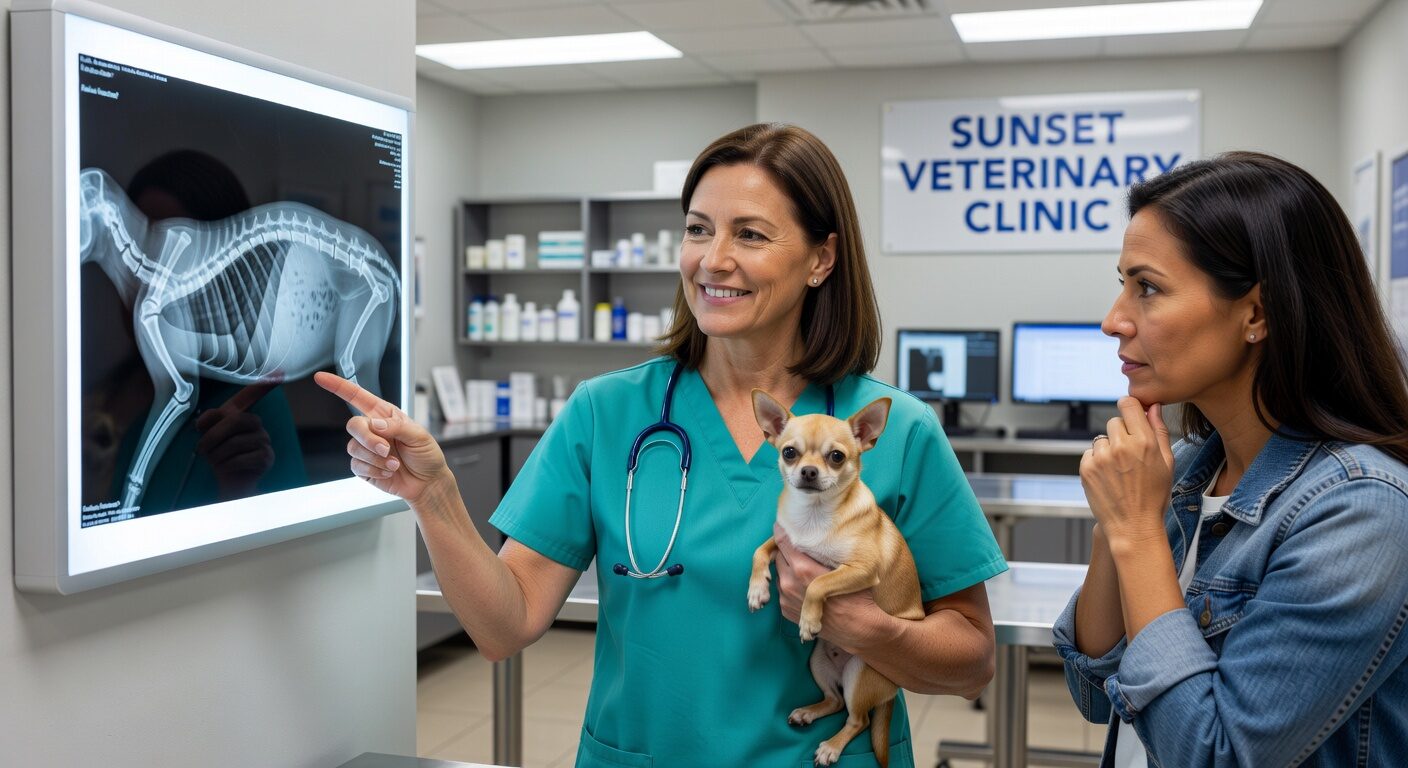
When the vet told me that my chihuahua Biscuit had hip dysplasia, I genuinely thought she was talking about the wrong dog. Hip dysplasia is a big dog problem, right? Something that happens to German Shepherds and Golden Retrievers and breeds that weigh ten times what Biscuit does. But there we were, looking at X-rays that showed exactly what she had described, and I was learning in real time that small dogs are not immune to this condition. If you’re reading about chihuahua hip dysplasia, you’re in the right place.
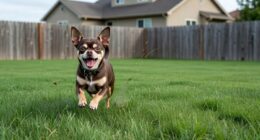
Biscuit had been doing this thing where he would hop with both back legs together when he ran, like a little rabbit. I thought it was cute. I thought it was just his personality, the way he moved, one of those quirky things that make your dog your dog. Turns out it was a symptom, and I had been watching it happen for months without recognizing it.
What Hip Dysplasia Actually Is and Why Chihuahuas Get It
Hip dysplasia is a condition where the ball and socket of the hip joint do not fit together properly. In a healthy hip, the ball sits snugly in the socket and moves smoothly. In a dysplastic hip, the fit is loose, which causes the bones to rub against each other, leading to pain, inflammation, and eventually arthritis. It is a condition that develops as the dog grows, and while it is more common in large breeds, it can happen in any dog.
Related: Chihuahua body language.
The cause is generally considered to be genetic, though environmental factors like weight and exercise levels during the growth phase can play a role. For chihuahuas, the genetic component is the primary concern. If a chihuahua’,s parents had hip problems, even mild ones, the puppy has a higher chance of developing them too. This is one of the reasons why responsible breeders have their dogs’, hips evaluated before breeding, though I will admit that I did not ask about hip scores when I got Biscuit because I did not think small dogs needed that kind of screening.
The Symptoms I Missed and the Ones I Should Have Noticed
Looking back, there were signs beyond the bunny hopping. Biscuit would sit with one leg kicked out to the side instead of tucked neatly underneath him. I thought he was just being relaxed. He would sometimes be slow to get up after lying down, and he slept longer after our walks than seemed normal. I chalked it up to him being a low-energy dog, but it was actually pain and fatigue.

The symptoms of hip dysplasia can be subtle in small dogs because they are light enough to compensate. A chihuahua can shift weight to their front legs and mask hind-end weakness in ways that a larger, heavier dog simply cannot. So the signs are quieter, less dramatic, and easy to misinterpret.
Here are the things to watch for in your chihuahua. A swaying gait, especially when viewed from behind. Reluctance to jump, even onto low surfaces. Sitting in unusual positions with legs splayed rather than tucked. Stiffness after rest. Decreased activity or a preference for lying down over playing. And that bunny hop, both back legs moving together instead of alternating, which is one of the most recognizable signs.
Getting the Diagnosis and Understanding Your Options
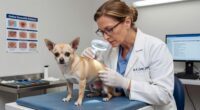
The only way to definitively diagnose hip dysplasia is with X-rays. Your regular vet can take them, and if the diagnosis is confirmed, they may refer you to an orthopedic specialist for a more detailed evaluation. The American College of Veterinary Surgeons provides detailed information about surgical options, and your vet can help you decide what makes sense for your specific situation.
For Biscuit, the dysplasia was moderate. Not severe enough to require immediate surgery, but significant enough that doing nothing was not an option either. We were presented with a range of approaches from conservative management to surgical intervention, and honestly, sorting through those options was one of the more stressful experiences I have had as a dog owner.
Conservative Management: What We Chose and Why
After consulting with both our regular vet and an orthopedic specialist, we decided to try conservative management first. For a chihuahua of Biscuit’,s size, this approach can be highly effective because there is simply less weight on the joints. The plan included weight management to keep Biscuit at his ideal weight with zero tolerance for extra pounds, a glucosamine and chondroitin supplement to support joint health, controlled exercise that avoids high-impact activities like jumping, and occasional anti-inflammatory medication when he seems uncomfortable. com/why-my-chihuahua-would-not-stop-licking-and-what-it-took-to-figure-it-out/” title=”Why My Chihuahua Would Not Stop Licking and”>Why My Chihuahua Would Not Stop Licking and.
The weight management part is important and I cannot emphasize this enough. Even half a pound of extra weight on a chihuahua is significant. For Biscuit, maintaining a lean body condition means his hips have to work less, and the difference in his comfort level between five and a half pounds and six and a half pounds is visible. At the heavier weight, he limps. At his ideal weight, he moves normally most days.
Surgical Options for Chihuahuas With Hip Dysplasia
While we have managed to avoid surgery so far, I did research the options thoroughly because I wanted to be prepared. The surgery most commonly recommended for small dogs with hip dysplasia is the femoral head ostectomy, or FHO. This involves removing the ball portion of the hip joint, and the dog’,s body creates a false joint from scar tissue. It sounds dramatic, but for dogs under about 20 pounds, the outcomes are generally very good because their light body weight allows the false joint to function well.
Total hip replacement, which is the gold standard for large dogs, is less commonly performed on chihuahuas due to their size. The implants are designed for bigger bones, and while miniature versions exist, finding a surgeon who specializes in performing this procedure on very small dogs can be challenging. Understanding chihuahua hip dysplasia makes a real difference.
Living Well With a Dysplastic Chihuahua
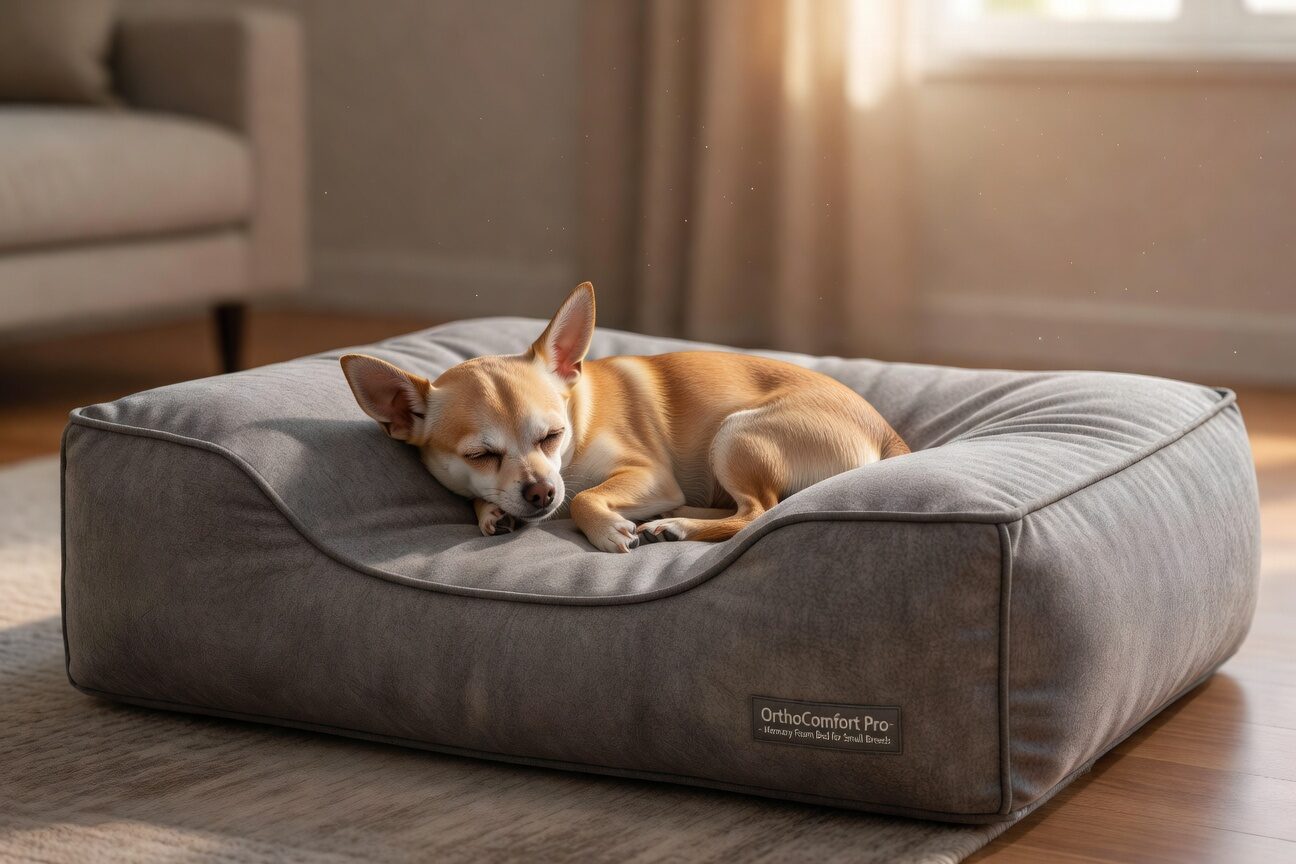
Biscuit is six now and doing well. He has good days and less good days, but overall his quality of life is excellent. I have learned to read his signals, to know when he needs a shorter walk versus when he is feeling energetic enough for a longer one. I have become obsessive about his weight. I have a ramp next to the couch so he does not have to jump, and his bed is orthopedic foam that supports his joints while he sleeps.
The biggest thing I want chihuahua owners to take away from our experience is that hip dysplasia is not exclusively a big dog condition. If your chihuahua moves oddly, sits strangely, or seems stiffer than they should be, bring it up with your vet. An early diagnosis means more options and better outcomes. Biscuit cannot tell me where it hurts, but I can watch, and I can listen, and I can make sure he gets the care he needs. If you are concerned about joint issues, you might also want to read about patellar luxation in chihuahuas, which is another common joint problem in the breed, and learn more about keeping your dog’,s joints healthy.
I have been through this with my own chihuahua. It is one of those things that looks simple on paper but gets complicated fast when you are actually dealing with a four-pound dog who has opinions about everything.
The truth about chihuahua hip dysplasia is that there is no single right answer. What works for one chihuahua might be completely wrong for another. Mine took weeks to adjust. Some dogs figure it out in days. The size of your chihuahua matters. Their age matters. Their personality matters most of all.
Here is what I wish someone had told me earlier. Start small. Do not try to change everything at once. Chihuahuas are stubborn but they are also sensitive. Push too hard and they shut down. Go too slow and nothing changes. The sweet spot is somewhere in the middle and you have to find it yourself.
I talked to other chihuahua owners about chihuahua hip dysplasia and heard the same thing over and over. Patience. Consistency. And a willingness to look a little silly in public because chihuahuas do not care about your dignity.
If you are just getting started with chihuahua hip dysplasia, give yourself grace. You will make mistakes. Your chihuahua will make more of them. That is the whole process. And honestly, once you get through the hard part, it is worth it.
Hip dysplasia is less common in chihuahuas than in large breeds but it does occur. Patellar luxation, a slipping kneecap, is actually more common in chihuahuas. Both conditions can cause lameness and pain. Regular vet checkups help catch joint issues early when treatment options are broadest.
Watch for bunny-hopping when running, difficulty jumping on furniture, stiffness after rest, reluctance to climb stairs, limping, and crying when picked up around the hips. Some chihuahuas compensate so well that joint problems go unnoticed until they are advanced.
Treatment ranges from weight management and joint supplements to anti-inflammatory medications and physical therapy. Surgery is an option for severe cases. Many small dogs do well with conservative management that includes glucosamine, fish oil, controlled exercise, and maintaining a healthy weight.
Maintaining a healthy weight is the single most effective prevention. Avoid letting your chihuahua jump from high surfaces like beds and couches. Use ramps or steps. Feed a diet with joint-supporting nutrients. Start joint supplements early if your chihuahua’s parents had joint issues.
Yes. Memory foam orthopedic beds support joints and reduce pressure points. They make a real difference for chihuahuas with any joint condition. Even healthy chihuahuas benefit from proper support as they age. Look for beds with washable covers and low entry points so your dog does not have to climb in.
Is hip dysplasia common in chihuahuas?
Hip dysplasia is less common in chihuahuas than in large breeds but it does occur. Patellar luxation, a slipping kneecap, is actually more common in chihuahuas. Both conditions can cause lameness and pain. Regular vet checkups help catch joint issues early when treatment options are broadest.
What are the signs of hip problems in chihuahuas?
Watch for bunny-hopping when running, difficulty jumping on furniture, stiffness after rest, reluctance to climb stairs, limping, and crying when picked up around the hips. Some chihuahuas compensate so well that joint problems go unnoticed until they are advanced.
How is hip dysplasia treated in small dogs?
Treatment ranges from weight management and joint supplements to anti-inflammatory medications and physical therapy. Surgery is an option for severe cases. Many small dogs do well with conservative management that includes glucosamine, fish oil, controlled exercise, and maintaining a healthy weight.
Can I prevent joint problems in my chihuahua?
Maintaining a healthy weight is the single most effective prevention. Avoid letting your chihuahua jump from high surfaces like beds and couches. Use ramps or steps. Feed a diet with joint-supporting nutrients. Start joint supplements early if your chihuahua’s parents had joint issues.
Are orthopedic beds worth it for chihuahuas?
Yes. Memory foam orthopedic beds support joints and reduce pressure points. They make a real difference for chihuahuas with any joint condition. Even healthy chihuahuas benefit from proper support as they age. Look for beds with washable covers and low entry points so your dog does not have to climb in.