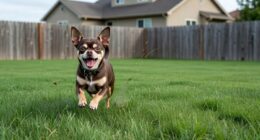


I put off getting chihuahua pet insurance for years. My chihuahuas were healthy. Vet visits were just checkups and vaccines. I figured I would set aside money each month and self insure. Then Pepper needed a dental cleaning that turned into four extractions and cost me eleven hundred dollars in a single afternoon. I signed up for insurance the next week.
Pet Insurance Chihuahuas: Why Chihuahuas Need It More Than Most Breeds
The big ticket items for Chihuahuas are predictable. Dental disease is number one by a mile. Their small jaws and crowded teeth are basically designed to trap plaque and bacteria. A professional cleaning under anesthesia runs three hundred to eight hundred dollars. Extractions push it past a thousand. Over a lifetime, you might need three or four of those. For more detail, see the VCA Hospitals preventive dog care. For more detail, see the AKC Chihuahua breed health guide.
Then there is patellar luxation, where the kneecap slides out of place. About thirty percent of Chihuahuas deal with this to some degree. Mild cases just need monitoring. Severe cases need surgery that costs fifteen hundred to three thousand dollars per knee. If both knees are affected, you are looking at six thousand dollars.
Related: common Chihuahua health issues.
What to Look for in a Plan
Not all pet insurance is created equal, and the details matter way more than the monthly premium. When I was comparing plans for my chihuahuas, I focused on three things.
First, dental coverage. Some plans only cover dental work if periodontal disease has already been diagnosed. Others include preventive cleanings as part of a wellness add on. Read the fine print carefully because the difference between “dental illness”, and “dental wellness”, coverage can save or cost you hundreds per claim.
Second, orthopedic coverage without breed exclusions. Some insurers will not cover patellar luxation in toy breeds because they consider it a pre existing genetic condition. That is exactly the kind of clause that makes insurance useless for Chihuahua owners. Look for plans that cover hereditary conditions with short waiting periods, ideally thirty days or less.
Third, check whether tracheal collapse is covered. This is common in toy breeds and can require lifelong medication or even surgery. Not every policy includes it as standard. com/chihuahua-dog-park-small-breed-sections/” title=”More Dog Parks Are Finally Adding Small Dog”>More Dog Parks Are Finally Adding Small Dog.
What I Wish I Knew Earlier
I know some people think pet insurance is a scam. I thought that too until I was sitting in the vet office doing math in my head and trying not to panic about the cost. Now I just hand over my insurance claim form and let someone else worry about it.
What This Means for Your Chihuahua
If you have a Chihuahua, you are signing up for a chihuahua that will probably be with you for the next fifteen years. That is a lot of vet visits, a lot of dental cleanings, and at least a decent chance of something expensive happening along the way. Monthly insurance costs less than what most people spend on coffee. It is not glamorous. It is not exciting. But the first time you use it, you will understand why it matters.
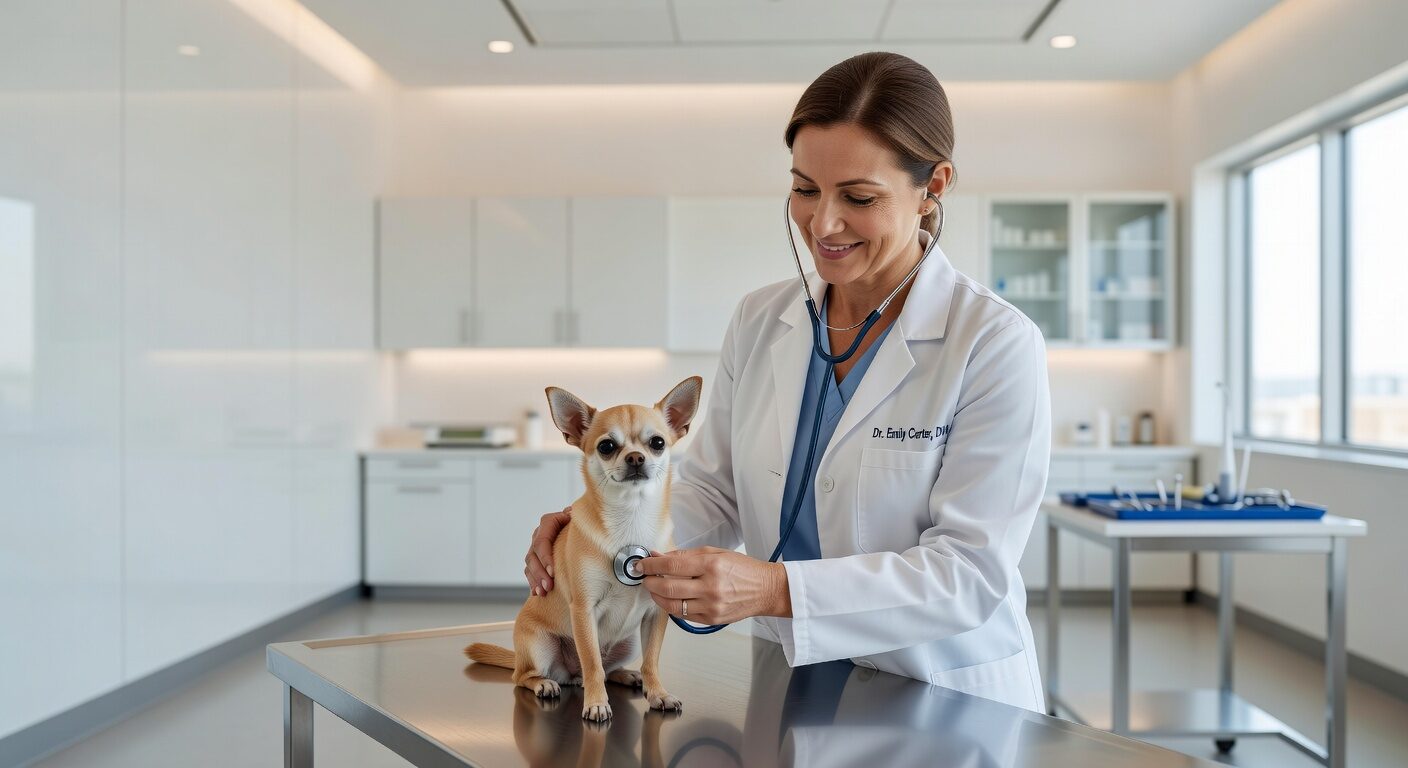
I also want to mention that you should sign up while your chihuahua is young and healthy. Pre existing conditions are not covered by any plan I have seen. If your Chihuahua already has a dental diagnosis or a luxating patella before you get insurance, those specific conditions will be excluded. The best time to get coverage is when your chihuahua is a puppy and everything is still technically normal. The second best time is today, before whatever is coming next has a chance to show up on a vet record. I wish I had done it sooner. I would have saved a lot of money and a lot of stress sitting in that vet office doing mental math while the bill got bigger.
What Chihuahua Specific Conditions Your Policy Should Cover
Not all pet insurance policies are created equal, and when you are insuring a chihuahua, there are specific conditions you want to make sure your policy covers because they are significantly more likely to affect your dog than conditions that are common in other breeds. Luxating patellas are at the top of that list. This is a condition where the kneecap slides out of position, and it is extremely common in chihuahuas. Surgery to correct a luxating patella can cost anywhere from fifteen hundred to three thousand dollars per knee, and many chihuahuas need it done on both sides. If your insurance policy excludes orthopedic conditions or has a long waiting period before orthopedic coverage kicks in, you could end up paying out of pocket for one of the most predictable expenses in chihuahua ownership. Dental disease is another major concern. Chihuahuas are notorious for dental problems, and professional cleanings under anesthesia can run three hundred to eight hundred dollars per session, with extractions adding significantly to that cost. Some insurance plans exclude dental coverage entirely or only cover dental issues resulting from injury rather than disease. Since dental disease in chihuahuas is almost inevitable to some degree, a policy that does not cover dental is leaving one of your biggest likely expenses uncovered. Tracheal collapse, heart murmurs, and hypoglycemia are other chihuahua relevant conditions worth checking coverage for before you commit to a plan.
How to Actually Compare Plans Without Losing Your Mind
I spent an embarrassing amount of time comparing pet insurance plans when I was shopping for coverage for my chihuahuas, and I want to save you some of that headache by sharing what I learned about what actually matters versus what is marketing noise. The three numbers that matter most are the monthly premium, the annual deductible, and the reimbursement percentage. Everything else is secondary. A plan with a low monthly premium but a high deductible might look affordable until you realize you are paying two hundred and fifty dollars or more out of pocket before insurance kicks in each year. For a chihuahua who goes to the vet regularly, a lower deductible with a slightly higher premium often works out better over time. The reimbursement percentage, which is typically either seventy, eighty, or ninety percent, determines how much of the covered bill you get back after the deductible is met. The difference between eighty and ninety percent reimbursement can be significant on a large surgical bill. I went with ninety percent for my chihuahuas because the premium difference was only about ten dollars more per month and on a two thousand dollar surgery that ten dollars saves me two hundred. Also pay attention to whether the plan reimburses based on the actual vet bill or on a benefit schedule that caps what they will pay for each condition. Actual vet bill reimbursement is almost always better for the policyholder.
When Pet Insurance Does Not Make Financial Sense
I believe in pet insurance for chihuahuas and I have it for all of my dogs, but I also want to be honest about the situations where it might not be the best financial decision. If you have significant savings set aside specifically for pet emergencies, you might be better off self insuring. The math is straightforward. If you pay forty dollars a month in premiums, that is four hundred and eighty dollars per year. Over a fifteen year chihuahua lifespan, that is seven thousand two hundred dollars in premiums. If your chihuahua stays relatively healthy and your total veterinary expenses over that lifetime are less than what you paid in premiums plus deductibles, you would have been better off putting that money in a savings account. The problem, of course, is that you cannot predict the future. My healthiest chihuahua cost me less than a thousand dollars a year in vet bills for the first seven years of her life, during which time I paid close to three thousand dollars in premiums. But in year eight she needed emergency surgery that cost forty five hundred dollars, and suddenly the insurance had more than paid for itself in a single incident. Pet insurance is essentially paying for peace of mind and protection against catastrophic expenses, and for a breed like chihuahuas that has known health vulnerabilities, I think that protection is worth paying for in most cases. But if you are disciplined enough to maintain a dedicated pet emergency fund and your financial situation can absorb a multi thousand dollar unexpected vet bill without hardship, self insuring is a valid alternative that some chihuahua owners prefer.
You Might Also Enjoy
I have been through this with my own chihuahua. It is one of those things that looks simple on paper but gets complicated fast when you are actually dealing with a four-pound dog who has opinions about everything.
The truth about pet insurance chihuahuas is that there is no single right answer. What works for one chihuahua might be completely wrong for another. Mine took weeks to adjust. Some dogs figure it out in days. The size of your chihuahua matters. Their age matters. Their personality matters most of all.
Here is what I wish someone had told me earlier. Start small. Do not try to change everything at once. Chihuahuas are stubborn but they are also sensitive. Push too hard and they shut down. Go too slow and nothing changes. The sweet spot is somewhere in the middle and you have to find it yourself. You might also find Why So Many End Up There Every Year worth reading.
I talked to other chihuahua owners about pet insurance chihuahuas and heard the same thing over and over. Patience. Consistency. And a willingness to look a little silly in public because chihuahuas do not care about your dignity.
If you are just getting started with pet insurance chihuahuas, give yourself grace. You will make mistakes. Your chihuahua will make more of them. That is the whole process. And honestly, once you get through the hard part, it is worth it.