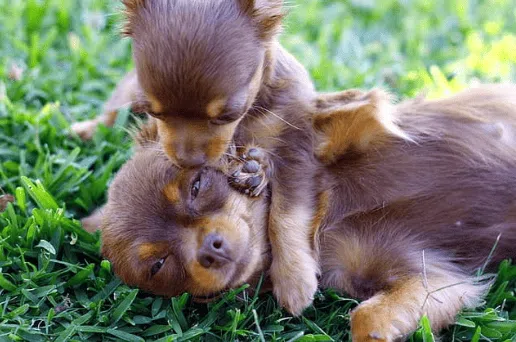

The rescue chihuahua adjustment period is something every new adopter should be prepared for, because it rarely goes the way you imagine. Understanding how to new chihuahua feel safe starts with what actually happens in real life. When I brought my rescue home, I expected instant cuddles and happy tail wags. What I got instead was a chihuahua who hid behind the toilet for three days straight. That experience taught me more about patience and trust than anything else in my life.

New Chihuahua Feel Safe: Rescue Chihuahua Adjustment: The 3 3 3 Rule

Most rescue organizations talk about the 3 3 3 rule, and it is genuinely useful for managing your expectations. In the first 3 days, your Chihuahua is overwhelmed and might not eat, might hide, and will likely seem shut down. After 3 weeks, they start to settle in and show glimpses of their true personality. After 3 months, they finally feel at home and you get to see who they really are. For more detail, see the AKC Chihuahua breed health guide. For more detail, see the PetMD dog behavior resources.

I thought my Chi would skip right to the comfortable stage because she seemed calm at the shelter. Nope. The first week was genuinely rough. She flinched at every sound and wanted nothing to do with me. But I kept showing up, sitting quietly nearby on the floor, and letting her set the pace for everything.

Related: common Chihuahua health issues.

Some chihuahuas adjust faster and some take even longer than three months. Every rescue chihuahua carries their own history and their own timeline for healing.

Creating a Safe Space

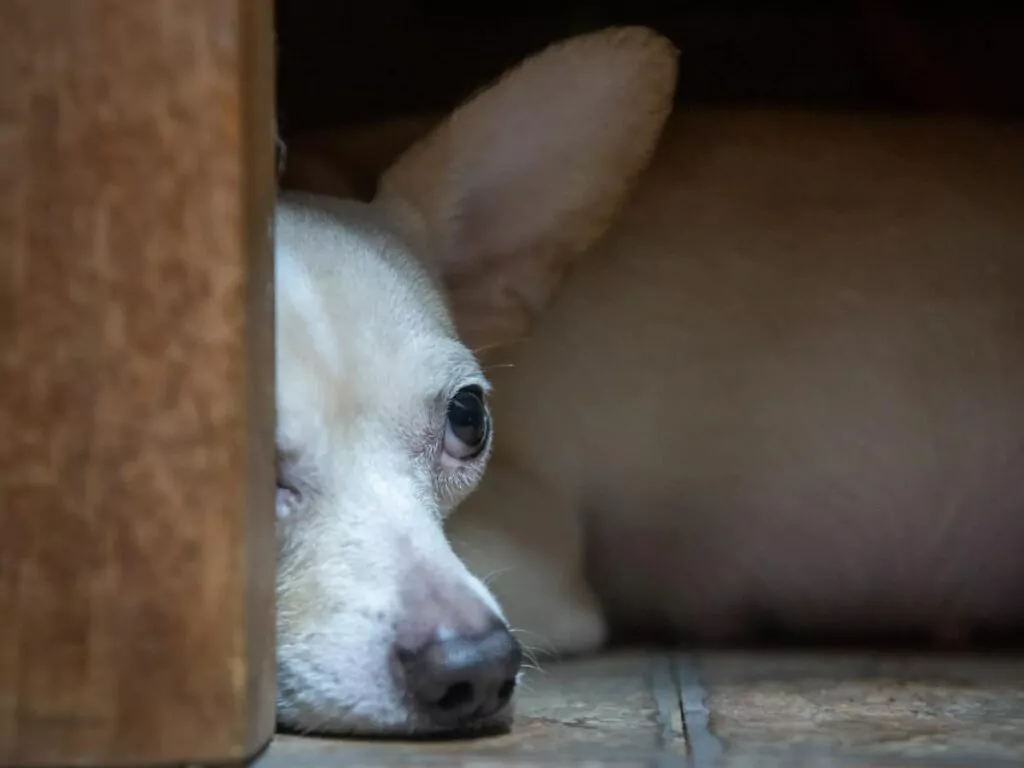
Your rescue Chihuahua needs one area in your home that is entirely theirs. A crate with a blanket draped over the top, a quiet corner with a plush bed, or even a spot under a side table where they can retreat and feel protected. This safe space is critical during the adjustment period.

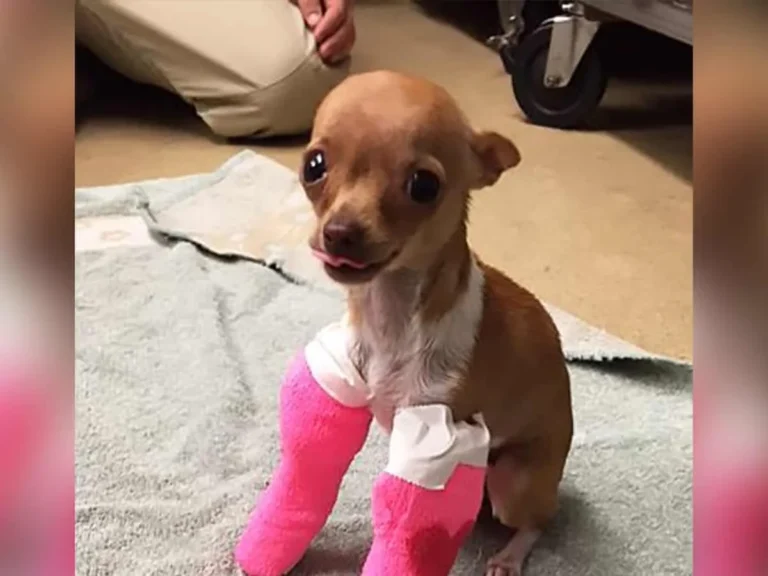
Happy chihuahua with tongue out
A happy chihuahua with its tongue sticking out. Image: ChihuaCorner.com

Do not force them out of their safe spot no matter how much you want to hold them. I learned the hard way that pushing a scared Chihuahua too fast destroys trust that takes weeks to rebuild. Let them come out when they are ready. Leave treats near the opening and walk away without hovering.

What I Wish I Knew Earlier

Common Adjustment Challenges

House training regression is incredibly common with rescue Chihuahuas. Even dogs who were previously trained might have accidents in a new environment because of stress. Go back to basics as if they were a puppy. Take them outside frequently, reward success, and never punish accidents because that will make the fear worse. com/pepito-the-chihuahua-and-his-journey-to-adoption/” title=”Pepito the Chihuahua and His Journey to”>Pepito the Chihuahua and His Journey to.

Rescue chihuahua eating in a safe designated space
Rescue chihuahua eating in a safe designated space. Image: ChihuaCorner.com

Resource guarding can also pop up, especially around food bowls. If your Chihuahua growls when you approach their bowl, give them space and work with a trainer. This behavior usually comes from past food insecurity and fades as trust builds.

Separation anxiety is another big one that catches many adopters off guard. Your new Chi might bark, cry, or become destructive when you leave. Start with very short departures and gradually increase the time away. Leaving a worn shirt that smells like you near their bed can help.

Building a Routine That Helps Your Chihuahua Feel Grounded

The single most effective thing I did for my rescue chihuahua was establishing a predictable daily routine and sticking to it without variation. Meals at the same time every morning and evening. A short walk at the same time each afternoon. Quiet time on the couch at the same time each night. Chihuahuas, especially ones who have been through the instability of surrender and shelter life, crave predictability in a way that goes beyond preference. It is a genuine psychological need. When my girl knew what was coming next in her day, she could relax. When the schedule shifted because of a holiday or a weekend plan, I could see the anxiety creep back in, and it took a day or two of normal routine to settle her again.

I also discovered that the transition from outdoor time back to indoor time was one of the hardest moments for her. She would tense up at the front door like she was not sure the house would still be there when she went back inside. I started making the return home a positive experience by always giving her a small treat the moment we walked through the door. Within a few weeks, coming home became something she looked forward to instead of something that made her nervous. These small rituals might seem insignificant, but for a dog whose world was turned upside down, they are the foundation that everything else gets built on.

The Breakthrough Moments That Make It All Worth It

There are specific moments in the rescue chihuahua adjustment process that stay with you forever, and I want to describe them because when you are in the thick of the hard part, knowing that breakthroughs are coming can keep you going. The first breakthrough with my girl was the first time she ate from her bowl without flinching when I walked past. For the first two weeks, she would stop eating and freeze any time I moved anywhere near her food. The day she kept eating while I walked by, I stood in the hallway and silently celebrated like I had just won something enormous, because in a way, I had.

The second breakthrough was the first voluntary tail wag. Not the nervous, low tail wag that means a dog is unsure, but a real, full body wag that started in her shoulders and worked all the way down. It happened when I came home from the grocery store about four weeks after she arrived. She was standing at the door, wagging, and for the first time she looked genuinely happy to see me rather than just relieved that I was not a threat. That moment is the one that convinced me she was going to be okay.

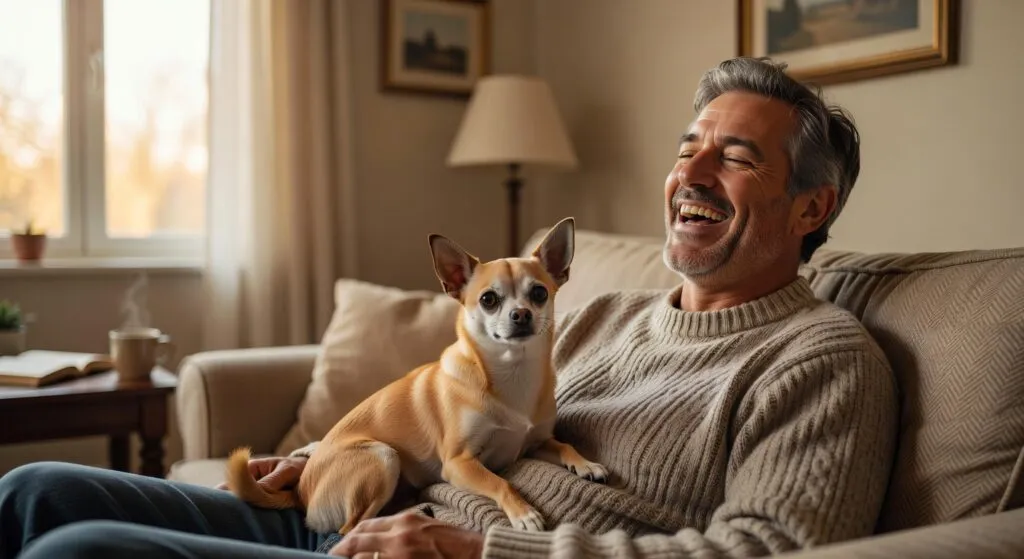
The third breakthrough, and the one that made me cry, was the first time she fell asleep in my lap. A rescue chihuahua who falls asleep on you has decided at the deepest level that you are safe. Sleep is vulnerability, and for a dog who has learned that the world is unpredictable and sometimes cruel, choosing to be vulnerable with you is the ultimate statement of trust. It happened about six weeks in, during a quiet evening on the couch, and I sat perfectly still for over an hour because I did not want to wake her up and break whatever miracle had just occurred.

Introducing Your Rescue Chihuahua to Other Pets and Family Members

If you have other pets or a busy household, the introduction process requires even more patience than usual. I made the mistake of letting my existing dog meet the rescue chihuahua on the first day, thinking they would comfort each other. Instead, my rescue went into full defensive mode, growling and snapping at a dog who was just trying to sniff her. I had to separate them and start over with a much slower introduction protocol. What worked was keeping them in separate rooms for the first week, then allowing them to smell each other through a closed door, then doing supervised meetings in a neutral space like the backyard where neither dog felt territorial. It took about three weeks before they could share the living room calmly, and about two months before they were genuinely comfortable together.

With human family members, the same principle applies. Do not have everyone crowd the new chihuahua on day one. Let one person be the primary caretaker for the first couple of weeks, ideally the person who will be home the most. Once the chihuahua has bonded with that person and feels secure in the home, you can gradually introduce other family members one at a time. I had my partner start by simply sitting in the same room without interacting with the dog, then progressing to offering treats from a distance, and eventually being the one to put food in the bowl. Children should be introduced last and always supervised, because a scared chihuahua and an enthusiastic child are a combination that can go wrong quickly if the dog feels cornered or overwhelmed.

You Might Also Enjoy

When to Seek Professional Help

If your rescue chihuahua adjustment is not progressing after several weeks, or if you are seeing aggression or extreme fear that is not improving, reach out to a professional trainer with experience in rescue dogs. There is no shame in asking for help.

Most rescue Chihuahuas come around beautifully with time and patience. The chihuahua who hid behind my toilet now sleeps on my pillow every single night and barks at me if I take too long getting her breakfast ready. That transformation is what makes rescue so incredibly special. You might also find What You Need to Know First worth reading.

How long do chihuahuas live on average?

Chihuahuas are one of the longest-lived dog breeds with an average lifespan of 14 to 16 years. Some reach 20 years with proper care. Regular vet checkups, dental care, a healthy diet, and maintaining proper weight all contribute to longevity. The oldest recorded chihuahua lived to be 22.

Are chihuahuas good family dogs?

Chihuahuas can be good family dogs in homes with older children who understand gentle handling. They are too fragile for rough play with toddlers. Chihuahuas bond deeply with their family but may be wary of strangers. Proper socialization from a young age helps them be more accepting of new people.

How much exercise does a chihuahua need?

Two 15 to 20 minute walks per day plus some indoor playtime meets most chihuahuas’ needs. They have more energy than people expect but tire out faster than larger breeds. Mental stimulation through puzzle toys and training sessions is just as important as physical exercise for this intelligent breed.

What health problems are common in chihuahuas?

The most common health issues include dental disease, patellar luxation, heart murmurs, hypoglycemia in puppies, tracheal collapse, and hydrocephalus. Regular vet visits catch many of these early. Dental care is especially important because chihuahuas are prone to tooth loss and gum disease throughout their lives.

Why do chihuahuas bark so much?

Chihuahuas bark because they are alert, protective, anxious, or bored. Their hearing is sharp and they react to sounds other dogs ignore. Training a reliable quiet command helps. Ignore demand barking completely. Address the underlying cause rather than just the noise. A tired chihuahua barks less than a bored one.

How long do chihuahuas live on average?

Chihuahuas are one of the longest-lived dog breeds with an average lifespan of 14 to 16 years. Some reach 20 years with proper care. Regular vet checkups, dental care, a healthy diet, and maintaining proper weight all contribute to longevity. The oldest recorded chihuahua lived to be 22.

Are chihuahuas good family dogs?

Chihuahuas can be good family dogs in homes with older children who understand gentle handling. They are too fragile for rough play with toddlers. Chihuahuas bond deeply with their family but may be wary of strangers. Proper socialization from a young age helps them be more accepting of new people.

How much exercise does a chihuahua need?

Two 15 to 20 minute walks per day plus some indoor playtime meets most chihuahuas’ needs. They have more energy than people expect but tire out faster than larger breeds. Mental stimulation through puzzle toys and training sessions is just as important as physical exercise for this intelligent breed.

What health problems are common in chihuahuas?

The most common health issues include dental disease, patellar luxation, heart murmurs, hypoglycemia in puppies, tracheal collapse, and hydrocephalus. Regular vet visits catch many of these early. Dental care is especially important because chihuahuas are prone to tooth loss and gum disease throughout their lives.

Why do chihuahuas bark so much?

Chihuahuas bark because they are alert, protective, anxious, or bored. Their hearing is sharp and they react to sounds other dogs ignore. Training a reliable quiet command helps. Ignore demand barking completely. Address the underlying cause rather than just the noise. A tired chihuahua barks less than a bored one.

Frequently Asked Questions