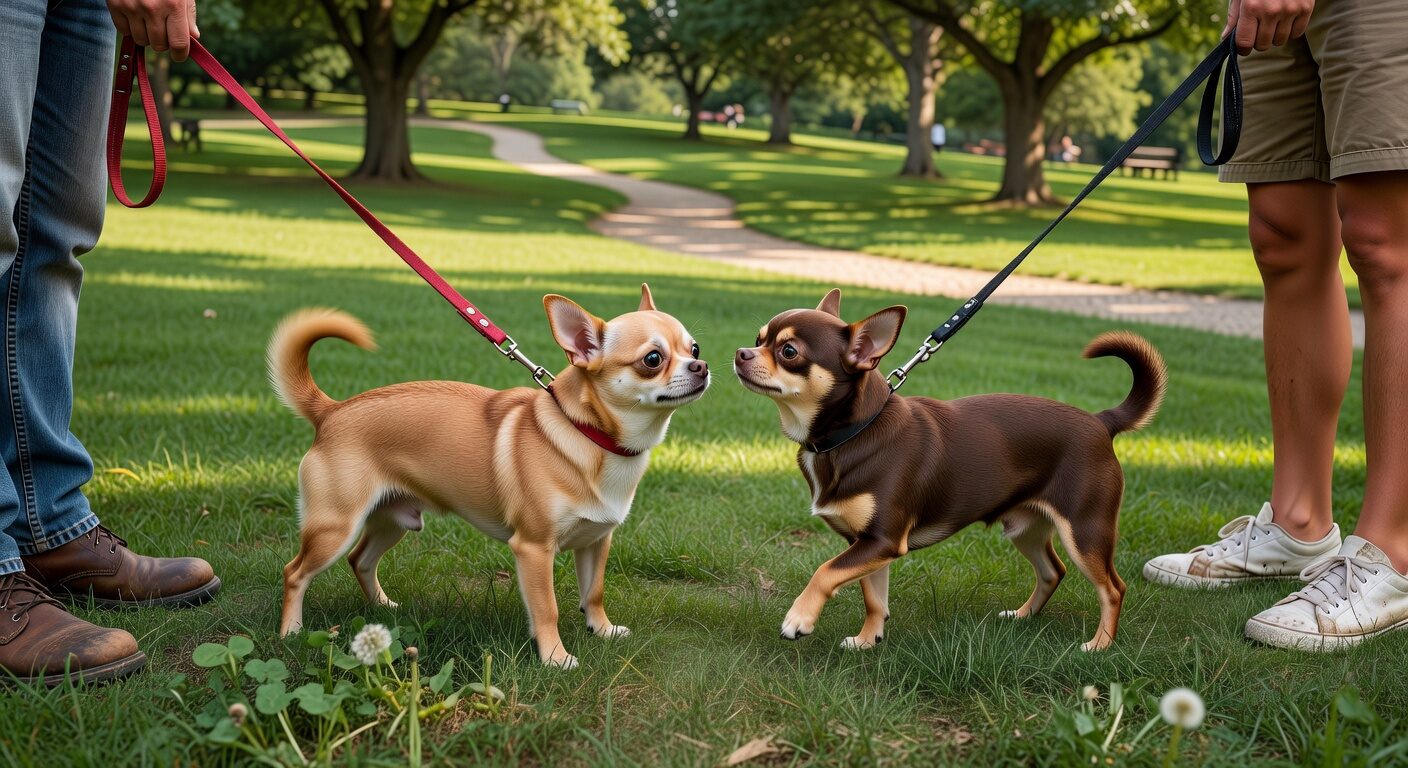
Why Small-Dog Sections at Dog Parks Actually Matter
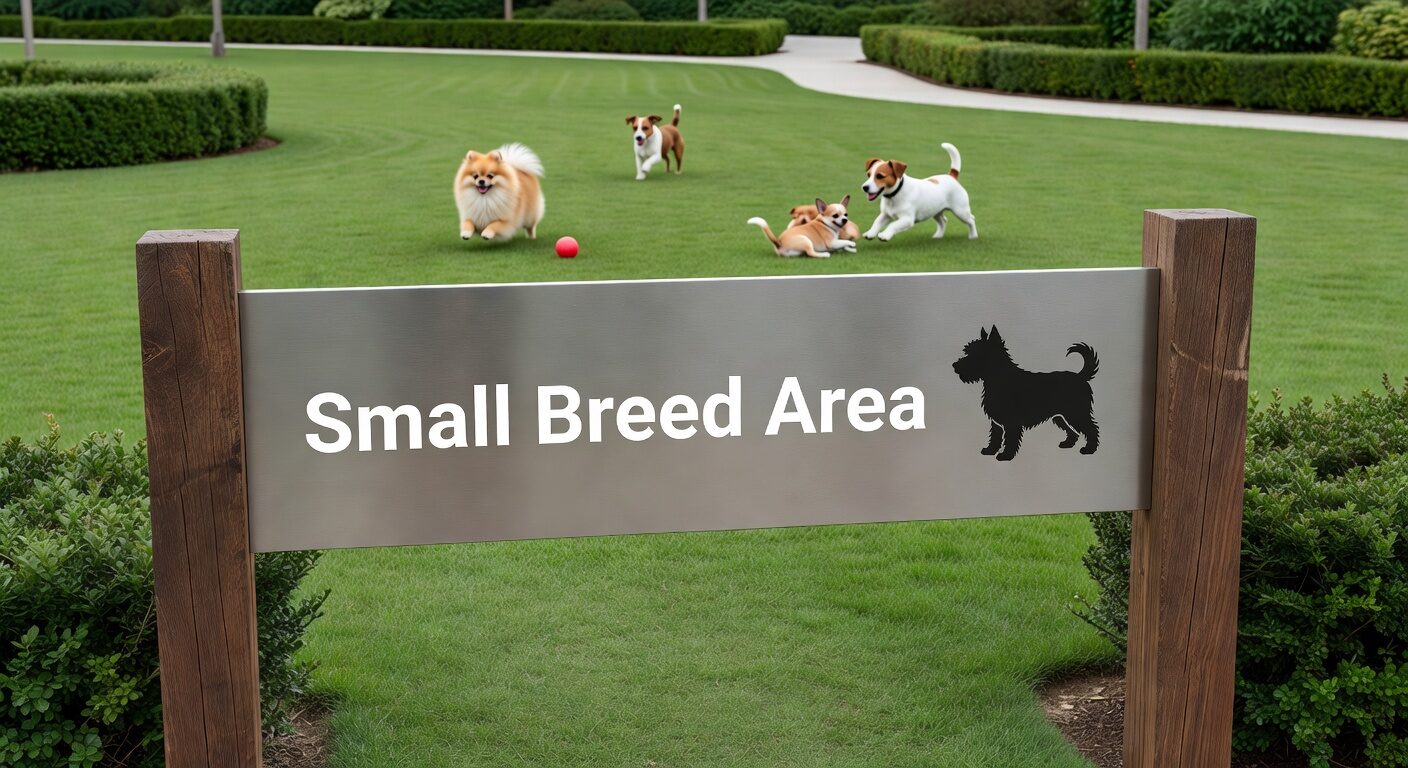
A trainer-side read on why standard dog parks are a poor fit for chihuahuas, what a small-breed section should look like, and what to do this week if your park does not have one.
Explore our library of stories, guides, and expert advice curated for Chihuahua lovers like you.
110 matches
A trainer-side read on why standard dog parks are a poor fit for chihuahuas, what a small-breed section should look like, and what to do this week if your park does not have one.
A behavior-study finding on chihuahua aggression, the socialization window the data points to, and the practical action a chihuahua owner can take this week.
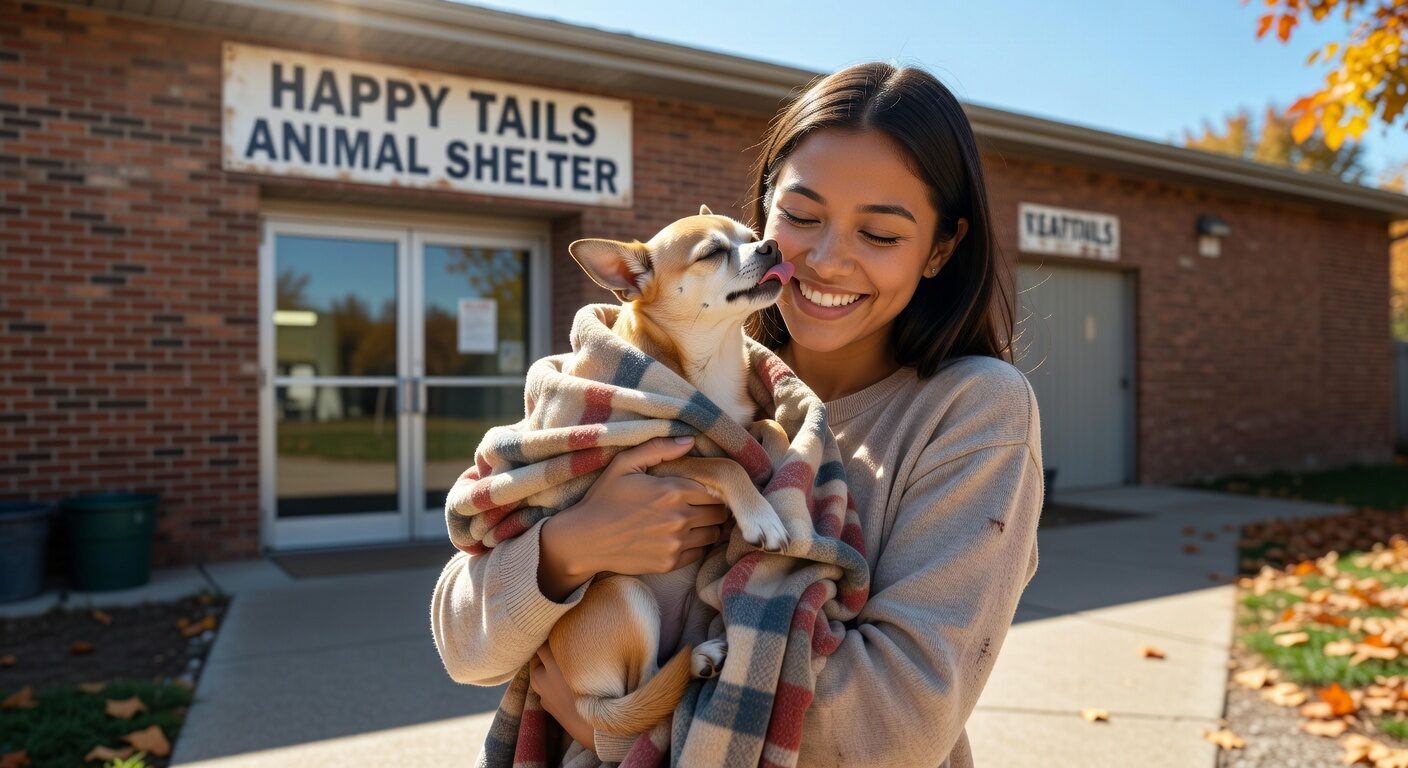
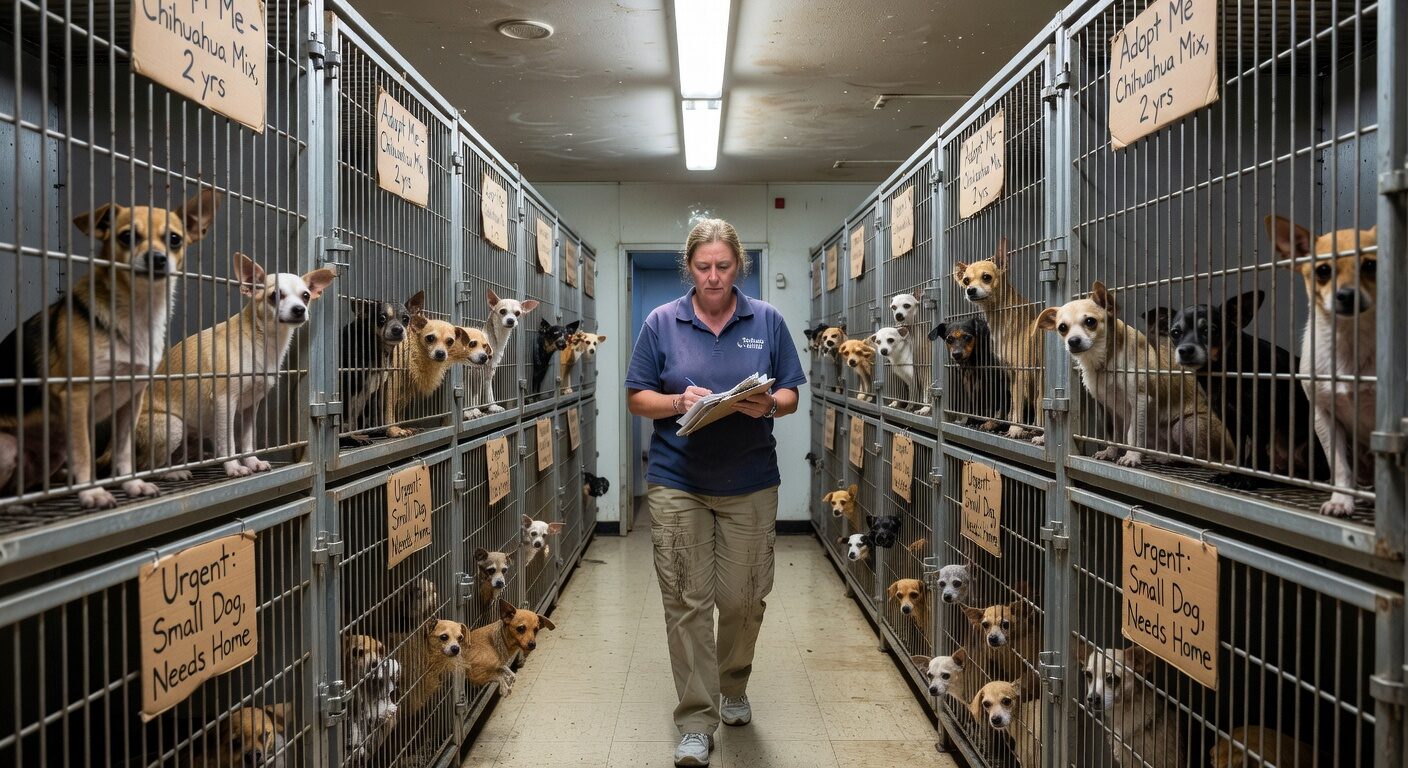
A look at why chihuahuas keep showing up in municipal shelters in disproportionate numbers, told through three intake walks and the hard math behind them.
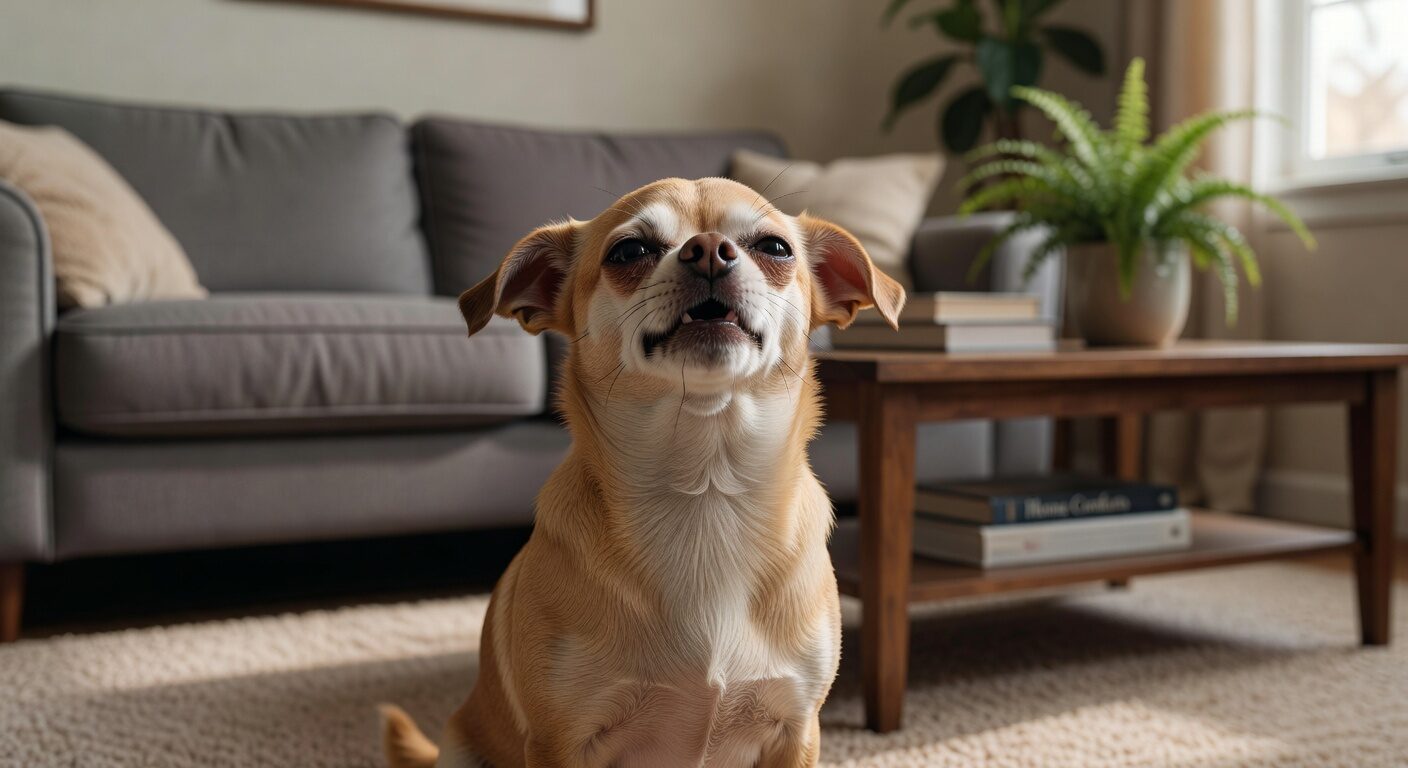
What the various sounds a chihuahua makes actually mean, from the reverse sneeze to the honking cough, and which ones warrant a vet visit.
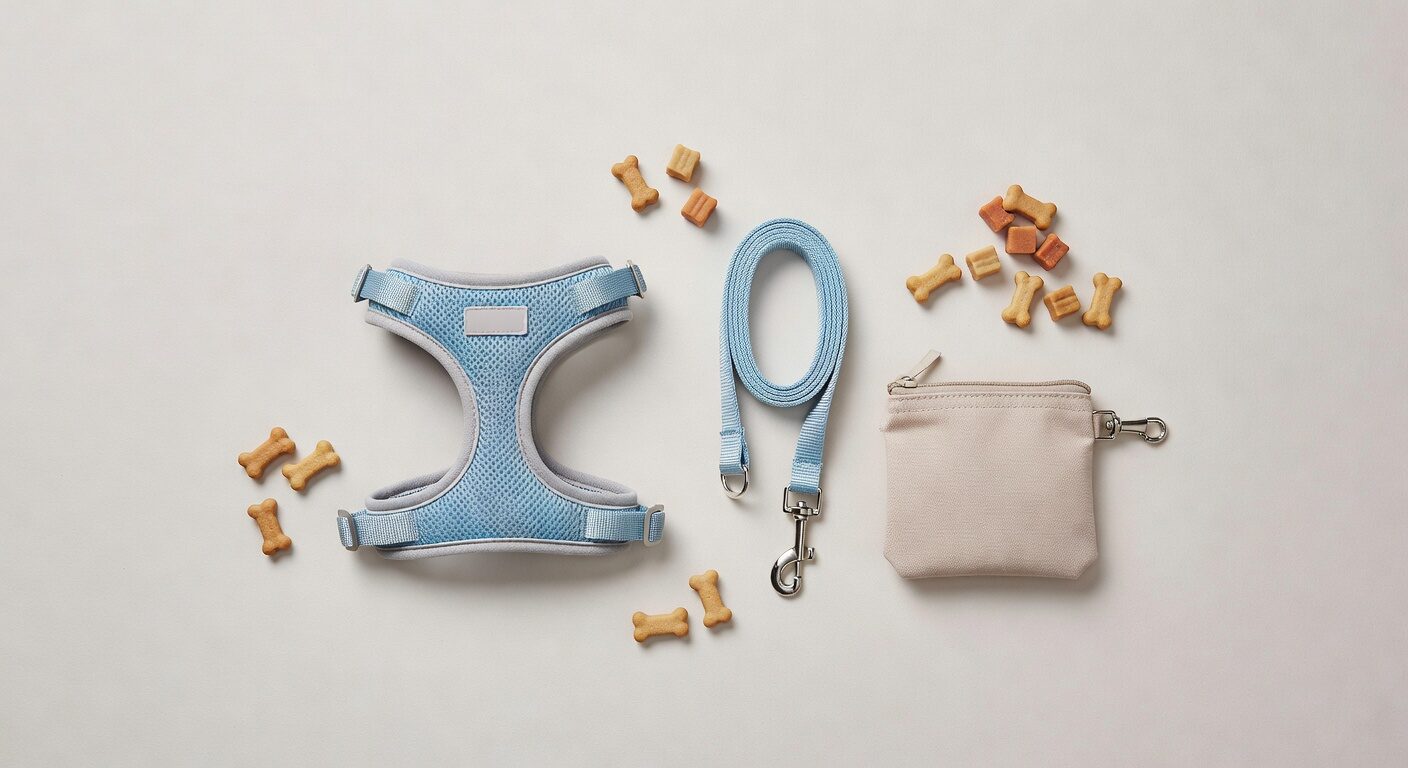
Why some chihuahuas plant their feet at the front door, what the protocol looks like for a leash-resistant small dog, and the gear that actually works.
Why chihuahuas bark, how to tell which kind of barking you are dealing with, and a force-free protocol for the four most common patterns.
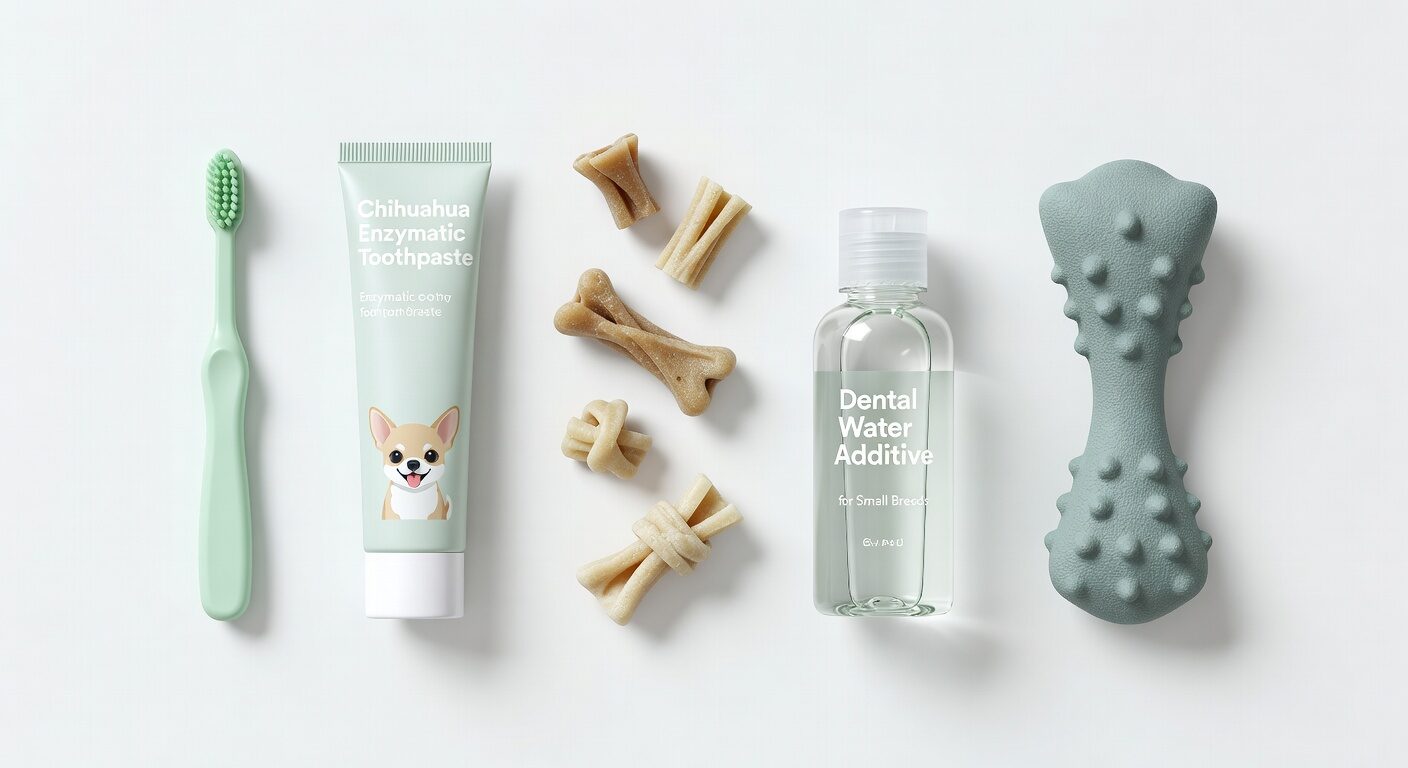
Why a chihuahua's mouth is the most common source of medical issues in the breed, what daily home care actually involves, and the cleaning cadence your veterinarian is balancing on the chart.
On the first 90 days with a rescue chihuahua: what decompression actually looks like, what the household does, and the small moves that build trust on the dog's timeline.
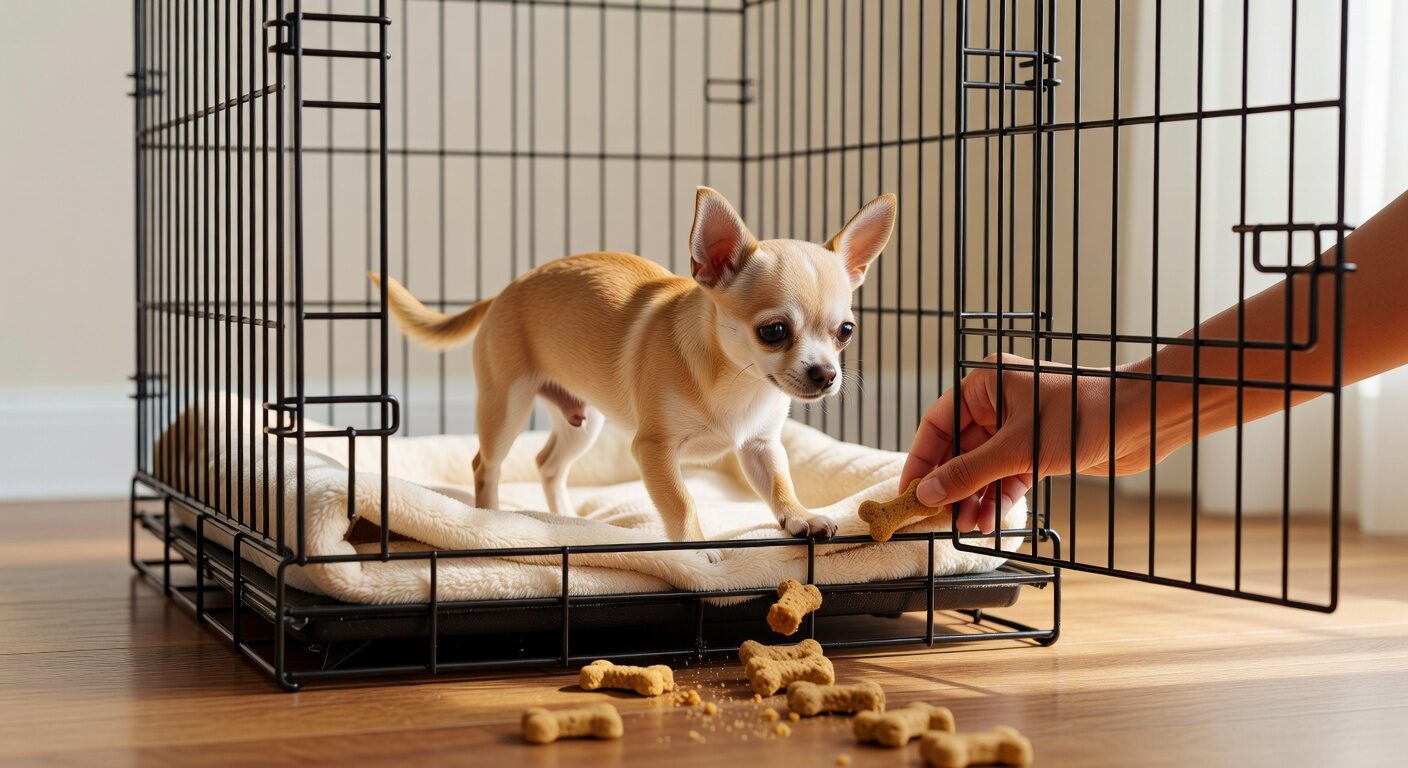
Why crate training a chihuahua actually works, the force-free protocol that gets to a comfortable den in two to four weeks, and the common mistakes that turn the crate into a punishment.
A look at the structural reasons chihuahuas are over-represented in U.S. shelters: the early-2000s popularity boom, breed myths, regional concentration, and what the rescue community is doing now.
What core and non-core vaccines a chihuahua actually needs, when to schedule them, and the small breed considerations your veterinarian is balancing on the chart.
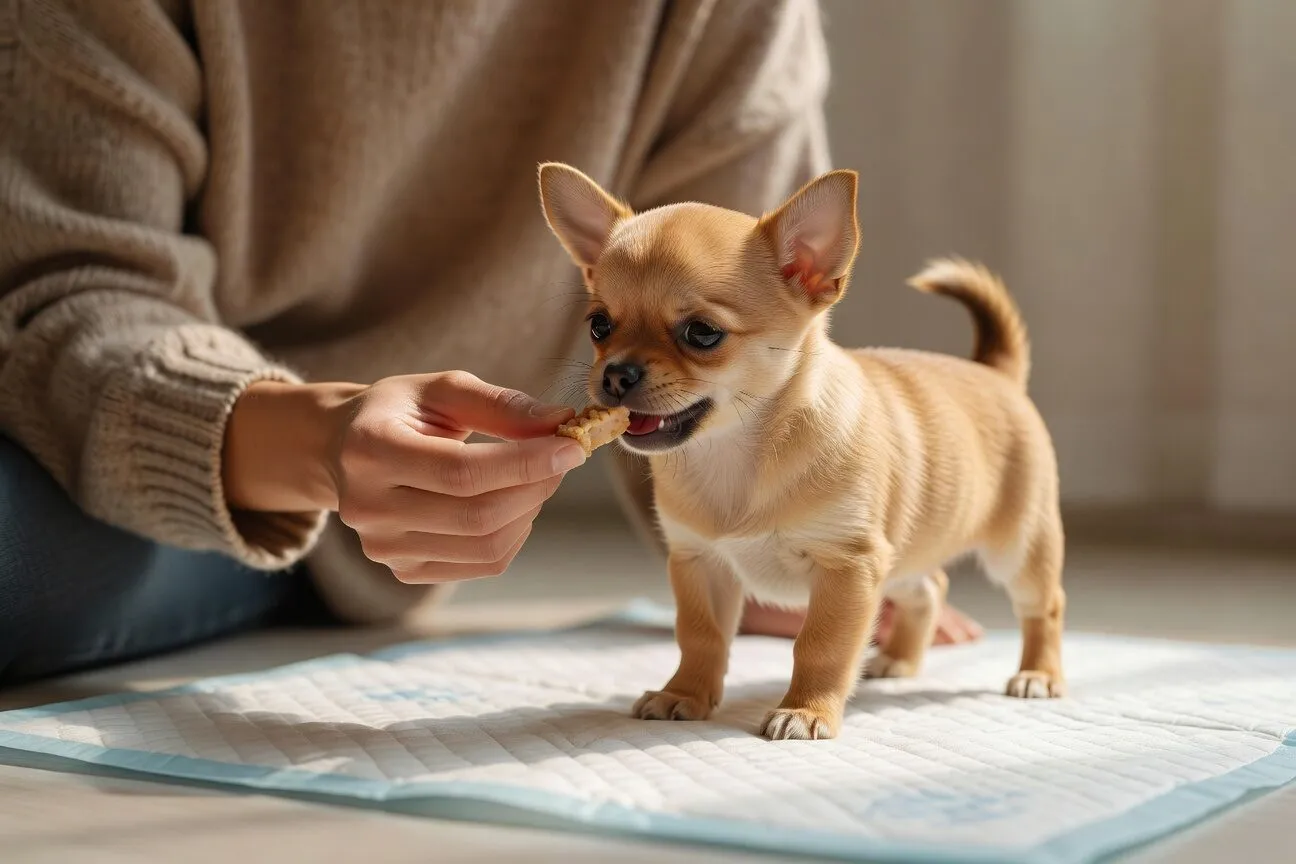
Why potty training a chihuahua takes longer than most owners expect, and a force-free, evidence-based plan that gets to reliable results in three to six months.
What actually differs between long-coat and smooth-coat chihuahuas: genetics, grooming load, climate fit, and a few myths the breed-history desk would like to retire.
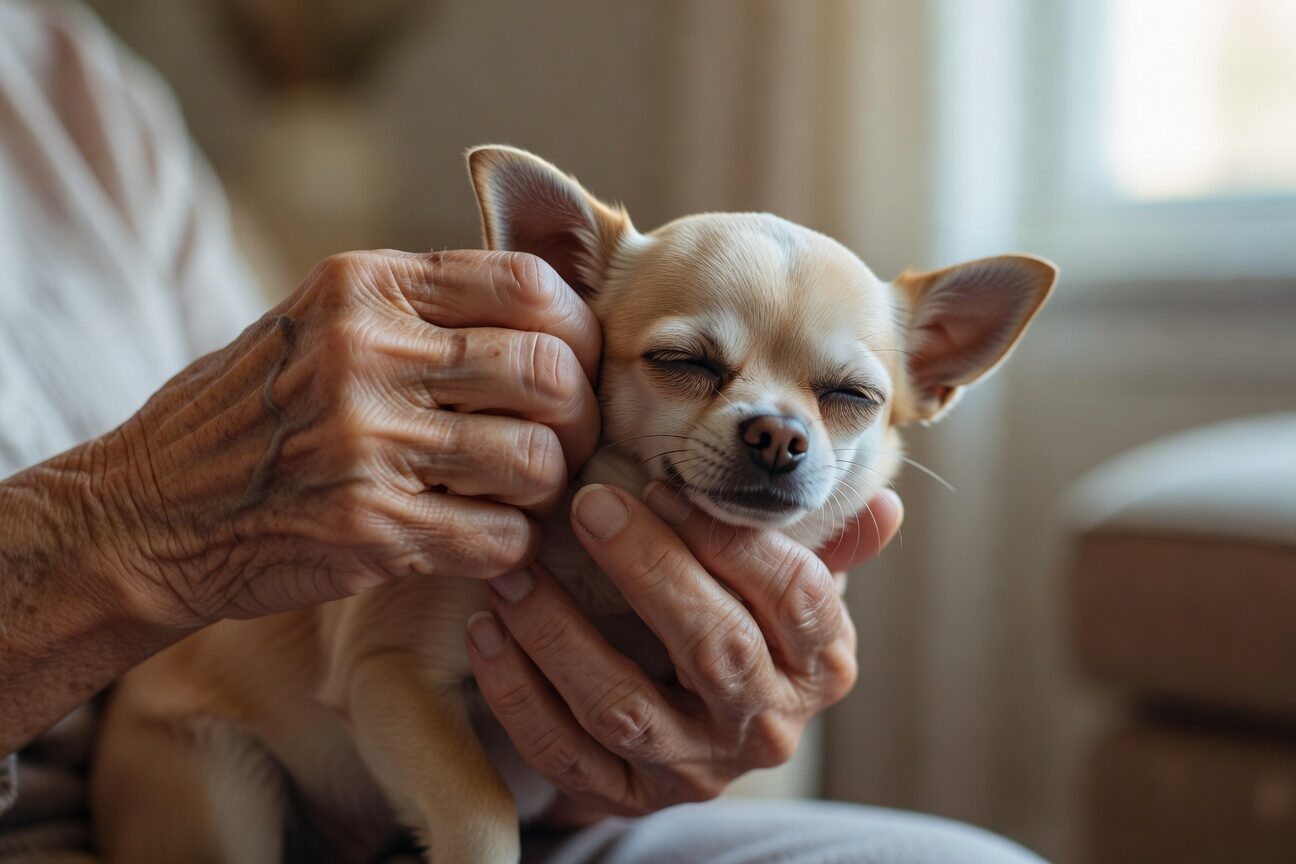
On Tuesday afternoons in a nursing home outside Denver, a blind chihuahua named Pudding sits on laps and rotates through forty-three rooms with a retired pediatric nurse and a small folded towel.
What an experienced breed-history desk would tell a first-time chihuahua owner across a kitchen table: cost, time horizon, temperament, and the questions that matter at the rescue interview.
On the year a small dog named Bean arrived at our house from a regional rescue group, and the small things that have, in retrospect, quietly changed in the household.
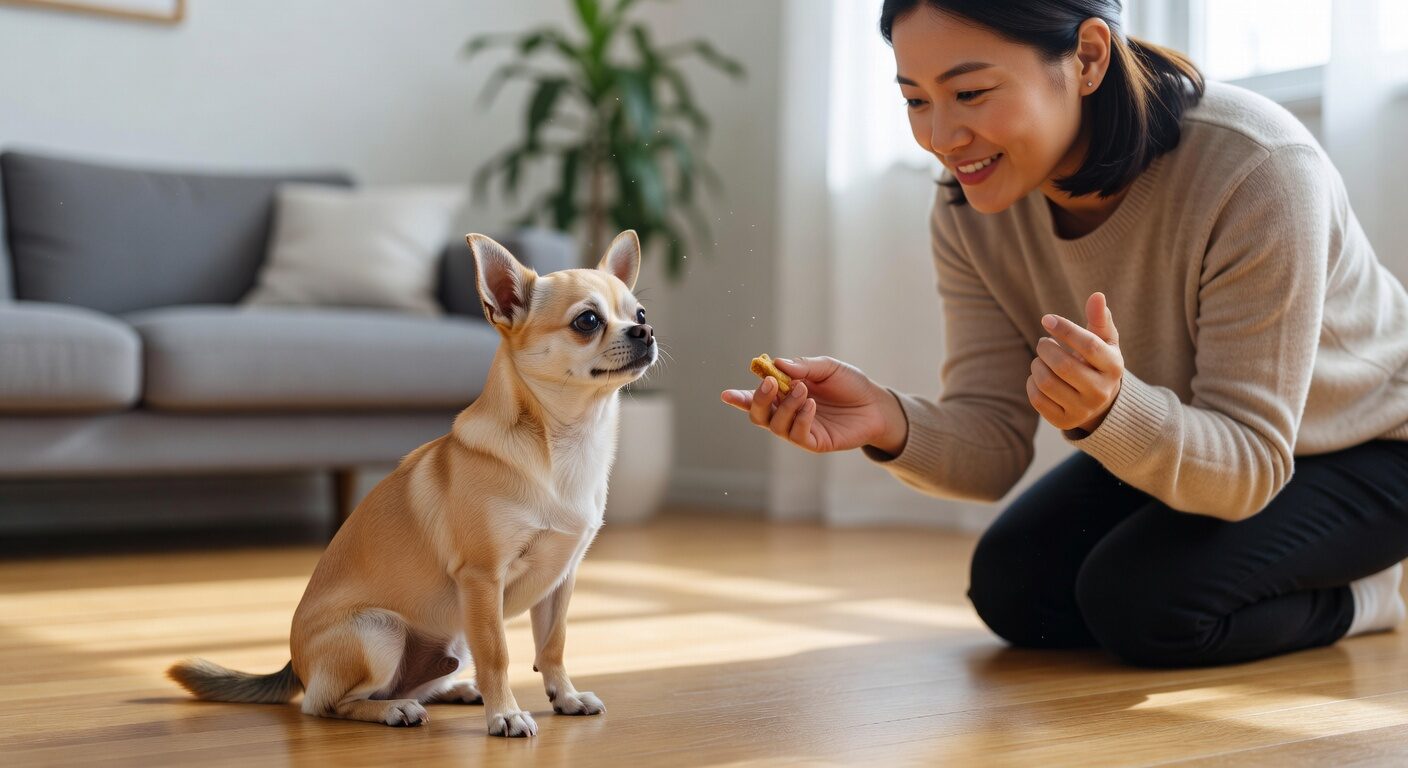
How to teach sit, stay, and come to a chihuahua, in force-free terms: short sessions, high-value reinforcement, and the small fixes that work for opinionated small dogs.
A force-free, evidence-based plan for the first eight weeks home, week by week: name, potty, crate, four basic cues, and the gentle socialization a small puppy needs.
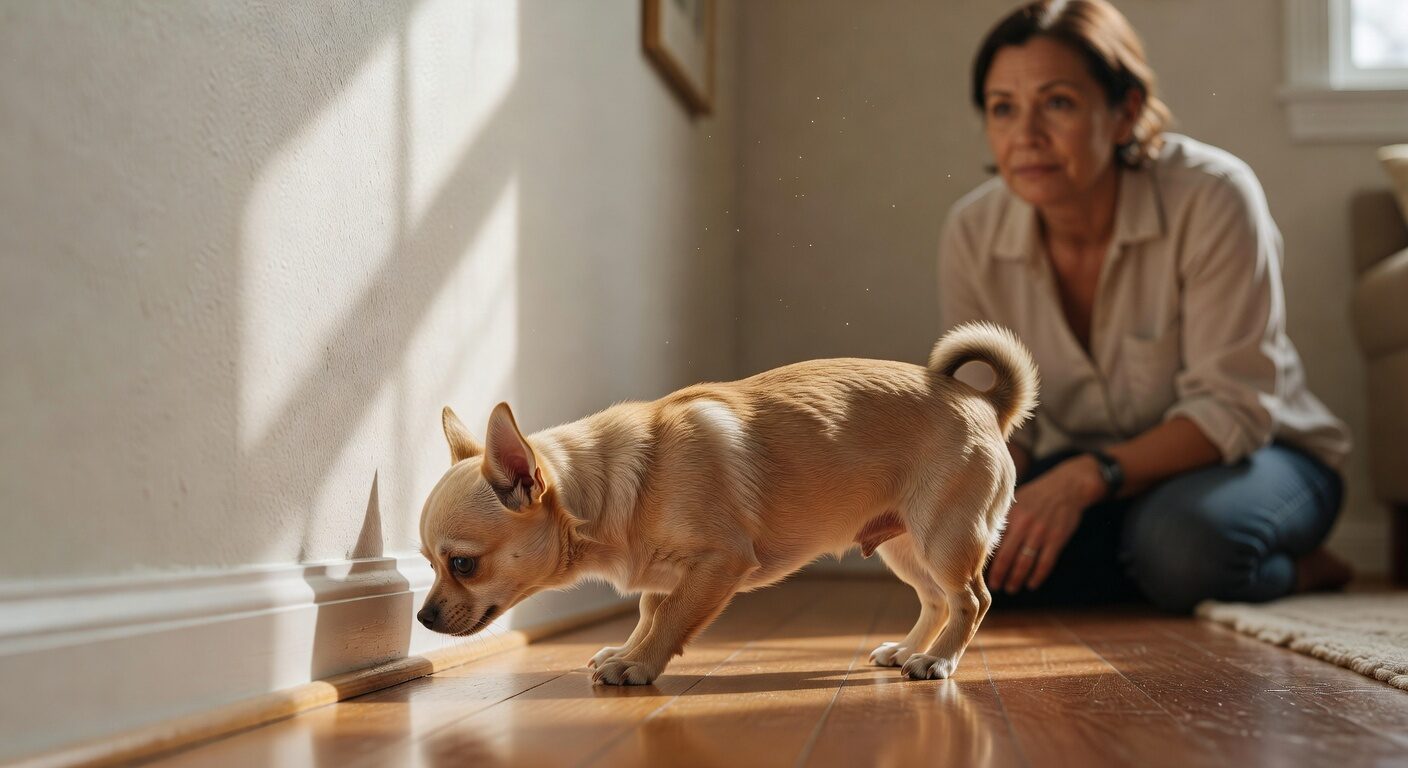
Against my better judgment, on a Saturday in October, I drove to rural Indiana and came home with a six-pound long-coat chihuahua named Milly Mae. The plan, and the failure of the plan.
Why a small dog packs on the pounds faster than her owner expects, in plain language: treat creep, portion drift, the senior slowdown, medical mimics, and the spay-neuter shift.