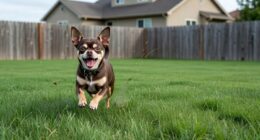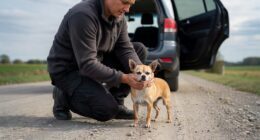


My boy turned twelve last spring, and I watched him miss a step he has taken a thousand times. Just a small stumble off the porch, nothing dramatic. But I stood there with my coffee going cold in my hand and thought: we are here now. Senior chihuahua care is not something you prepare for. It sneaks up on you between the good days.
When the Zoomies Slow Down and Senior Chihuahua Care Begins
There was a time when my chihuahua would tear across the living room at full speed three or four times a day for absolutely no reason. The zoomies were his religion and the couch was his launching pad. Now he does one lap, maybe two, and then finds his spot in the sun. He still has fire in him. It just burns at a lower temperature these days.
Most chihuahuas enter their senior years somewhere between ten and twelve, though some start showing signs earlier depending on their health history. The AKC’s guide to senior dog care notes that small breeds like chihuahuas tend to live longer than larger dogs, but that extended lifespan means more time in the senior phase. That is both a gift and a responsibility.
I noticed the changes gradually. The jump onto the bed became a hesitation. The bark at the mailman lost some of its conviction. He started sleeping through sounds that would have sent him into a frenzy two years ago. Each of these moments was tiny on its own, but together they painted a picture I could not ignore. My puppy had become an old man, and he needed me to pay attention to his senior chihuahua care needs in ways I had never considered before.

Adjusting Exercise for Your Senior Chihuahua
One of the biggest mistakes I see chihuahua owners make with senior dogs is eliminating exercise entirely. Yes, your twelve-year-old does not need the same walks they had at five. But they still need movement. Their joints stiffen without it. Their muscles waste. Their minds dull. Senior chihuahua care is about adjusting the intensity, not removing the activity. com/walking-your-chihuahua-safely-guide/” title=”Walking Your Chihuahua: A Guide That Goes”>Walking Your Chihuahua: A Guide That Goes.
I shortened our walks from thirty minutes to fifteen. We go at his pace now, not mine. Some days he wants to sniff every blade of grass on the block, and I let him. Other days he makes it to the end of the driveway and turns around. Both of those walks count. I also added gentle indoor play, rolling a soft ball across the carpet, letting him chase it at whatever speed feels right. He still brings it back with his tail up. That matters more than distance.
If your senior chihuahua seems reluctant to walk at all, talk to your vet before assuming they are just being stubborn. Pain hides behind laziness in older dogs more often than we realize. A simple joint supplement or anti-inflammatory can make a dramatic difference. Learn more about recognizing hidden pain in our guide to spotting hidden illness in chihuahuas.
Diet and Dental Changes for Aging Chihuahuas
I switched my boy to a senior formula when he turned ten, and I wish I had done it sooner. Their metabolism slows down. The same portions that kept them lean at six can make them overweight at eleven, and extra weight on a five-pound frame puts brutal pressure on already aging joints.
I reduced his portions slightly and switched to a food with higher protein, added glucosamine, and lower fat content. The PetMD senior dog nutrition guide recommends looking for easily digestible proteins and foods fortified with omega-3 fatty acids for joint and brain health. I also started adding a small amount of pumpkin puree to his meals for digestive support, which he considers the greatest upgrade of his entire life.
And dental care. If there is one area of senior chihuahua care I will never stop talking about, it is teeth. Chihuahuas are already prone to dental disease at any age, but in their senior years the risks multiply. My vet found two cracked teeth during a routine check that my boy showed zero signs of pain over. After the extraction, his energy improved within a week. Do not skip dental exams. The mouth is connected to everything, the heart included. Read about building a dental routine in our guide to chihuahua dental care.

Hearing, Vision, and the Grace of Slowing Down
My chihuahua does not hear the doorbell anymore. I know because I watched him sleep through the UPS driver ringing it three times while my other dog lost her mind barking. He also bumps into furniture he has navigated flawlessly for years, especially in dim light. These changes are hard to watch. I will not pretend otherwise.
But there is grace in them too. He has learned to rely on me more. He checks my face before committing to a jump he used to make without thinking. He follows my footsteps instead of charging ahead on walks. Our relationship has shifted from parallel adventurers to something more like a team, with me as his seeing-eye human and him as the reason I pay attention to every small moment in a day. I would not trade this phase for anything. It is teaching me things about love that the puppy years never could. For more ways to understand what your chihuahua is telling you, explore our chihuahua body language guide.
Vet Visits and the Heart of Senior Chihuahua Care
More vet visits. That is the answer nobody wants to hear but everyone needs to accept. I take my senior chihuahua in every six months now instead of annually. Blood panels, dental exams, weight checks, joint assessments. Catching something early in a senior dog can mean years of comfortable life versus weeks of emergency treatment. The VCA Hospitals senior dog FAQ recommends biannual visits for any dog over ten, and for chihuahuas I think that advice is worth following to the letter.
Quality over quantity. That phrase used to sound like a cliche to me. Now it sounds like the truest thing I know. My boy may not zoom across the living room anymore, but he curls into my lap with a contentment that the puppy version of him never had. He has figured out the important things: warmth, closeness, the sound of my voice, the spot where the afternoon sun hits the couch. Senior chihuahua care is really just the practice of making sure those simple things remain available and comfortable for as long as they possibly can.

At what age is a chihuahua considered a senior?
Most veterinarians consider chihuahuas to be seniors between the ages of ten and twelve. However, some chihuahuas may show signs of aging earlier due to genetics, dental disease, or other chronic health conditions. Regular vet checkups starting around age eight can help you identify the transition into the senior phase early and adjust their care accordingly.
How often should I take my senior chihuahua to the vet?
Senior chihuahuas should visit the vet at least twice a year for comprehensive wellness exams. These visits typically include blood work, dental evaluation, weight monitoring, joint assessment, and heart and lung checks. Biannual visits allow your vet to catch emerging health issues before they become serious, which can significantly extend your chihuahua’s comfortable lifespan.
What is the best food for a senior chihuahua?
Look for a senior-formulated dog food with high-quality, easily digestible protein as the first ingredient. The food should include glucosamine and chondroitin for joint support, omega-3 fatty acids for brain and coat health, and reduced fat content to prevent weight gain. Consult your vet for specific brand recommendations based on your chihuahua’s individual health needs and any existing conditions.
How much exercise does a senior chihuahua need?
Senior chihuahuas still benefit from daily exercise, but the intensity and duration should be reduced. Two short walks of ten to fifteen minutes each are usually sufficient, along with gentle indoor play. Let your chihuahua set the pace and watch for signs of fatigue or pain. If they seem reluctant to move, consult your vet to rule out joint pain or other underlying conditions before assuming they are just being lazy.
Do senior chihuahuas need dental care?
Dental care is critical for senior chihuahuas. The breed is already prone to dental disease at any age, and the risks increase significantly as they get older. Have your vet perform dental exams at every visit, brush your chihuahua’s teeth at least three times per week, and provide vet-approved dental chews. Untreated dental infections can spread to the heart and kidneys, making oral health a life-or-death priority in senior dogs.