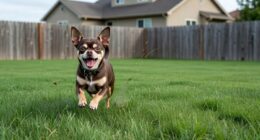

My chihuahua Pixie was what you might politely call high-strung. She barked when the mailman came. She barked when the mailman left. She barked at sounds only she could hear, at shadows that moved wrong, and at the particular way the refrigerator hummed on Tuesday afternoons. When I left the apartment for work, she would howl, scratch at the door, and once chewed through the corner of a baseboard. She was stressed, and her stress was making both of us miserable. If you’re reading about chihuahua anti anxiety medication, you’re in the right place.
So when the vet suggested trying an anti-anxiety medication, I said yes without hesitating. It felt like the right call. My dog was suffering, there was a pharmaceutical solution, and I trusted the system. What happened next taught me that medication for canine anxiety is far more complicated than I expected, and that a pill is never the whole answer.
What Stress Looks Like in a Chihuahua
Before I get into the medication story, I want to talk about stress in chihuahuas because I think a lot of owners do not recognize it for what it is. Chihuahuas are sensitive dogs. They bond deeply with their owners and they are acutely aware of changes in their environment. A new piece of furniture, a different schedule, the loss of another pet, or even a change in the household’s emotional temperature can trigger genuine stress responses.
Related: common Chihuahua health issues.
The signs of stress in a chihuahua can include excessive barking, destructive behavior, loss of appetite or overeating, obsessive licking or chewing on their own body, hair loss, diarrhea, hyperactivity that does not match the situation, and withdrawal from activities they normally enjoy. Pixie had at least five of these going at any given time, and I had been attributing most of them to her personality rather than recognizing them as symptoms of a problem.
What most people do not realize is that chronic stress in dogs works the same way it does in humans. The body produces cortisol, the stress hormone, and when that production stays elevated over long periods it suppresses the immune system, disrupts digestion, and can cause or worsen a range of health problems. A chronically stressed chihuahua is not just unhappy. They are physically compromised.
The Medication Experiment and What Went Wrong
Pixie was prescribed a common anti-anxiety medication that the vet described as safe and effective for short-term use. The first few days seemed promising. She was calmer, less reactive, and I felt relief for the first time in months. But by the end of the first week, calmer had turned into lethargic. She was not just relaxed, she was drowsy. She was not interested in walks, she barely ate, and when she did get up, she seemed disoriented. She did not seem like my dog anymore.
I called the vet, who adjusted the dosage. Things improved slightly but the underlying pattern continued. Pixie was either medicated into a stupor or her anxiety came roaring back the moment we reduced the dose. After six weeks of adjustments, the vet and I agreed that this particular medication was not working for her, and we stopped it under medical supervision.
What Actually Helped Pixie’s Anxiety
After the medication experience, I took a different approach. I worked with a veterinary behaviorist, which is a vet who specializes specifically in animal behavior and can create a comprehensive plan that addresses the root causes of anxiety rather than just the symptoms. com/chihuahua-separation-anxiety-guide/” title=”Chihuahua Separation Anxiety: The Full Picture”>Chihuahua Separation Anxiety: The Full Picture.
The first thing the behaviorist identified was that Pixie’s separation anxiety was being made worse by my departure routine. I would give her extra attention before leaving, talk to her in a concerned voice, and make a big production of saying goodbye. All of this was signaling to Pixie that my leaving was a big, worrying event, which confirmed her fear that something bad was happening.
We changed the routine completely. I started leaving the apartment without any fanfare, no long goodbyes, no worried voice, just a casual exit like I was stepping into the next room. I also started practicing short departures, leaving for thirty seconds, then two minutes, then five, then fifteen, gradually building up Pixie’s tolerance for being alone. Each time I returned, I kept my greeting low-key to reinforce that coming and going was normal and boring.
The Role of Exercise, Routine, and Environment
The behaviorist also pointed out that Pixie was under-exercised and under-stimulated. A chihuahua who spends all day in a quiet apartment with nothing to do and no outlet for their energy will find ways to burn that energy, and anxiety behaviors are often the result. We increased Pixie’s walks, added puzzle toys that made her work for her food, and established a daily routine that gave her life predictability and structure. com/20-best-dog-foods-for-chihuahuas-in-2023/” title=”Best Dog Foods for Chihuahuas”>Best Dog Foods for ChihuahEnvironmental changes helped too. I left a radio on when I was gone so the apartment was not silent. I gave Pixie a shirt I had worn so she had my scent for comfort. I set up her crate with her favorite blanket and made it her safe space. These were small changes individually but together they created an environment that was less anxiety-inducing for a dog wired to be sensitive to her surroundings. should consider.
Safer Alternatives That Made a Real Difference
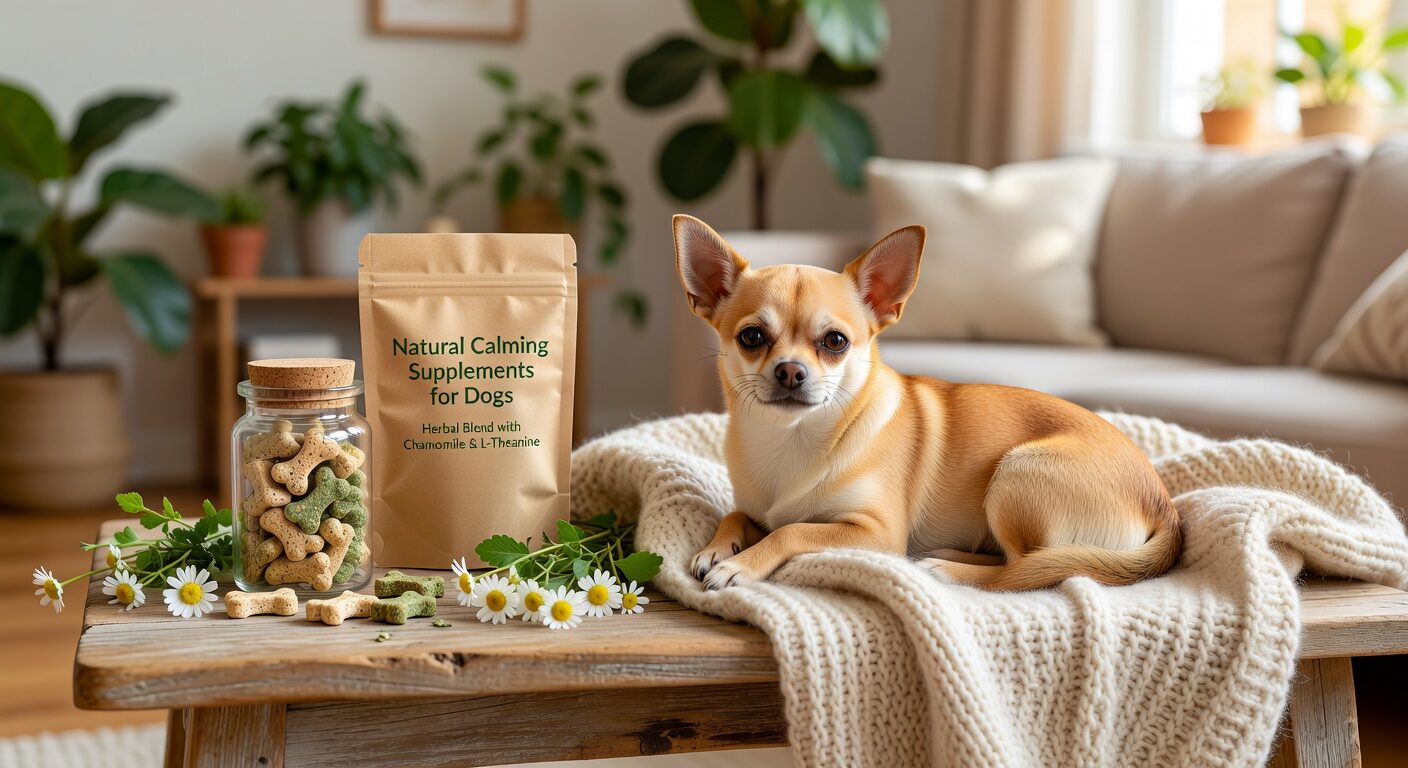
Instead of going back to pharmaceutical medication, we tried several gentler approaches. A calming supplement recommended by the behaviorist that contained L-theanine and casein seemed to take the sharpest edge off Pixie’s anxiety without the sedation effect of the previous medication. Music therapy, specifically classical music played at low volume, had a noticeable calming effect during high-anxiety moments like thunderstorms or fireworks.
An anxiety wrap, which is a snug garment that applies gentle constant pressure to the dog’s body similar to swaddling a baby, helped during specific stressful events. It did not eliminate the fear but it reduced the intensity of the reaction enough that Pixie could function instead of panicking. The American Kennel Club recommends positive reinforcement methods for small breeds like chihuahuas.
Where We Are Now
Pixie is not a completely anxiety-free dog and she probably never will be. She is a chihuahua with a sensitive temperament and certain things will always make her uncomfortable. But she is dramatically better than she was. She can be alone for a full workday without destroying anything. She still barks at the mailman but she stops when asked. She sleeps through the night instead of pacing. And she is not on any medication, which matters to me because her liver and kidneys are not processing chemicals they do not need.
If your chihuahua is struggling with anxiety, please talk to your vet about all of your options, not just the pharmaceutical ones. Medication has its place for severe cases, but it should be part of a broader plan, not the plan itself. For more on managing your chi’s stress, read about what to do when your chihuahua is stressed and learn more about recognizing chihuahua anxiety.
For more detailed guidance on this topic, the ASPCA offers excellent resources backed by veterinary professionals.
I have been through this with my own chihuahua. It is one of those things that looks simple on paper but gets complicated fast when you are actually dealing with a four-pound dog who has opinions about everything.
The truth about chihuahua anti anxiety medication is that there is no single right answer. What works for one chihuahua might be completely wrong for another. Mine took weeks to adjust. Some dogs figure it out in days. The size of your chihuahua matters. Their age matters. Their personality matters most of all.
Here is what I wish someone had told me earlier. Start small. Do not try to change everything at once. Chihuahuas are stubborn but they are also sensitive. Push too hard and they shut down. Go too slow and nothing changes. The sweet spot is somewhere in the middle and you have to find it yourself.
I talked to other chihuahua owners about chihuahua anti anxiety medication and heard the same thing over and over. Patience. Consistency. And a willingness to look a little silly in public because chihuahuas do not care about your dignity.
If you are just getting started with chihuahua anti anxiety medication, give yourself grace. You will make mistakes. Your chihuahua will make more of them. That is the whole process. And honestly, once you get through the hard part, it is worth it.
Understanding this starts with recognizing the specific needs and behaviors of the breed. Chihuahuas are unique in their sensitivity, size, and temperament, and what works for larger breeds often needs adjustment for these tiny dogs.
Living with a chihuahua means adapting to their personality and physical requirements. This affects everything from your schedule to your home environment, and being prepared makes a significant difference in both your quality of life and your dog’s.
If you notice persistent changes in your chihuahua’s behavior, appetite, energy level, or physical condition related to chihuahua anti anxiety medication, schedule a vet visit. Early intervention is always better than waiting, especially with a breed as small as a chihuahua.
What should every chihuahua owner know about this?
Understanding this starts with recognizing the specific needs and behaviors of the breed. Chihuahuas are unique in their sensitivity, size, and temperament, and what works for larger breeds often needs adjustment for these tiny dogs.
How does this affect your daily life with a chihuahua?
Living with a chihuahua means adapting to their personality and physical requirements. This affects everything from your schedule to your home environment, and being prepared makes a significant difference in both your quality of life and your dog’s.
When should I talk to a vet about this?
If you notice persistent changes in your chihuahua’s behavior, appetite, energy level, or physical condition related to chihuahua anti anxiety medication, schedule a vet visit. Early intervention is always better than waiting, especially with a breed as small as a chihuahua.