
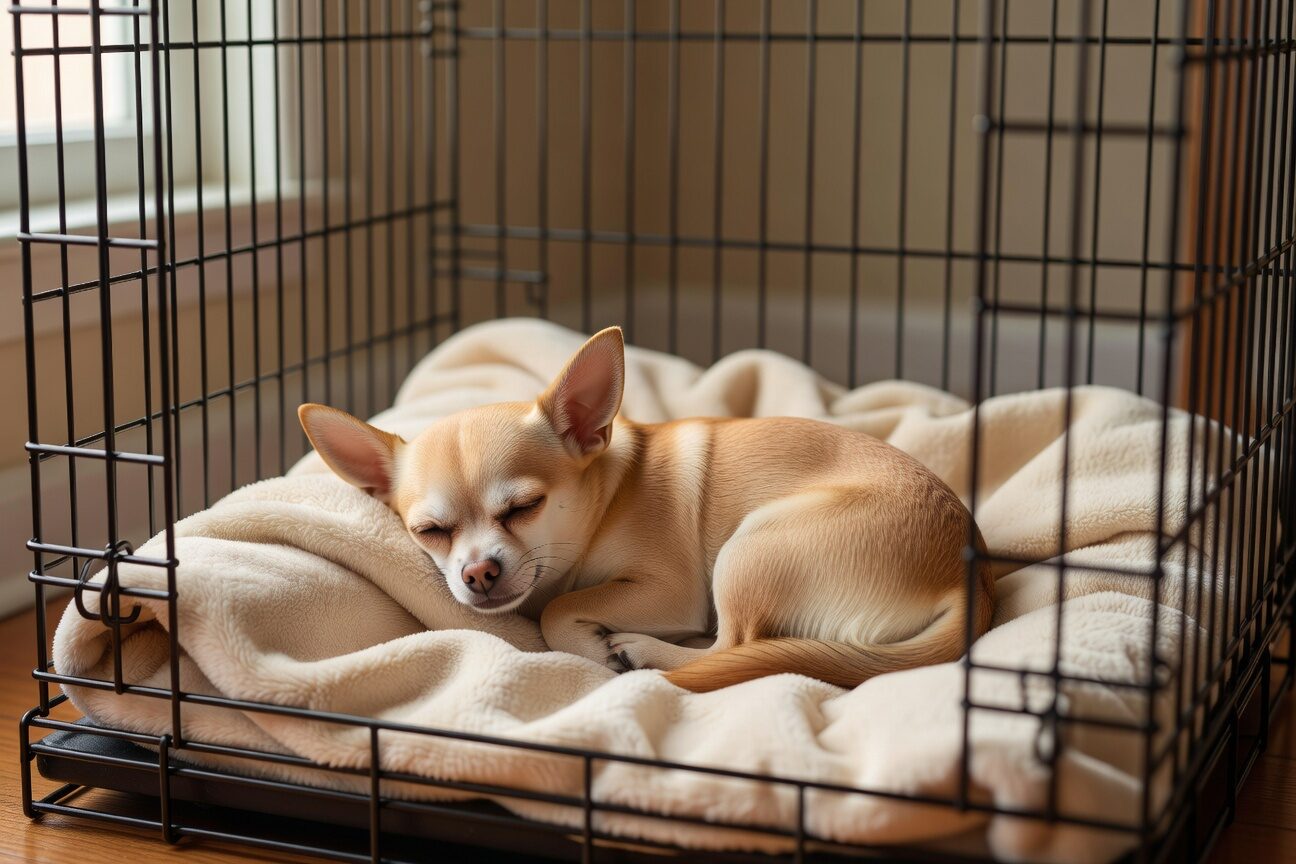

There was a two-week period when I genuinely considered returning my chihuahua puppy. I am not proud of that thought, but I am being honest about it. Pickle screamed in his crate like something was actively killing him. Every single night for fourteen nights straight. The breakthrough in our chihuahua crate training journey did not come from a new technique. It came from me finally understanding what I had been doing wrong.
Why Chihuahua Crate Training Fails So Often
Most chihuahua owners approach crate training the same way they would with any dog, and that is exactly why it fails. Chihuahuas are not any dog. They are small enough that the crate feels like a vast empty space instead of a cozy den. They are emotionally intense enough that separation from their person triggers a response that sounds less like whining and more like a genuine emergency broadcast.
I made the classic mistake of buying a crate that was “the right size” For a chihuahua puppy, that crate was enormous. Pickle would sit in one corner and stare at the empty space around him, clearly overwhelmed. The AKC’s crate training guide says the crate should be just big enough for the dog to stand, turn, and lie down. For a three-pound chihuahua puppy, that means a crate so small it looks like it was made for a hamster. Get the smallest one you can find and use dividers if needed.
The Chihuahua Crate Training Breakthrough That Changed Everything
On night fifteen, I was so sleep-deprived that I accidentally fell asleep on the floor next to his crate. When I woke up four hours later, Pickle was sleeping quietly. He had not screamed once. That was the moment I realized: chihuahua crate training is not about the crate. It is about proximity.
I moved the crate next to my bed, right at pillow level. I draped a light blanket over three sides so it felt enclosed. I put one of my worn t-shirts inside. That night, Pickle whimpered for about ten minutes and then fell asleep. The night after that, five minutes. By the end of the week, he was walking into the crate on his own at bedtime. com/8-chihuahua-training-tips-that-work/” title=”8 Training Tips That Actually Work for Chihuahuas”>8 Training Tips That Actually Work for Chihuahuas.
The secret was so simple I almost felt stupid for not figuring it out sooner. Chihuahuas need to know you are there. They do not need to see you or touch you. They just need to hear your breathing, smell your scent, and feel confident that you have not vanished from the face of the earth. Once Pickle had that reassurance, the crate stopped being a punishment and became his spot. According to Dogster’s crate training tips, location and sensory comfort matter more than any training schedule for small, anxious breeds.
Building the Habit: Daily Chihuahua Crate Training Steps
After the nighttime breakthrough, I started working on daytime crate training. I fed Pickle every meal inside the crate with the door open. I tossed high-value treats in randomly throughout the day. I never used the crate as punishment, not once, because one negative association can undo weeks of progress with a breed this sensitive.
I started closing the door for thirty seconds while I stood right there. Then a minute. Then five. Then I stepped out of sight for ten seconds. Then thirty. Each increase happened over days, not hours. Chihuahua crate training is not a sprint. It is the slowest marathon you will ever run, and if you skip steps, you start over from zero.
The moment that told me we had turned a corner was when I found Pickle napping in his crate with the door wide open. He had chosen it. Nobody put him there. He just decided it was the best spot in the house, and he was right. That crate is now lined with his favorite blanket, positioned next to the window where the morning sun hits, and he retreats to it whenever the house gets too loud or too busy. If you are struggling with early puppy days, read about my experience bringing a chihuahua puppy home.
Common Chihuahua Crate Training Mistakes to Avoid
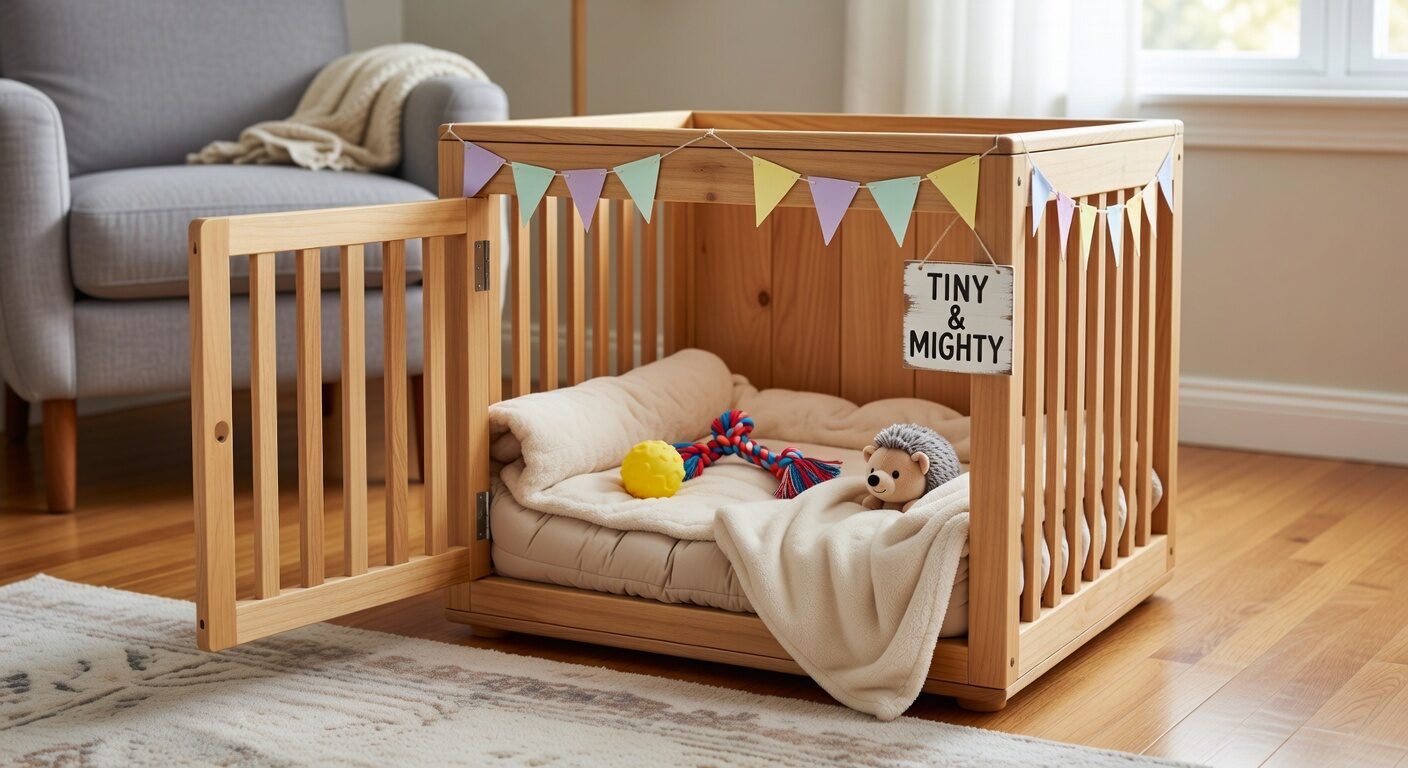
Do not use the crate as a time-out zone. Your chihuahua will associate it with punishment and you will never get voluntary compliance. Do not leave your chihuahua crated for more than four hours during the day. Their small bladders and high social needs make long confinement cruel, not practical. Do not put the crate in an isolated room. The whole point is that they feel connected to their family even while contained.
The biggest mistake I see is people giving up too soon. Chihuahua crate training takes longer than it does with larger breeds because the emotional intensity is higher. Two weeks of screaming feels like an eternity when you are living through it, but most chihuahuas turn the corner between two and four weeks if you stay consistent. Giving in and letting them sleep in your bed on night twelve means starting over from scratch on night thirteen. For more training insights, check our chihuahua training tips.

What Chihuahua Crate Training Taught Me About Patience
Pickle is two now. He sleeps in his crate every night without a sound. He goes in voluntarily when I pick up my keys because he knows the routine. He has never chewed anything he should not have because the crate kept him safe during the teething phase when I could not supervise. Every sleepless night was worth it.
Chihuahua crate training taught me that the hardest parenting moments are usually the ones where the answer is to do less, not more. Stop trying so hard. Stop overcomplicating it. Give them what they actually need, which is closeness, consistency, and a space that smells like you, and trust that they will figure the rest out. They always do. These tiny dogs are smarter than we give them credit for. And if your chihuahua is past the puppy stage, it is still not too late. Read our guide on training an older chihuahua.
How long does it take to crate train a chihuahua?
Most chihuahuas take two to four weeks to fully accept crate training with consistent effort. Some may take longer due to their emotional sensitivity and strong attachment to their owners. The key is gradual increases in crate time, positive associations with treats and comfort items, and positioning the crate near your sleeping area so the dog feels connected even when contained.
What size crate does a chihuahua need?
A chihuahua needs a very small crate, typically 18 to 22 inches in length. The crate should be just large enough for your dog to stand up, turn around, and lie down comfortably. A crate that is too large defeats the purpose of creating a den-like environment and can make the dog feel exposed rather than secure. Use a divider panel if you buy a slightly larger crate to reduce the interior space.
Why does my chihuahua scream in the crate?
Chihuahuas scream in crates primarily due to separation anxiety and a strong need for proximity to their person. The crate may also be too large, too isolated, or associated with negative experiences. Move the crate to your bedroom, add your scent through a worn shirt, cover three sides with a blanket, and ensure the crate is the right size. Most chihuahuas stop screaming once they can sense their owner is nearby.
Should I let my chihuahua cry it out in the crate?
Brief periods of whining are normal and expected during crate training, but prolonged screaming indicates distress rather than simple protest. Do not remove the dog during active crying, as this rewards the behavior, but do ensure the crate setup is correct. If crying continues beyond twenty minutes despite proper crate placement, size, and comfort items, slow down your training timeline and go back to shorter intervals with the door open.
How long can a chihuahua stay in a crate during the day?
Adult chihuahuas should not be crated for more than four hours at a stretch during the day. Puppies need even shorter intervals based on their age in months plus one hour. A three-month-old puppy should not be crated for more than four hours. Chihuahuas are social dogs with small bladders and high emotional needs, and excessive crating leads to anxiety, behavioral problems, and house training regression.