
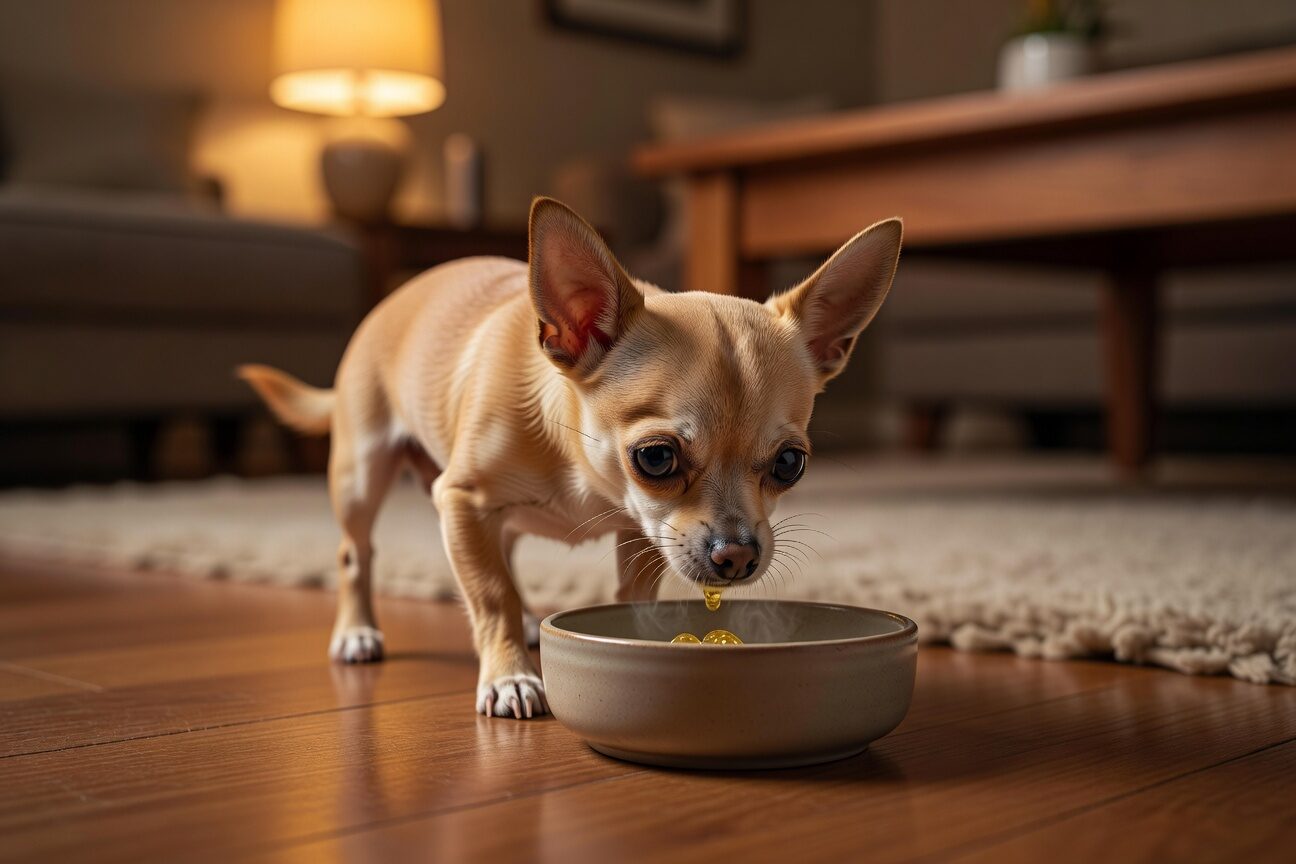

, iI stood in the supplement aisle at the pet store for forty-five minutes the first time. Forty-five minutes. My chihuahua, Pepper, was two years old and had just been diagnosed with early signs of joint stiffness. The vet said supplements might help. She did not say which ones. She did not say how many options would be staring back at me from floor to ceiling shelving. This supplement guide wish guide covers what every chihuahua owner needs. If you’re reading about your chihuahua, you’re in the right place.
There were bottles with dogs on them. Bottles with wolves on them. Chewable tablets shaped like tiny bones. Liquid drops that cost more than my weekly grocery bill. I bought three different things, went home, and immediately started researching whether any of them were worth the plastic they were packaged in.
That was four years ago. I have learned a lot since then. Some of it from vets. Some from trial and error. Most of it from watching what actually made a difference in a four-pound dog who thinks she runs this house.
Related: common Chihuahua health issues.
Why Chihuahuas Age Differently Than You Think
Here is something that changed how I thought about supplements entirely. Dogs age roughly seven times faster than people. But small breeds like chihuahuas actually live longer than large breeds – often 14 to 18 years. That sounds like good news until you realize it means your chihuahua spends more years in the senior category than almost any other breed.
Pepper is six now. Technically still an adult. But the degenerative processes that come with aging – the free radical damage, the slow erosion of joint cartilage, the gradual decline in enzyme production – all of that starts earlier than most owners realize. Some researchers estimate it begins as early as age one or two in dogs. That is barely out of puppyhood.
Free radicals are the villains here. They are unstable molecules that damage cells, DNA, and enzyme systems. Your chihuahua produces them every time she breathes. Sun exposure, environmental toxins, processed food, stress, and even antibiotics accelerate the process. Up to 90 percent of age-related diseases in dogs – cancer, heart disease, arthritis, diabetes, cataracts – have been linked to this oxidative damage.
The takeaway is simple. The earlier you start supporting your chihuahua with the right supplements, the more years of healthy life you are buying. One study found that antioxidant supplementation started in puppyhood can extend a healthy lifespan by up to 20 percent. For a chihuahua, that could mean two or three extra good years.
Antioxidants Are the Foundation for Your Chihuahua
If I could only give Pepper one category of supplement for the rest of her life, it would be antioxidants. Vitamins A, C, and E. The minerals selenium and zinc. Coenzyme Q10 and alpha lipoic acid. These are the body’s natural defense system against free radical damage. They neutralize the unstable molecules before they can do their work.
But here is the thing most people miss. Antioxidants work synergistically. Vitamin C helps the body use Vitamin E. Vitamin E needs Vitamin C to function properly. Selenium works alongside Vitamin E. They are a team. Giving your chihuahua just one antioxidant is like fielding a baseball team with only a pitcher.
What I Wish I Knew Earlier
Glucosamine is an amino sugar your chihuahua’s body produces naturally from blood sugar and the amino acid glutamine. It helps the cartilage between joints retain water so it can act as a shock absorber. As your dog ages, natural production slows down. The cartilage gets drier. Stiffer. More prone to damage.
Supplementing with glucosamine can decrease joint inflammation and pain, promote cartilage repair, aid healing of damaged joints, and increase mobility in dogs with arthritis. MSM – methylsulfonylmethane – is a natural sulfur source that works alongside glucosamine to protect joints, bones, and cartilage. The two together are more effective than either alone.
I give Pepper a small glucosamine and MSM chew every morning. She thinks it is a treat. I think it is the reason she still jumps onto the couch like she weighs nothing.
Essential Fatty Acids Do More Than You Expect for Your Chihuahua
When someone told me fish oil was good for dogs, I thought it was about having a shiny coat. It is about so much more than that. Essential fatty acids support every single bodily function. They keep cell membranes soft and pliable so cells can absorb nutrients. They are vital for brain development and maintaining mental clarity. They may reduce the risk of heart disease and stroke. com/i-found-a-tick-on-my-chihuahua-and-lost-my-mind-for-twenty-minutes/” title=”I Found a Tick on My Chihuahua and Lost My”>I Found a Tick on My Chihuahua and Lost My.
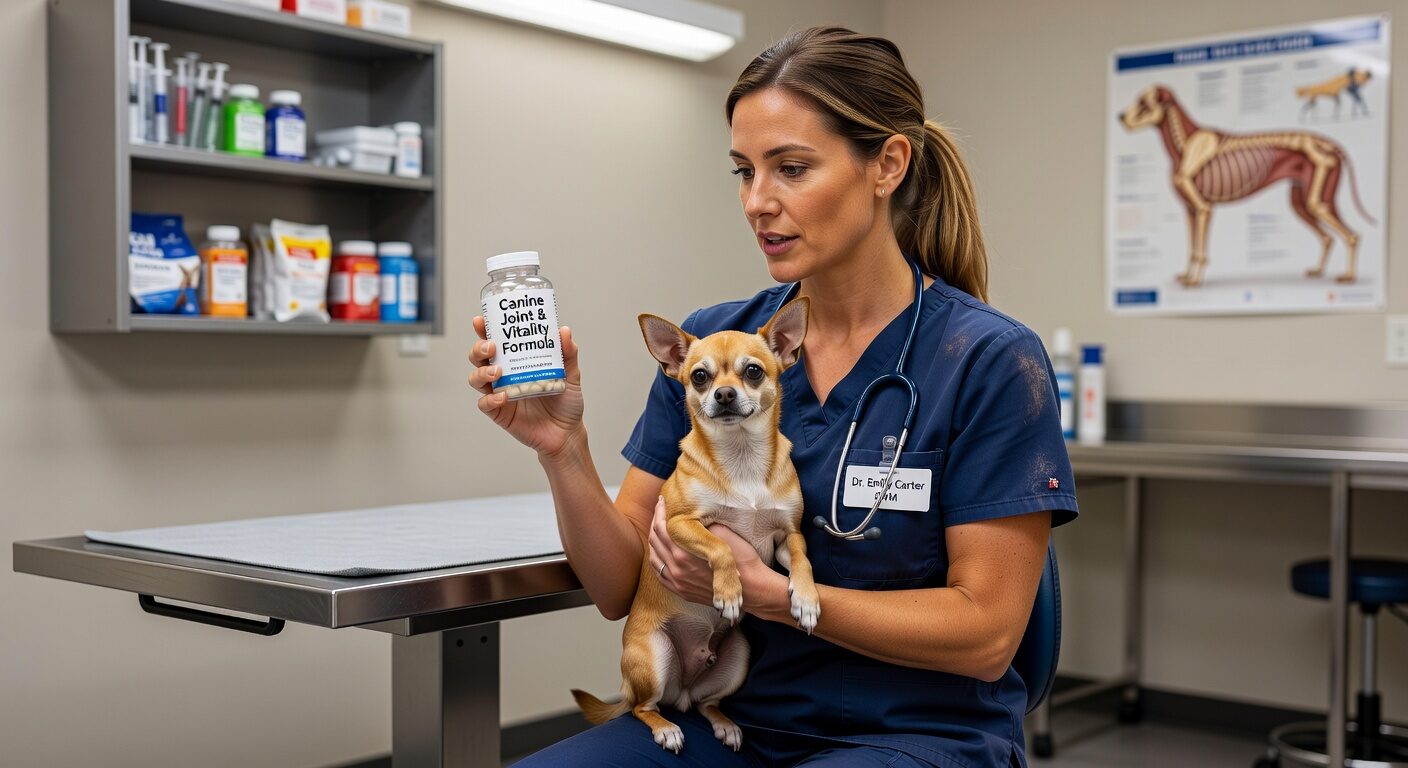
For chihuahuas specifically, fatty acids are especially relevant because of the breed’s tendency toward skin allergies and food sensitivities. Flea allergies, food intolerances, and bacterial skin infections can often be relieved with fatty acid supplementation. The proper balance – a ratio of about 5 to 1 of omega-6 to omega-3 – provides the greatest clinical benefit.
I add a small pump of fish oil to Pepper’s food every other day. Her coat went from decent to ridiculous within about six weeks. But the real benefit is what I cannot see – the anti-inflammatory effects working on her joints, brain, and cardiovascular system.
Digestive Enzymes and Why Small Dogs Need Them
This one surprised me. Digestive enzymes are produced by the salivary glands, stomach, pancreas, and liver. They break down proteins, fats, and carbohydrates so your chihuahua can actually absorb and use what she eats. Without them, the best food in the world is just passing through.
Enzyme production naturally decreases with age. Illness, stress, allergies, and antibiotics make it worse. The result can range from gas and flatulence to diarrhea and malnutrition. Chihuahuas, with their tiny digestive systems, are particularly vulnerable to these disruptions. Understanding supplement guide wish makes a real difference.
Adding a digestive enzyme supplement improved Pepper’s digestion noticeably. Less gas. More consistent stool. Better energy. It makes sense when you think about it – if your dog cannot properly break down and absorb nutrients, no amount of expensive food matters.
The Amino Acid Most People Overlook
Glutamine is the most abundant amino acid in the body and the major energy source for the cells lining the digestive system. It strengthens the immune system, promotes healing of the digestive tract, reduces bowel disorders, and spares protein during periods of stress or injury.
For chihuahuas, glutamine is particularly useful because these dogs are prone to stress-related digestive issues. They are emotional creatures. Changes in routine, travel, new environments – all of these can upset a chihuahua’s stomach faster than you would believe. Glutamine helps protect against those cortisol-driven disruptions.
What I Actually Give My Chihuahua Every Day
After four years of research and experimentation, here is Pepper’s daily routine. A small multivitamin with antioxidants formulated for toy breeds. A glucosamine-MSM chew. Fish oil every other day. A digestive enzyme sprinkled on her food a few times a week.
I also make sure she gets antioxidant-rich snacks. Small pieces of sweet potato. Blueberries. Tiny bits of carrot. These are healthy, low-calorie treats that most chihuahuas actually enjoy – and they provide natural vitamins and beta carotene that complement her supplement routine.
One thing I have learned the hard way – do not overdo it. More is not better with supplements, especially for a dog that weighs less than a newborn baby. Always dose for your chihuahua’s actual weight. Always check with your vet before adding something new. And always buy supplements formulated for dogs, not humans. Our metabolisms are different.
The Bigger Picture
Supplements are not magic. They work best alongside a balanced, high-quality diet. Fresh water. Regular exercise – even if that exercise is your chihuahua doing laps around the living room at 10 PM for no apparent reason. Stress reduction matters too. And yes, that means relaxation time for both of you.
The American Veterinary Medical Association recommends discussing any supplement regimen with your veterinarian, especially for dogs with existing health conditions. And the National Animal Supplement Council maintains quality standards that can help you identify reputable brands.
I cannot prove that supplements are the reason Pepper still tears around the house like a puppy at six years old. But I can tell you her joints are good. Her coat is soft. Her energy is steady. Her digestion is solid. She is healthy in ways that feel earned, not lucky. And when I stand in that supplement aisle now, I know exactly what I am looking for.
Before adding any supplement to your chihuahua’s routine, talk to your vet about what your chihuahua actually needs. Not every supplement is necessary for every dog, and your vet can help you focus on what matters most for your chihuahua.