
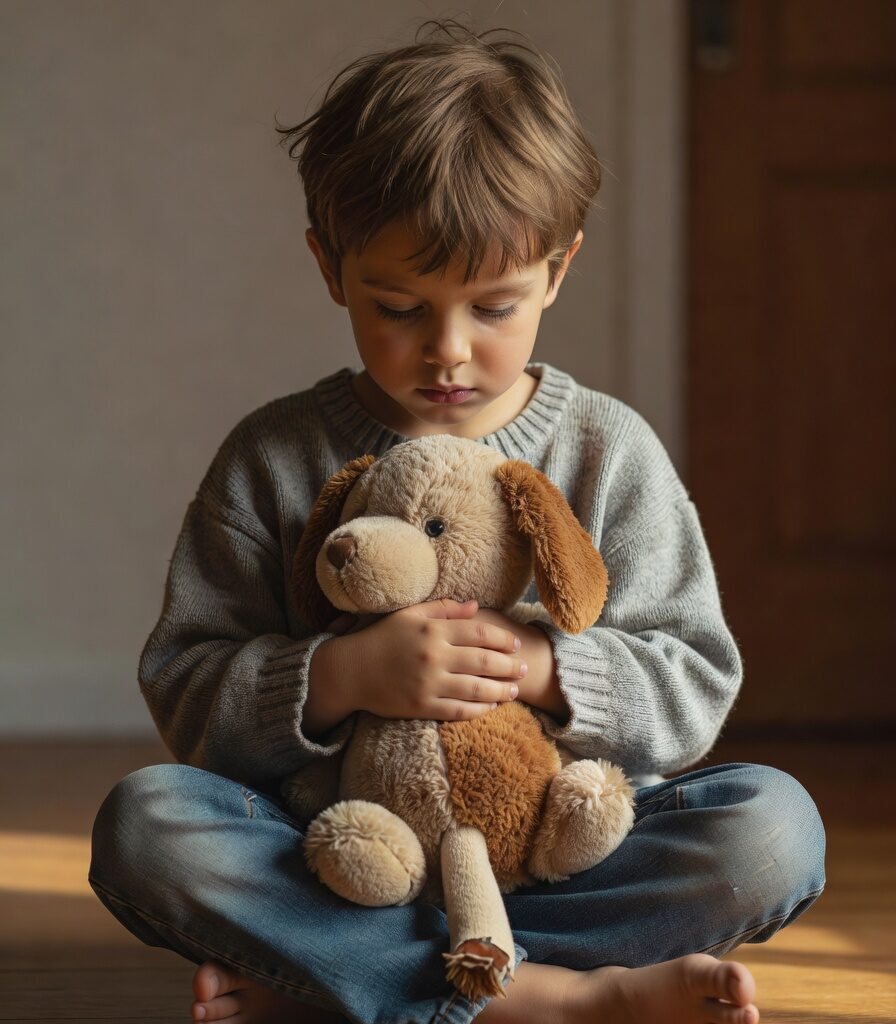

If you want to know about toddler grieving chihuahua, you are in the right place. Three years after losing their family chihuahua, a toddler named Emma still talks about him. She was not quite two when Benny died, barely old enough to form memories that most adults would consider permanent. But every night before bed, Emma says goodnight to Benny. She points to the shelf where his photo sits in a small frame, says his name, and blows a kiss. She has done this every single night for three years, and her parents have stopped trying to understand how a child so young can hold onto grief for so long.
Benny was a twelve-year-old chihuahua who had been with the family since before Emma was born. He was there when they brought her home from the hospital. He was there for her first steps, positioned on the floor nearby like a tiny, furry safety net. He slept next to her crib every night until the night he did not, because his heart gave out at the age that chihuahua hearts sometimes do.
How Toddlers Process Loss
Child psychologists say that toddlers do not grieve the way adults do. They do not understand permanence in the way older children do. They do not process death as a concept. What they process is absence. They understand that someone who was always there is not there anymore, and that absence creates a feeling they cannot name but can absolutely feel.
Related: common Chihuahua health issues.
Emma’s parents noticed the grief showing up in unexpected ways. She would carry Benny’s old toy around the house. She would walk to the spot where his bed used to be and stand there, looking confused. She would hear a dog bark on television and say “Benny?”, with a rising inflection that broke her mother’s heart every single time. According to The Spruce Pets, young children often express grief through routine and repetition, which explains why Emma’s nightly ritual of saying goodnight to Benny’s photo became so important to her.
Benny’s Place in the Family
Benny was not just a pet. He was the family’s first baby. Emma’s parents got him when they were newlyweds, and he was there through every major life event, the apartment, the house, the pregnancy, the nursery. He adjusted to Emma’s arrival with the tolerance of a senior chihuahua who had seen it all, allowing this small, loud, grabby new person to exist in his space without complaint.
He was protective of Emma in the quiet way chihuahuas protect their people. Not aggressive. Not possessive. Just present. He positioned himself between Emma and anything unfamiliar. He followed her when she crawled. He sat next to her high chair during meals and caught whatever she dropped, which was most things. Chihuahuas show love through proximity, and Benny was never more than three feet from Emma at any given time.
What I Wish I Knew Earlier
Emma’s parents agonized over how to explain it to a child who could barely form sentences. They kept it simple. “Benny went to sleep and did not wake up. He is not coming back, but we can remember him.”, Emma did not cry. She said “Benny sleeping”, and went back to playing. Her parents thought maybe she did not understand. Then, that night, she pointed to the empty spot where his bed had been and said “Benny?”, and the reality of a toddler’s grief hit them in a way they were not prepared for.
Keeping Benny’s Memory Alive
Emma’s parents decided early on that they would not pretend Benny never existed. They put his photo on a shelf where Emma could see it. They talked about him when she brought him up. They told her stories about Benny as a puppy, about his quirks and his favorite treats and the way he would sneeze when he was excited. Dealing with pet loss is hard enough for adults. For a toddler, having the adults around her acknowledge the loss and talk about it openly gave her permission to grieve in her own way.
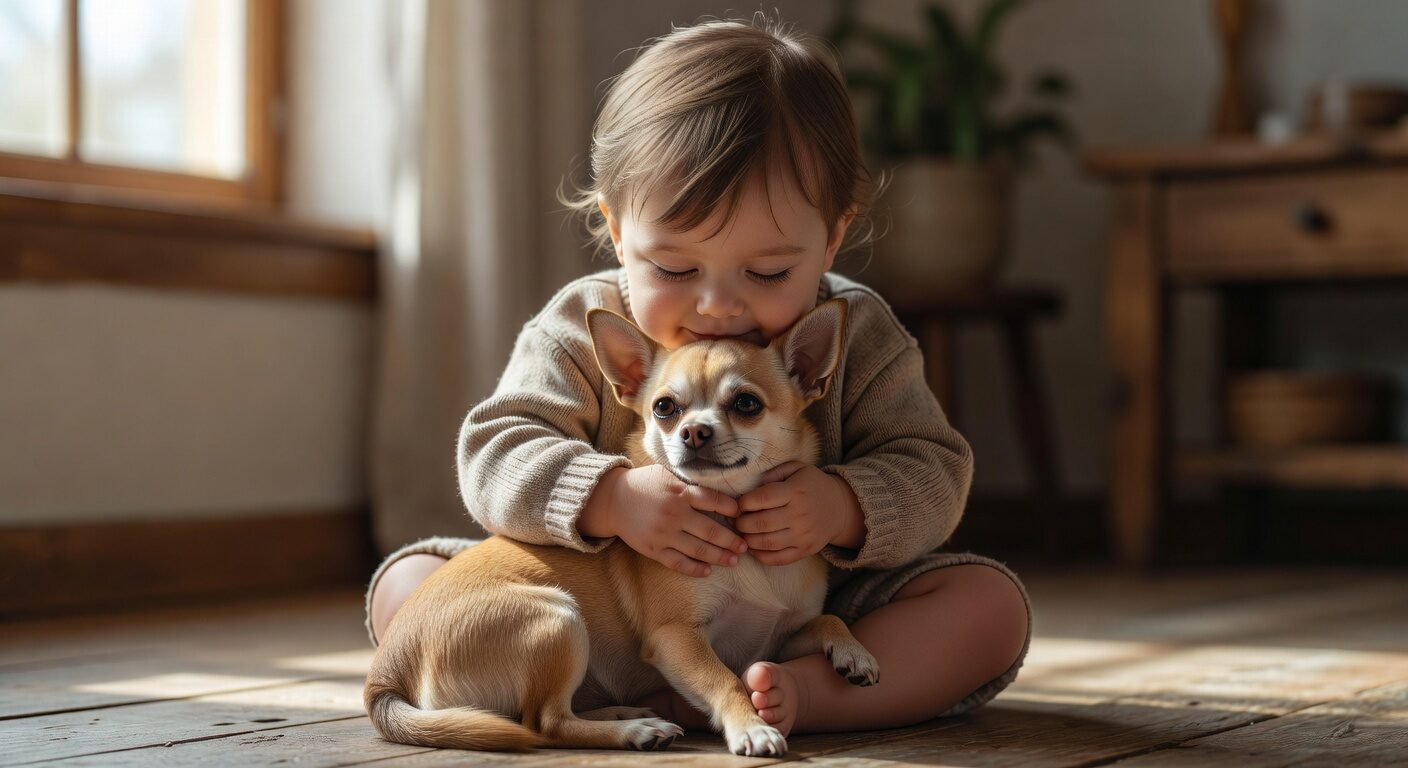
The nightly ritual started about a week after Benny died. Emma pointed to his photo and said “night-night Benny.”, Her mother said goodnight back. And it became a thing, a sacred part of the bedtime routine that neither parent would dream of skipping. com/miami-lakes-homeless-man-reunited-with-stolen-chihuahua/” title=”Miami Lakes Homeless Man Reunited with”>Miami Lakes Homeless Man Reunited with.
Three Years Later
Emma is five now. She does not remember Benny the way her parents do, with full memories of his personality and his habits and his particular brand of chihuahua stubbornness. She remembers him in the way young children remember, as a feeling, a warmth, a presence that was there and then was not. She still says goodnight to his photo. She still asks about him sometimes, questions that are harder to answer as she gets older and understands more.
Her parents recently asked if she would like to get a new dog. Emma thought about it for a long time, the way five-year-olds think about big decisions, with furrowed brows and visible effort. Then she said yes, but only if the new dog could have its bed next to Benny’s photo, so they could be friends.
A twelve-year-old chihuahua who weighed five pounds left a mark on a child that three years have not erased. If you have ever wondered whether your tiny dog matters, whether the bond you share is real and lasting, this is your answer. It matters. It lasts. And sometimes, it lasts longer than anyone expects.
How Children Process Pet Loss Differently
What struck me most about this story was how differently the toddler grieved compared to the adults around her. Adults tend to process loss in stages and find ways to rationalize it. A two-year-old does not have those tools. She just knows that her friend is not at the door anymore, and no amount of explaining makes that make sense. She would bring the leash to her parents and look up at them waiting. She would check behind the couch where the chihuahua used to sleep.
Child psychologists say this kind of grief in very young children can last much longer than adults expect because toddlers do not understand permanence the way we do. Every day the dog is not there is a fresh realization, not a continuation of the same grief but a brand new discovery of the absence. The family eventually adopted another chihuahua, not as a replacement but as a new beginning. The toddler was cautious at first, almost suspicious, but within a few weeks she was carrying that leash around again with purpose. Kids are resilient in ways that amaze me, and sometimes they just need something to love again to start healing.
For more detailed guidance on this topic, the American Kennel Club offers excellent resources backed by veterinary professionals.
I have been through this with my own chihuahua. It is one of those things that looks simple on paper but gets complicated fast when you are actually dealing with a four-pound dog who has opinions about everything.
The truth about toddler grieving chihuahua is that there is no single right answer. What works for one chihuahua might be completely wrong for another. Mine took weeks to adjust. Some dogs figure it out in days. The size of your chihuahua matters. Their age matters. Their personality matters most of all.
Here is what I wish someone had told me earlier. Start small. Do not try to change everything at once. Chihuahuas are stubborn but they are also sensitive. Push too hard and they shut down. Go too slow and nothing changes. The sweet spot is somewhere in the middle and you have to find it yourself.
I talked to other chihuahua owners about toddler grieving chihuahua and heard the same thing over and over. Patience. Consistency. And a willingness to look a little silly in public because chihuahuas do not care about your dignity.
If you are just getting started with toddler grieving chihuahua, give yourself grace. You will make mistakes. Your chihuahua will make more of them. That is the whole process. And honestly, once you get through the hard part, it is worth it.