
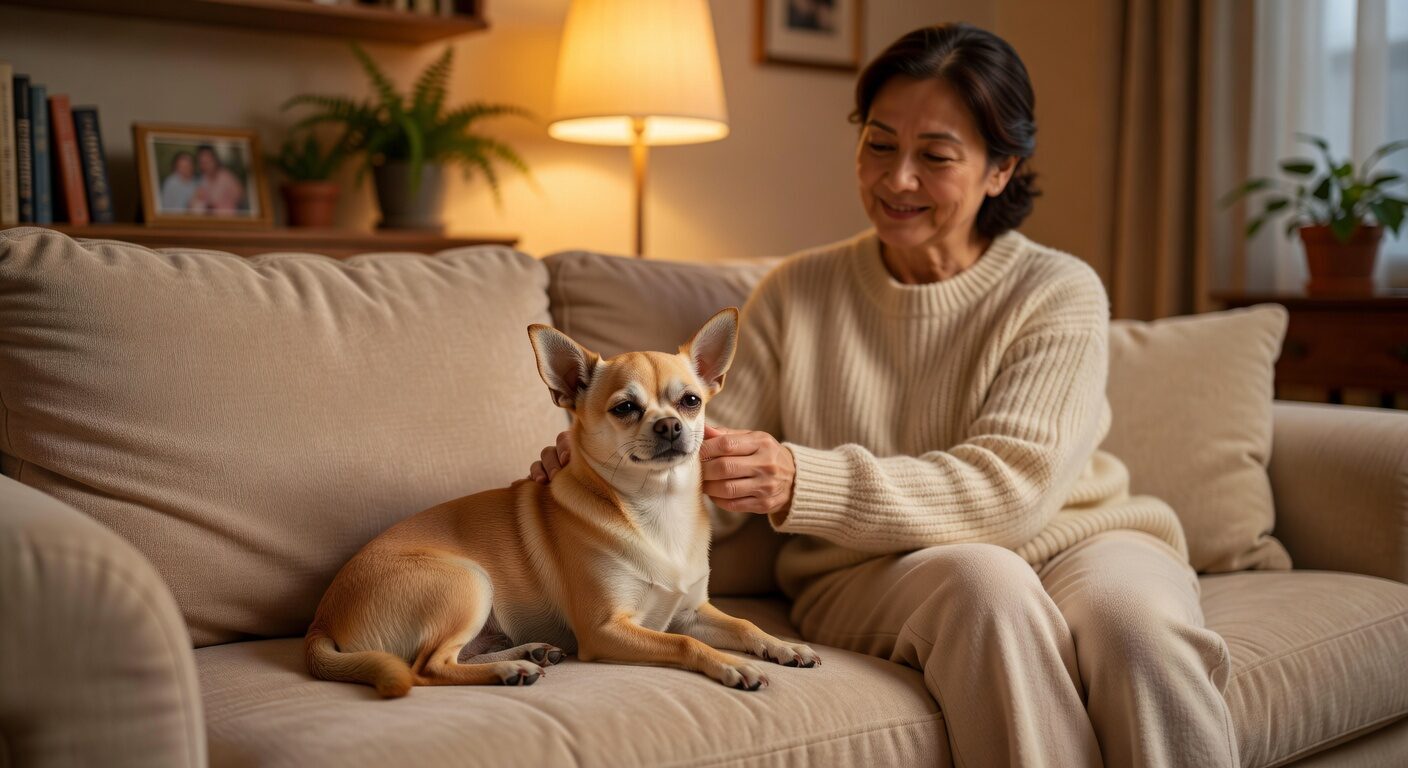

A study came out recently that got a lot of attention in the chihuahua world, and I think every chihuahua aggression study deserves a closer look from people like us who actually live with these chihuahuas. Researchers tracked over two hundred Chihuahuas for three years and found that the ones who were properly socialized as puppies showed about sixty percent less aggression as adults. Sixty percent. That is not a small number.
What the Researchers Actually Did
They divided the chihuahuas into groups based on how much socialization they got between three and sixteen weeks old. That is the window that trainers always talk about, the critical period when a puppy is basically forming its understanding of what the world is. The chihuahuas that met at least thirty different people, visited fifteen different places, and interacted with ten different chihuahuas during that time came out calmer, more confident, and way less reactive. For more detail, see the PetMD dog behavior resources. For more detail, see the AKC dog training advice.
Why People Skip Socialization With small dogs
Here is the thing that frustrates me. When someone gets a Golden Retriever puppy, they sign up for puppy classes on day one. Nobody wants a sixty pound Lab that lunges at strangers. But when someone gets a Chihuahua puppy, they carry it around in their arms and never let it interact with the world because it is so small and they are worried about it getting hurt.
Related: Chihuahua training tips.
I understand the worry. I really do. Chihuahuas are tiny and the world is full of bigger breeds and clumsy feet. But keeping them isolated does not protect them. It creates fearful chihuahuas who see every new person and every new chihuahua as a threat. And a fearful Chihuahua is a barking, snapping, lunging Chihuahua. We have all met that chihuahua. Some of us have been that chihuahua is owner.
What I Wish I Knew Earlier
If your Chihuahua is already an adult and missed that socialization window, do not panic. It is harder but not impossible. Work with a trainer who understands small breeds. Go slow. Celebrate small wins. My Biscuit may never love strangers but she has gone from screaming at them to just giving them a suspicious look from across the room, and honestly I count that as a victory. com/why-chihuahuas-in-shelters-keep-rising-every-year/” title=”Why So Many End Up There Every Year”>Why So Many End Up There Every Year.
The Bigger Picture
This study matters because it gives us actual data to push back against the idea that Chihuahuas are just naturally aggressive. They are not. They are naturally small, which makes them naturally cautious, which makes them naturally reactive when they have not been taught that the world is mostly safe. That is not aggression. That is fear, and fear is something we can work with.
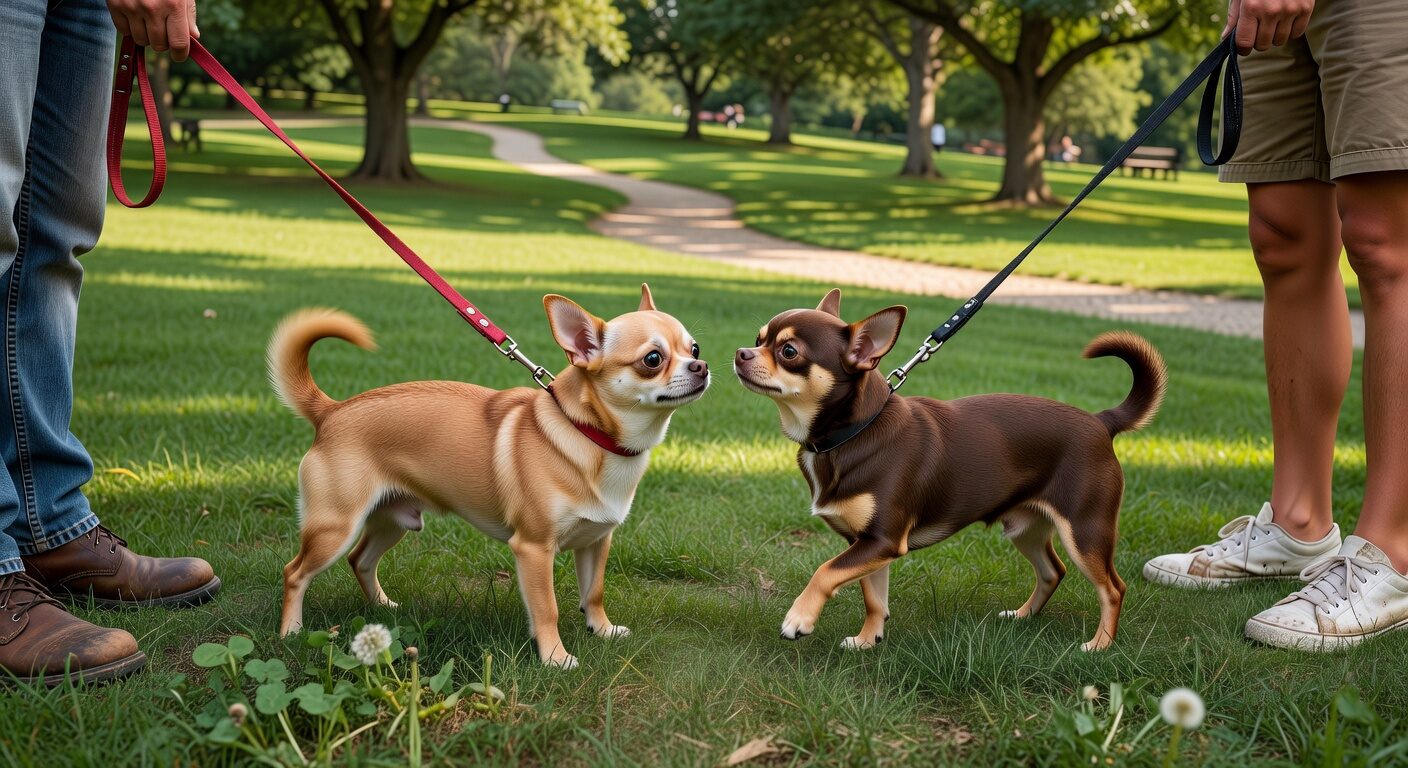
Every time someone laughs at a growling Chihuahua and says “oh that is just how they are,” they are giving up on a chihuahua that could have been different with a little more effort in those first few months. I think these chihuahuas deserve better than that.
If you are raising a Chihuahua puppy right now, take this study seriously. Get that puppy out into the world while the window is open. Introduce them to people. Let them hear new sounds. Let them walk on different surfaces. Bring treats and make it positive. The effort you put in during those first few months will shape the chihuahua you live with for the next fifteen years. I can promise you that because I am living proof on both sides of it. One well socialized chihuahua who greets strangers calmly and one under socialized rescue who is still learning. The difference started before I ever met either of them.
How Socialization Changes the Brain of a Small Dog
What really caught my attention in this study was the section on neurological development during that early window. The researchers found that chihuahuas who received consistent positive exposure to new environments actually developed different stress response patterns in their brains compared to those who stayed isolated. I have seen this play out in real life more times than I can count. My neighbor adopted two chihuahua siblings from the same litter, raised them in the same house, but took very different approaches to socialization. One went everywhere with her, to the hardware store, to outdoor cafes, on walks through busy neighborhoods. The other stayed home most of the time because he was the smaller of the two and she worried about him getting stepped on. By the time they were a year old, you would never guess they were related. The socialized one would walk calmly past strangers and barely flinch at loud trucks. The other one would tremble and snap at anyone who got within arm’s reach. Same genetics, same household, completely different outcomes because of what happened in those first few months.
Practical Steps That Actually Work for Chihuahua Owners
I know the study sounds great in theory, but the question most of us have is what does this actually look like in practice when you have a three pound puppy and a world full of things that could scare them. I started keeping a socialization journal for my youngest chihuahua and it turned out to be one of the most useful things I have ever done. Every day I wrote down what new thing she experienced, how she reacted, and what I did to make it positive. Some days it was as simple as letting her sniff a new texture on the ground, like a metal grate or a patch of gravel. Other days it was bigger, like sitting outside a school at pickup time so she could watch dozens of kids running around without feeling pressured to interact with them. The key I learned from talking to a trainer who specializes in toy breeds is that observation counts as socialization. Your chihuahua does not have to physically interact with every new thing. Sometimes just watching from a safe distance, with treats and calm energy from you, is enough to teach their brain that new things are not threats. I wish more people understood this because I think a lot of owners skip socialization entirely because they imagine it means forcing their tiny dog into overwhelming situations.
What the Study Does Not Tell You
For all its strengths, this research has some gaps that are worth mentioning. The study tracked chihuahuas from responsible breeders, which means the puppies had decent early care and nutrition before they even entered the socialization window. It does not fully account for chihuahuas from puppy mills or backyard breeders who may have experienced stress or neglect in those crucial first weeks of life. I have fostered chihuahuas who came from rough backgrounds and I can tell you that socialization alone is not always enough to undo early trauma. Some of those dogs needed months of patient, quiet, consistent work before they could even tolerate being in the same room as a stranger without shutting down. The study also focused primarily on aggression toward strangers and other dogs, but anyone who lives with a fearful chihuahua knows that the anxiety shows up in dozens of other ways too, from refusing to eat in new places to destructive behavior when left alone to excessive barking at sounds that most dogs would ignore. These are all connected to that same lack of early exposure, and I think future research needs to look at the full picture of what under socialization costs these little dogs in terms of quality of life.
You Might Also Enjoy
I have been through this with my own chihuahua. It is one of those things that looks simple on paper but gets complicated fast when you are actually dealing with a four-pound dog who has opinions about everything. You might also find Road Tripping With a Chihuahua: What worth reading.
The truth about chihuahua aggression study is that there is no single right answer. What works for one chihuahua might be completely wrong for another. Mine took weeks to adjust. Some dogs figure it out in days. The size of your chihuahua matters. Their age matters. Their personality matters most of all.
Here is what I wish someone had told me earlier. Start small. Do not try to change everything at once. Chihuahuas are stubborn but they are also sensitive. Push too hard and they shut down. Go too slow and nothing changes. The sweet spot is somewhere in the middle and you have to find it yourself.
I talked to other chihuahua owners about chihuahua aggression study and heard the same thing over and over. Patience. Consistency. And a willingness to look a little silly in public because chihuahuas do not care about your dignity.
If you are just getting started with chihuahua aggression study, give yourself grace. You will make mistakes. Your chihuahua will make more of them. That is the whole process. And honestly, once you get through the hard part, it is worth it.
What are the most common health issues in chihuahuas?
Dental disease, luxating patellas, hypoglycemia, tracheal collapse, and heart murmurs are the most frequent. Regular veterinary checkups catch most conditions early when they are easiest to manage.
How often should a chihuahua see the vet?
Annual checkups for adults, bi-annual for seniors over eight years old. Puppies need visits every three to four weeks until their vaccination series is complete at around 16 weeks.
When should I worry about my chihuahua's health?
Seek veterinary care for lethargy lasting more than 24 hours, refusal to eat for two or more meals, difficulty breathing, persistent vomiting or diarrhea, and any sudden behavior change. With small dogs, early intervention is always safer than waiting.
What should I know about chihuahua aggression study?
Understanding chihuahua aggression study requires attention to breed-specific needs. Chihuahuas are small dogs with unique health, behavioral, and care requirements. Consulting your veterinarian and learning from experienced owners provides the most reliable guidance for your specific situation.