

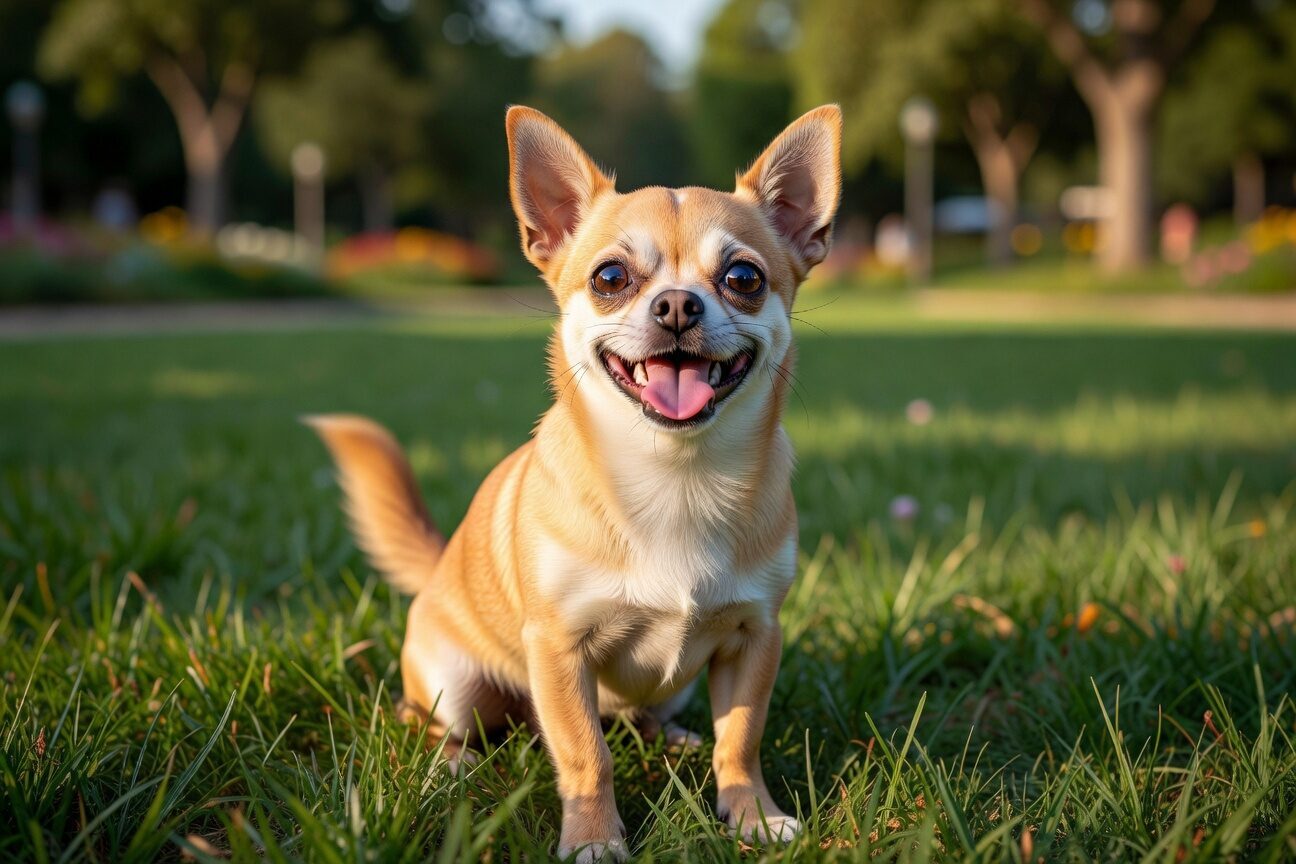
If you are considering adopting a chihuahua, you are about to make one of the best decisions of your life. I say that as someone who has adopted Chihuahuas and watched them transform from nervous shelter chihuahuas into confident, loving companions. It is honestly one of the most rewarding experiences I have had with chihuahuas, and I want to share everything I have learned along the way.
Why Adopt Instead of Shop
There are thousands of Chihuahuas sitting in shelters and rescue organizations right now waiting for homes. Many of them ended up there through no fault of their own. Families move, circumstances change, people pass away, and sometimes folks just did not realize how much energy and personality these tiny chihuahuas actually have. For more detail, see the ASPCA adoptable dogs near you. For more detail, see the AKC Chihuahua breed health guide.
When you adopt, you are giving a chihuahua a second chance at a happy life. You are also opening up space in that shelter for another animal in need. My rescue Chi came from a crowded shelter in Texas where she had been sitting for three months with barely any interest from adopters. I cannot imagine my life without her now. She is the most loving, loyal chihuahua I have ever known.
Related: common Chihuahua health issues.
The cost difference is significant too. Adoption fees are typically a fraction of what breeders charge, and they usually cover the basics like spaying or neutering and first vaccinations.
What to Expect from the Process
The adoption process usually involves filling out an application, having a conversation with the rescue organization, and sometimes a home visit. Do not be put off by this. Good rescues want to make sure their chihuahuas go to the right homes, and honestly, I appreciated the thoroughness because it showed me they genuinely cared about their chihuahuas.
What I Wish I Knew Earlier
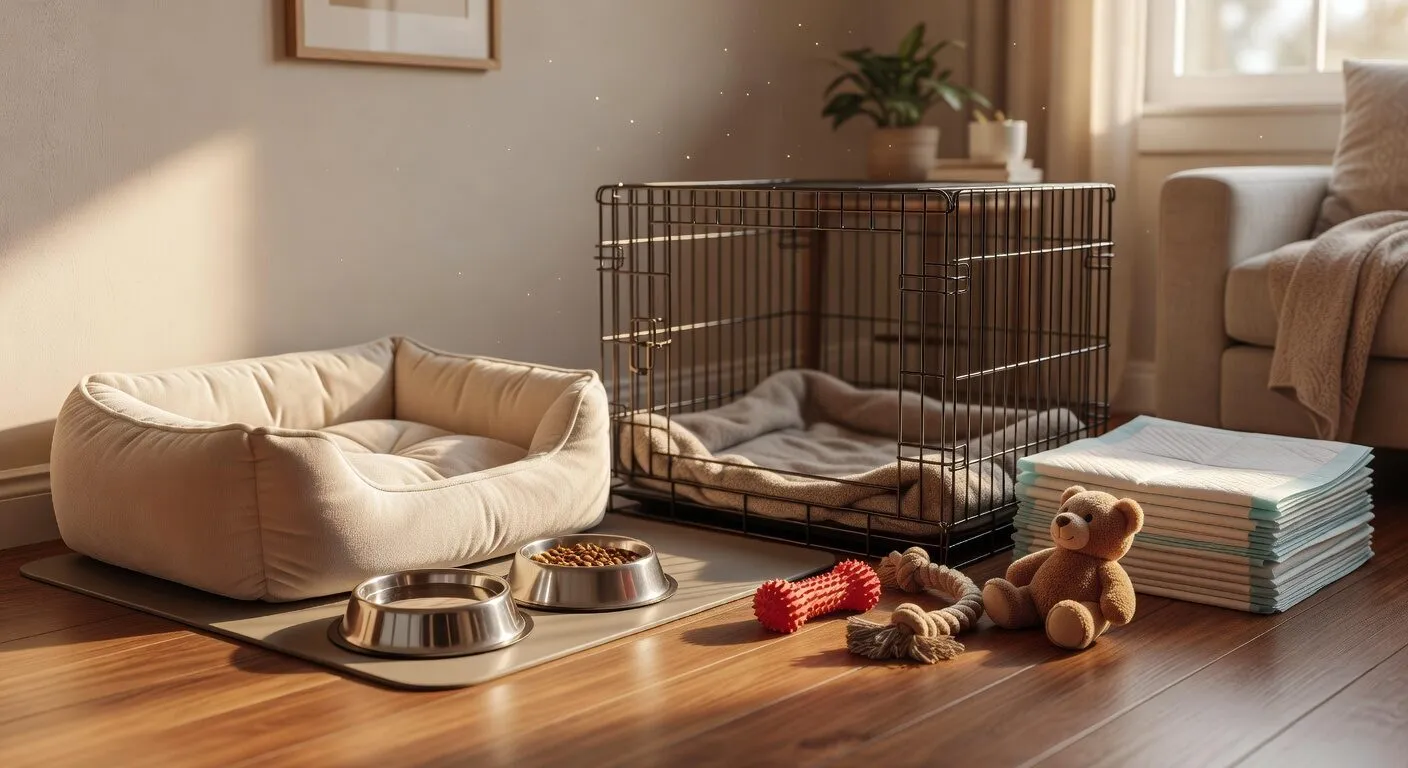
Stock up on small sized food and water bowls, a harness rather than a collar since Chihuahuas can have delicate throats prone to tracheal collapse, and some chew toys in appropriate sizes. Remove anything at floor level that could be dangerous because these little chihuahuas explore with their mouths just like puppies do, regardless of their age.
Block off any tight spaces where a scared Chihuahua might wedge themselves. Behind the refrigerator, under low furniture, and behind toilets are favorite hiding spots. Trust me on this one. I spent an hour coaxing my Chi out from behind the washing machine on her first night home. com/why-chihuahuas-are-the-most-surrendered-breed-in-shelters/” title=”Why So Many Chihuahuas End Up in”>Why So Many Chihuahuas End Up in.
The First Few Weeks
Patience is everything during the adjustment period. Your new Chihuahua might hide, refuse food, or seem completely shut down for the first few days. That is completely normal and does not mean you made a bad choice. They are processing a major life change and they need time to feel safe in their new environment.
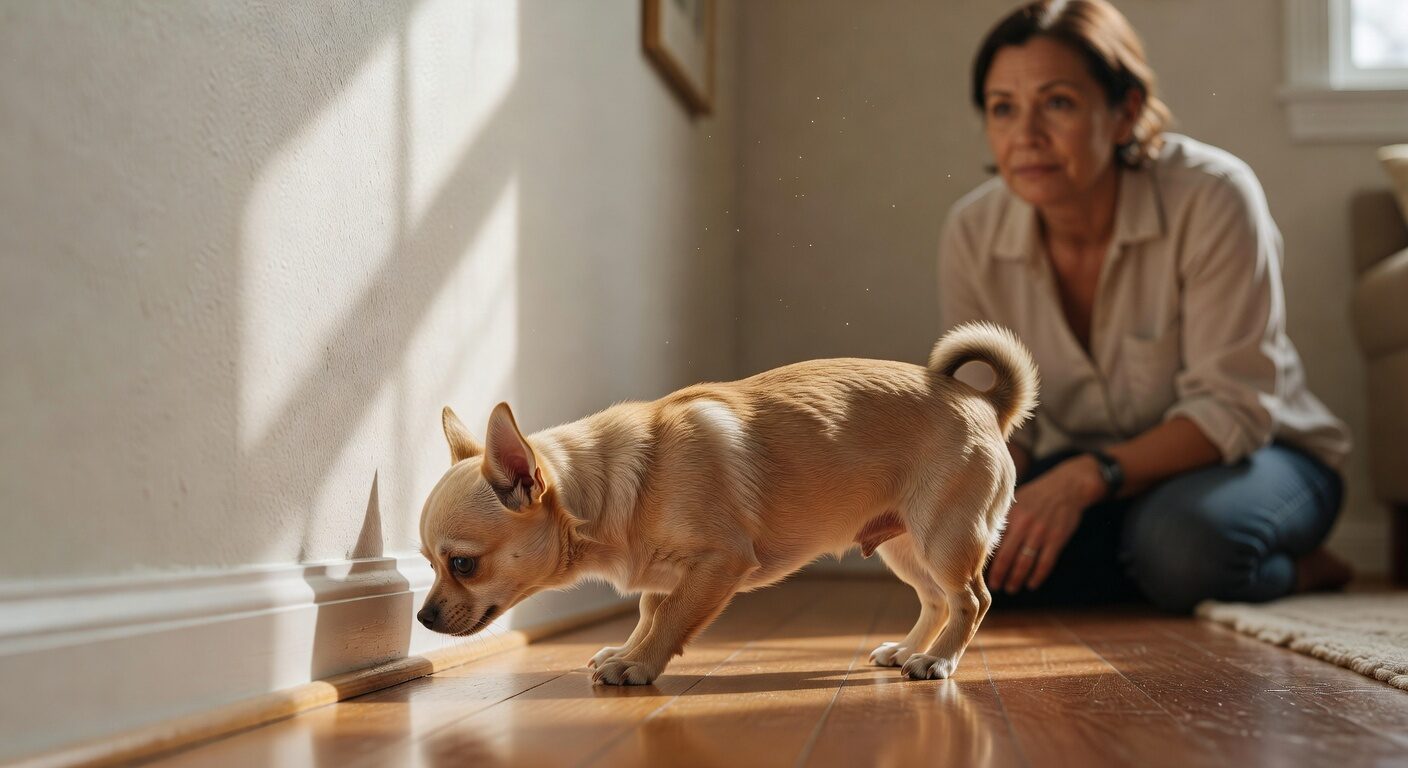
Keep things quiet and predictable. Feed at the same times every day. Take them outside on a consistent schedule. Avoid having lots of visitors right away no matter how excited everyone is to meet the new chihuahua. Let the Chihuahua come to you on their terms and at their own pace.
My rescue took about three weeks to truly relax, and then it was like a switch flipped overnight. She went from hiding under the bed to demanding belly rubs on the couch and following me into every room. That transformation made all the patient waiting worthwhile.
The Reward of Rescue
Adopting a chihuahua means accepting a chihuahua with a past you might not fully know. But it also means witnessing a transformation that will change your heart forever. There is nothing quite like the moment a once scared shelter chihuahua falls asleep in your lap for the first time, completely trusting you with their tiny little body.
If you are ready for some patience, a little unpredictability, and a whole lot of love, adoption might be the perfect path to your next best friend.
The Financial Commitment Nobody Talks About Honestly
I am going to give you the financial reality of chihuahua ownership that most articles gloss over or bury at the bottom in vague terms. In my experience, the first year with a chihuahua is the most expensive due to the initial purchase or adoption fee, spay or neuter surgery, a full vaccination series, microchipping, supplies, and the inevitable first few veterinary visits for things you did not expect. I spent close to two thousand dollars in the first year with my youngest chihuahua, and that was without any major health emergencies. After the first year, annual costs settle into a more predictable range, but they are not insignificant. Routine veterinary care including annual exams, vaccinations, and blood work runs about three hundred to five hundred dollars per year. Dental cleanings, which most chihuahuas need annually once they reach adulthood, cost three hundred to eight hundred dollars depending on your area and whether extractions are needed. Flea, tick, and heartworm prevention runs about two hundred to three hundred dollars per year. High quality food for a chihuahua is relatively inexpensive compared to larger breeds, usually around thirty to fifty dollars per month, but supplements, treats, and occasional prescription diets can add to that. The expense that catches most chihuahua owners off guard is emergency veterinary care. A single after hours emergency visit can cost five hundred dollars just for the exam before any treatment. If your chihuahua eats something they should not, breaks a bone, or develops a sudden illness, you are looking at potentially thousands of dollars in a single incident. This is why I always recommend either pet insurance or a dedicated emergency fund for every chihuahua owner.
Chihuahua Proofing Your Home Before They Arrive
Preparing your home for a chihuahua is different from preparing it for a larger breed, and the differences are important enough that they are worth dedicating serious attention to before your new dog arrives. Chihuahuas can fit into spaces that no reasonable person would expect a dog to access. Mine squeezed behind the refrigerator during her first week in my home, and the thirty minutes I spent trying to coax her out while slowly pulling the fridge away from the wall was one of the most stressful experiences of my early days as a chihuahua owner. You need to get down on the floor, literally, and look at your home from a chihuahua’s perspective. Any gap between furniture and walls that is wider than a few inches is a potential hiding spot or escape route. Stairs without gates are a falling hazard, especially for puppies whose coordination is still developing. Reclining chairs and rocking chairs are genuinely dangerous because a chihuahua can be underneath the mechanism without you knowing and get crushed when you adjust the chair. I do not mean to be alarming, but this is something that has caused serious injuries and deaths in small dogs and it is completely preventable. Electrical cords should be secured or covered because chihuahuas are small enough to get tangled in them and some will chew on them. Medications, even in closed bottles, need to be stored well out of reach because a chihuahua who knocks a bottle off a nightstand and chews through the cap can ingest a lethal dose of something that would be a minor concern for a larger dog.
Setting Realistic Expectations for the First Year
The first year with a chihuahua is going to test your patience, your flexibility, and probably your relationship with sleep. I say this not to discourage you but to prepare you, because I think the biggest source of frustration for new chihuahua owners is the gap between what they expected and what they got. Housetraining a chihuahua takes longer than housetraining most other breeds. This is not a myth or a stereotype, it is a reality that experienced chihuahua owners and trainers consistently report. Small bladders mean more frequent trips outside, and chihuahuas can be stubborn about going out in cold or wet weather, which creates a cycle of accidents that feels endless during the first few months. I dealt with housetraining setbacks with my chihuahua until she was about eight months old, and talking to other owners I learned that this timeline is not unusual. Barking is another adjustment. If you are coming from a quieter breed or no dog at all, the volume and frequency of chihuahua barking can be genuinely startling. My chihuahua barks at the doorbell, at people walking past the window, at dogs on television, at loud sounds from outside, and occasionally at things I cannot identify no matter how hard I look. Managing barking takes consistent training and realistic expectations, because you will reduce it but you probably will not eliminate it entirely. Setting your expectations to improvement rather than perfection will save you a lot of frustration and help you appreciate the progress your chihuahua does make.
You Might Also Enjoy
I have been through this with my own chihuahua. It is one of those things that looks simple on paper but gets complicated fast when you are actually dealing with a four-pound dog who has opinions about everything. You might also find How to Get Started and What to Expect worth reading.
The truth about adopting a chihuahua is that there is no single right answer. What works for one chihuahua might be completely wrong for another. Mine took weeks to adjust. Some dogs figure it out in days. The size of your chihuahua matters. Their age matters. Their personality matters most of all.
Here is what I wish someone had told me earlier. Start small. Do not try to change everything at once. Chihuahuas are stubborn but they are also sensitive. Push too hard and they shut down. Go too slow and nothing changes. The sweet spot is somewhere in the middle and you have to find it yourself.
I talked to other chihuahua owners about adopting a chihuahua and heard the same thing over and over. Patience. Consistency. And a willingness to look a little silly in public because chihuahuas do not care about your dignity.
If you are just getting started with adopting a chihuahua, give yourself grace. You will make mistakes. Your chihuahua will make more of them. That is the whole process. And honestly, once you get through the hard part, it is worth it.
Chihuahuas are one of the longest-lived dog breeds with an average lifespan of 14 to 16 years. Some reach 20 years with proper care. Regular vet checkups, dental care, a healthy diet, and maintaining proper weight all contribute to longevity. The oldest recorded chihuahua lived to be 22.
Chihuahuas can be good family dogs in homes with older children who understand gentle handling. They are too fragile for rough play with toddlers. Chihuahuas bond deeply with their family but may be wary of strangers. Proper socialization from a young age helps them be more accepting of new people.
Two 15 to 20 minute walks per day plus some indoor playtime meets most chihuahuas’ needs. They have more energy than people expect but tire out faster than larger breeds. Mental stimulation through puzzle toys and training sessions is just as important as physical exercise for this intelligent breed.
The most common health issues include dental disease, patellar luxation, heart murmurs, hypoglycemia in puppies, tracheal collapse, and hydrocephalus. Regular vet visits catch many of these early. Dental care is especially important because chihuahuas are prone to tooth loss and gum disease throughout their lives.
Chihuahuas bark because they are alert, protective, anxious, or bored. Their hearing is sharp and they react to sounds other dogs ignore. Training a reliable quiet command helps. Ignore demand barking completely. Address the underlying cause rather than just the noise. A tired chihuahua barks less than a bored one.
How long do chihuahuas live on average?
Chihuahuas are one of the longest-lived dog breeds with an average lifespan of 14 to 16 years. Some reach 20 years with proper care. Regular vet checkups, dental care, a healthy diet, and maintaining proper weight all contribute to longevity. The oldest recorded chihuahua lived to be 22.
Are chihuahuas good family dogs?
Chihuahuas can be good family dogs in homes with older children who understand gentle handling. They are too fragile for rough play with toddlers. Chihuahuas bond deeply with their family but may be wary of strangers. Proper socialization from a young age helps them be more accepting of new people.
How much exercise does a chihuahua need?
Two 15 to 20 minute walks per day plus some indoor playtime meets most chihuahuas’ needs. They have more energy than people expect but tire out faster than larger breeds. Mental stimulation through puzzle toys and training sessions is just as important as physical exercise for this intelligent breed.
What health problems are common in chihuahuas?
The most common health issues include dental disease, patellar luxation, heart murmurs, hypoglycemia in puppies, tracheal collapse, and hydrocephalus. Regular vet visits catch many of these early. Dental care is especially important because chihuahuas are prone to tooth loss and gum disease throughout their lives.
Why do chihuahuas bark so much?
Chihuahuas bark because they are alert, protective, anxious, or bored. Their hearing is sharp and they react to sounds other dogs ignore. Training a reliable quiet command helps. Ignore demand barking completely. Address the underlying cause rather than just the noise. A tired chihuahua barks less than a bored one.