
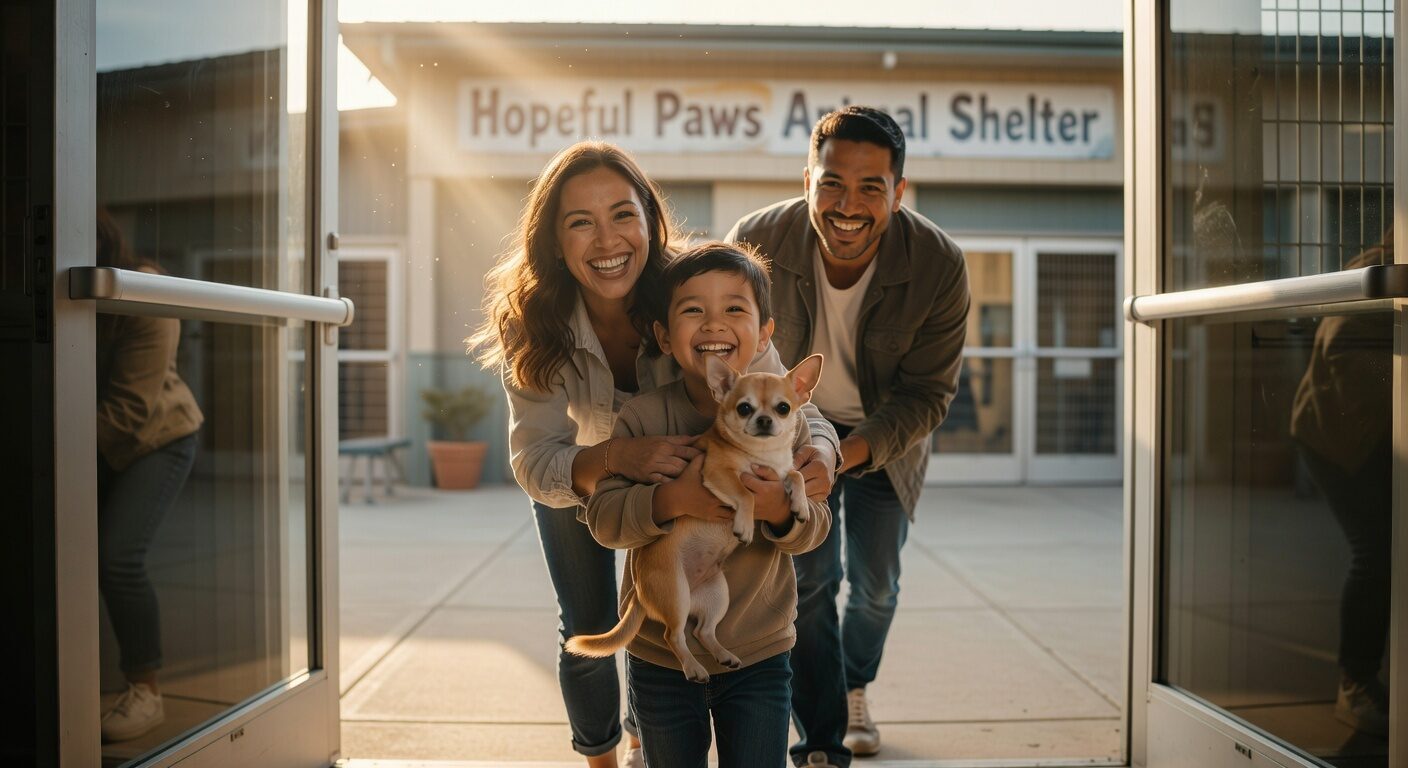

The number of chihuahuas in shelters across the country is staggering, and it breaks my heart every time I see the statistics. In some areas, particularly in California and Texas, Chihuahuas make up the single largest group of chihuahuas waiting for homes. Understanding why this happens is the first step toward changing it, and I think every chihuahua lover should know about this issue.
Impulse Purchases Gone Wrong
Chihuahuas are small, they are cute, and they seem like easy chihuahuas to take care of. That combination leads a lot of people to get one on impulse without doing any real research about the breed. Then reality hits hard. The chihuahua barks constantly at every noise. It nips at visitors who try to pick it up. It absolutely refuses to be housetrained in the winter because it hates going outside in the cold and rain. For more detail, see the ASPCA adoptable dogs near you. For more detail, see the AKC Chihuahua breed health guide.
I have talked to so many people over the years who surrendered Chihuahuas because the chihuahuas were not what they expected. , these chihuahuas are smart, strong willed, and need consistent training just like any other breed. When people skip that step because the chihuahua is small, problems pile up fast and frustration follows.
Related: common Chihuahua health issues.
The low purchase price of Chihuahuas also contributes to impulse decisions. When someone can buy a puppy for a hundred dollars at a flea market, the barrier to getting one is dangerously low. That same low cost can make it easier for people to justify giving the chihuahua up later.
Breed Misunderstandings
Hollywood and social media have painted Chihuahuas as accessories you carry in a purse and show off at brunch. That image attracts people who want a cute, quiet little lap chihuahua that sits still and looks adorable. But real Chihuahuas have huge personalities packed into tiny frames. They are alert, vocal, and fiercely loyal to their person, sometimes to the point of being suspicious of everyone else in the room.

What I Wish I Knew Earlier
In areas with high housing costs, this is especially common. Small apartments that once allowed pets start enforcing strict no pet rules, and Chihuahua owners find themselves with nowhere to turn. Some shelters in expensive cities report that housing related surrenders are their number one intake reason.
Overbreeding and Backyard Breeders
Another major factor driving the shelter crisis is overbreeding. Backyard breeders produce litter after litter of Chihuahuas to sell cheaply online or at flea markets without any health testing or screening of buyers. When puppies do not sell quickly enough, or when buyers realize after a few months that they are not ready for a chihuahua, those animals end up dumped at shelters already. com/support-to-adopt-why-supporting-a-chihuahua-might-change-your-life/” title=”How to Get Started and What to Expect”>How to Get Started and What to Expect.
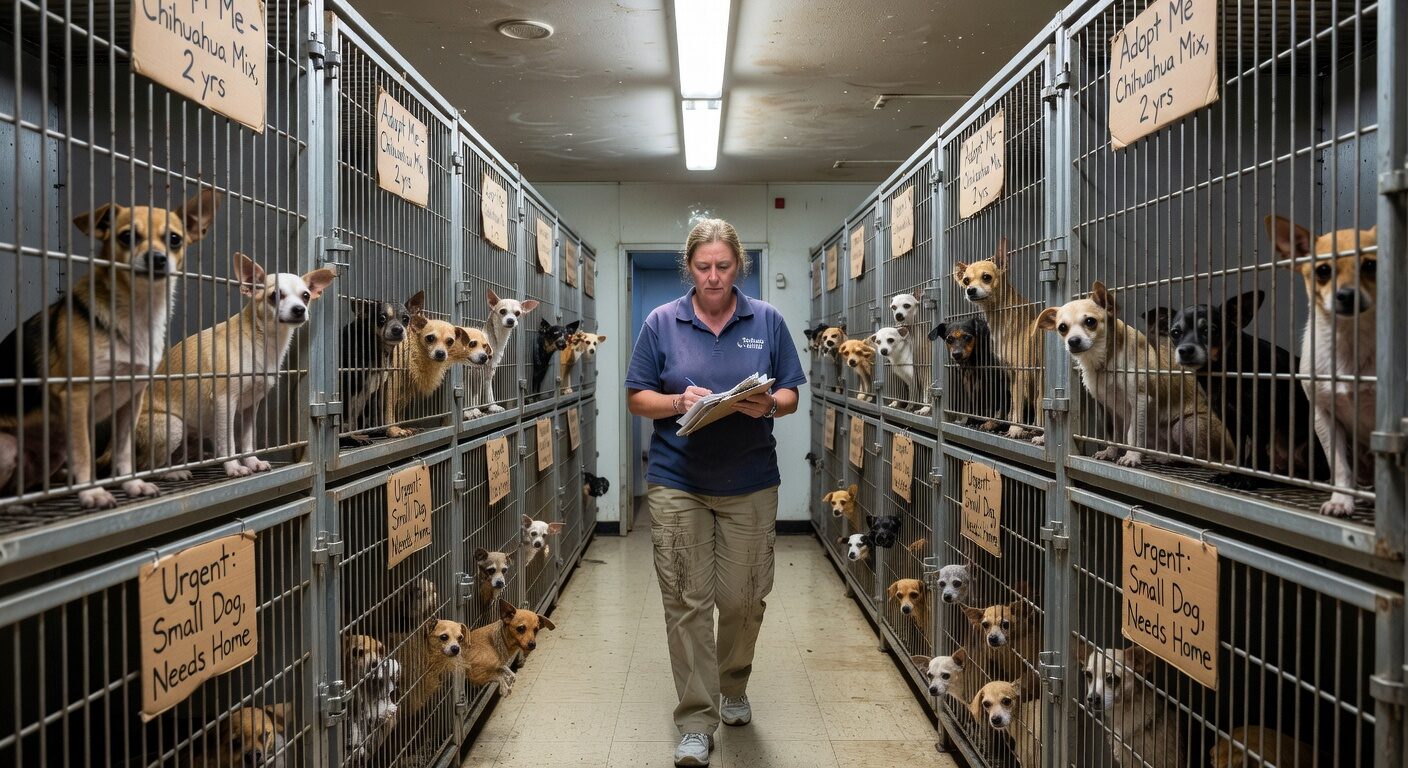
The cycle is relentless and frustrating to watch. more chihuahuas get bred than there are responsible homes available for them. Until breeding slows down and public education increases, shelters will keep filling up with Chihuahuas who deserve better.
What You Can Do to Help
You do not have to adopt a Chihuahua to make a difference in this crisis, though that is certainly a wonderful option. You can volunteer at a local shelter walking chihuahuas or helping with socialization. You can donate supplies like blankets, food, or small harnesses. You can support a Chi temporarily until they find a permanent home.
Even something as simple as sharing adoptable chihuahuas on social media can connect them with the right family who might never have thought to check that particular shelter. I have personally seen chihuahuas get adopted within days of someone sharing their photo online.
If you are considering getting a Chihuahua, please look at shelters and rescue groups first. The chihuahua sitting in a kennel right now might be exactly the companion you have been looking for. They just need someone willing to give them a chance.
The Breeding Problem Nobody Wants to Talk About
I need to address something that makes a lot of people uncomfortable but is a major driver of chihuahuas ending up in shelters. Irresponsible breeding is flooding the market with chihuahuas that have nowhere to go. The breed’s small size and perceived ease of care make backyard breeding seem simple and profitable to people who have no business producing puppies. A single female chihuahua can produce four to six puppies per litter and can be bred multiple times, which means one irresponsible owner with an unspayed female and access to an intact male can put dozens of chihuahuas into the world over just a few years. Most of those puppies are sold cheaply through online classifieds or social media to impulse buyers who have done no research about the breed. When those buyers realize that chihuahuas bark, need dental care, require consistent training, and are not the low maintenance accessories they were marketed as, the dogs end up surrendered. I have volunteered at shelters where the intake staff could trace multiple chihuahuas back to the same backyard breeder based on physical similarities and the timing of surrenders. The breeder faces no consequences. The shelter bears the cost of housing, vetting, and rehoming the dogs. And the chihuahuas pay the price of being treated like a product rather than a living creature with needs that extend far beyond what a casual breeder is willing to invest in.
The Housing Crisis That Hits Small Dog Owners Hard
One factor in chihuahua surrenders that does not get enough attention is housing instability. When people lose their housing or need to move to a new rental, pet friendly options are limited and often more expensive. I have talked to people who surrendered their chihuahuas in tears because their new landlord had a no pets policy and they could not find an affordable alternative in time. This is not an irresponsibility problem, it is a systemic problem. Rental markets in many cities have tightened to the point where finding any affordable housing is difficult, and adding the requirement that it must be pet friendly narrows the options dramatically. Some landlords who do allow pets charge additional deposits and monthly pet rent that can add hundreds of dollars to already stretched budgets. I have seen families forced to choose between keeping a roof over their children’s heads and keeping their chihuahua, and that is a choice nobody should have to make. The pandemic made this worse as eviction moratoriums ended and housing costs skyrocketed. Shelters across the country reported increases in owner surrenders citing housing as the primary reason, and chihuahuas, being one of the most common breeds in many urban areas, were disproportionately affected. If we want to reduce the number of chihuahuas in shelters, we need to advocate for more pet friendly housing policies alongside the usual conversations about spaying, neutering, and responsible ownership.
What Actually Helps Versus What Just Sounds Good
I have spent enough years in chihuahua rescue to know the difference between solutions that actually reduce shelter populations and ideas that just make people feel good without moving the needle. Adopt don’t shop is a great slogan, but it does not address the supply side of the problem. If backyard breeders keep producing chihuahuas faster than rescues can place them, adoption alone will not solve the crisis. Low cost spay and neuter programs are the single most effective tool we have, and every dollar spent on subsidized sterilization prevents exponentially more chihuahuas from entering the system than that same dollar spent on shelter care after the fact. Breed specific education is another area where investment pays off. When people understand before they get a chihuahua that these dogs live fifteen years or more, need regular dental care, can be challenging to housetrain, and require socialization to avoid becoming fearful and aggressive, the impulse adoption rate drops. support programs are also critically important because they expand shelter capacity without the overhead of additional physical space, and they give chihuahuas who are stressed in a shelter environment a chance to show their true personalities in a home setting, which dramatically improves their chances of being adopted. I support chihuahuas regularly and I have seen dogs transform from shut down, trembling shelter animals to playful, affectionate companions within a week of being in a quiet home. If every experienced chihuahua owner supported even one dog per year, the impact on shelter populations would be enormous.
You Might Also Enjoy
I have been through this with my own chihuahua. It is one of those things that looks simple on paper but gets complicated fast when you are actually dealing with a four-pound dog who has opinions about everything.
The truth about chihuahuas surrendered shelters is that there is no single right answer. What works for one chihuahua might be completely wrong for another. Mine took weeks to adjust. Some dogs figure it out in days. The size of your chihuahua matters. Their age matters. Their personality matters most of all. You might also find Heartbreaking Rescue: 28 Chihuahuas worth reading.
Here is what I wish someone had told me earlier. Start small. Do not try to change everything at once. Chihuahuas are stubborn but they are also sensitive. Push too hard and they shut down. Go too slow and nothing changes. The sweet spot is somewhere in the middle and you have to find it yourself.
I talked to other chihuahua owners about chihuahuas surrendered shelters and heard the same thing over and over. Patience. Consistency. And a willingness to look a little silly in public because chihuahuas do not care about your dignity.
If you are just getting started with chihuahuas surrendered shelters, give yourself grace. You will make mistakes. Your chihuahua will make more of them. That is the whole process. And honestly, once you get through the hard part, it is worth it.
Chihuahuas are the most overbred small dog in the United States. Backyard breeders produce them cheaply and in large numbers. Many buyers underestimate the barking, biting, and training needs. When owners cannot handle the behavior, the dogs end up surrendered to shelters.
Start by searching Petfinder or your local shelter website for available chihuahuas. Fill out an adoption application and be honest about your living situation. Most rescues do home visits and reference checks. The process takes one to three weeks from application to bringing your dog home.
Not necessarily. Many rescue chihuahuas already know basic commands from their previous homes. Some have behavioral baggage that needs patience to work through. The key is consistency and giving them time to decompress. Most rescue chihuahuas settle into new routines within a month.
Expect your new chihuahua to be scared, quiet, or clingy. They may not eat much for the first two days. House training accidents are normal while they learn the new routine. Keep the environment calm and quiet. Let them approach you on their own terms rather than forcing interaction.
Adoption fees for chihuahuas typically range from 150 to 400 dollars depending on the rescue organization. This usually includes spay or neuter surgery, vaccinations, microchipping, and a basic health exam. It is significantly less than buying from a breeder.
Why are there so many chihuahuas in shelters?
Chihuahuas are the most overbred small dog in the United States. Backyard breeders produce them cheaply and in large numbers. Many buyers underestimate the barking, biting, and training needs. When owners cannot handle the behavior, the dogs end up surrendered to shelters.
How do I adopt a chihuahua from a rescue?
Start by searching Petfinder or your local shelter website for available chihuahuas. Fill out an adoption application and be honest about your living situation. Most rescues do home visits and reference checks. The process takes one to three weeks from application to bringing your dog home.
Are rescue chihuahuas harder to train?
Not necessarily. Many rescue chihuahuas already know basic commands from their previous homes. Some have behavioral baggage that needs patience to work through. The key is consistency and giving them time to decompress. Most rescue chihuahuas settle into new routines within a month.
What should I expect the first week with a rescue chihuahua?
Expect your new chihuahua to be scared, quiet, or clingy. They may not eat much for the first two days. House training accidents are normal while they learn the new routine. Keep the environment calm and quiet. Let them approach you on their own terms rather than forcing interaction.
How much does it cost to adopt a chihuahua from a rescue?
Adoption fees for chihuahuas typically range from 150 to 400 dollars depending on the rescue organization. This usually includes spay or neuter surgery, vaccinations, microchipping, and a basic health exam. It is significantly less than buying from a breeder.