
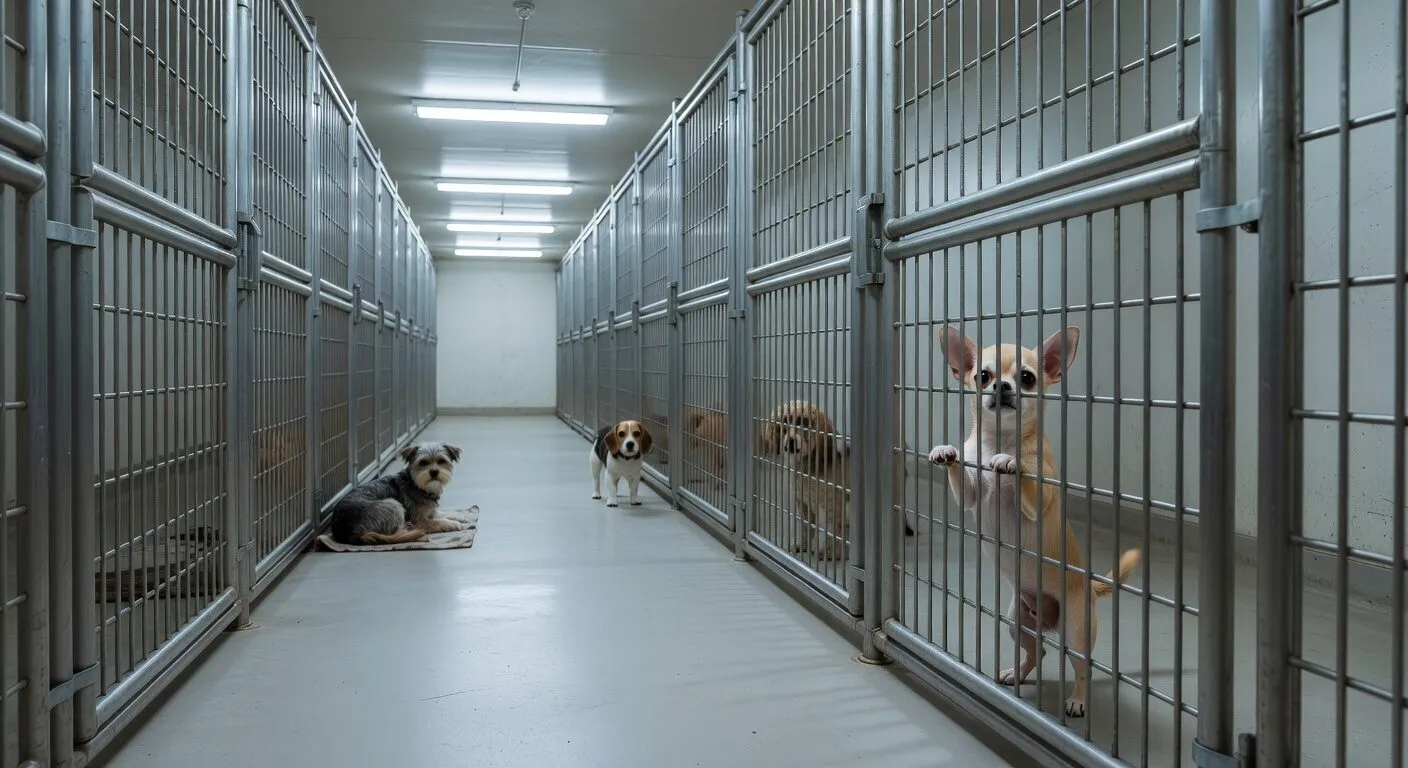

I have been writing about chihuahuas in shelters for a while now, and the numbers still shock me every time I look at them. Walk into almost any municipal shelter in the US and you will see it for yourself. Chihuahuas everywhere.
The Numbers Are Hard to Ignore
In California and Texas alone, Chihuahuas make up about thirty percent of all small dog intakes. That is a staggering number when you think about it. I remember the first time I walked through the shelter and counted. Twelve Chihuahuas in one afternoon. Some were seniors. Some were puppies. Most were somewhere in between, just sitting quietly in their kennels like they were waiting for someone who was never coming back. For more detail, see the ASPCA adoptable dogs near you. For more detail, see the <a href="https://www.akc.org/dog-breeds/chihuahua/” target=”_blank” rel=”noopener noreferrer”>AKC Chihuahua breed health guide.
The Impulse Problem
Chihuahuas are cheap to buy from backyard breeders. You can find them online for a couple hundred dollars, sometimes less. They are small and cute in photos. They show up in movies and on Instagram. People see a tiny puppy and think it will be easy. Low maintenance. A purse dog that just sits there and looks adorable.
Related: common Chihuahua health issues.
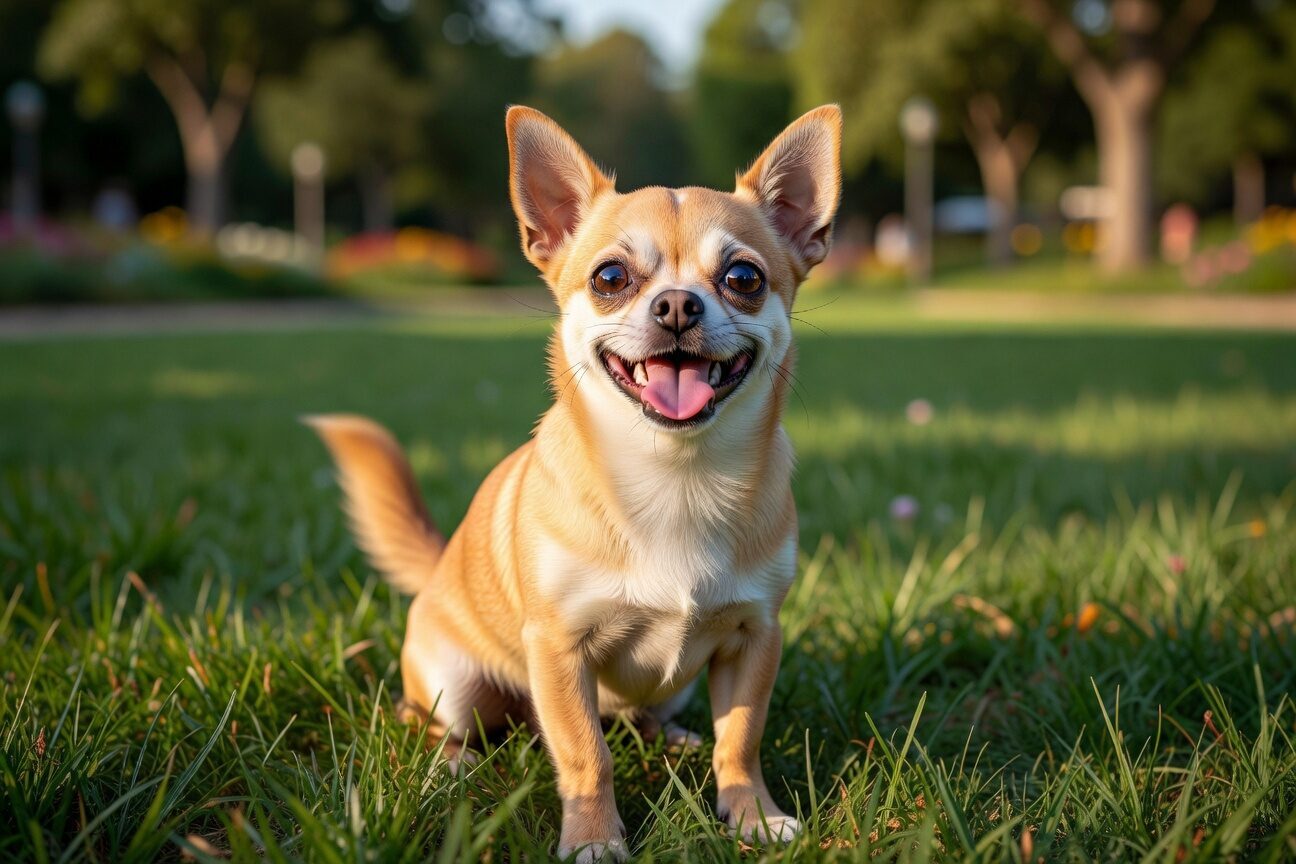
Then the puppy grows up and starts barking at everything. It bonds to one person and snaps at everyone else. It refuses to go outside when the grass is wet. It needs training and patience and consistency, just like every other breed on the planet. And some people just were not ready for that.
What I Wish I Knew Earlier
But the real fix is not on the shelter side. It is on the buying side. People need to stop getting chihuahuas on impulse. They need to understand that a Chihuahua is a ten to eighteen year commitment. It is a dog that will need vet visits and dental cleanings and someone who takes the time to socialize it properly.
What I Tell People Who Ask
When friends tell me they want a Chihuahua, I always say the same thing. Go to the shelter first. Meet the chihuahuas that are already there. You will find one that needs you more than any puppy from a breeder ever will. And you will save a life in the process, which sounds dramatic but it is literally true. Shelter space is limited. Every chihuahua that gets adopted opens a spot for another one who needs it. com/pet-insurance-for-chihuahuas-is-finally-starting-to-make-sense/” title=”Pet Insurance for Chihuahuas Is Finally”>Pet Insurance for Chihuahuas Is Finally.
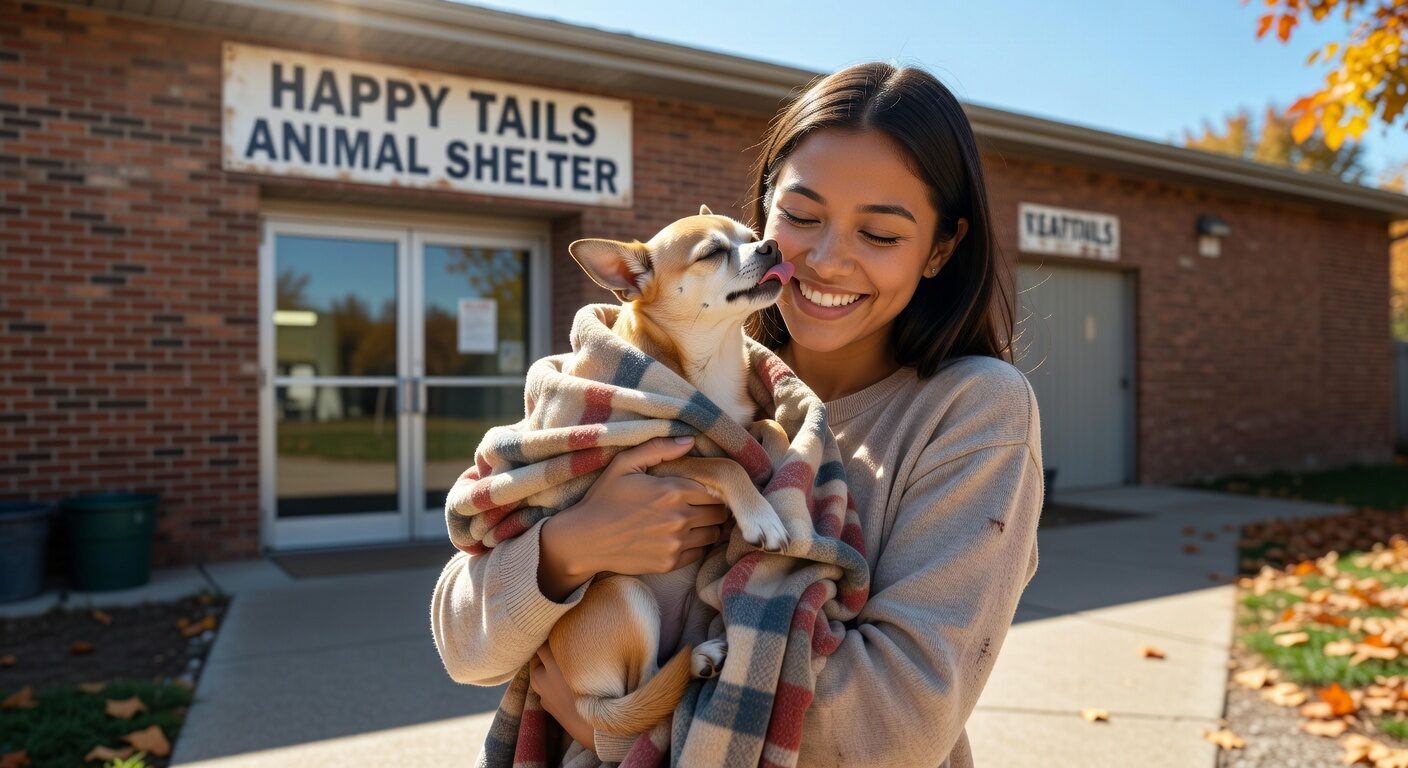
I have three Chihuahuas at home now. Two of them came from shelters. They are the best chihuahuas I have ever had, and someone else gave them up because they barked too much. Their loss. My gain. And honestly, yes, they do bark a lot. That is just what Chihuahuas do.
The thing that gets me is how quickly these chihuahuas bounce back. You would think a chihuahua that was abandoned would be shut down and scared for months. Some are. But most of the Chihuahuas I have seen come through the shelter start showing their personality within a few days of landing in a support home. They start following you around. They start claiming your lap. They start doing all the Chihuahua things that make this breed so ridiculously lovable. They just needed someone to give them the chance.
The Breeds That Share Shelter Space and Why Chihuahuas Get Overlooked
One thing that struck me during my shelter visits was how chihuahuas tend to get passed over in favor of other small breeds. Potential adopters would walk right past the chihuahua kennels and head for the shih tzus, the dachshunds, or the terrier mixes. When I asked shelter staff about it, they said the reputation problem is real. People associate chihuahuas with barking, biting, and being difficult, and those stereotypes keep perfectly wonderful dogs sitting in kennels for weeks or months longer than they should. I have watched it happen repeatedly. A sweet, calm chihuahua who would make an incredible companion gets overlooked because the person walking through the shelter has a mental image of a yappy, aggressive little dog that bears no resemblance to the actual animal sitting quietly in the kennel.
The tragedy is that many of these shelter chihuahuas are adults who have already been house trained, socialized to some degree, and have outgrown the puppy chaos that new owners struggle with most. They are past the chewing stage, past the housebreaking stage, and in many cases past the worst of the barking phase. Adopting an adult chihuahua from a shelter is one of the best kept secrets in dog ownership because you get a dog whose personality is already established and whose temperament you can evaluate before you commit. There is no guessing game about what kind of dog they will turn out to be, because they already are that dog.
What Shelters and Rescues Are Doing Differently Now
that some organizations are getting creative about moving chihuahuas out of shelters and into homes. Transfer programs that move chihuahuas from overcrowded California and Texas shelters to regions where the breed is less common have been incredibly effective. A chihuahua that might sit in a Los Angeles shelter for months can find a home within days of being transferred to a rescue in the Pacific Northwest or the Midwest, where demand for small dogs is higher and supply is lower. I have volunteered with one of these transfer programs, and the logistics are impressive. Dogs are transported in climate controlled vans with volunteer drivers, veterinary clearance at both ends, and support families waiting at the destination.
Breed specific chihuahua rescues have also made a huge difference. These organizations understand the breed’s quirks and can match chihuahuas with adopters who are genuinely prepared for what they are getting into. They screen applicants carefully, provide behavioral support after adoption, and take dogs back if the placement does not work out. That safety net means chihuahuas are less likely to bounce back into the shelter system a second time, which is something that happens far too often with general adoption placements where the adopter did not fully understand what living with a chihuahua actually involves.
You Might Also Enjoy
How to Adopt a Shelter Chihuahua the Right Way
If you have decided to adopt a chihuahua from a shelter, I want to share some practical advice that I wish I had before I brought my first rescue home. First, do not choose based on looks alone. Spend time with the dog in a quiet room if the shelter allows it, because kennel behavior does not always reflect how the dog will act in a home environment. Some chihuahuas who seem shut down and unresponsive in the shelter are actually calm, well adjusted dogs who simply do not do well in noisy, stressful environments. Others who seem lively and playful behind bars might turn out to be more anxious and reactive once the novelty of a new home wears off. Ask the shelter staff or support family about the dog’s history, their behavior around other animals, and any known triggers or fears. The more information you have going in, the smoother the transition will be.
Second, prepare your home before the chihuahua arrives. Set up a quiet safe space with a bed, water, and a few toys. Block off any areas where a tiny dog could get stuck or injured. Buy food, a harness that fits properly, and schedule a vet appointment for within the first week. Having everything ready in advance means you can focus entirely on your new chihuahua’s emotional needs during those critical first few days instead of scrambling to buy supplies while a nervous four pound dog hides behind your refrigerator. The adjustment period for a shelter chihuahua is real and it takes patience, but I can tell you from personal experience that the payoff is one of the most rewarding things you will ever do as a dog owner.
If you are thinking about adding a chihuahua to your family, please consider visiting a shelter first. You might walk in looking for one chihuahua and walk out with a little dog you never expected to fall for. You might also find More Dog Parks Are Finally Adding Small Dog worth reading.
Chihuahuas are one of the longest-lived dog breeds with an average lifespan of 14 to 16 years. Some reach 20 years with proper care. Regular vet checkups, dental care, a healthy diet, and maintaining proper weight all contribute to longevity. The oldest recorded chihuahua lived to be 22.
Chihuahuas can be good family dogs in homes with older children who understand gentle handling. They are too fragile for rough play with toddlers. Chihuahuas bond deeply with their family but may be wary of strangers. Proper socialization from a young age helps them be more accepting of new people.
Two 15 to 20 minute walks per day plus some indoor playtime meets most chihuahuas’ needs. They have more energy than people expect but tire out faster than larger breeds. Mental stimulation through puzzle toys and training sessions is just as important as physical exercise for this intelligent breed.
The most common health issues include dental disease, patellar luxation, heart murmurs, hypoglycemia in puppies, tracheal collapse, and hydrocephalus. Regular vet visits catch many of these early. Dental care is especially important because chihuahuas are prone to tooth loss and gum disease throughout their lives.
Chihuahuas bark because they are alert, protective, anxious, or bored. Their hearing is sharp and they react to sounds other dogs ignore. Training a reliable quiet command helps. Ignore demand barking completely. Address the underlying cause rather than just the noise. A tired chihuahua barks less than a bored one.
How long do chihuahuas live on average?
Chihuahuas are one of the longest-lived dog breeds with an average lifespan of 14 to 16 years. Some reach 20 years with proper care. Regular vet checkups, dental care, a healthy diet, and maintaining proper weight all contribute to longevity. The oldest recorded chihuahua lived to be 22.
Are chihuahuas good family dogs?
Chihuahuas can be good family dogs in homes with older children who understand gentle handling. They are too fragile for rough play with toddlers. Chihuahuas bond deeply with their family but may be wary of strangers. Proper socialization from a young age helps them be more accepting of new people.
How much exercise does a chihuahua need?
Two 15 to 20 minute walks per day plus some indoor playtime meets most chihuahuas’ needs. They have more energy than people expect but tire out faster than larger breeds. Mental stimulation through puzzle toys and training sessions is just as important as physical exercise for this intelligent breed.
What health problems are common in chihuahuas?
The most common health issues include dental disease, patellar luxation, heart murmurs, hypoglycemia in puppies, tracheal collapse, and hydrocephalus. Regular vet visits catch many of these early. Dental care is especially important because chihuahuas are prone to tooth loss and gum disease throughout their lives.
Why do chihuahuas bark so much?
Chihuahuas bark because they are alert, protective, anxious, or bored. Their hearing is sharp and they react to sounds other dogs ignore. Training a reliable quiet command helps. Ignore demand barking completely. Address the underlying cause rather than just the noise. A tired chihuahua barks less than a bored one.