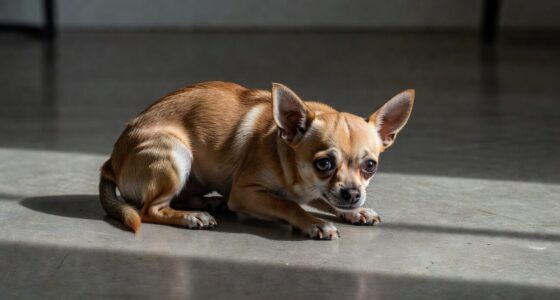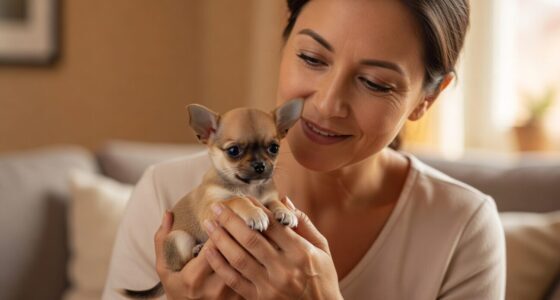
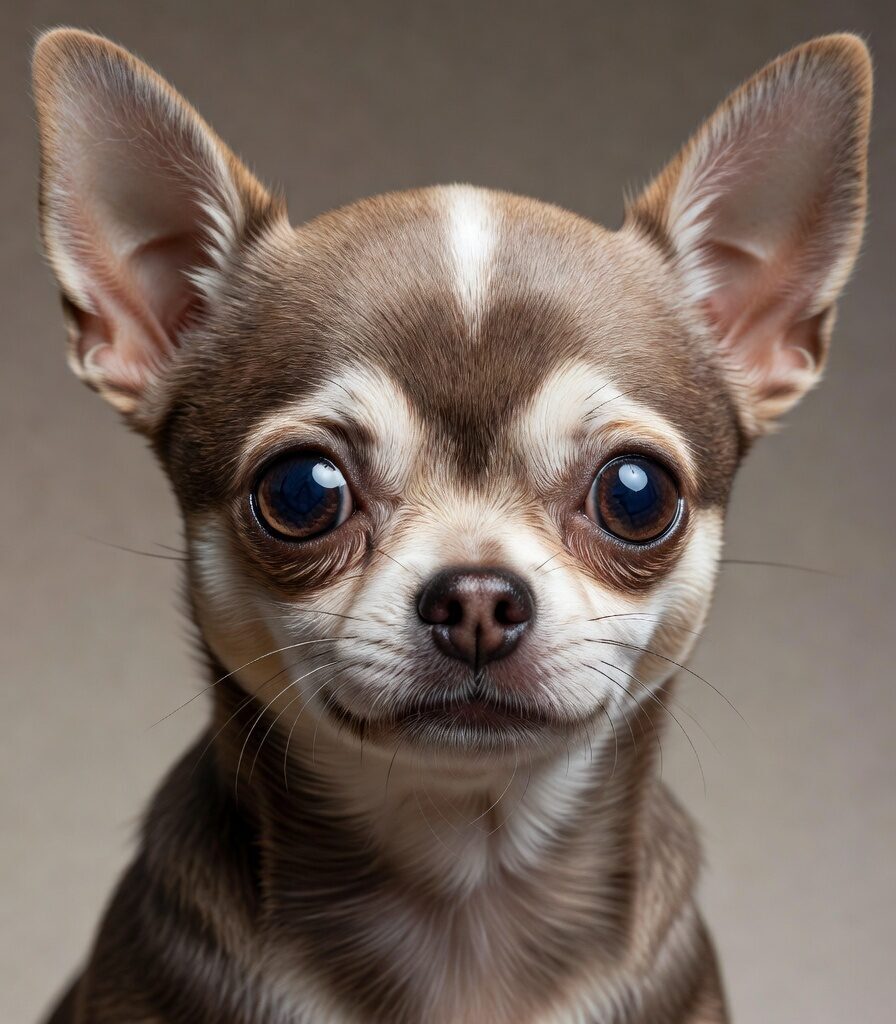
I thought I knew what a chihuahua looked like. Then I brought mine to a chihuahua meetup in the park and realized I knew absolutely nothing. There were chihuahuas with apple-shaped heads and chihuahuas with deer-like faces. Smooth coats, long coats, coats that looked like someone had given them a tiny blowout at a salon. Some weighed two pounds, others pushed twelve. One looked like a miniature golden retriever, and I am still not entirely convinced it was actually a chihuahua. When it comes to chihuahua types, I learned most of what I know the hard way.
The truth is, the different chihuahua types are far more varied than most people realize. While the AKC only officially recognizes two varieties based on coat length, the reality on the ground is a lot more interesting than that.
The Two Official Chihuahua Types
1. Smooth Coat Chihuahua
The smooth coat is what most people picture when they hear the word chihuahua. Short, close-fitting fur that sits tight against the body. They shed less than you would expect for a dog that manages to leave hair on every surface in your home. Mine is a smooth coat, and I find her hair in my coffee at least twice a week. I have accepted this as part of my life now.
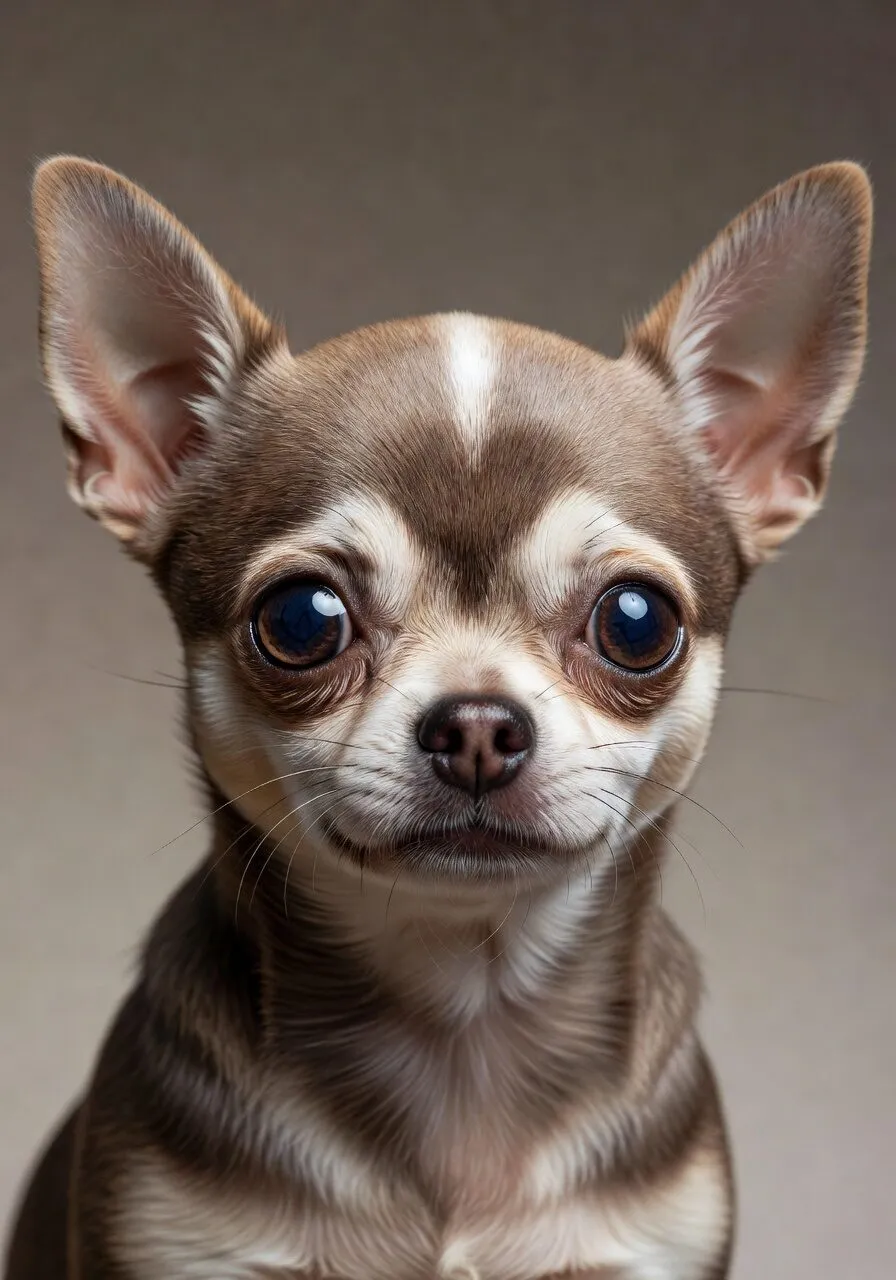
Smooth coats tend to feel the cold more than their long-haired cousins, which is why you see so many of them in sweaters. This is not a fashion choice. It is survival.
2. Long Coat Chihuahua
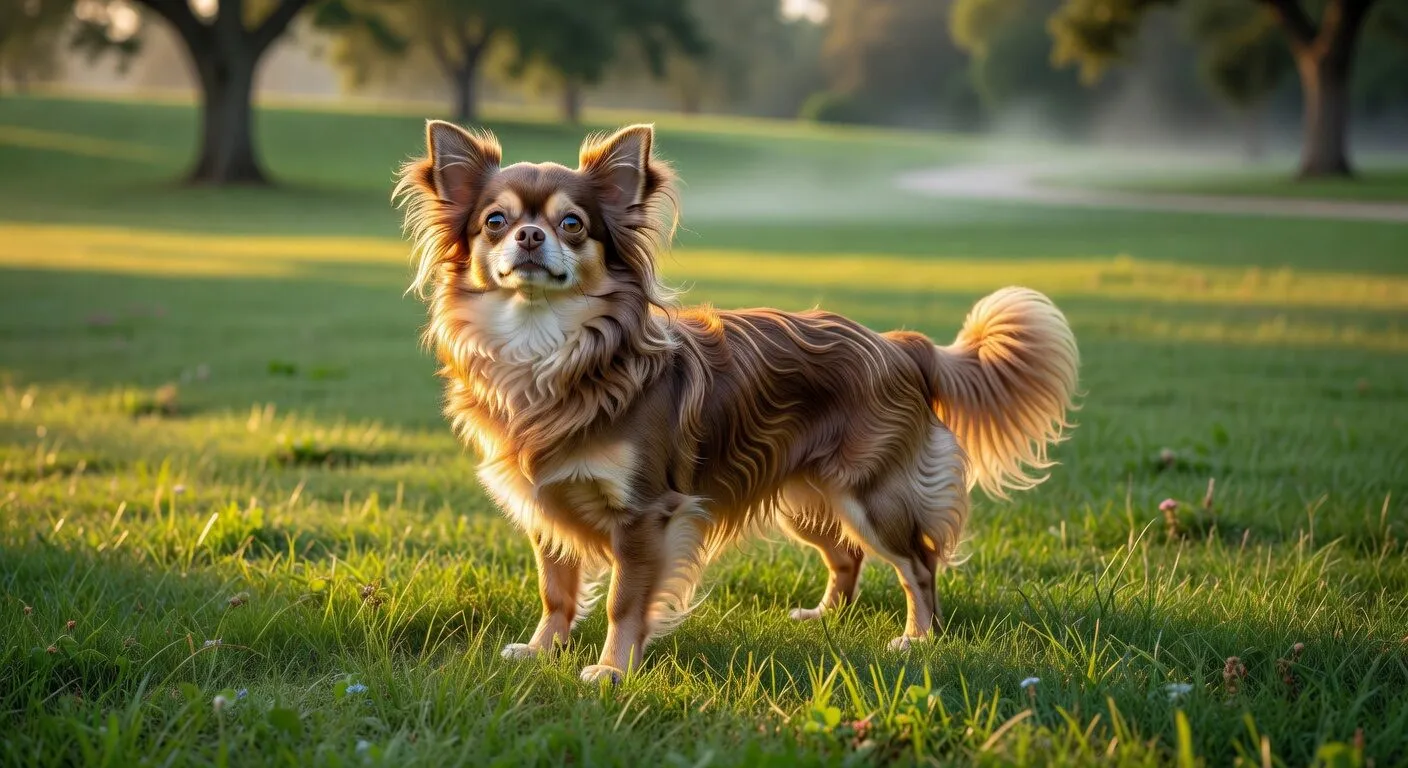
Long coat chihuahuas look like they are permanently wind-blown. Their fur is soft, sometimes slightly wavy, with feathering on the ears, legs, and tail. They require more grooming than smooth coats, but they also get fewer judgmental stares from strangers who think your dog is cold.
What surprises most people is that long coat chihuahuas actually handle cold weather slightly better than smooth coats because of that extra insulation. According to the American Kennel Club, both coat types can appear in the same litter, which means two smooth coat parents can absolutely produce a fluffy puppy.
Head Shapes: Apple vs. Deer
3. Apple Head Chihuahua
The apple head is the breed standard. Round skull, prominent forehead, shorter snout, and those enormous eyes that look like they are permanently surprised by the world. Apple head chihuahuas tend to have a more pronounced molera, which is the soft spot on top of their skull that some chihuahuas never fully close. It sounds alarming, and honestly it kind of is, but it is considered normal for the breed.
Deer head chihuahuas might get more love on social media lately, but the apple head remains the show ring favorite and the type most breeders aim for.
4. Deer Head Chihuahua
Deer head chihuahuas have a longer muzzle, a flatter skull, and ears that sit at more of an angle. They look like tiny deer, which is both adorable and slightly unsettling when they stand on their back legs in the kitchen begging for cheese. They tend to be slightly larger than apple heads and often have fewer of the respiratory issues that come with a shorter snout.
My friend has a deer head chi who weighs about eight pounds, and people constantly ask her what mix he is. He is not a mix. He is just a chihuahua who does not look like a Taco Bell commercial. This is one thing every chihuahua types owner should consider.
5. Pear Head Chihuahua
The pear head is what happens when apple head and deer head genetics meet somewhere in the middle. A slightly elongated skull that is wider at the top and narrows toward the muzzle. This is not an official classification, but breeders and enthusiasts use the term regularly. Pear heads are common in pet-quality chihuahuas and are just as healthy and lovable as any other type.
Size Variations
6. Teacup Chihuahua
I need to say this clearly. “Teacup” is a marketing term, not a breed classification. There is no such thing as a separate teacup chihuahua breed. What people call teacup chihuahuas are simply very small chihuahuas, usually under three pounds. Some occur naturally at the small end of the size spectrum, and some are deliberately bred to be tiny, which can come with serious health problems including hypoglycemia, heart defects, and fragile bones.
If someone is selling you a “teacup chihuahua” at a premium price, proceed with extreme caution. Chihuahua size naturally varies, and the smallest dogs in a litter are not necessarily the healthiest.
7. Standard Chihuahua
The breed standard says chihuahuas should not exceed six pounds, but plenty of perfectly healthy chihuahuas weigh eight, ten, even twelve pounds. These bigger chihuahuas are sometimes dismissed as “overweight” when they are actually just structurally larger dogs. My vet calls them “robust chihuahuas” which I think is the politest thing anyone has ever said about a fat dog.
A standard-sized chihuahua in the four to six pound range is generally easier to manage than the very tiny ones. They are sturdier, less prone to injury from jumping off furniture, and can actually go for a real walk without you worrying about hawk attacks.
Color-Based Types
8. Fawn Chihuahua
Fawn is probably the most common chihuahua color and the one most people associate with the breed. It ranges from a pale cream to a deep warm tan. My first chihuahua was fawn, and she looked like a tiny loaf of bread, which was honestly one of her most appealing qualities.
9. Merle Chihuahua
Merle chihuahuas have a mottled coat pattern that creates patches of darker and lighter color. They look striking, and they command premium prices from breeders. But merle genetics come with risks. Merle-to-merle breeding can produce puppies with serious vision and hearing problems. According to Dogster, responsible breeders never cross two merle dogs for this reason.
10. Blue Chihuahua
Blue chihuahuas are not actually blue. They have a diluted black coat that appears steel gray with a slight blue tint. They are rare and beautiful and sometimes come with skin sensitivities related to the dilution gene. If you have a blue chihuahua, a good dermatological care routine is worth investing in early.
You May Also Like
11. Chocolate Chihuahua
Rich, warm brown fur that makes them look like a tiny truffle with legs. Chocolate chihuahuas often have matching brown noses and lighter eyes, which gives them a distinctive look. They are less common than fawn but not as rare as blue or merle. Understanding chihuahua types makes a real difference.
The Mixes People Mistake for Types
12. Chiweenie (Chihuahua-Dachshund Mix)
The chiweenie is technically a mixed breed, but it shows up so often in chihuahua conversations that it deserves a mention. Take the chihuahua personality, add dachshund stubbornness and a longer body, and you get a dog who will argue with you about absolutely everything while looking like a hot dog wearing a chihuahua mask.
13. Chihuahua-Terrier Mix
Chihuahua-terrier mixes are extremely common in shelters, which tells you something about how frequently these two types find each other. The result is usually a slightly bigger, slightly wirier chihuahua with even more attitude than the original model. They tend to be energetic, bold, and completely convinced they are in charge of every situation.
Every Chihuahua Is Its Own Type
After years in the chihuahua world, the thing I have learned is that categories only get you so far. My smooth coat, apple head, fawn chihuahua does not behave anything like my friend’s smooth coat, apple head, fawn chihuahua. One is a lap dog who wants nothing more than to be held. The other is a tiny athlete who will chase a ball until she passes out.
The type of chihuahua you have matters less than the individual dog you are living with. Learn their quirks. Respect their boundaries. And stop trying to make them fit into whatever box the internet says they should be in. They are chihuahuas. They do not fit in boxes. They sit on top of them and judge everyone who walks by.
What I Learned
I have been through this with my own chihuahua. It is one of those things that looks simple on paper but gets complicated fast when you are actually dealing with a four-pound dog who has opinions about everything.
The truth about chihuahua types is that there is no single right answer. What works for one chihuahua might be completely wrong for another. Mine took weeks to adjust. Some dogs figure it out in days. The size of your chihuahua matters. Their age matters. Their personality matters most of all.
Here is what I wish someone had told me earlier. Start small. Do not try to change everything at once. Chihuahuas are stubborn but they are also sensitive. Push too hard and they shut down. Go too slow and nothing changes. The sweet spot is somewhere in the middle and you have to find it yourself.
I talked to other chihuahua owners about chihuahua types and heard the same thing over and over. Patience. Consistency. And a willingness to look a little silly in public because chihuahuas do not care about your dignity.
If you are just getting started with chihuahua types, give yourself grace. You will make mistakes. Your chihuahua will make more of them. That is the whole process. And honestly, once you get through the hard part, it is worth it.
Frequently Asked Questions
What should I know about smooth Coat Chihuahua?
The smooth coat is what most people picture when they hear the word chihuahua. Short, close-fitting fur that sits tight against the body. They shed less than you would expect for a dog that manages to leave hair on every surface in your home.
What should I know about long Coat Chihuahua?
Long coat chihuahuas look like they are permanently wind-blown. Their fur is soft, sometimes slightly wavy, with feathering on the ears, legs, and tail.
What should I know about apple Head Chihuahua?
The apple head is the breed standard. Round skull, prominent forehead, shorter snout, and those enormous eyes that look like they are permanently surprised by the world.
What should I know about deer Head Chihuahua?
Deer head chihuahuas have a longer muzzle, a flatter skull, and ears that sit at more of an angle. They look like tiny deer, which is both adorable and slightly unsettling when they stand on their back legs in the kitchen begging for cheese.
What should I know about pear Head Chihuahua?
The pear head is what happens when apple head and deer head genetics meet somewhere in the middle. A slightly elongated skull that is wider at the top and narrows toward the muzzle.
What should I know about teacup Chihuahua?
I need to say this clearly. "Teacup" is a marketing term, not a breed classification. There is no such thing as a separate teacup chihuahua breed.