
Five Pounds of Wolf
My chihuahua, Rue, has claimed the left side of the couch. Understanding how to chihuahua instincts starts with what actually happens in real life. Not formally. There was no paperwork. But everyone in the house knows that the left cushion belongs to Rue. If you sit there, she will stand on the armrest and stare at you until the guilt becomes unbearable. Then she will wedge herself between you and the cushion with a sigh that communicates centuries of injustice.
This is not brattiness. This is territory. The same instinct that drove her ancestors to mark boundaries and defend den sites now drives Rue to defend a couch cushion with the intensity of a wolf guarding a kill. Chihuahuas are tiny. Their instincts are not.
The Survival Instinct
Every living creature has a survival drive. In chihuahuas, it expresses itself as hypervigilance. The constant scanning. The head tilting at sounds you cannot hear. The way they freeze, ears forward, body rigid, when something in the environment changes.
Related: common Chihuahua health issues.
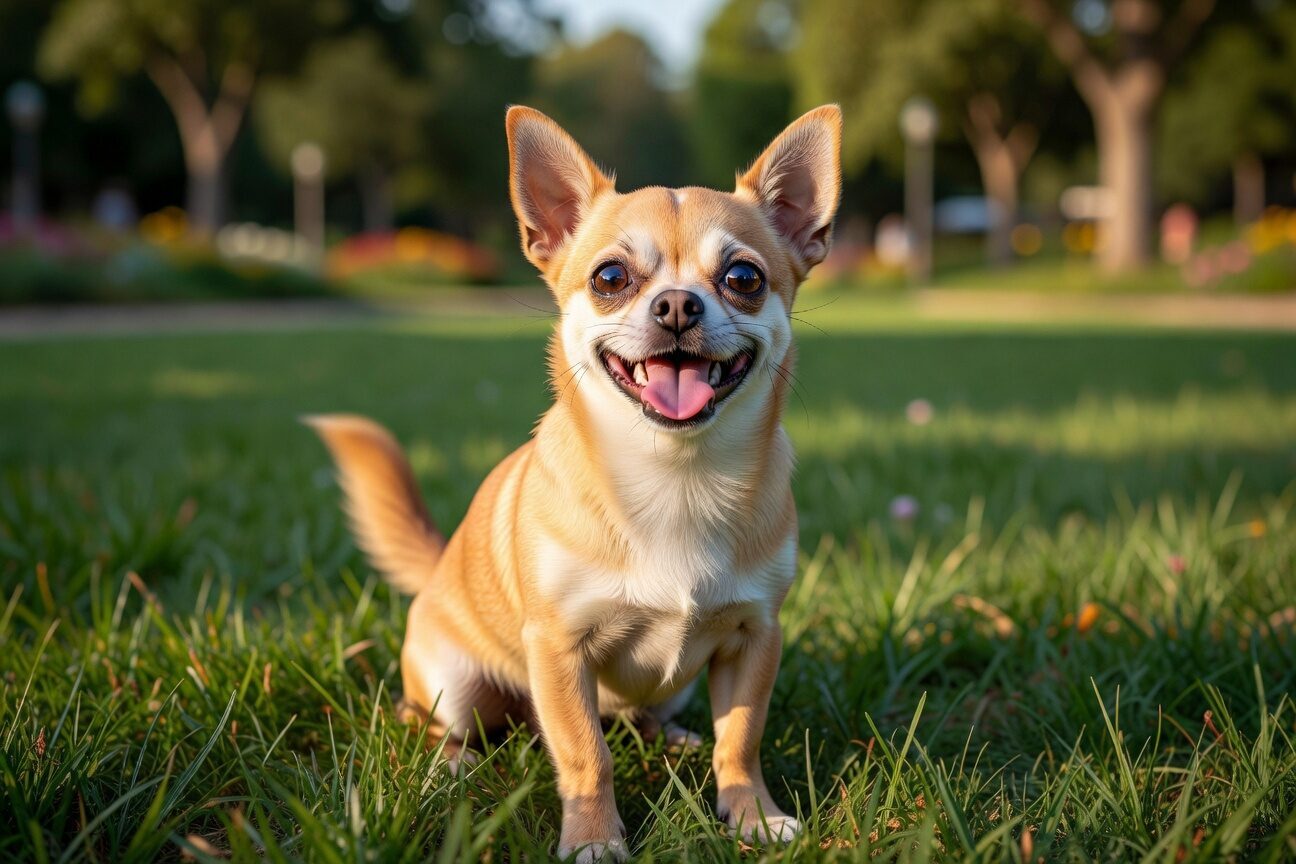
People call chihuahuas nervous. That is not quite right. They are alert. A chihuahua who lived on the streets of ancient Mexico needed to be aware of every predator, every threat, every opportunity for food. That programming does not vanish because the dog now sleeps on memory foam.
When your chihuahua startles at a noise or trembles during a thunderstorm, they are not being dramatic. Their survival instinct is firing in a world that no longer requires it. Understanding that distinction changes how you respond. You comfort rather than correct.
What I Wish I Knew Earlier
In your home, the pack is your family. And your chihuahua has assigned everyone a rank. You might be surprised by where you fall.
The pack instinct explains why chihuahuas follow you from room to room. Why they position themselves between you and strangers. Why they get agitated when family members argue. They are not just watching. They are monitoring the pack for threats and disruptions.
It also explains why chihuahuas attach so intensely to one person. In pack structure, the bond with the leader is the strongest. Your chihuahua has chosen you as their person. That choice runs deep and does not transfer easily.
The Need for Leadership
This is where chihuahua owners get into trouble. Because the dog is small and adorable, people skip the leadership part. No rules. No boundaries. The chihuahua gets carried everywhere, fed on demand, and allowed on every surface in the house.
The dog does not experience this as love. The dog experiences this as a lack of leadership. And a chihuahua without a leader becomes anxious, reactive, or bossy. Sometimes all three.
Dogs instinctively seek leadership. They want someone to set the rules and enforce them consistently. A chihuahua who follows you around, listens to your voice, and watches your facial expressions is a dog who has accepted you as their leader. That is not submissiveness. That is trust.
Territorial Behavior
Rue marks her territory with the precision of a surveyor. Every walk involves the same spots. The fire hydrant on the corner. The base of the oak tree. The neighbor’,s fence post. She visits them in order and refreshes each one like she is updating a database. com/when-dogs-bark-are-they-using-words-to-communicate/” title=”When Dogs Bark, Are They Using Words to”>When Dogs Bark, Are They Using Words to.
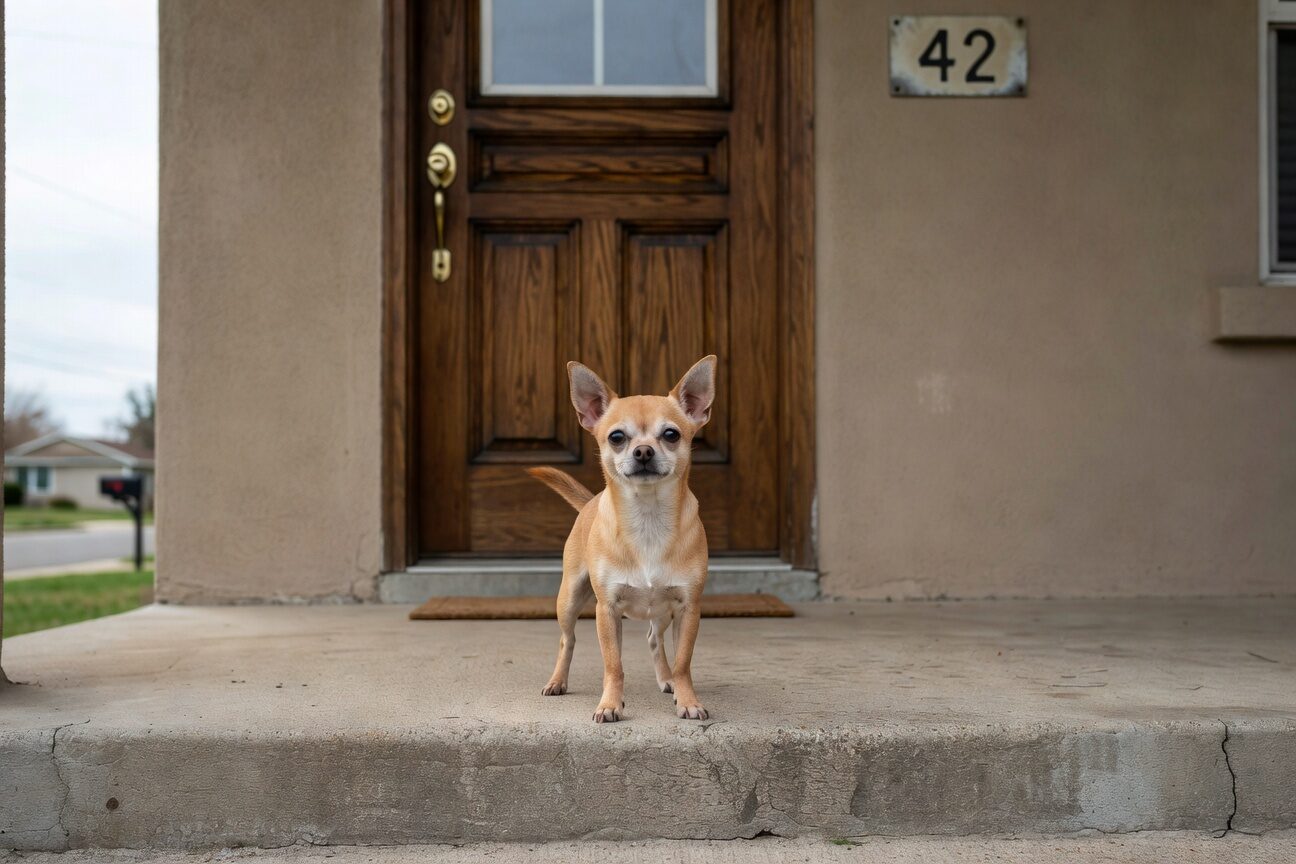
At home, territory is about space ownership. Her bed. Her crate. Her spot on the couch. Chihuahuas develop territorial awareness as early as two or three weeks old. Puppies in a litter will claim a corner of the whelping box. That instinct scales up with the dog.
This is why chihuahuas bark at the doorbell. It is not rudeness. It is a territorial alarm. Someone is approaching the boundary. The pack must be alerted. The fact that the intruder is a delivery driver with your Amazon package does not register. Threat is threat.
Interestingly, most dogs are most aggressive on their own territory, most submissive on another dog’,s territory, and most social on neutral ground. If you are introducing your chihuahua to a new dog, a park is better than your living room. Every time.
Loyalty That Does Not Quit
Chihuahuas are famously loyal. But the depth of that loyalty is often underestimated. Once a chihuahua bonds to you, that bond is nearly unbreakable. Better food, a bigger yard, a new owner who tries harder. None of it matters. Their loyalty is fixed.
This is why rehomed chihuahuas sometimes struggle. They grieve. They search for their person. Given time and patience, they can transfer their loyalty. But it is a process measured in months, not days. The ASPCA recommends positive reinforcement methods for small breeds like chihuahuas.
If you adopt an older chihuahua, expect a slow warm-up. Do not take it personally. They are not rejecting you. They are mourning someone else. The breed’,s ancient history shows that this deep bonding trait has been part of who they are for thousands of years.
Working With the Instincts
You cannot train instincts out of a dog. You can only manage them. Provide your chihuahua with a defined space they can call their own. Be the consistent leader they are looking for. Respect their territorial nature while teaching them appropriate responses.
Rue still owns the left side of the couch. But now she shares it when asked. That is not the death of instinct. That is instinct meeting trust. And trust, for a chihuahua, is the whole game.
The Prey Drive Nobody Talks About
People laugh when I tell them my chihuahua has a prey drive. They picture golden retrievers chasing ducks or border collies herding sheep. But my four-pound dog will fixate on a squirrel with an intensity that borders on obsessive. She has stalked lizards in the backyard with the patience of a nature documentary predator, low to the ground, moving one paw at a time, completely silent until she lunges and misses by a mile.
This is not a malfunction. It is thousands of years of survival instinct packed into a very small body. The Techichi ancestors of modern chihuahuas likely supplemented their diet with insects and small rodents. That hunting behavior did not disappear just because we started serving kibble in ceramic bowls. I learned to channel it instead of fighting it. Puzzle feeders, flirt poles, and games that let her chase and catch a toy all satisfy that ancient drive without any squirrels getting traumatized. Understanding that your chihuahua has real instincts and not just quirks changes how you approach enrichment entirely.
The territorial instinct deserves mention too. My chihuahua patrols the perimeter of our yard every single morning like a tiny security guard doing rounds. She checks the fence line, sniffs the corners, and marks her territory with the seriousness of a soldier establishing a border. If a neighbor dog walks by on the other side of the fence, she will alert the entire household with barking that is wildly disproportionate to her size. This is not aggression. This is a dog doing the job her ancestors were bred for over thousands of years. Understanding that territorial behavior is instinctual rather than problematic changed how I respond to it. Instead of scolding her for barking, I acknowledge the alert, check what she is barking at, and then redirect her attention. She feels heard. I keep my sanity. And the neighbor dog keeps walking, completely unbothered.
For more detailed guidance on this topic, the American Kennel Club offers excellent resources backed by veterinary professionals.
I have been through this with my own chihuahua. It is one of those things that looks simple on paper but gets complicated fast when you are actually dealing with a four-pound dog who has opinions about everything.
The truth about chihuahua wild instincts is that there is no single right answer. What works for one chihuahua might be completely wrong for another. Mine took weeks to adjust. Some dogs figure it out in days. The size of your chihuahua matters. Their age matters. Their personality matters most of all.
Here is what I wish someone had told me earlier. Start small. Do not try to change everything at once. Chihuahuas are stubborn but they are also sensitive. Push too hard and they shut down. Go too slow and nothing changes. The sweet spot is somewhere in the middle and you have to find it yourself.
I talked to other chihuahua owners about chihuahua wild instincts and heard the same thing over and over. Patience. Consistency. And a willingness to look a little silly in public because chihuahuas do not care about your dignity.
If you are just getting started with chihuahua wild instincts, give yourself grace. You will make mistakes. Your chihuahua will make more of them. That is the whole process. And honestly, once you get through the hard part, it is worth it.
Yes. Chihuahuas have a surprisingly strong prey drive for their size. They will chase squirrels, birds, lizards, and even insects with intense focus. This instinct comes from their Techichi ancestors who hunted small animals in the wild. A securely fenced yard is important because a chihuahua chasing prey ignores recall commands.
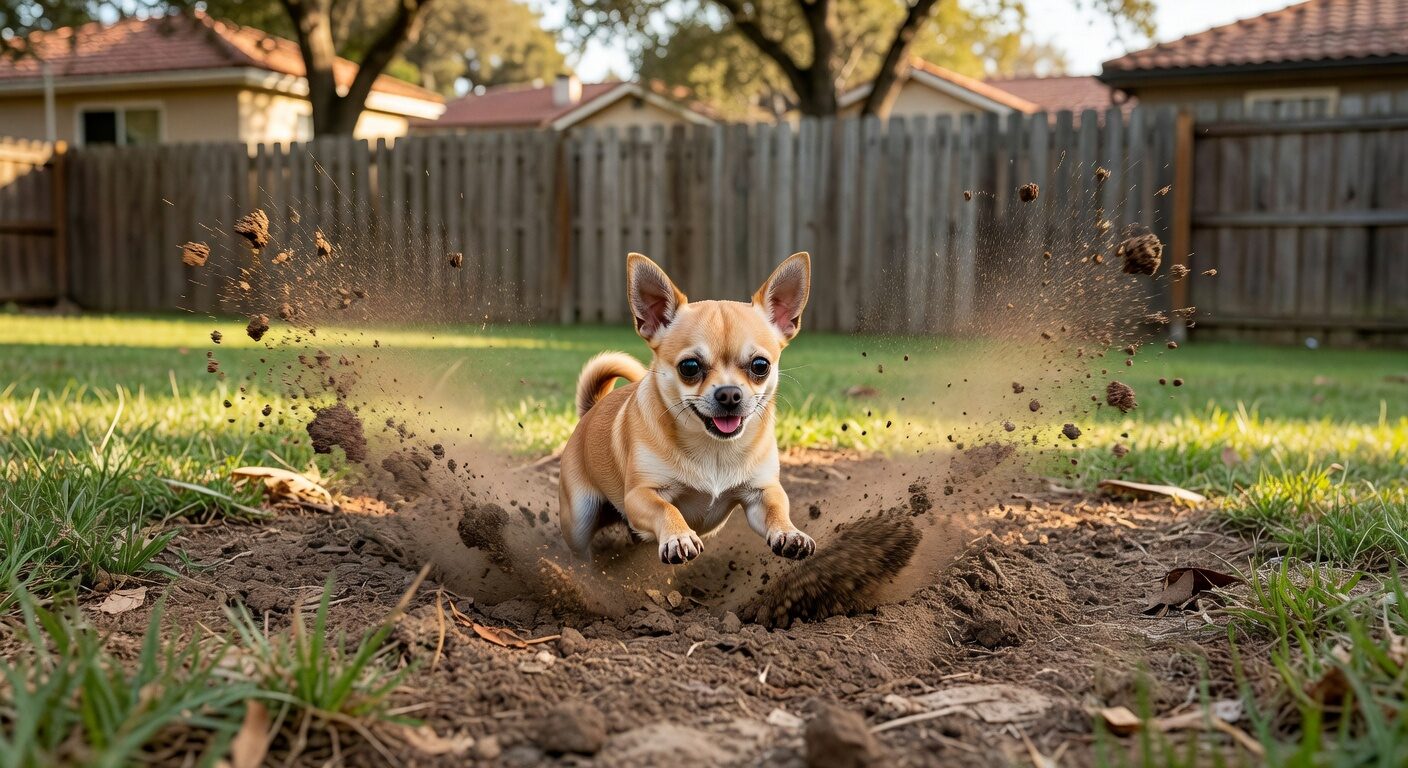
Digging is an instinct that served wild dogs by creating cool resting spots and hiding food. Your chihuahua digs because that drive is still there. Pregnant females may dig nesting spots. Some chihuahuas dig when bored or anxious. Providing a designated digging area with buried toys can redirect this behavior.
Food guarding, or resource guarding, is an instinct from when dogs had to protect their meals from competitors. Chihuahuas are especially prone to it because their small size makes them feel vulnerable. Never punish guarding behavior. Instead, approach their bowl to add high-value food so your presence means good things.
All dogs descend from pack animals and retain some pack instincts. Chihuahuas view their human family as their pack. They establish hierarchies, prefer routine, and look to their leader for cues on how to react to new situations. This pack mentality is why they bond so strongly to one person.
This is an ancient instinct from when wild dogs circled to flatten grass, check for snakes, and create a comfortable nest before sleeping. Your chihuahua’s bed does not need flattening, but the instinct remains hardwired. It is completely normal and nothing to worry about.
Do chihuahuas have strong prey drive?
Yes. Chihuahuas have a surprisingly strong prey drive for their size. They will chase squirrels, birds, lizards, and even insects with intense focus. This instinct comes from their Techichi ancestors who hunted small animals in the wild. A securely fenced yard is important because a chihuahua chasing prey ignores recall commands.
Why does my chihuahua dig holes in the yard?
Digging is an instinct that served wild dogs by creating cool resting spots and hiding food. Your chihuahua digs because that drive is still there. Pregnant females may dig nesting spots. Some chihuahuas dig when bored or anxious. Providing a designated digging area with buried toys can redirect this behavior.
Why does my chihuahua guard their food?
Food guarding, or resource guarding, is an instinct from when dogs had to protect their meals from competitors. Chihuahuas are especially prone to it because their small size makes them feel vulnerable. Never punish guarding behavior. Instead, approach their bowl to add high-value food so your presence means good things.
Are chihuahuas pack animals?
All dogs descend from pack animals and retain some pack instincts. Chihuahuas view their human family as their pack. They establish hierarchies, prefer routine, and look to their leader for cues on how to react to new situations. This pack mentality is why they bond so strongly to one person.
Why does my chihuahua circle before lying down?
This is an ancient instinct from when wild dogs circled to flatten grass, check for snakes, and create a comfortable nest before sleeping. Your chihuahua’s bed does not need flattening, but the instinct remains hardwired. It is completely normal and nothing to worry about.