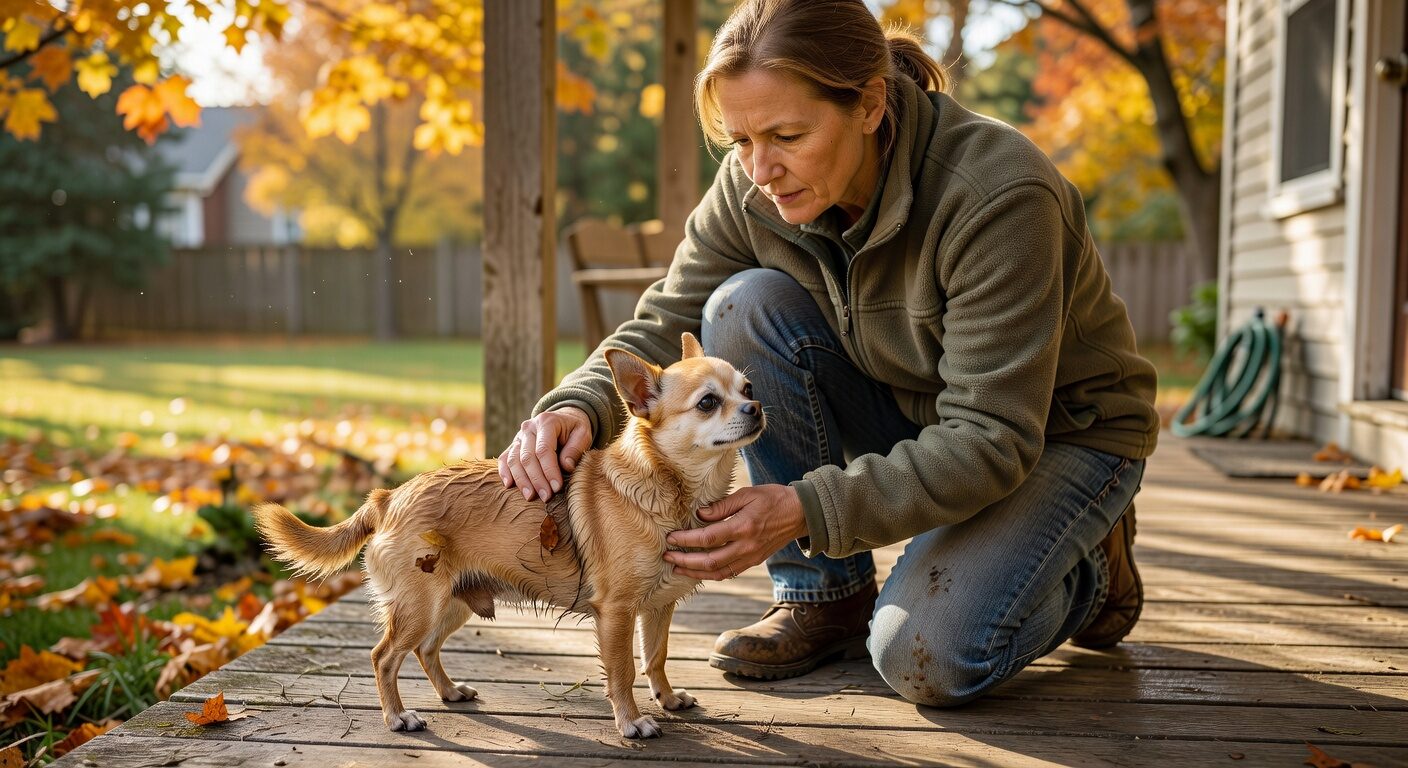
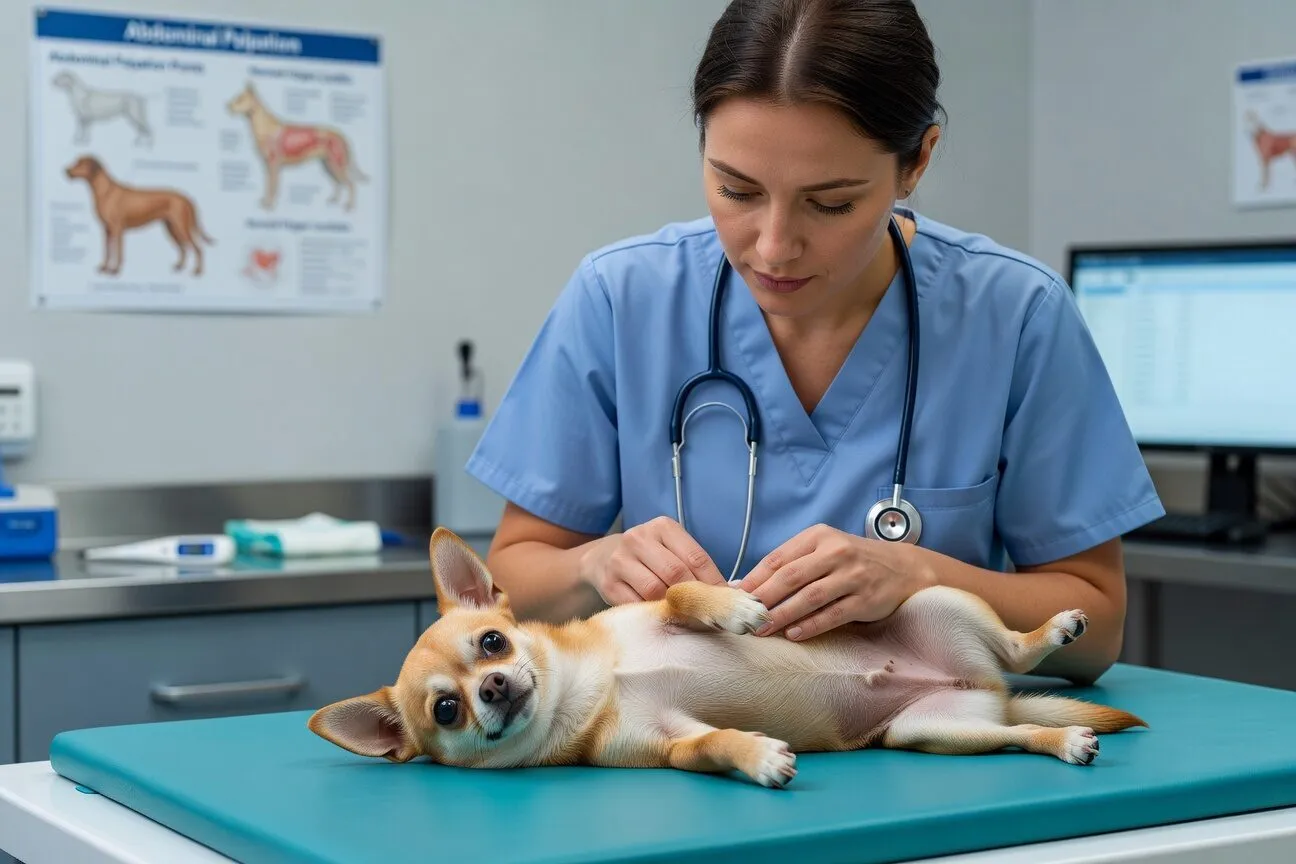

I never imagined I would become the kind of person who examines dog poop with genuine interest. But here I am — three years into chihuahua ownership — crouching on a sidewalk at seven in the morning and thinking “that looks a little too orange.” Owning a chihuahua changes you. This is one of the ways nobody warns you about. If you’re reading about chihuahua poop color, you’re in the right place.
The first time my chihuahua Pepper’s poop looked different from usual, I panicked. It was dark — much darker than normal — and I spent forty-five minutes on Google before calling my vet. Turns out she had eaten a piece of blackberry off the ground during our walk. Not an emergency. But that scare taught me something useful: dog poop chihuahua health is genuinely connected, and learning to read the signs saves you from both unnecessary panic and genuinely dangerous delays.
The Dog Poop Color Chart for Chihuahua Owners
Brown: Normal and Healthy
Chocolate brown is what you want to see. Medium brown, consistent texture, easy to pick up. If your chihuahua’s poop looks like this every day, their digestive system is working exactly as it should. The AKC’s poop guide confirms that consistent brown stool is the gold standard for canine digestive health.
Yellow or Orange: Watch Closely
Yellow or orange stool can indicate a liver or bile issue, but it can also mean your chihuahua ate something with food coloring or had a minor stomach upset. One yellow stool is usually not an emergency. Two or three in a row means call the vet. VCA Hospitals notes that persistent color changes always warrant professional evaluation.
Green: Grass or Gallbladder
If your chihuahua has been eating grass — and they all do sometimes — green poop is probably just that. But green stool without grass-eating can point to a gallbladder issue or intestinal infection. Pepper went through a grass-eating phase at about two years old. Her poop looked like she was trying to become a vegetarian. The vet confirmed she was fine — just being weird, which is basically the chihuahua default setting.
Black or Tarry: Upper GI Bleeding
This is the one that should send you to the vet immediately. Black, tarry stool — not just dark brown, but genuinely black and sticky — indicates bleeding in the upper digestive tract. This can be caused by ulcers, ingested medications, or internal injury. Do not wait to see if it resolves on its own. Dog poop chihuahua health connections do not get more urgent than this one.
Red Streaks: Lower GI Bleeding
Bright red blood in or on the stool means bleeding in the lower intestines or colon. This is less immediately dangerous than black stool but still needs veterinary attention. Common causes include colitis, anal gland issues, or something sharp your chihuahua swallowed. Our health issues guide covers the digestive conditions that most commonly affect chihuahuas.
White or Clay-Colored: Bile Duct Issue
Pale or white stool suggests that bile is not reaching the intestines properly. This can indicate a blockage in the bile duct or a liver issue. A single pale stool might be a fluke, but repeated instances need veterinary investigation. Some dogs on very high-calcium diets also produce white, chalky stool.
White Spots: Possible Worms
Small white specks that look like grains of rice are likely tapeworm segments. This is common, treatable, and not a reason to panic — but it does require a vet visit for proper deworming medication. PetMD’s tapeworm guide has clear photos if you need to compare.
Dog Poop Consistency Matters for Chihuahua Health Too
Color gets all the attention, but consistency tells you just as much. Healthy chihuahua stool should be firm enough to pick up easily but not hard like pebbles. Think Play-Doh consistency — I apologize for that image, but it is accurate.
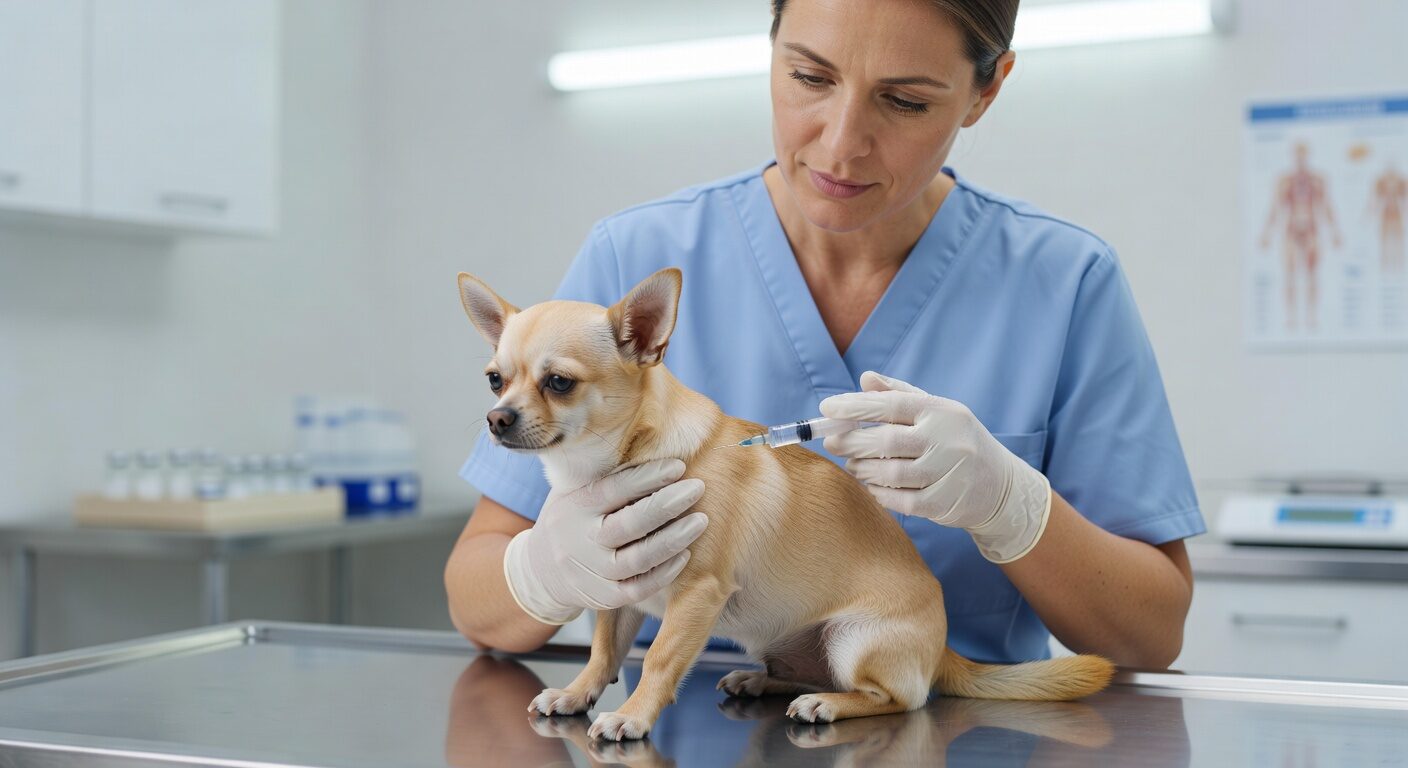
Watery diarrhea that lasts more than twenty-four hours in a chihuahua is a veterinary emergency because of how quickly small dogs dehydrate. Pepper got a stomach bug once and went from fine to lethargic in about eight hours. We ended up at the emergency vet for fluids. Our stomach care guide covers when home care is enough and when you need to head to the clinic.
Hard, dry pebble-like stool means your chihuahua is not getting enough water or fiber. This is more common than people realize in chihuahuas because they do not drink much compared to larger breeds. Making sure fresh water is always available — and adding a splash to their kibble — can make a significant difference.
When Dog Poop Changes Are Specific to Small Breeds Like Chihuahuas
Chihuahuas have faster metabolisms and more sensitive stomachs than most breeds. A diet change that a Labrador absorbs without blinking can give a chihuahua three days of digestive chaos. Choosing the right food is one of the most impactful things you can do for your chihuahua’s digestive health.
Their small size also means that any illness progresses faster. A large dog with diarrhea can go a day or two before dehydration becomes dangerous. A chihuahua can reach that point in hours. This is why monitoring your dog poop chihuahua health signals matters more for our breed than for almost any other.
When to Actually Rush to the Emergency Vet
Black tarry stool. Bloody diarrhea that does not stop after one episode. Any poop change combined with vomiting, lethargy, or refusal to eat. Straining to poop with nothing coming out — this could indicate a blockage. Your chihuahua eating something they should not have followed by abnormal stool within twenty-four hours.
The ASPCA Poison Control hotline is worth keeping in your phone for situations where your chihuahua ate something toxic and you are seeing stool changes.
Pepper is twelve now. I have seen every color on this chart at least once. Most of the time it was nothing — a berry off the sidewalk, a new treat that disagreed with her, a day where she decided grass was a food group. But twice it was something real, and both times I caught it early because I had learned to pay attention. That is the whole point of knowing what your chihuahua’s poop is telling you.