

Three Ways to Bond With Your Chihuahua That Actually Work
Learning how to bond with your chihuahua is different from bonding with other breeds because chihuahuas do not give their trust away freely. They are selective, observant, and sometimes maddeningly stubborn about deciding when and how they connect with their people. My chihuahua, Nacho, took almost two months before he fully relaxed around me after I adopted him as a three year old from a rescue. During those first weeks he watched me from across the room like he was conducting a thorough background check, and I had to earn every inch of trust he eventually gave me.
The bond I have with Nacho now is one of the most rewarding relationships in my life, and it did not happen by accident. It happened through consistent, intentional actions that communicated safety, respect, and genuine partnership. Here are the three approaches that made the biggest difference.
1. Establish Routine and Predictability
Chihuahuas thrive on routine. They are creatures of habit who feel safest when they know what to expect, and establishing a consistent daily pattern is one of the fastest ways to build trust with a chihuahua who is still figuring you out. Nacho started relaxing visibly once he realized that mornings meant breakfast at the same time, followed by a walk, followed by the same quiet period while I worked, followed by evening play and dinner.
Related: common Chihuahua health issues, Chihuahua body language, Chihuahua separation anxiety.
I am not talking about a rigid, minute by minute schedule. I am talking about a general rhythm that your chihuahua can count on. They know they will be fed, they know they will get walks, they know when quiet time happens and when play time happens. That predictability eliminates a huge source of anxiety and frees your chihuahua to focus on connecting with you instead of worrying about what might happen next.
The AKC explains that dogs in general benefit from routine, but it is especially impactful for small breeds who are already predisposed to anxiety. For Nacho, knowing that his world was predictable was the foundation that everything else was built on.
Feeding as a Bonding Ritual
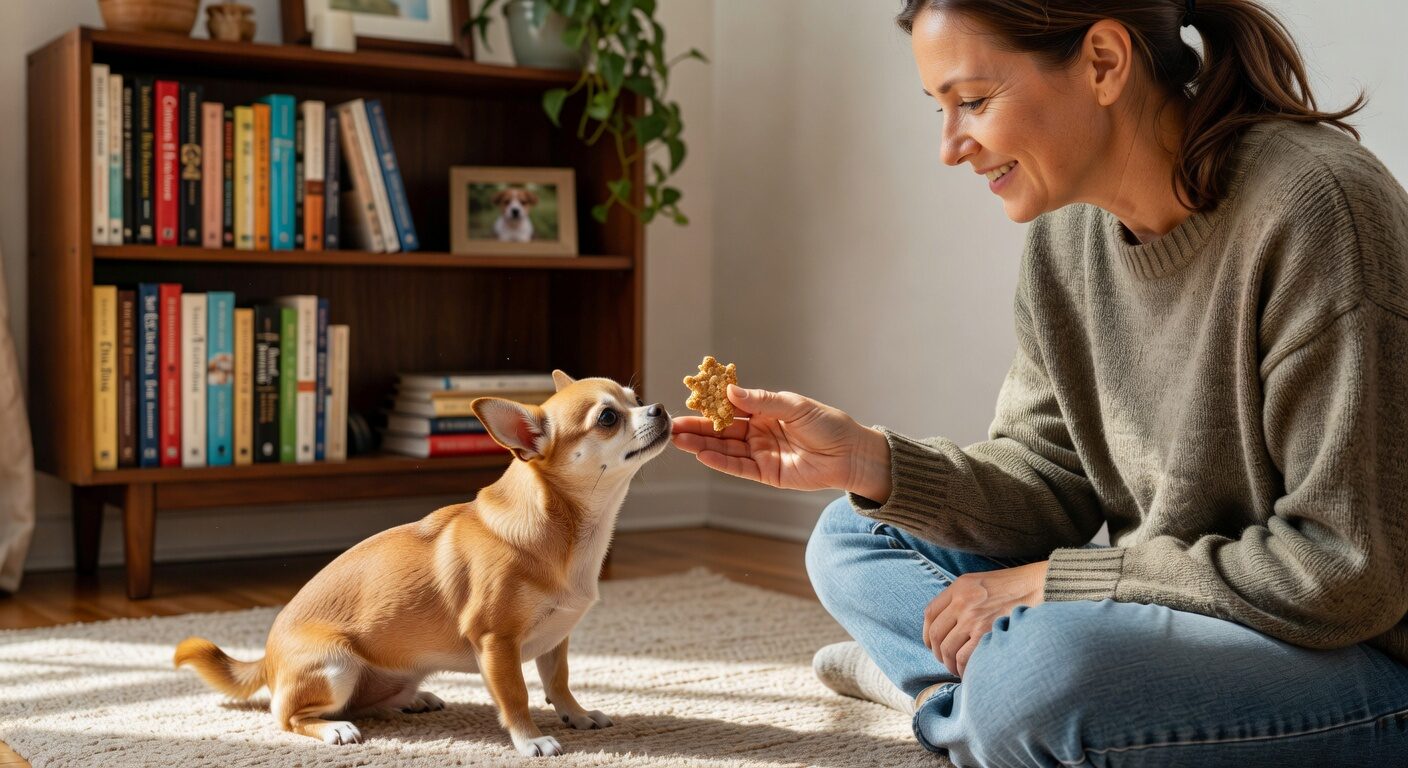
I hand fed Nacho his meals for the first three weeks. Instead of putting his food in a bowl and walking away, I sat on the floor and let him eat from my hand, one piece of kibble at a time. This forced proximity in a positive context and taught him that my hands meant food, not threat. It was time consuming and my back was not happy about it, but the trust it built was worth every uncomfortable minute on the kitchen floor.
2. Respect Their Boundaries and Let Them Choose
This is the part most chihuahua owners struggle with because when you have a cute little dog, the temptation to pick them up, cuddle them, and carry them everywhere is overwhelming. But forcing physical contact on a chihuahua who has not invited it damages trust rather than building it. Nacho did not want to be held for the first month, and I respected that completely. I let him come to me on his own terms, and when he finally crawled into my lap one evening while I was reading, it meant more than any forced cuddle ever could.
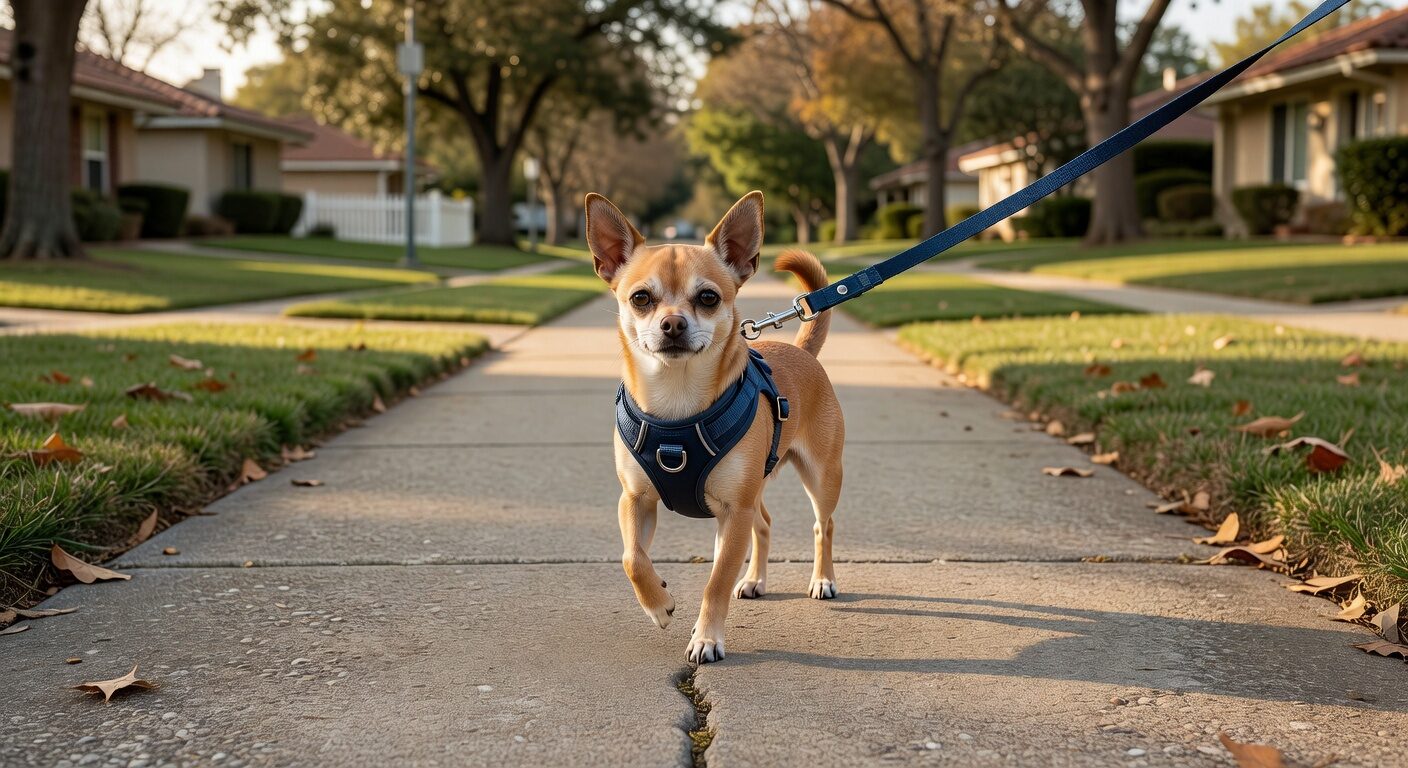
Chihuahuas communicate clearly about their boundaries if you learn to listen. They move away when they want space. They lean in when they want affection. They make eye contact when they want engagement and look away when they need a break. Respecting these signals teaches your chihuahua that you are safe because you listen to them, and a chihuahua who feels heard is a chihuahua who bonds deeply.
3. Share Experiences and Adventures Together
Once the foundation of routine and trust is established, the best way to deepen your bond with your chihuahua is to share experiences together. This does not mean extreme adventures. It means exposing your chihuahua to new environments, new activities, and new challenges while you serve as their safe base.
Nacho and I started with short car rides to new parks. Then we graduated to visiting pet friendly stores. Then we tried a dog friendly patio restaurant. Each new experience, navigated together successfully, strengthened our bond because Nacho learned that I would keep him safe in unfamiliar situations and that new experiences were interesting rather than threatening.
Training is another form of shared experience that builds connection. When I teach Nacho a new trick, we are working toward a goal together. He is engaged, focused, and problem solving, and I am guiding and rewarding him. The back and forth communication during a training session creates a sense of partnership that goes beyond the typical owner and pet dynamic. We are collaborating, and chihuahuas respond powerfully to the feeling of being a valued partner rather than a passive recipient of care.
Quality Time Matters More Than Quantity
You do not need to spend every waking moment focused on your chihuahua to build a strong bond. What matters is the quality of the time you spend together. Ten minutes of fully engaged play, training, or gentle grooming builds more connection than hours of being in the same room while you are distracted by your phone. Nacho knows the difference between me being physically present and me being genuinely present with him, and the bond strengthens most during those moments of real attention.
What Bonding Looks Like When It Works
A bonded chihuahua is a different creature than an unbonded one. Nacho follows me from room to room, not out of anxiety but out of genuine preference for my company. He makes eye contact and holds it, which is a sign of deep trust in dogs. He falls asleep in my arms with complete relaxation, no tension in his body, no one eye cracked open monitoring the room. When something startles him, he runs toward me rather than away from everything, because I am his safe place. com/the-amazing-history-of-the-chihuahua-dog/” title=”History Of The Chihuahua: The Amazing Dog”>.History Of The Chihuahua: The Amazing Dog.
That bond took time and intentionality to build, and it requires ongoing maintenance through continued routine, respect, and shared experiences. But the payoff is a relationship with a tiny dog who trusts you unconditionally, who lights up when you walk through the door, and who will curl up against your chest with a contentment so deep you can feel it radiating through their entire body. That is what bonding with a chihuahua looks like when you do it right, and it is worth every moment of patience it takes to get there. For more on understanding your chihuahua’,s needs, read about what every owner must know and how to keep them entertained.
The Trust Exercise That Changed Everything
About six months into our relationship, my chihuahua and I hit a plateau. She would come when called, sit on command, and tolerate being held, but there was a distance there that I could not close. She trusted me enough, but not completely. I could see it in the way she would flinch when I reached for her too quickly, or how she would tense up when strangers were around even though I was right there.
A trainer suggested something I thought was ridiculous at the time. She told me to sit on the floor at my chihuahua level every day for fifteen minutes and just be there. No commands. No treats. No trying to pet her or pick her up. Just exist in her space and let her come to me on her own terms. I felt silly the first few days, just sitting on the kitchen floor scrolling my phone while she watched me from across the room. But by day four she was sitting next to me. By day eight she was in my lap. That simple act of removing all pressure and all expectations broke through something that months of training had not touched. Sometimes bonding is not about doing more. It is about doing less.
The bond between a chihuahua and their person is unlike anything I have experienced with other breeds. My previous dogs loved me. My chihuahua is obsessed with me in a way that is both flattering and slightly overwhelming. She follows me from room to room. She watches me eat with an intensity that suggests she is memorizing my chewing pattern. She positions herself on whatever piece of furniture gives her the best sightline to wherever I am. This level of devotion means the bond, once formed, is incredibly deep. But it also means that any fracture in that bond is felt intensely. A harsh word that a Labrador would shake off in ten minutes will send my chihuahua into a sulk that lasts half the day. The bond is the reward. Protecting it is the ongoing work. And honestly, the effort you put into building trust with a chihuahua pays dividends for the rest of their life.
Most chihuahuas take between two weeks and three months to fully bond with a new owner. Older rescue chihuahuas may take longer because they carry habits from previous homes. Consistency with feeding, walks, and quiet time together speeds up the process. Our chihuahua Nacho took almost two months before he relaxed around me.
Chihuahuas are naturally one-person dogs. They tend to pick the family member who feeds them, walks them, and spends the most quiet time with them. This is a breed trait going back centuries. You can encourage wider bonding by having other family members handle feeding and play sessions.
A bonded chihuahua will follow you from room to room, sleep touching you, bring you toys, and show a relaxed body posture when you are near. They will also check on you periodically and may whine briefly when you leave. The tail wag when you come home is different from the polite wag they give strangers.
Yes, but it takes patience. Rebuilding trust with a chihuahua means going back to basics. Sit on the floor at their level. Hand feed meals. Avoid loud voices and sudden movements. Most chihuahuas will come around within a few weeks if you are consistent. The bond often comes back stronger.
Puppies bond quickly because everything is new and you are their whole world. Adult chihuahuas bond more deliberately and their attachment tends to be deeper once formed. Rescue chihuahuas over age three often form the most intense bonds because they seem to understand what they almost lost.
How long does it take to bond with a chihuahua?
Most chihuahuas take between two weeks and three months to fully bond with a new owner. Older rescue chihuahuas may take longer because they carry habits from previous homes. Consistency with feeding, walks, and quiet time together speeds up the process. Our chihuahua Nacho took almost two months before he relaxed around me.
Why does my chihuahua only bond with one person?
Chihuahuas are naturally one-person dogs. They tend to pick the family member who feeds them, walks them, and spends the most quiet time with them. This is a breed trait going back centuries. You can encourage wider bonding by having other family members handle feeding and play sessions.
What are signs that your chihuahua has bonded with you?
A bonded chihuahua will follow you from room to room, sleep touching you, bring you toys, and show a relaxed body posture when you are near. They will also check on you periodically and may whine briefly when you leave. The tail wag when you come home is different from the polite wag they give strangers.
Can you rebond with a chihuahua after breaking trust?
Yes, but it takes patience. Rebuilding trust with a chihuahua means going back to basics. Sit on the floor at their level. Hand feed meals. Avoid loud voices and sudden movements. Most chihuahuas will come around within a few weeks if you are consistent. The bond often comes back stronger.
Do chihuahuas bond better as puppies or adults?
Puppies bond quickly because everything is new and you are their whole world. Adult chihuahuas bond more deliberately and their attachment tends to be deeper once formed. Rescue chihuahuas over age three often form the most intense bonds because they seem to understand what they almost lost.