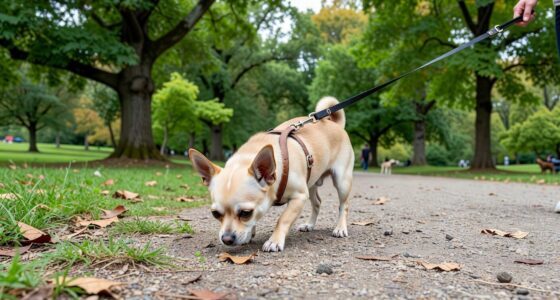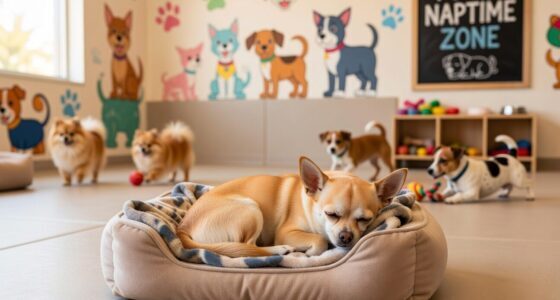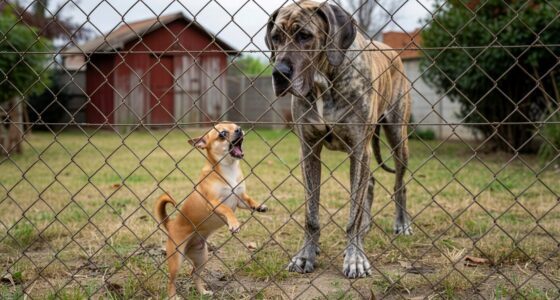

When I got my second chihuahua, a rescue named Penny, I thought the biggest challenge would be housebreaking and basic training. My first chihuahua, Max, was two years old, well-trained, and solidly bonded with me. I figured he would help show Penny the ropes and they would become best friends. What actually happened was a three-month power struggle that taught me more about dog social dynamics than I ever expected to learn, and the main lesson was that I needed to stop trying to control something that was never mine to control. This alpha chihuahua two dogs guide covers everything you need to know.
The problems started within the first week. Max growled when Penny approached his food bowl. Penny tried to claim the dog bed that Max had been sleeping in for two years. They competed for the spot closest to me on the couch. And when they played, the playing would escalate into something more intense, with barking, pinning, and what I can only describe as competitive mounting that made me deeply uncomfortable as a spectator.
Alpha Chihuahua Two Dogs: The Mistake I Made: Trying to Pick the Alpha
I read somewhere that you should identify which dog is the alpha and reinforce their position by feeding them first, greeting them first, and giving them priority in all interactions. Max was here first, so I decided he was the alpha. I fed him first, gave him treats first, and scolded Penny when she challenged him. The logic seemed sound. It was wrong.
As noted by iHeartDogs Chihuahua Temperament Guide, this matters more than most owners realize.
What I did not understand is that you cannot choose which of your dogs is the alpha. Their social hierarchy is determined by their individual temperaments, and it is something they work out between themselves. You can be the leader of both dogs, absolutely, and you should be. But you cannot dictate how they rank relative to each other, any more than you could dictate which of your children will be the most assertive.
In my case, Penny was actually the more dominant dog despite being younger and smaller. She had a stronger personality, more drive, and more willingness to push boundaries. By reinforcing Max as the alpha, I was going against the natural dynamic, and it was confusing both dogs and escalating the conflict instead of resolving it.
What I Should Have Done Instead
The breakthrough came when I talked to a trainer who specializes in multi-dog households. She explained something that seems obvious in retrospect but that I had completely missed. My job was not to manage the relationship between Max and Penny. My job was to be clearly dominant over both of them and to set behavioral boundaries that both dogs had to respect regardless of their ranking.
The Honest Truth
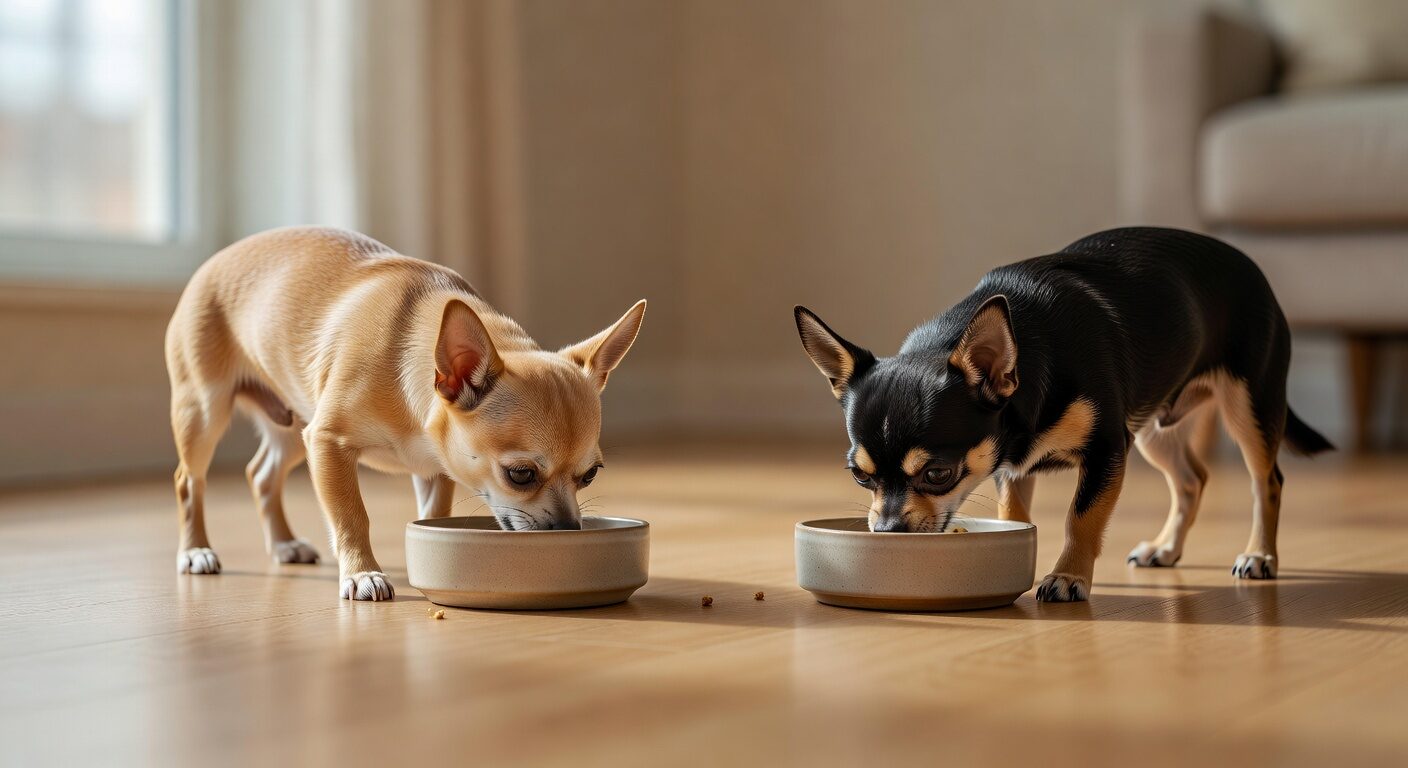
This meant that neither dog was allowed to fight in the house, period. Neither dog was allowed to resource guard food, toys, or me. Neither dog was allowed to bully the other. But within those rules, the dogs were free to work out their own social order. If Penny naturally took the lead during play, that was fine. If Max deferred to Penny at the water bowl, that was their business. As long as there was no aggression, no one was getting hurt, and both dogs seemed healthy and reasonably happy, the specifics of their dynamic were not my problem to solve.
The Analogy That Made It Click
The trainer used an analogy that I have never forgotten. She said imagine you have four kids with very different personalities. You can be the authority figure over all of them. You can set the rules, enforce boundaries, and maintain order. But you cannot decide that your quietest child is going to be the leader of the group when you leave the room. The kids are going to sort that out based on their own temperaments, and if you try to force a hierarchy that does not match reality, you create confusion and resentment.
Managing the Transition Period
The first few months with two chihuahuas require extra vigilance, separate resources, and a willingness to intervene when things get too intense. Here is what worked for our household.
Separate food bowls in separate locations, fed at the same time. This eliminated food-related conflict because neither dog had to worry about the other one stealing their meal. Separate beds in the same room, so each dog had their own space but neither felt isolated. Plenty of individual attention, because one of the biggest sources of conflict in multi-dog households is competition for the owner’s time.
I supervised all interactions for the first month and kept them separated when I was not home. This was not because I expected a fight but because two dogs who are still figuring out their relationship should not be left alone to work it out without a referee. Chihuahuas are small, but they can hurt each other, and what starts as play can escalate if there is no one there to interrupt it.
Where We Are Now
Max and Penny have been together for two years and they have settled into a dynamic that works for both of them. Penny is the more assertive dog. She leads on walks, she gets to the toys first, and she generally sets the tone for playtime. Max is more laid-back, which it turns out was his natural temperament all along. He is happier being the easygoing one, and the tension that existed when I was trying to force him into a dominant role has completely disappeared.
You May Also Like
The team at Wag: How to Train Your Chihuahua to Be Calm offers helpful insight on this topic. If you are curious about related topics, check out Why Your Chihuahua Keeps Digging and.
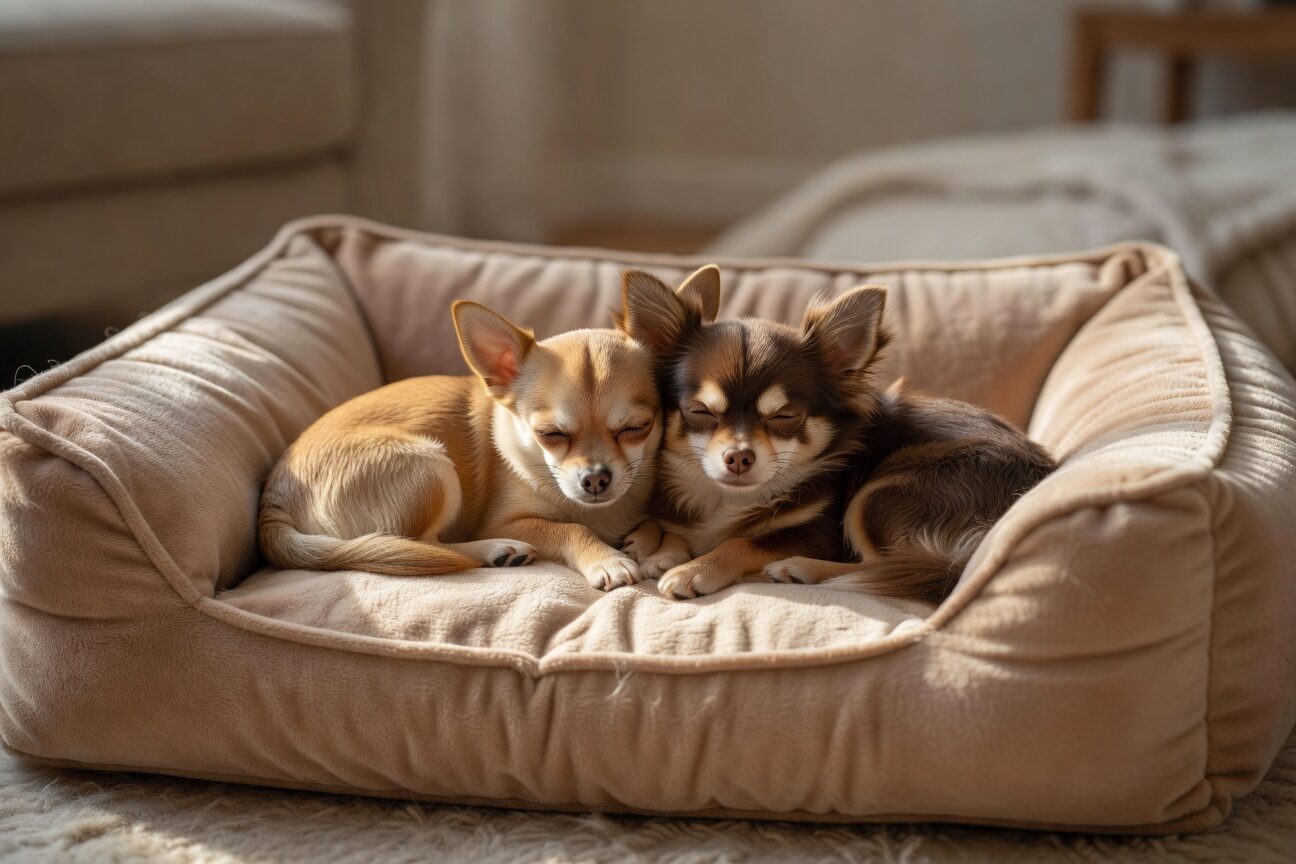
They play together every day, they sleep near each other by choice, and they have developed a communication style between them that is genuinely interesting to watch. They are not the same dog and they do not relate to me in the same way, but they are companions who have found their balance. All I had to do was stop trying to dictate it and start trusting them to be dogs. For more on multi-dog households and chihuahua dynamics, read about how chihuahuas get along with other pets and learn signs of chihuahua nervousness and aggression.
What Actually Happens Between Two Chihuahuas
The concept of an alpha dog has been largely debunked by modern animal behaviorists, but when you live with two chihuahuas, you understand why the myth persists. There is a dynamic between them that looks a lot like a hierarchy, even if the science says it is more nuanced than a simple dominance ranking. My two chihuahuas negotiate constantly. Who gets the preferred sleeping spot, who eats first, who greets me at the door, these are all micro-interactions that they resolve between themselves dozens of times a day through body language, vocalizations, and the occasional dramatic confrontation that looks serious but resolves in seconds.
What I have learned from living with two chihuahuas is that the “leadership” shifts depending on context. My older chihuahua controls access to the couch and decides when playtime is over. My younger one controls the toys and decides who gets to lie closest to me at night. Neither one is the alpha in all situations because that is not how real dog social structures work. They have a relationship that is dynamic and negotiated, not fixed and hierarchical. Trying to pick one as the leader and reinforce that artificially, which is what I initially attempted, created more conflict rather than less because I was disrupting a balance they had already worked out on their own.
For more detailed guidance on this topic, the American Kennel Club offers excellent resources backed by veterinary professionals.
Managing Two Chihuahuas Without Losing Your Mind
The practical reality of living with two chihuahuas is that you need systems, because without them, every interaction becomes a potential conflict that you have to mediate. Feeding is the most important one to get right. I feed my chihuahuas in separate areas of the kitchen, facing away from each other, and I put both bowls down simultaneously. This prevents resource guarding at mealtime, which was a significant problem before I implemented this system. If one finishes first, she waits until the other is done before either one leaves the feeding area. That rule took about two weeks of consistent enforcement to establish, but now it runs on autopilot.
The other system that saved my sanity is dedicated one-on-one time with each dog. Chihuahuas bond intensely with their primary person, and when they have to share that person with another chihuahua, jealousy can become a real issue. I take each dog on a separate short walk every day, and I have a few minutes of individual lap time with each one during the evening. It sounds like a lot of effort, and it is, but the reduction in jealousy-driven barking, resource guarding, and attention-seeking behavior has been worth every minute. Two chihuahuas are not twice the work of one. They are about three times the work, but they are also exponentially more entertaining and rewarding.
Frequently Asked Questions
What should I know about what I Should Have Done Instead?
The breakthrough came when I talked to a trainer who specializes in multi-dog households. She explained something that seems obvious in retrospect but that I had completely missed. My job was not to manage the relationship between Max and Penny.
What is the analogy That Made It Click?
The trainer used an analogy that I have never forgotten. She said imagine you have four kids with very different personalities. You can be the authority figure over all of them.
How does managing the Transition Period help?
The first few months with two chihuahuas require extra vigilance, separate resources, and a willingness to intervene when things get too intense. Here is what worked for our household. Separate food bowls in separate locations, fed at the same time.
What should I know about where We Are Now?
Max and Penny have been together for two years and they have settled into a dynamic that works for both of them. Penny is the more assertive dog. She leads on walks, she gets to the toys first, and she generally sets the tone for playtime.
What is the most important thing to know about i Tried to Choose the Alpha Between My Two Chihuahuas and Made Everything Worse?
My first chihuahua, Max, was two years old, well-trained, and solidly bonded with me. I figured he would help show Penny the ropes and they would become best friends.