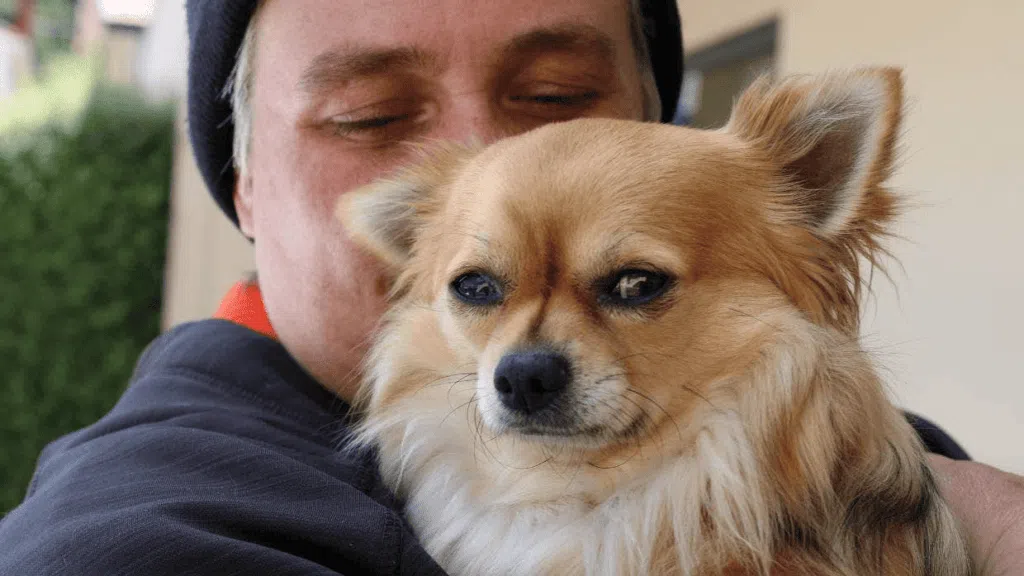


On a Tuesday in late February, three years ago, in a one-bedroom apartment in west Los Angeles, my first chihuahua, Beans, lay down on the rug between the couch and the heater and did not get up again. He was seventeen. He had been with me since I was twenty-six. The silence in the apartment for the next two weeks was the kind of silence that has a shape to it, the shape of a four-pound dog. I sat on the couch one afternoon and I looked at the leash by the door and I thought, you cannot leave that there forever, but you cannot put it away yet either.
Tag @ChihuahuaCorner or use #TinyButLegendary if you want us to consider your story for an upcoming piece.
favoriteThis piece is about three things. They are practical things; they are not a substitute for grief; they helped me, and they have helped a number of chihuahua owners I have spoken to in the years since. The chihuahua hero stories I wrote for this magazine before I lost Beans were about other people's dogs. This one is about mine, and the small things I did with what was left.
1. Build a Memorial That Captures the Specific Dog
A memorial works because it gives the grief a place to live. It does not have to be elaborate or expensive; it has to be specific. Beans had a faded blue collar with the tag I bought him in 2009; I keep it in a small wooden box on a shelf in my living room with a clay paw print the veterinary technician made for me on the day he died, and a photograph from the day I brought him home. Three objects. Twelve inches of shelf. The AKC pet-loss resource page has a longer list of options if you want to go further.
Other owners I have spoken to have planted a flowering shrub, commissioned a watercolor portrait, framed a single photograph, or kept a small worn rope toy on a windowsill. One woman in Pasadena had her chihuahua's collar woven into a small bracelet; she has worn it every day for two years. The point is not the object. The point is that the object is specific to that dog, and you walk past it every day, and the grief begins to live alongside you instead of inside you.
2. Donate to the Network That Got You Here
The chihuahua-rescue network in this country is large and persistently underfunded; the ASPCA puppy-mill page explains the structural reasons why so many small dogs end up in transport pipelines from southern shelters to northeastern adopters. After Beans died I made a one-time donation to the Louisiana shelter that originally pulled him from a hoarding case in 2009; I have made an annual donation since. It is not a large sum. It is a sum I attach to him.
If a memorial gift to a rescue is not the right move for you, foster instead. The transport network needs short-term fosters far more than it needs new adopters; the average foster duration in the small-breed pipeline is two to four weeks. You will not be replacing the dog you lost. You will be providing the bridge another dog walks across.
The companion piece on the twelve-days-in-a-storm-drain rescue covers what the rescue network looks like at the operational level; the survival end is the visible end, but the unglamorous end is the part that needs the funding.
3. Write the Story Down
This is the part I almost did not do. The night Beans died I sat at the kitchen table with a notebook and wrote three pages about the day I picked him up at the shelter; I wrote two pages about the time he barked at a coyote in the alley; I wrote a paragraph about how he slept on his back, which a small dog only does in places it has decided are safe. I did not write any of this for publication; I wrote it because the specific facts of one dog are the first thing the grief erases, and once you have lost the small details, you cannot reconstruct them.
You do not have to be a writer. The format is not the point. The notebook does not have to be elaborate, and most of what you write will not be eloquent. The act is the point. The American Veterinary Medical Association's pet-loss resources include several writing prompts if you do not know where to start. Some owners go further and produce a small printed photo book; an Instagram archive becomes a private folder with a full caption on each shot.
When I look at the notebook now, three years on, the part that surprises me is how much I had already started to forget six months in. Beans's specific bark; the way he stood on the back of the couch to look out the window; his morning routine of stepping carefully over the laundry I had not folded. The notebook holds those for me.
A small final image
A neighbor of mine in the apartment building lost her chihuahua, Marigold, six weeks after Beans died. She came over with a small framed photograph, sat on my couch, and said, "I do not know how you do this." I did not have a good answer that night. I have a better one now. The chihuahua you lost was, for as long as you had her, a small, deliberate, opinionated piece of your daily life. The work after she is gone is to keep some part of that. A shelf. A donation to the rescue that found her. A notebook. The rest of the chihuahua hero stories on this site are about other people's dogs. This one is about yours.
For more chihuahua reportage from the field, browse the Stories desk or subscribe for the next dispatch.
Community Insights favorite
We asked our readers: Has your Chihuahua done something bold? Here's what you shared.
“My chihuahua chased a raccoon out of our garage. We are still not sure who was more surprised.”
“Tiny but mighty. These dogs have no idea how small they are.”
“Not just a story. The chihuahua spirit, in three pounds.”
Tag @ChihuahuaCorner or use #TinyButLegendary if you want us to consider your chihuahua story for an upcoming piece.
Know a Chihuahua with a legendary story? If you have a chihuahua story we should look into, tell us where it happened.
favorite