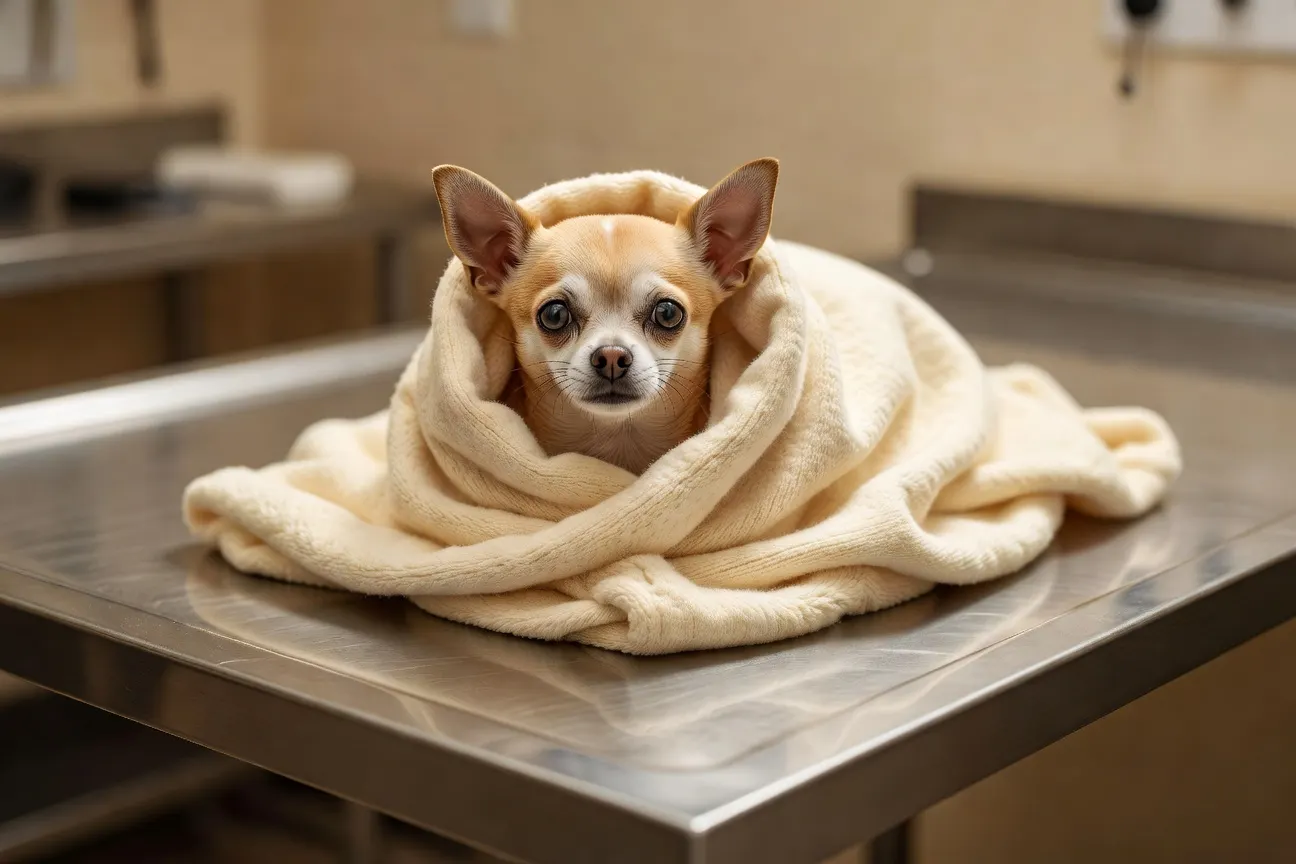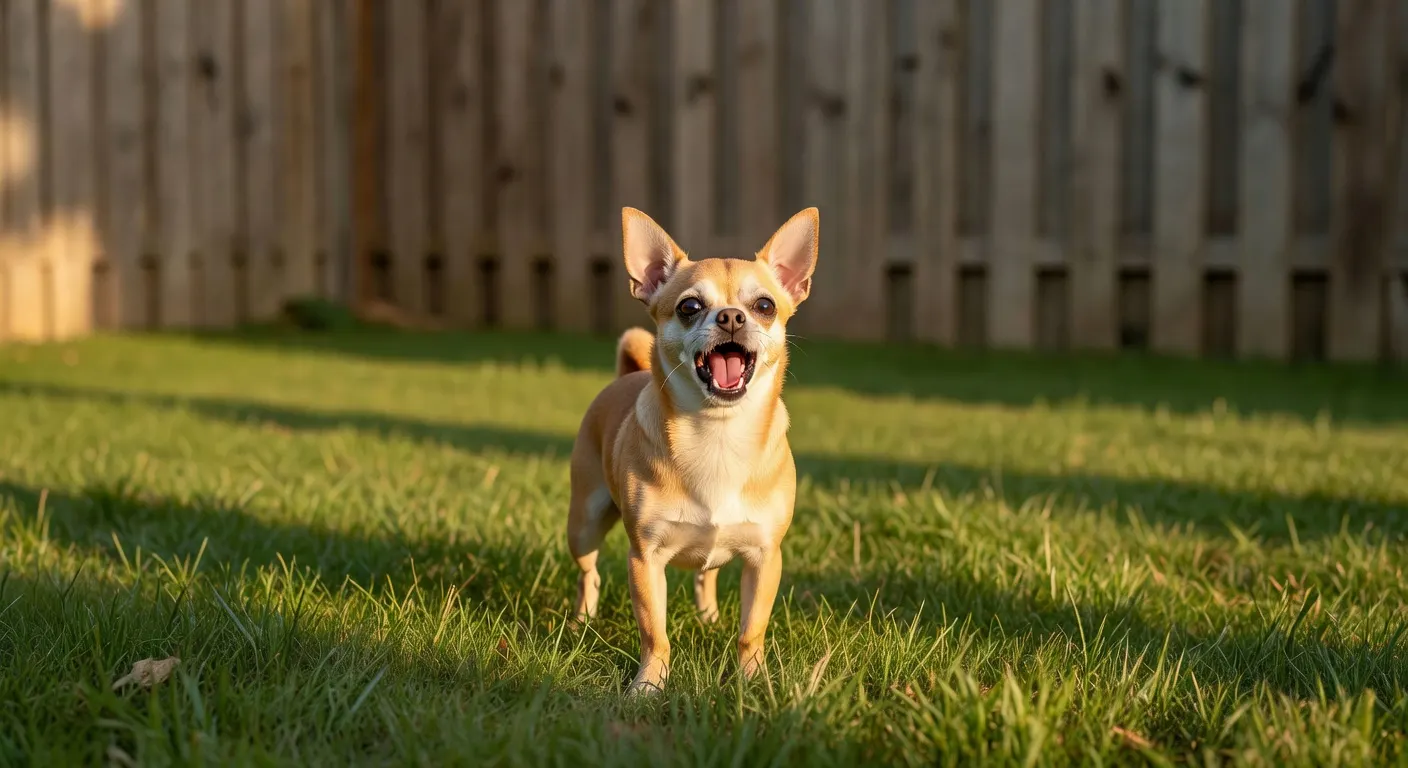

Eighteen months. Maria had stopped expecting it, by her own account, somewhere around month nine. The flyers she had distributed in the first six weeks had weathered off the telephone poles; the lost-pet group on Nextdoor had moved on to other people's missing dogs; the police report had been filed and acknowledged and gone unactioned because, in most cities, a stolen toy-breed dog is filed under property loss and worked with the urgency that designation suggests. Peanut, a seven-year-old smooth-coat chihuahua with a brown-and-white coat and one ear that pointed up while the other flopped down, had been pulled over the back fence of Maria's yard in Riverside on a Tuesday afternoon in June 2024. The clip was on the security camera. The whole thing took eleven seconds.
Share your story with us! Tag @ChihuahuaCorner or use #TinyButLegendary
favoriteThis is what a chihuahua reunited with owner story looks like at the longer end.
The First Six Weeks, Compressed
Maria filed a report with Riverside Police on the day of the theft and with Riverside Animal Services the next morning. She contacted seventeen shelters within fifty miles, walked the neighborhood with a friend three times, and ran the security-camera clip through three different lost-pet groups; none of the leads moved the case forward. The closest she came was a sighting at a flea market in Moreno Valley three weeks in, which dissolved on closer inspection: similar dog, different ear set.
article_in_feed
A handpicked find for your tiny companion.
American Humane's pet-statistics fact sheet estimates that ten million dogs and cats are lost or stolen in the United States annually; the recovery rate, when no microchip is registered, hovers around sixteen percent. Peanut had been microchipped, but the chip had been registered to a previous address Maria had not updated when she moved in 2023.
What Maria Did Differently
Maria did not stop. The behavioral economics of long-arc lost-pet searches, summarized in the 2018 study by Lord and colleagues in Veterinary Record, suggest that recovery rates fall steeply at the four-week mark and continue to fall through year one. Maria recalibrated. She moved from active search (flyers, social posts, walking the neighborhood) to passive sweep (microchip update, monthly check-ins with the surrounding shelters, a saved alert on every regional lost-pet database). The check-in calls took an hour a month. She made them for eighteen months.
The dog turned up at month seventeen. A veterinary clinic in Bakersfield, two hundred and fifty miles north of the original theft, scanned a chihuahua brought in for a respiratory complaint and got a hit on the microchip number. The chip pointed to Maria's old address, but the registration database had a forwarding email; the clinic staff sent the email; Maria responded within two hours.
The Reunion
The Bakersfield clinic kept Peanut for forty-eight hours while Maria drove up. The intermediary, who had brought the dog in, claimed in good faith to have purchased the dog for two hundred dollars from a neighbor who had moved out of state. The intermediary was, by every account, surprised; the dog had had a registered owner she could be returned to; the local police closed the file with no charges.
The dog walked into Maria's arms in the clinic lobby and, by Maria's account, did not move from her shoulder for forty-five minutes. The companion piece on the Princesa-and-Roberto reunion covers a sixteen-day version of the same arc; the present case is the long-form version. The 2009 attachment-stability research by Topál and colleagues in Applied Animal Behaviour Science documented that the canine bond, once formed, is resilient across separations of months. Eighteen months is, in the case data, on the longer end of survivable; in Peanut's case, the bond returned without measurable disruption.
Where Peanut Is Now
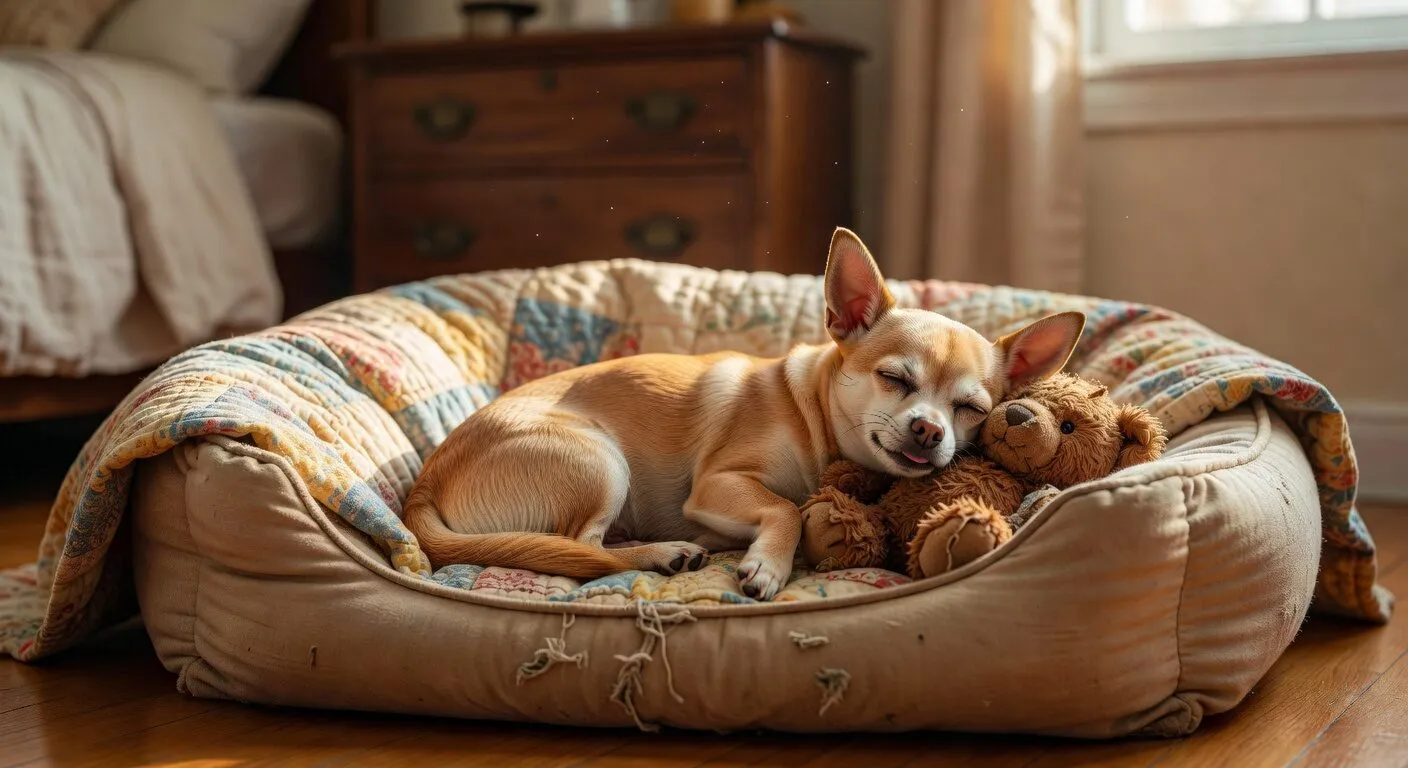
Peanut is back at Maria's house in Riverside. The microchip registration has been updated to the current address, and to Maria's current and her sister's phone numbers as a redundancy. The back fence has been reinforced to nine feet on the alley side. The dog, by Maria's account, sleeps in her bed, in the same spot she slept before the theft. The ear that pointed up still points up; the ear that flopped down still flops down.
For more reportage from the field, browse the Stories desk or subscribe for the next dispatch.
Community Insights favorite
We asked our readers: Has your Chihuahua done something bold? Here's what you shared.
“My Chi chased a raccoon out of our garage!”
“Tiny but mighty! These dogs have no idea how small they are.”
“It’s not just a story — it’s the Chihuahua spirit.”
Share your story with us! Tag @ChihuahuaCorner or use #TinyButLegendary
Know a Chihuahua with a legendary story? We’d love to feature them — submit your story.
favorite