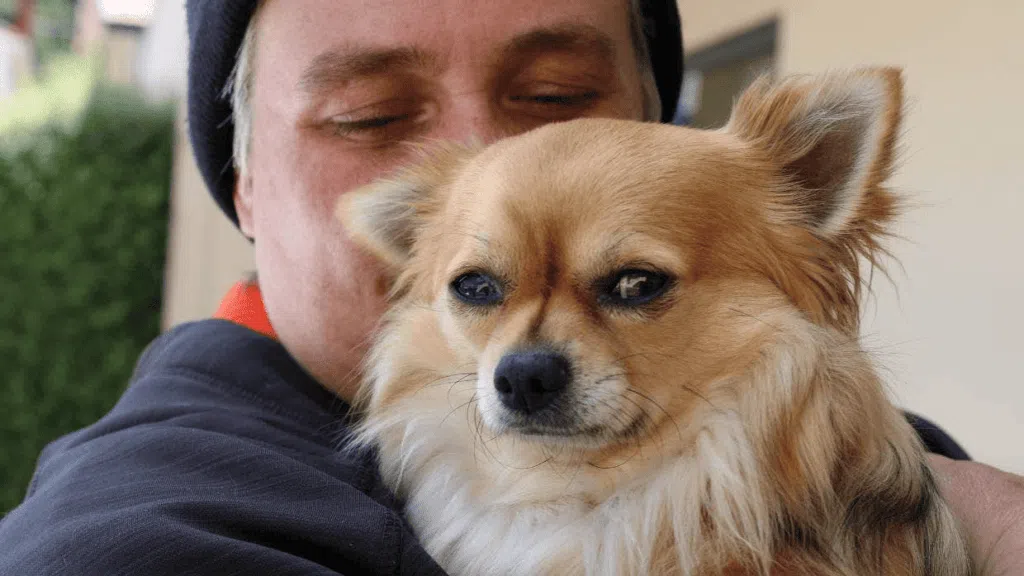


The chihuahua puppy was three months old, weighed less than three pounds, and had been in Norwegian government custody for several weeks when the euthanasia order came through. She had arrived in Oslo from Sofia, Bulgaria, in the fall of 2018, on a false European Union pet passport that did not match her microchip. The Norwegian Food Safety Authority caught the discrepancy on intake. Under the EU's Regulation 576/2013 on the non-commercial movement of pet animals, the standard remedy is repatriation; if repatriation is refused by the country of origin, the alternative is euthanasia. Bulgaria, at the time, had refused.
Tag @ChihuahuaCorner or use #TinyButLegendary if you want us to consider your story for an upcoming piece.
favoriteI have covered enough of the European pet-transport pipeline to know that this kind of case is uncommon but not rare. Most of the small dogs moving north on the Bulgaria-to-Norway route arrive on legitimate paperwork; the system mostly works. Most of the time, the chihuahua at the end of a transport ends up in a quiet town outside Oslo or Bergen and the story does not make the news. And then, once every few years, the story does.
The papers
An EU pet passport is, on its face, a small blue document. It records the dog's identity, the microchip number, the rabies vaccination history, and the issuing veterinarian. The passport for this puppy listed an older dog, a different microchip, and a vaccination record that no three-month-old could plausibly have completed. The mismatch was caught at the destination, not at the origin; that is the typical pattern in these cases.
Most paperwork errors on the transport route are administrative, according to coordinators I have spoken with on both sides of the pipeline. A small number are intentional. The EU's rabies-control framework is built on the assumption that the paperwork is accurate, which is why the regulatory response is severe when it turns out not to be.
The order
By the time the case became public, the puppy had been in Norwegian custody for several weeks. The repatriation request to Sofia had been declined. The Norwegian buyer was not in a legal position to keep the dog. The Norwegian Food Safety Authority, the agency that oversees animal-import enforcement, scheduled the euthanasia for the following week.
The petition started on social media. Norwegian animal-welfare groups picked it up first, then Bulgarian outlets, and within about forty-eight hours the story was on the international wire. Most petitions of this kind, in my reporting experience, stop here. This one did not.
The intervention
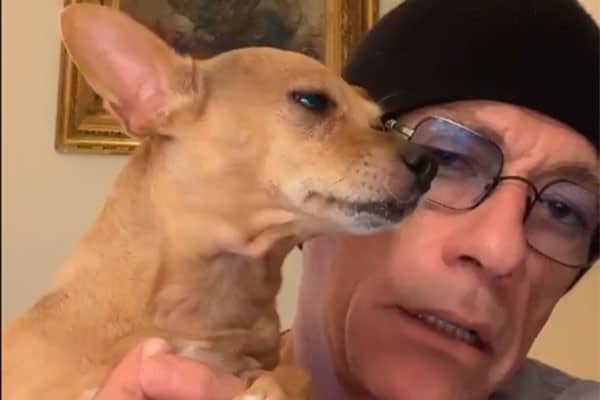
Jean-Claude Van Damme, the Belgian-born actor, has a long working relationship with Bulgaria; he has filmed multiple productions there, has spoken publicly about his ties to Sofia, and has a personal history of dog ownership (his Yorkshire terrier, Po, traveled with him on most international shoots). When the petition crossed his social feed, he posted a video. He addressed the Bulgarian government directly, he named the puppy, and he made a specific offer.
"They didn't do the papers right, but they can't kill that chihuahua. I will pay the fees due, no problem," Van Damme said in the video, according to translations of the original coverage in Bulgarian outlets.
The video crossed several million views inside seventy-two hours. Bulgarian government officials, including the food-safety agency responsible for animal-import paperwork, opened public discussions with their Norwegian counterparts. Two days later, the position reversed.

The reversal
Bulgaria's food-safety agency agreed to accept the puppy back, on the condition that she be placed directly into a Bulgarian shelter for adoption rather than returned to the original transporter. The Norwegian authorities cancelled the euthanasia. The transfer was arranged within a week. Van Damme, on his social channels, confirmed the resolution and thanked both governments by name.
I want to be plain about what this case is, and what it is not. It is not, on close examination, the story of a celebrity rescuing a dog. The celebrity intervention raised the profile of the case to a point where the two governments could not let it end the standard way. The actual rescue was done by Norwegian customs officers who documented the file, by Bulgarian shelter staff who agreed to receive the dog, and by the transport volunteers who handled her return. The puppy got a second chance because a working system, briefly, had every camera in Europe pointed at it.
What happened next
The puppy was placed in a Bulgarian shelter network with the explicit goal of adoption inside the country. Local coverage at the time confirmed the placement; the long-term records, which are a private matter for the adoptive family, are not public. Van Damme's coverage of the case quieted about a month after the resolution, which is the usual rhythm of celebrity advocacy.
The EU pet-transport rules have not changed. The Norwegian Food Safety Authority continues to enforce them. The pipeline between Eastern Europe and Northern Europe continues to move thousands of small dogs each year, and the small percentage that arrive on falsified paperwork continue to face the same regulatory question. The Van Damme case is the exception that did not, in any policy sense, become the rule.
Goodness, do I miss the part where I get to write that the system worked on its own. An earlier rescue piece on a much smaller scale covers a chihuahua who solved her own case. This one needed the cameras.
Community Insights favorite
We asked our readers: Has your Chihuahua done something bold? Here's what you shared.
“My chihuahua chased a raccoon out of our garage. We are still not sure who was more surprised.”
“Tiny but mighty. These dogs have no idea how small they are.”
“Not just a story. The chihuahua spirit, in three pounds.”
Tag @ChihuahuaCorner or use #TinyButLegendary if you want us to consider your chihuahua story for an upcoming piece.
Know a Chihuahua with a legendary story? If you have a chihuahua story we should look into, tell us where it happened.
favorite