

My chihuahua, Doris, has, for the better part of nine years, owned a single small plush hedgehog. The hedgehog has one functional eye (the other eye departed during a particularly enthusiastic 2018 session and was, after a brief funeral, retired to a drawer). The squeaker stopped working in 2021. The hedgehog is, on any objective measure, in declining condition. He is, however, still the hedgehog, and Doris has, in nine years and approximately forty other toys passing through the household, never elevated a replacement to comparable structural status.
Tag @ChihuahuaCorner and use #ChiDrama. Your chihuahua might show up in a future column. Ours is busy guarding a sock.
favoriteI have noticed, in conversations with other chihuahua owners over the years, that this is not a Doris-specific phenomenon. Almost every multi-year chihuahua household has, at any given time, exactly one signature toy. The signature toy is not chosen by the human. The signature toy is chosen by the dog, by means we would prefer not to examine too closely, and the household subsequently reorganizes around it.
The emergence of the signature toy, briefly
The signature toy does not arrive announced. It arrives, in most households I have asked about, in the second six months of the dog's tenure with the household. The dog tries several toys and, at some specific point, locks in on one and stops being interested in the others. The locked-in toy then accumulates, over months and years, a kind of household-specific aura that newer, fresher, more expensive toys cannot displace.
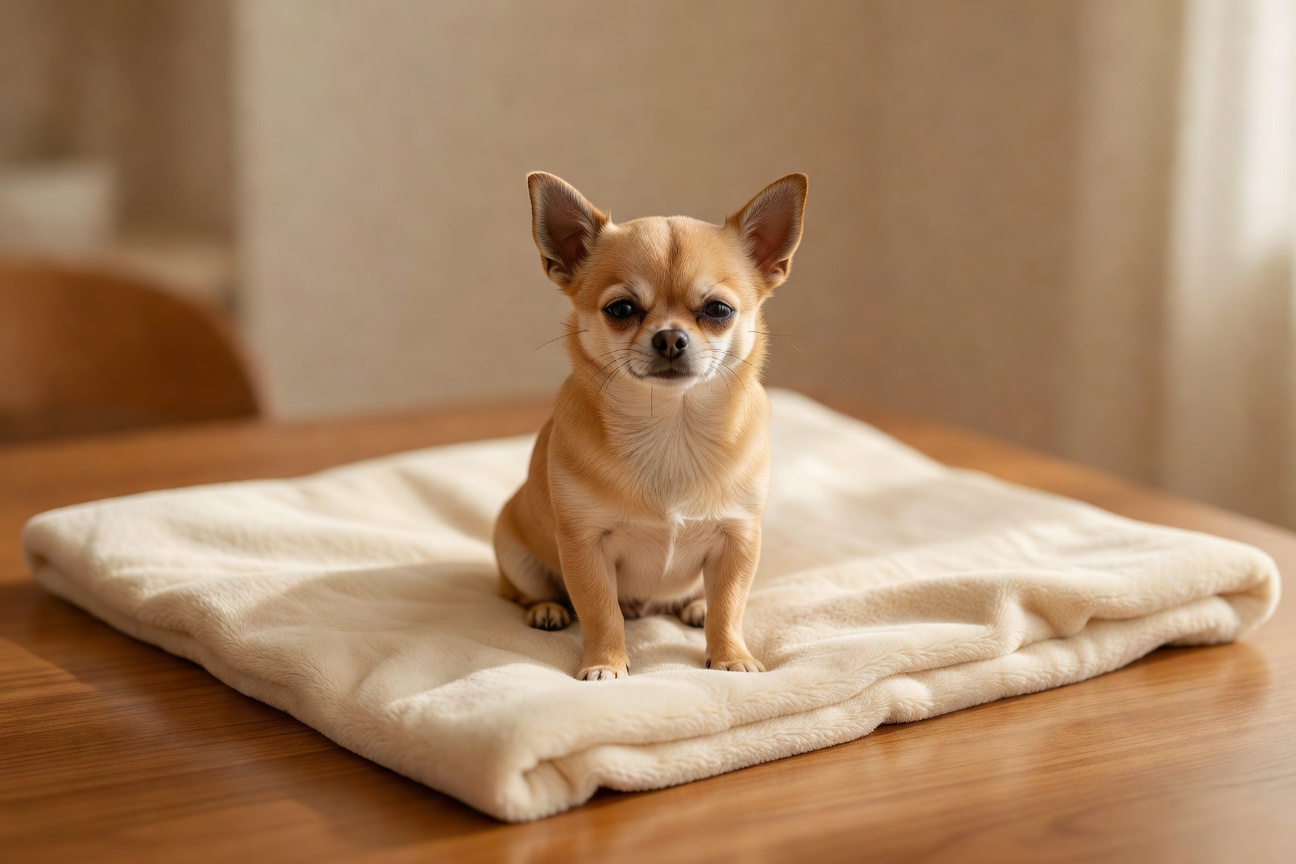
The hedgehog, in our household, locked in around month seven. I had, prior to month seven, bought Doris approximately twelve toys, of which she had been mildly interested in six. The hedgehog, by the time I noticed, had become her sleeping companion and her go-to bring-to-the-human object. By month nine, the other eleven toys were, in her view, optional inventory.
Why this happens, on the available behavioral evidence
I have asked people who study animal behavior. The general answer, summarized at Companion Animal Psychology and elsewhere, is that dogs are associative learners with finer-grained item identity than humans typically use. To Doris, the hedgehog is not "a hedgehog-shaped plush toy"; it is the specific item with the specific feel and smell and history that has, over time, accumulated a positive-association profile that no replacement can match. A new hedgehog is, on her account, a different item.
This is also why the second hedgehog I bought (an identical model, in 2020, when the original looked like it might be approaching retirement) was politely declined. Doris sniffed the new hedgehog, looked at me with the expression a dog uses for a substandard product, and returned to the original. The new hedgehog is, as of this writing, in the closet, unused, awaiting a possibly hypothetical second-life event that I have begun to suspect will never arrive.
The structural uses of the signature toy
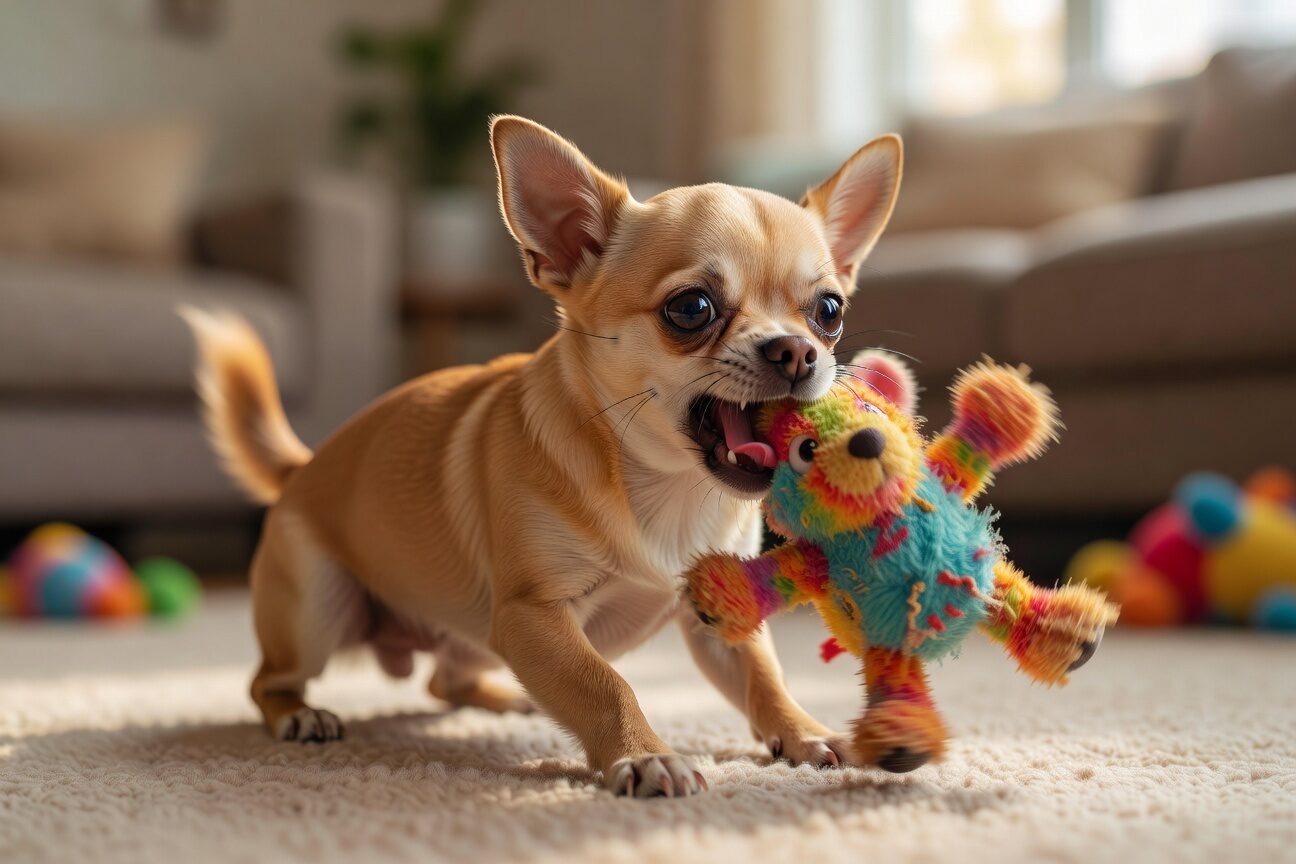
A signature toy, once established, performs several distinct household functions:
- The greeting object. The dog brings the toy to a returning household member as part of the welcome ceremony. Refusing the toy is, on the dog's accounting, a small social misstep.
- The negotiation object. When the dog wants attention, food, or a redirect, the signature toy may be deposited on the human's lap as a kind of opening gambit. It is not always clear what is being negotiated.
- The sleep companion. The signature toy goes into the bed at night and, in many households, must be present for the dog to settle.
- The anxiety regulator. During household stress events (vacuum cleaning, thunderstorms, the arrival of a stranger), the dog often retrieves the signature toy and holds it during the disturbance.
The fourth function is, in my view, the most interesting. The signature toy is not just a favorite. It is, on the dog's behavioral economics, an emotional regulation object. A separate piece on stress management covers the broader picture; the signature toy is part of the toolkit some dogs assemble for themselves.
The sincere paragraph, planted on schedule
I will plant the sincere paragraph here, because the column requires one and because the hedgehog has earned it. The thing about a signature toy, on later reflection, is that it is one of the few objects in a household that the dog has chosen rather than been given. The household provides bed, food, schedule, and routine; the dog accepts the household's structure and operates within it. The signature toy is, by contrast, a small piece of the household economy that the dog has selected and elevated by her own preference. Watching a chihuahua bring her hedgehog to a new visitor, or settle on a difficult night with the hedgehog tucked under her chin, is to watch a small specific act of the dog's own agency expressed in the household.
I do not think this is sentimental overreach. I think it is, on the available behavioral evidence, what the signature toy actually is.
When the signature toy fails, structurally
A few specific moments at which the signature toy can produce household stress:
- The toy goes missing. This is, in most multi-year chihuahua households, an unusually high-stakes situation. I have personally spent forty-five minutes searching for the hedgehog under furniture before locating it inside a couch cushion.
- The toy reaches a structural failure point. The eye, the squeaker, the seam. The household has to decide whether to repair, accept the deterioration, or attempt the always-risky replacement. The toy safety piece covers when a toy is too damaged to remain in rotation; the signature toy lives in a special category that is harder to retire.
- The travel question. The signature toy must accompany the dog on long trips. The hedgehog has been to four states. He has his own small dedicated space in the suitcase.
The end of the column, briefly
If you are a relatively new chihuahua owner and have not yet seen the signature toy emerge in your household, give it time. The toy will choose itself, by means I have been describing, somewhere in the second half of the first year. When it does, the household will, somewhat against its will, reorganize around the chosen item. This is, on the available evidence, normal and possibly even good for the dog.
Doris is, as I write this, on the couch with the hedgehog, who is on her chest, where he has been most evenings since 2017. The household has, at this point, accepted the structural fact. The hedgehog is the hedgehog. There is no replacement in the closet that she will accept, despite the closet's contents. The system, on the available evidence, runs.
The Chihuahua Drama Checklist pets
How many does your Chi check off today?
- Side-eyed at least one human
- Burrowed like a pro
- Scoffed at their dinner
- Acted offended
- Demanded to be carried
- Gave a dramatic sigh
- Barked at something invisible
- Danced for a treat
- Stole the warmest spot
- Looked adorable while doing it all
Got a dramatic Chi moment we missed? Share your story in the comments. Worst case, our editor laughs at it alone.
favorite

