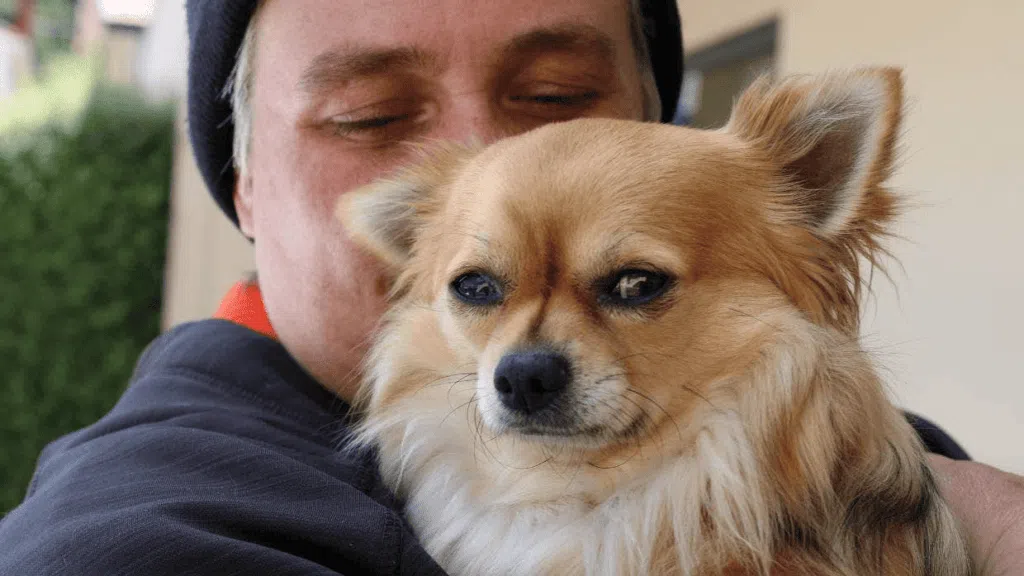


On a Wednesday in October 2025, in a small house in Albuquerque, my chihuahua Sophie lay on the folded green blanket in the spot of mid-morning sun she had been tracking through the kitchen for most of her eleven years. The veterinarian, Dr. Linda Park, who runs an in-home end-of-life practice for our region, was due at 11:00 a.m. She arrived, on schedule, at 10:57. I sat on the floor next to Sophie with a cup of tea I did not drink.
Tag @ChihuahuaCorner or use #TinyButLegendary if you want us to consider your story for an upcoming piece.
favoriteI want to write about this honestly, because the conversations I had to have over the months leading up to that Wednesday were the conversations every chihuahua owner eventually has, and they were measurably easier because I had started having them in advance rather than during a crisis. I am writing this with the full benefit of having been the household I am about to describe, and with the full benefit of the eleven years that preceded it.
The decision frame, made early
Sophie had been on a slow decline for about eight months by the time the appointment was scheduled. Mitral valve disease, well-managed with medication for three years, had begun to outpace the medication. Her appetite had narrowed to a small list of foods she would still eat. Her sleep had become fragmented. By August, my veterinarian and I had had the conversation that veterinarians and clients have when the goal of treatment shifts from extending life to ensuring comfort.
The conversation was, I will tell you honestly, hard. It was also, on retrospective examination, the single most useful conversation in the entire eleven-year arc of Sophie's care. We agreed, in August, on a few specific quality-of-life markers that would, when crossed, indicate that the time had come. Appetite, mobility, sleep quality, and engagement with the household were the four. We agreed on a rough threshold for each.
The quality-of-life framework, summarized at the International Association for Animal Hospice and Palliative Care, is a tool that I would, on the available evidence, recommend any chihuahua owner familiarize themselves with before the threshold is reached. The decision is easier when the threshold has been agreed in calm and applied during the moment of clarity.
The last six weeks, in concrete terms
Sophie's six weeks of decline before the appointment were, on a daily reading, a slow narrowing of what she would still do. Week six before the appointment: full meals, slow short walks, normal greeting at the door. Week four: reduced meals, no walks, brief greetings. Week two: a few bites of chicken, no walks, occasional brief alertness. Week one: small amounts of cheese, sleeping in the sun spot most of the day, brief recognition of household members.
I kept a small green notebook for the last six weeks, with a daily one-line entry. The entries are short and unsentimental. The notebook is, on retrospective reading, the most honest reading of the timeline I have. Memory in the moment of grief is unreliable; the notebook is reliable.

The in-home appointment, plainly
I made the call to Dr. Park on a Sunday evening, ten days before the appointment. We scheduled the appointment for the following Wednesday at 11:00 a.m., deliberately leaving the Monday and Tuesday in between for ordinary household time with Sophie. I did not, in those two days, do anything special. I sat in the sun spot with her. I read aloud, briefly, from a book she had been read to from for several years. I cooked her favorite small meals, of which she ate small bites. The two days were quiet.
The appointment itself, which happened on schedule, took about forty minutes. Dr. Park sat on the floor for several minutes before beginning. She walked me through what would happen, calmly and in plain language. The procedure has two stages: a sedative injection that produces deep sleep within ten minutes, after which the dog does not feel the second injection; and an intravenous medication that stops the heart, painlessly, within seconds.
Sophie was on the green blanket in the sun spot for both stages. I held her. She was gone by 11:34 a.m. The household was, in that moment, quieter than I have heard it in eleven years.
The after-care, briefly
Dr. Park handled the after-care with the calm of someone who has done this work for many years. She brought a small basket lined with a soft towel. She gave me a few minutes alone in the room. She took Sophie to a regional aquamation service her practice partners with; I received a small ceramic urn ten days later, with a paw print and the date.
The cost of the in-home appointment, the procedure, and the aftercare totaled approximately $625. This is in line with regional pricing for in-home end-of-life veterinary care. A separate piece on the honoring covers the broader question of what households do with the artifacts; the Penny piece covers a parallel in-home appointment in another household.
What I would tell other chihuahua owners, plainly
A few specific things, in honest order:
Have the conversation before you need to. The quality-of-life framework conversation with your veterinarian, while your dog is still healthy, is short, calm, and useful. Having it during a crisis is harder.
Find an in-home end-of-life practice in your region in advance. The IAAHPC directory is the standard reference. The model is, on every account I have, less stressful than a clinic visit on the day. Save the number in your phone before you need it.
Keep a notebook for the last weeks. The notebook helps with the decision; it also becomes, over time, a small artifact of the dog's last weeks that is more accurate than memory.
Tell the household. The household needs the opportunity to say goodbye. If there are children in the household, the age-appropriate version of the conversation is well-covered in pediatric grief literature. The dog's last days should not, in retrospect, have been a private matter for one household member.
Do not, on the available evidence, second-guess the timing. Most owners, in retrospective conversations with their veterinarians, report that they waited a little longer than they should have. The bias is toward staying too long, not leaving too early. Trust the framework you agreed to in advance.
A note on grief, briefly
The grief that follows the death of a chihuahua is, in my experience and in conversations with many owners, larger than the size of the dog suggests it should be. The eleven years of small consistent presence in the household, the hundreds of small daily routines, the specific spot of sun she occupied for most of her life: the loss is structural, not just emotional.
Pet loss support groups exist in most regions, and the Association for Pet Loss and Bereavement maintains a directory. Talking with people who understand the shape of the grief is, on every account I have, useful in the first weeks.
The quiet paragraph, planted on cue
I will plant the quiet paragraph here, because Sophie has earned it and because the column does not work without it. The thing about saying goodbye to a chihuahua you have lived with for eleven years is that the goodbye is not, mostly, the appointment. The goodbye is the slow, deliberate practice of paying attention to a small attentive animal across years, and the appointment is the short ending of a long noticing. Sophie, in her eleven years, occupied a specific spot of mid-morning sun in our kitchen. She ate her dinner at 6:00 p.m. She greeted me at the door for eleven years. The eleven years are the goodbye; the appointment is the small final entry in a notebook that had been running, unwritten, since 2014.
If you are reading this with a senior chihuahua near the end, the practical work is small. Talk to your veterinarian about palliative care before you need it. Find an in-home practice in your region. Keep the notebook. The notebook is, in the end, the practice; the appointment, when it comes, will be calmer than you fear; and the dog will be, on a folded green blanket in the sun spot, where she would have wanted to be.
Community Insights favorite
We asked our readers: Has your Chihuahua done something bold? Here's what you shared.
“My chihuahua chased a raccoon out of our garage. We are still not sure who was more surprised.”
“Tiny but mighty. These dogs have no idea how small they are.”
“Not just a story. The chihuahua spirit, in three pounds.”
Tag @ChihuahuaCorner or use #TinyButLegendary if you want us to consider your chihuahua story for an upcoming piece.
Know a Chihuahua with a legendary story? If you have a chihuahua story we should look into, tell us where it happened.
favorite