

The notable History of the Chihuahua Dog: From Ancient Mexico to Your Lap
The history of the chihuahua stretches back further than most people realize. It goes long before Instagram made them famous and long before anyone thought to put one in a designer handbag. I started digging into the breed’s past after someone at a dog park casually mentioned that chihuahuas might descend from ancient Aztec dogs. What I found was a story that spans centuries, crosses continents, and involves everything from ancient religious ceremonies to 20th century pop culture. My own chihuahua has no idea about his noble heritage, but I think about it every time he refuses to go outside because the grass is wet.
Understanding the history of the chihuahua helps explain a lot about why these dogs are the way they are. Their boldness, their loyalty, their suspicion of strangers, and their remarkable adaptability all have roots in a lineage that goes back thousands of years.
The Techichi: Ancient Ancestor of the Chihuahua
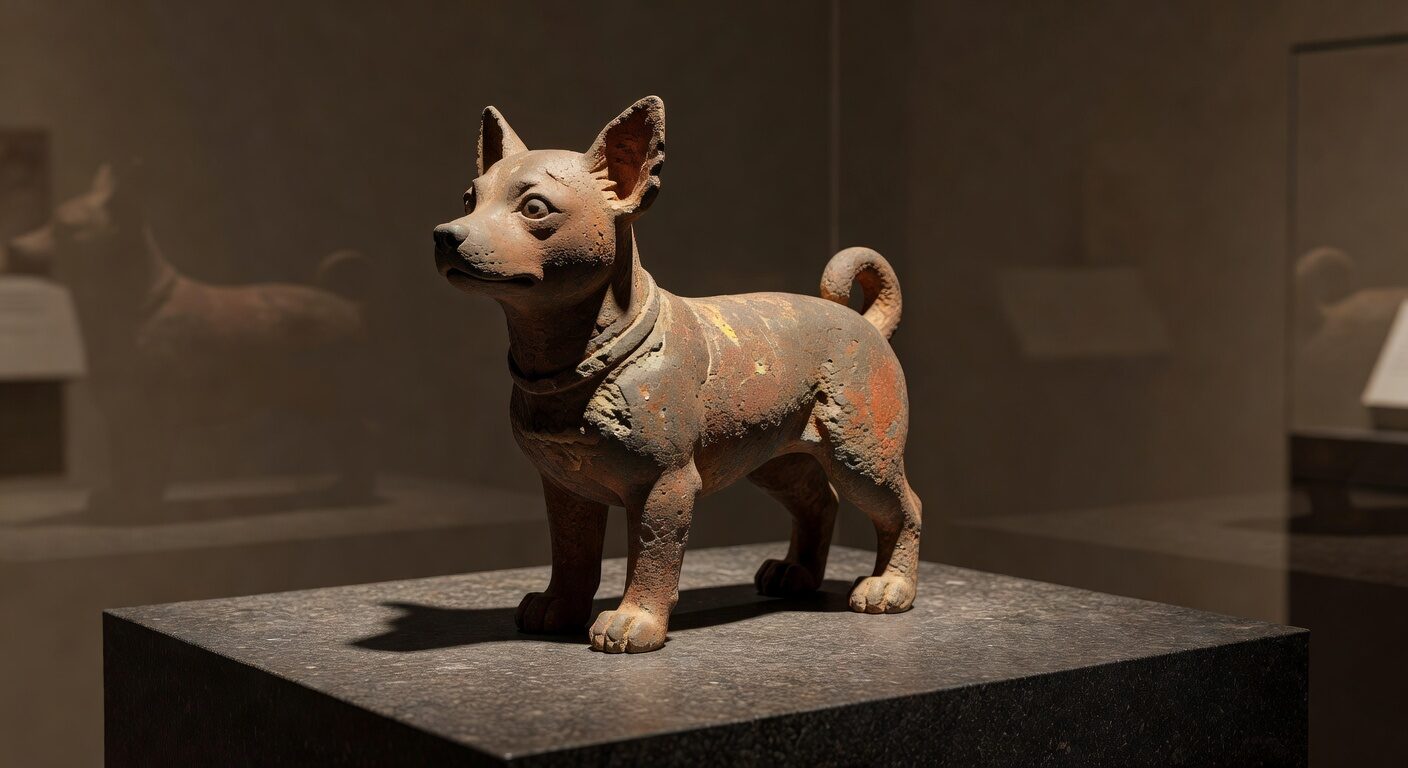
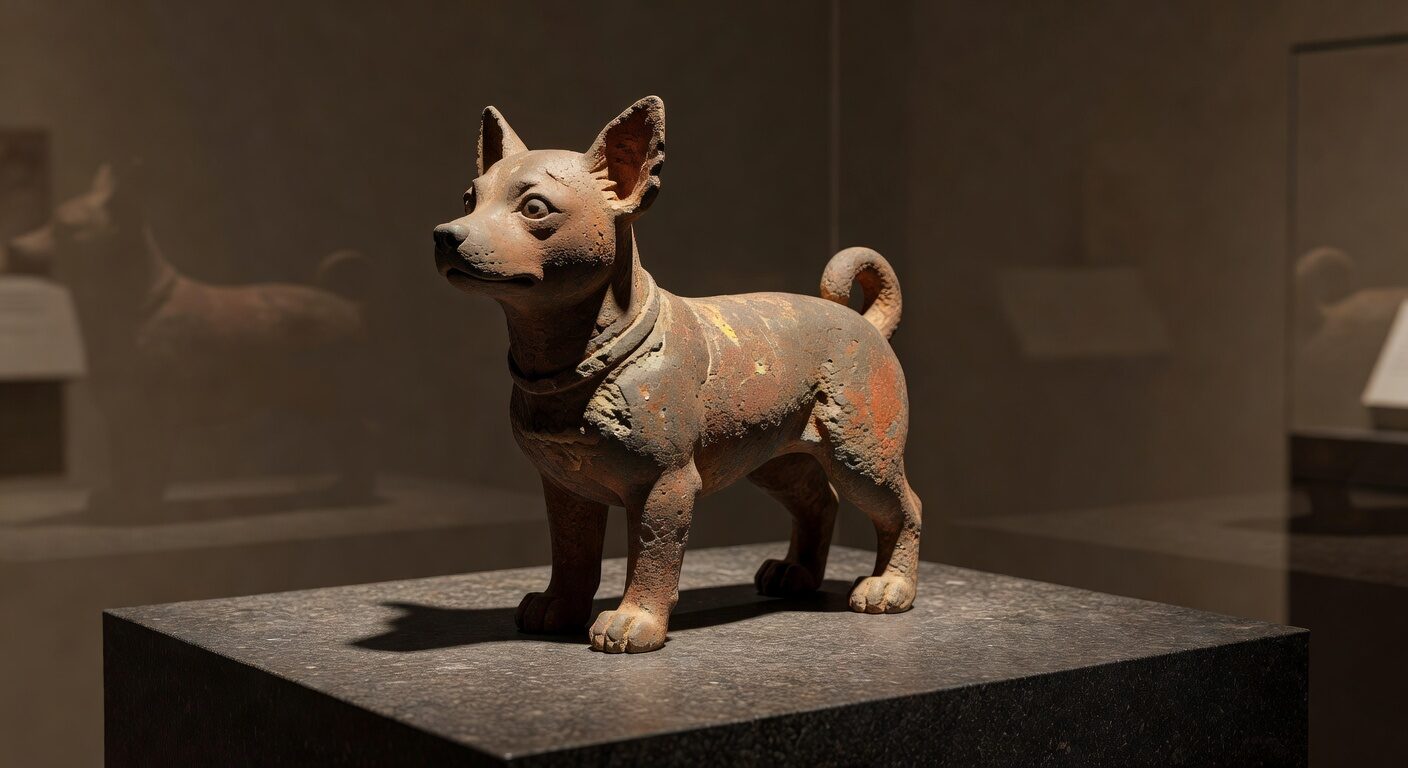
The most widely accepted theory about chihuahua origins traces them back to the Techichi. This was a small, mute companion dog kept by the Toltec civilization in Mexico as early as the 9th century. Archaeological evidence including dog pots and small dog skeletons found at Toltec sites tells us a lot. The Techichi was a slightly larger, heavier version of the modern chihuahua who served both practical and spiritual purposes in Toltec society.
Related: common Chihuahua health issues, Chihuahua body language, Chihuahua separation anxiety.
The Toltecs valued these small dogs as companions and possibly as bed warmers. That is ironic because that is essentially still their primary function in most households today. When the Aztec civilization absorbed Toltec culture, they adopted the Techichi as well. The little dogs became associated with the afterlife. The Aztecs believed that a small red dog could guide the soul of the deceased through the underworld, which led to Techichis being buried alongside their owners.
According to the American Kennel Club, this connection between the modern chihuahua and the ancient Techichi is supported by genetic studies and archaeological findings. However, the exact evolutionary path from Techichi to today’s chihuahua involves some gaps that researchers are still working to fill.
What I Wish I Knew Earlier
For roughly 300 years, the small dogs that would eventually become chihuahuas existed in a kind of historical limbo. They were present in rural Mexico, particularly in the northern state of Chihuahua. They lived in and around communities but were not being actively bred or documented in any formal way.
It was during this period that the dogs likely developed the hardiness and independence that characterize the breed today. Survival required resourcefulness, and chihuahuas have been resourceful ever since.
Rediscovery in the 1800s
American travelers to Mexico in the mid 1800s began noticing and purchasing the small dogs found in the state of Chihuahua. That is how the breed got its name. These early chihuahuas were likely more varied in appearance than today’s breed standard. Still, they shared the key traits that define the breed: small size, big ears, alert expression, and a personality that vastly exceeded their physical dimensions.
The first chihuahua registered with the American Kennel Club was a dog named Beppie in 1904. The Chihuahua Club of America was founded in 1923. From that point on, selective breeding began refining the breed toward the standard we know today. Breeders emphasized the apple head shape, compact body, and extreme small size that distinguish show chihuahuas. The breed profile on Dogster provides additional detail on how the modern breed standard evolved from those early imports.
Two Varieties, One Breed
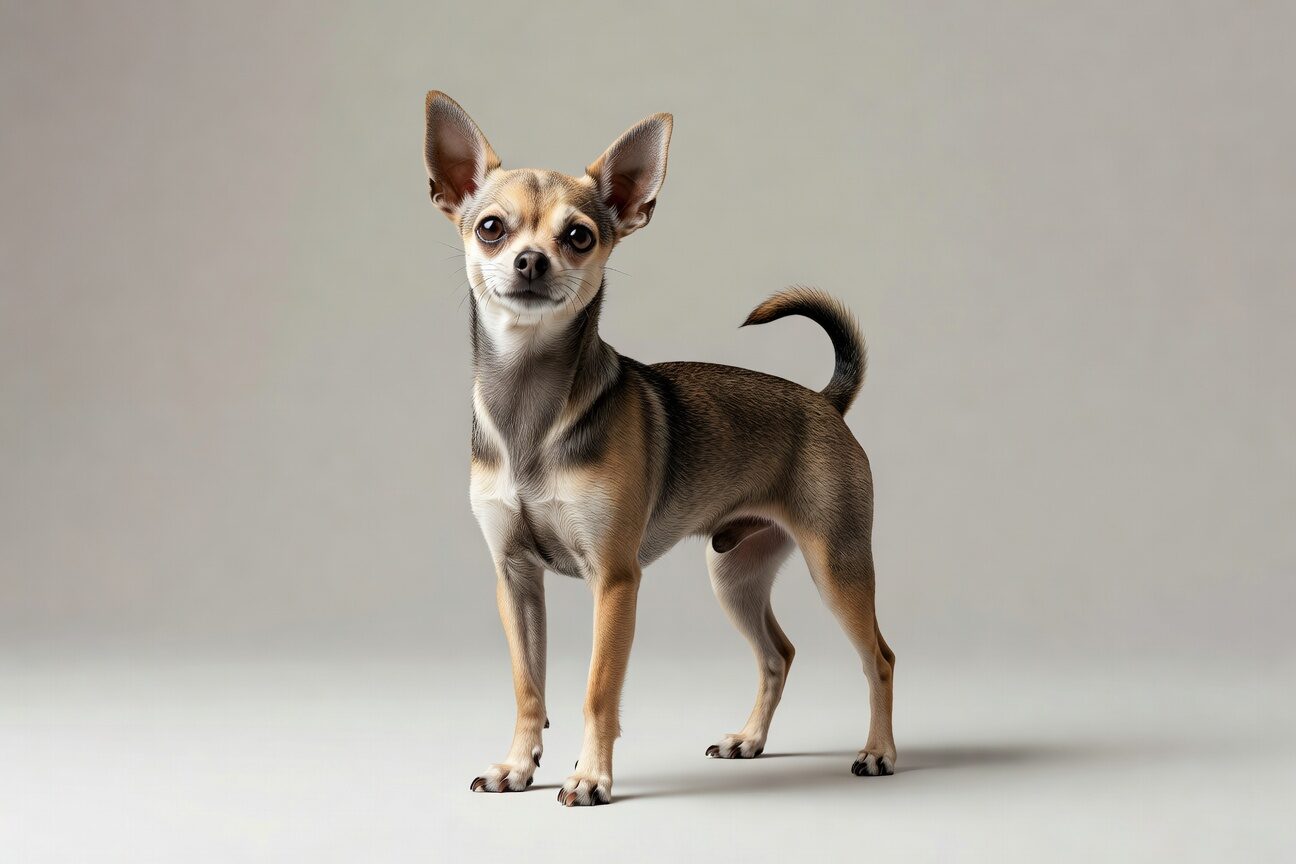
Today’s chihuahuas come in two coat varieties, smooth and long. Both are considered the same breed. The smooth coat variety is probably closer to what the original Mexican dogs looked like. Meanwhile, the long coat variety likely developed through crosses with other small long haired breeds during the refinement period in the late 1800s and early 1900s.
There is also an ongoing distinction between apple head and deer head chihuahuas, though only the apple head conformation is recognized in the breed standard. Deer head chihuahuas have a longer muzzle, a flatter skull, and are often slightly larger. Many pet owners prefer them precisely because their less extreme proportions can mean fewer health issues associated with very round skulls and short muzzles.
Chihuahuas in Popular Culture
The chihuahua’s experience from ancient companion dog to cultural icon accelerated dramatically in the 20th century. Xavier Cugat, the famous bandleader, was rarely seen without a chihuahua in his arms during the 1940s and 50s. That helped popularize the breed among American celebrities. In the 1990s and 2000s, chihuahuas experienced another surge in popularity thanks to a well known fast food advertising campaign and their appearance in movies.
However, that pop culture moment was a double edged sword. It brought more attention to the breed than ever before, but it also led to a flood of impulse purchases. Many people were not prepared for the reality of chihuahua ownership. Shelters saw an increase in surrendered chihuahuas from owners who expected a quiet purse dog. Instead, they got a vocal, opinionated, sometimes challenging little animal with real needs and real personality.
The Chihuahua Today
Modern chihuahuas are one of the most popular toy breeds in the world. They consistently rank in the top 30 most registered breeds with the AKC. They have come an incredibly long way from their Toltec origins, but the core of what makes a chihuahua a chihuahua has not changed much in a thousand years. They are still small, still bold, still fiercely loyal to their chosen people, and still absolutely certain that they are in charge.
Knowing the history of the chihuahua gives me a deeper appreciation for my own dog’s quirks. His wariness of strangers echoes centuries of dogs who survived by being alert and cautious. His preference for warm laps and blankets connects him to ancient dogs who served as living hot water bottles for Toltec families.
Looking back, his outsized confidence makes perfect sense when you consider that his ancestors were believed to have the power to guide souls through the underworld. He is carrying a lot of history in that tiny body, even if he mostly uses it to bark at the mailman and demand belly rubs. com/why-is-my-chihuahua-so-attached-to-me/” title=”Why Is My Chihuahua So Attached to Me”>Why Is My Chihuahua So Attached to Me.
To see how these ancient traits play out in modern ownership, explore our articles on what every chihuahua owner must know and breeds similar to chihuahuas.
The Mexican State Connection
The breed gets its name from the Mexican state of Chihuahua, where American travelers in the mid-1800s first encountered these tiny dogs being sold by local merchants. I visited the region a few years ago and it was surreal to walk through markets where chihuahuas have been a part of daily life for generations. Street vendors still sell little chihuahua figurines and trinkets. Actual chihuahuas wander the plazas like they own the place, which, given their history, they kind of do.
What most people do not realize is that the dogs found in Chihuahua state during the 1800s were likely already a blend of the ancient Techichi and small dogs brought over by Spanish colonizers. The Spanish brought tiny companion breeds from Europe, and those dogs interbred with the native Techichi population over centuries. So the chihuahua as we know it today is genuinely a product of two worlds colliding.
The ancient Mesoamerican lineage gives them their boldness and alertness. The European influence likely contributed to the smaller size and the smooth coat variety that became so popular in the United States.
One detail that fascinates me about the chihuahua timeline is how close the breed came to disappearing entirely. After the fall of the Aztec Empire, records of the Techichi become scarce for several centuries. The little dogs survived in remote villages in northern Mexico, kept alive by indigenous families who valued them as companions and ratters.
Without those families maintaining the breed through generations of quiet, undocumented care, the chihuahua lineage might have ended long before any American tourist wandered into the state of Chihuahua. The fact that these dogs survived colonization, cultural upheaval, and centuries of obscurity before becoming one of the most recognized breeds on earth is remarkable. It is a testament to how deeply people have always connected with small, loyal dogs. My chihuahua does not know any of this, of course. He is too busy barking at the mailman to appreciate his own remarkable survival story.
What is the average size of a chihuahua?
Adult chihuahuas typically weigh between two and six pounds and stand five to eight inches tall at the shoulder. The AKC breed standard sets the maximum weight at six pounds for show dogs.
How long do chihuahuas live?
The average chihuahua lifespan is 14 to 16 years, making them one of the longest-lived dog breeds. Some chihuahuas live to 18 or 20 with excellent care.
Are there different types of chihuahuas?
The AKC recognizes two coat varieties: smooth coat and long coat. Head shape varies between apple head and deer head, though only the apple head conformation meets the official breed standard.
What should I know about chihuahua breed history?
Understanding chihuahua breed history requires attention to breed-specific needs. Chihuahuas are small dogs with unique health, behavioral, and care requirements. Consulting your veterinarian and learning from experienced owners provides the most reliable guidance for your specific situation.