
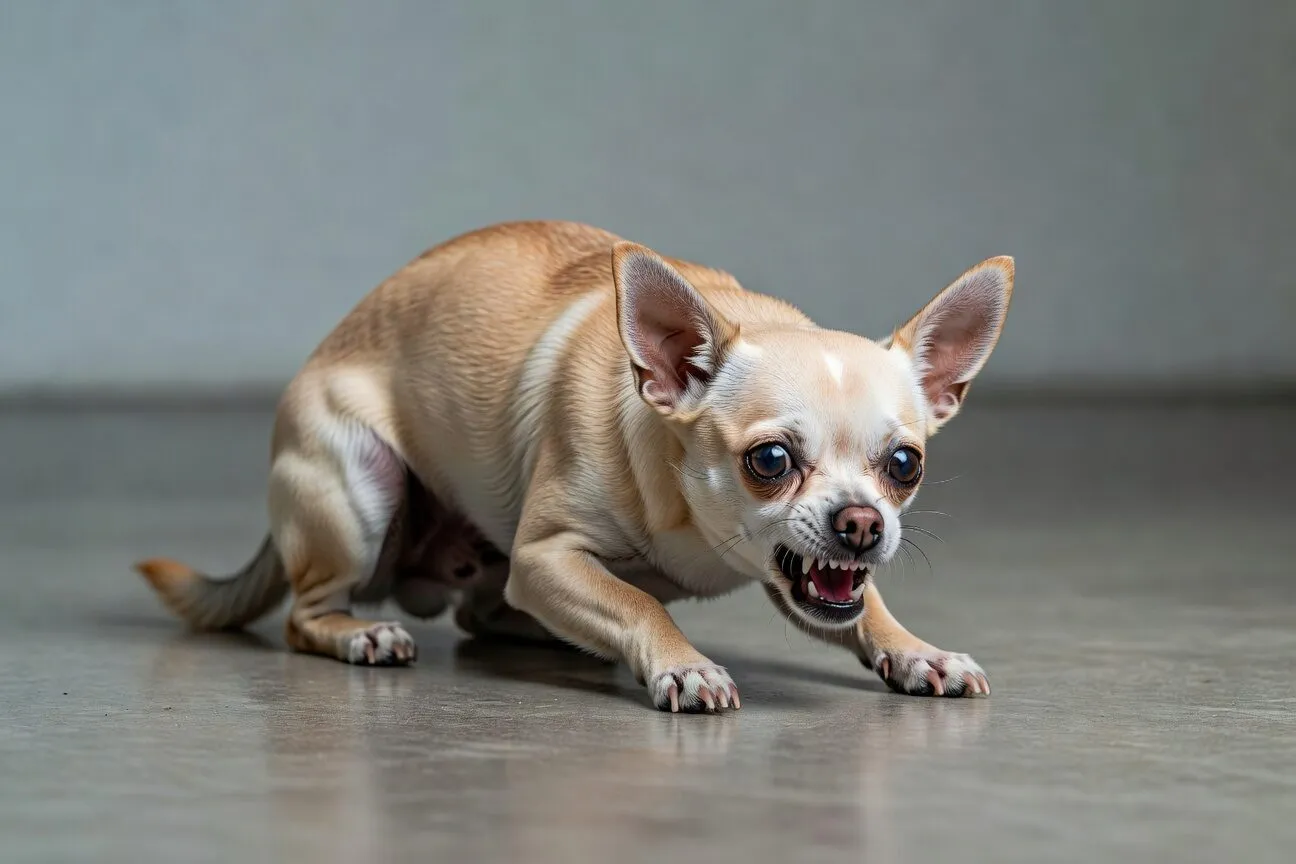

If you have ever walked your chihuahua past another dog and watched them explode into barking and lunging, you already know the reputation. Chihuahua aggression is one of the most searched topics about the breed, and there is a reason for that. These tiny dogs can react with an intensity that seems completely out of proportion to their size, and it can feel embarrassing and exhausting and confusing all at the same time.
I want to start by saying something that most dog parents of reactive chihuahuas need to hear. Your chihuahua is not mean. Your chihuahua is not broken. And you did not necessarily do anything wrong. What your chihuahua is experiencing is almost always rooted in fear, and once you understand that, everything about their behavior starts to make sense and becomes something you can actually work with.
Why Chihuahua Aggression Happens More Than Other Breeds
Chihuahuas live in a world that was not designed for them. Doorways are enormous. Other dogs are ten or twenty times their size. A toddler running toward a golden retriever is exciting. A toddler running toward a chihuahua is genuinely terrifying, and that chihuahua has no way of knowing the child means no harm.
The American Kennel Club explains that what most dog parents call aggression in small dogs is actually reactivity, which is a fear-based response designed to make the scary thing go away. Your chihuahua barks and lunges not because they want to fight, but because they have learned that making a big scene causes the threat to back off. And from their perspective, it works every single time.
Size Creates Vulnerability
A Labrador that feels nervous about a stranger can afford to wait and assess the situation. A chihuahua does not have that luxury because a single misstep from a larger dog or a careless human hand could cause real injury. Their reactive behavior is proportional to their actual vulnerability, and understanding that changes how you respond to it.
Small Dog Syndrome Is Real but Misunderstood
Dog parents of chihuahuas often allow behaviors that they would never tolerate in a larger breed. Growling at guests gets laughed off because the dog weighs four pounds. Snapping at other dogs during walks gets dismissed as “just being a chihuahua.” Learning to read your chihuahua’s body language is the first step toward understanding that these behaviors are distress signals, not personality traits.
Fear Is the Root of Chihuahua Aggression
I adopted my chihuahua Pepper when she was three years old. She came from a home where she had been stepped on twice and dropped once. By the time she reached me, she had decided that all humans except her previous owner were threats, and she communicated that decision with her teeth.
For the first month, Pepper bit anyone who reached for her. Not a warning snap. A committed, full-contact bite that drew blood twice. I understood why she was doing it, and understanding helped me stay patient, but it did not make the situation less serious. Chihuahua aggression rooted in fear requires a completely different approach than what most generic dog training advice suggests.
What Fear-Based Aggression Looks Like
A chihuahua who is reacting out of fear will show specific body language before the bite happens. Ears pinned flat against the head. Body frozen and rigid. Whale eye where you can see the whites of their eyes. Lip curling that progresses to a full snarl. These are all warnings, and a chihuahua who is giving warnings is actually communicating clearly. The dogs who bite without warning are the ones whose earlier signals were punished into silence.
The ASPCA’s aggression guide confirms that punishing a dog for growling removes their warning system without addressing the underlying fear, and that makes future bites more likely and more severe.
How to Address Chihuahua Aggression With Positive Methods
Start Below Their Threshold
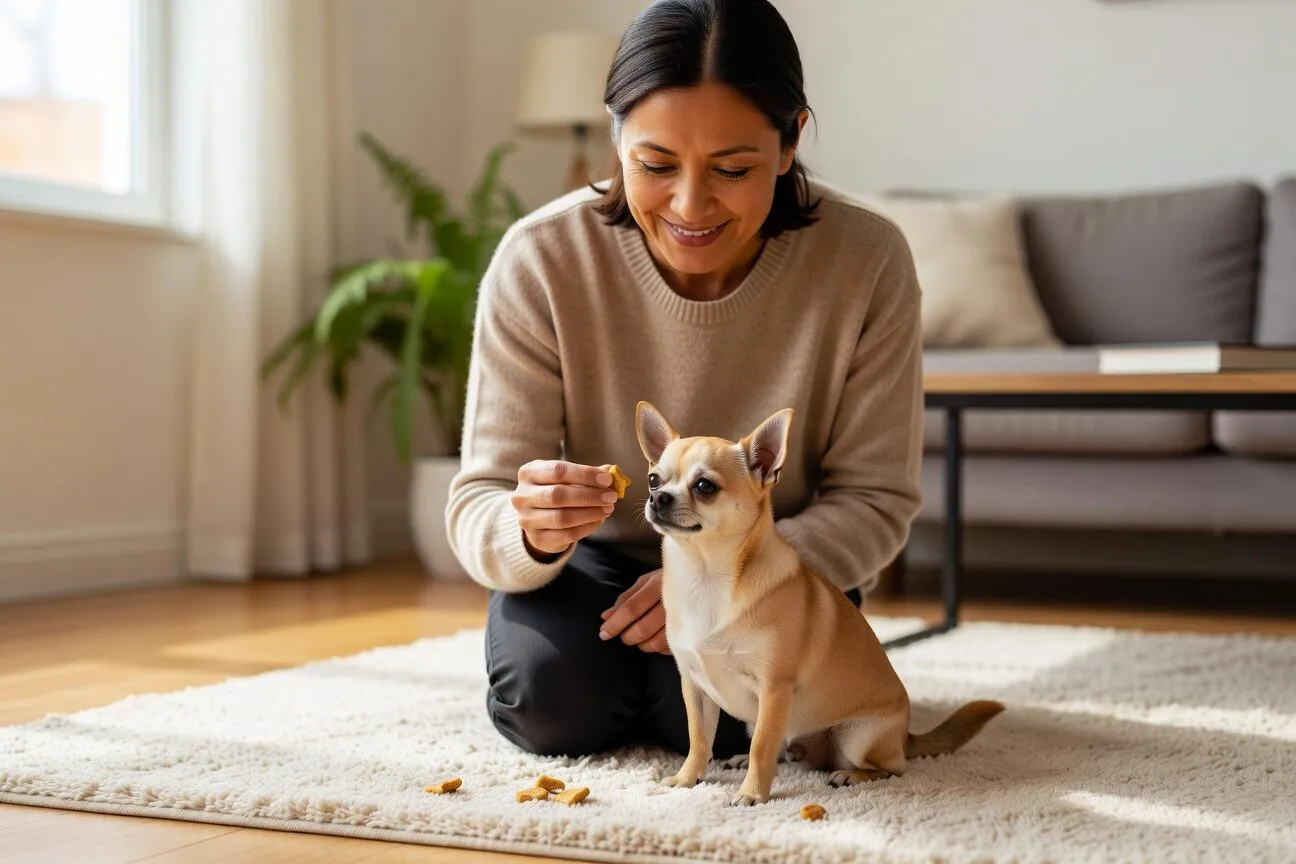
The most important concept in working with chihuahua aggression is finding your dog’s threshold, which is the distance at which they can observe a trigger without reacting. For Pepper, that was about fifteen feet from a stranger. Any closer and she escalated. At fifteen feet, she could watch without losing control, and that was where we started building new associations.
To do this, find a quiet spot where people walk past at a distance your chihuahua can handle. Every time a person appears and your chihuahua notices them without reacting, praise and reward immediately. You are teaching your chihuahua that the appearance of a stranger predicts something wonderful happening, and over time that association replaces the fear response with anticipation.
Never Punish the Reaction
Yelling at your chihuahua for barking at a stranger confirms their belief that the situation is dangerous. Jerking their leash when they lunge adds pain to an already stressful moment. Fear-based behaviors require patience and positive methods, and any approach that adds more stress to an already stressed dog will make the problem worse.
Work With a Professional
If your chihuahua’s aggression includes biting that breaks skin, I strongly recommend working with a certified dog behaviorist who uses force-free methods and has experience with small breed reactivity. PetMD’s behaviorist guide explains how to find a qualified professional and what credentials to look for.
What Changed When I Stopped Fighting Chihuahua Aggression
It took Pepper about four months of consistent work before she stopped biting strangers. It took another six months before she could walk past someone on the sidewalk without tensing up. The progress was not linear. There were weeks where she seemed to go backward, and I questioned whether anything was actually working.
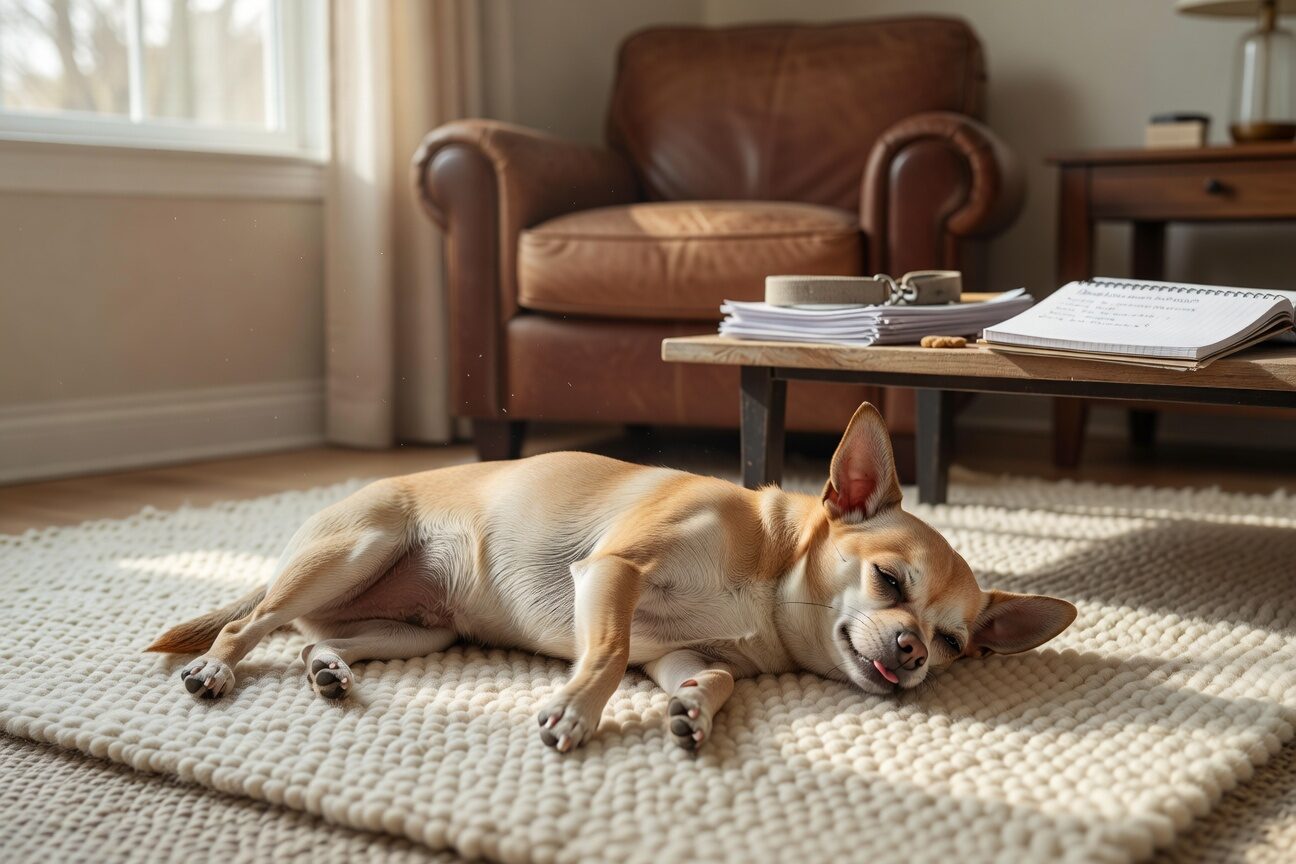
Today Pepper is six years old. She still does not love strangers, and I do not think she ever will. But she can sit on a patio while people walk past without reacting. She can be in the same room as guests without hiding or snapping. She lets my neighbor’s daughter pet her, which is something I genuinely did not think was possible two years ago. Starting socialization early prevents most of these issues, but even for adult chihuahuas who missed that window, meaningful progress is absolutely possible.
Chihuahua aggression is not a character flaw. Your chihuahua is not reactive because they are bad. They are reactive because they are scared, and they are scared because they are tiny in a world that does not always notice them. Once you see it that way, helping them becomes less about controlling behavior and more about building the kind of safety that makes the behavior unnecessary.
Chihuahua Aggression FAQ
Why is my chihuahua so aggressive toward strangers?
Fear-based reactivity from their small size and vulnerability.
Can you train aggression out of a chihuahua?
You can build new positive associations that replace fear over 3-6 months.
Should I punish my chihuahua for growling?
Never. Growling is a warning signal, removing it makes bites more likely.
Are chihuahuas the most aggressive breed?
Higher reactivity rates, but largely due to tolerated behavior not inherent temperament.
When should I see a behaviorist?
If biting breaks skin or reactivity worsens despite consistent effort.