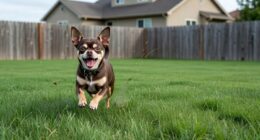

I used to think my chihuahua was broken. Not literally, though she did once launch herself off the couch with the confidence of a dog three times her size and limp for two days. I mean behaviorally. The barking at nothing, the resource guarding over a single dried-out treat she found under the fridge, the way she would shake like a leaf in a hurricane every time someone knocked on the door. I spent the first year convinced I was doing something fundamentally wrong. Regarding chihuahua behavior problems
Why Chihuahuas Develop Behavior Problems
Here is the uncomfortable truth most chihuahua owners do not want to hear. A lot of the behavior issues we see in chihuahuas are ones we accidentally created. We pick them up when they growl instead of correcting them. We laugh when they snap at the mailman because it looks funny coming from a five-pound dog. We carry them everywhere so they never learn to walk confidently on their own four feet. This matters especially when thinking about chihuahua behavior.
Separation anxiety in chihuahuas is incredibly common because they bond so deeply to one person. The solution involves gradual desensitization, which means leaving for thirtThe first time I left my chihuahua alone for more than an hour, I came home to a scene that looked like a tiny tornado had passed through my apartment. She had scratched at the door until paint came off, knocked over her water bowl, and produced a howl so sustained that my neighbor later described it as haunting. I thought she was just being dramatic. She was not. She was panicking because the one person she had bonded to had disappeared and she had no idea if I was coming back. This matters especially when thinking about chihuahua behavior.bowl, and produced a howl so sustained that my neighbor later described it as haunting. I thought she was just being dramatic. She was not. She was panicking because the one person she had bonded to had disappeared and she had no idea if I was coming back.
Separation anxiety is one of the most common and most misunderstood behavior problems in chihuahuas. Because these dogs attach so fiercely to one person, being separated from that person triggers a genuine fear response. It is not spite. It is not disobedience. It is a dog who is terrified of being abandoned, and that fear shows up as destructive behavior, nonstop barking or whining, house accidents even in dogs who are fully trained, and sometimes refusal to eat until their person returns.
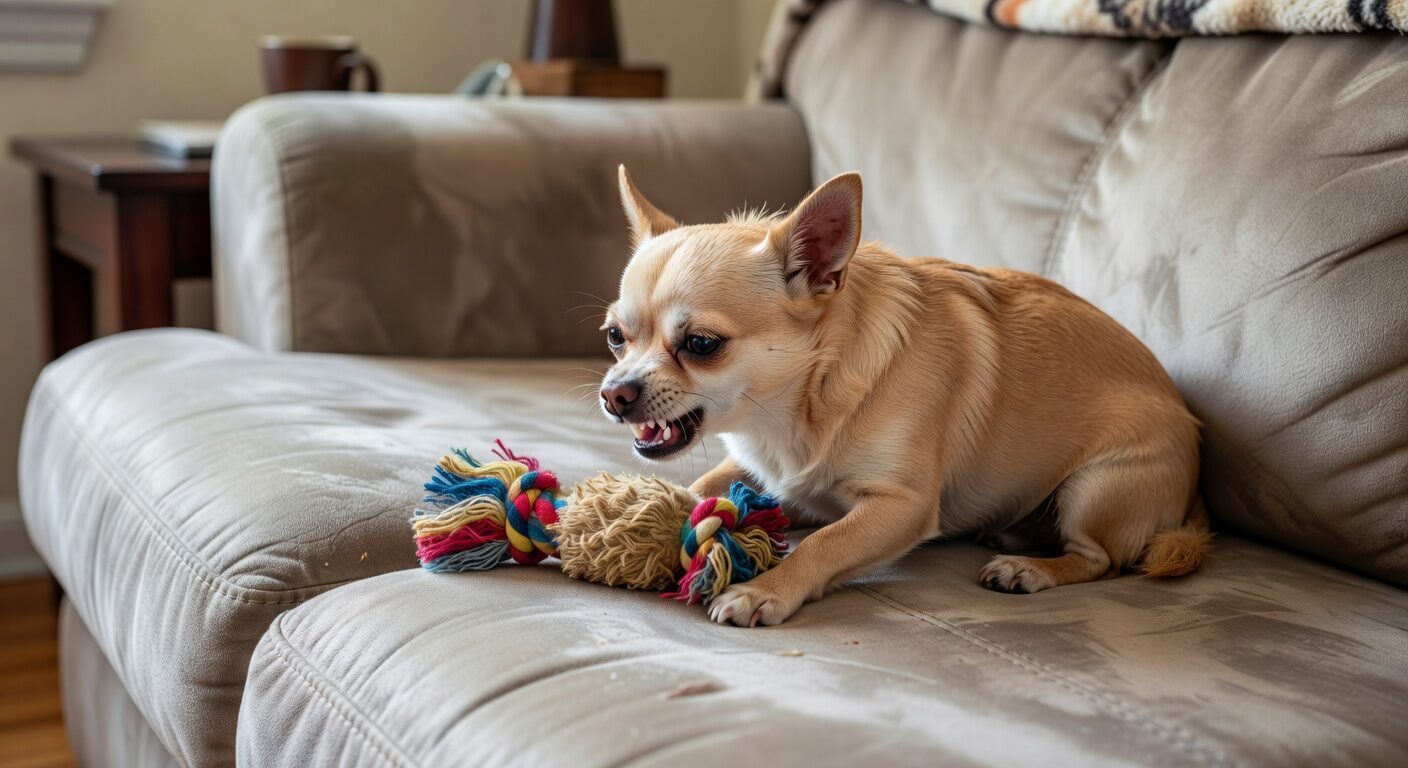
The fix is not quick, but it is straightforward. You have to teach your chihuahua that you leaving is not the end of the world. Start with absurdly short departures, thirty seconds, then come back. Build up slowly to a minute, then five, then ten. Give thMy chihuahua once growled at me over a piece of lint she thought was food. Full teeth-bared, whale-eye, do-not-touch-my-treasure growl. Over lint. Resource guarding in chihuahuas ranges from mild food bowl tension to full-on aggression over toys, beds, or even their favorite human. com/i-was-the-problem-with-my-chihuahuas-behavior-and-it-took-me-a-year-to-see-it/” title=”I Was the Problem With My Chihuahua’s Behavior”>I Was the Problem With My Chihuahua’s Behavior. This matters especially when thinking about chihuahua behavior. tension to full-on aggression over toys, beds, or even their favorite human. com/i-was-the-problem-with-my-chihuahuas-behavior-and-it-took-me-a-year-to-see-it/” title=”I Was the Problem With My Chihuahua’s Behavior”>I Was the Problem With My Chihuahua’s Behavior.
The instinct to guard is normal. Dogs in the wild survive by protecting their resources. But in your living room, it needs management. Trade-up games work well. Approach the guarded item, offer something better, and when they drop the original item, praise them. Never just take things away by force. That confirms their fear that you are, in fact, a resource thief.
4. Begging for Food
Those eyes. I know. They look at you like they have not eaten in six days when it has been exactly forty-five minutes since breakfast. Chihuahuas are world-class beggars, and it is entirely our fault. Every scrap dropped from the table, every “just this once” snack from your plate, teaches them that staring at you long enough produces food.
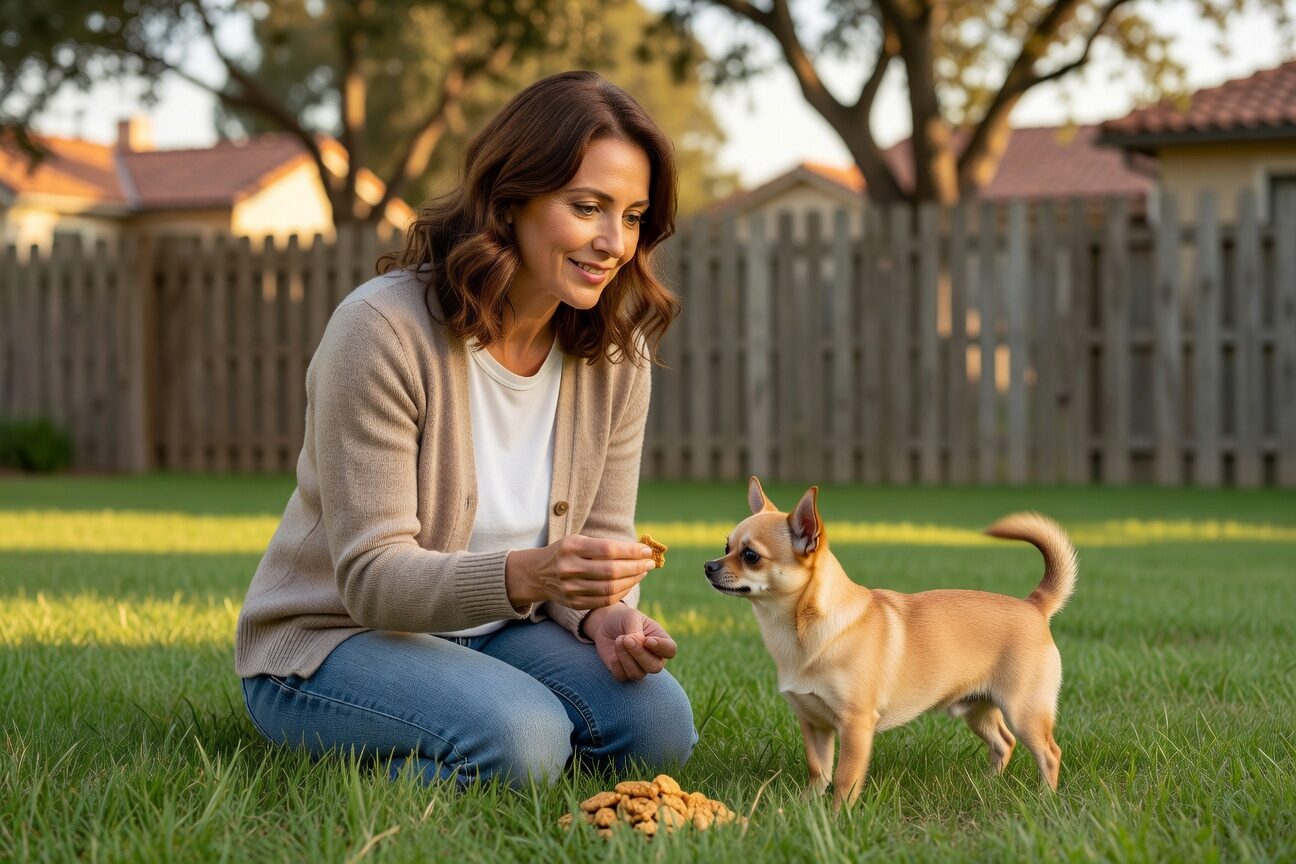
The fix is brutal in its simplicity. Stop feeding them from your plate. Feed them on their own schedule, in their own bowl, in their own spot. If they beg during your meals, redirect them to a Kong or puzzle toy. And yes, you will feel like a monster for about a week. They will survive.
5. Destructive Chewing
A chihuahua might be small, but do not let that fool you. My girl once dismantled an entire throw pillow in under ten minutes while I was in the shower. Feathers everywhere, like a tiny crime scene. Destructive chewing in chihuahuas usually signals boredom, anxiety, or both. Needy chihuahuas whI will be honest. House training my chihuahua was the longest three months of my life. There were days I considered whether wall-to-wall pee pads were a viable interior design choice. Chihuahuas have tiny bladders and even tinier attention spans, which makes potty training a patience marathon. This matters especially when thinking about chihuahua behavior. decorative objects.
6. House Training Struggles
I will be honest. House training my chihuahua was the longest three months of my life. There were days I considered whether wall-to-wall pee pads were a viable interior design choice. Chihuahuas have tiny bladders and even tinier attention spans, which makes potty training a patience marathon.
The trick is consistency that borders on obsessive. Same door, same spot outside, same praise every single time. Take them out after meals, after naps, after play, and every thirty minutes in between when they are puppies. Accidents will happen. Do not punish. Clean it up with an enzymatic cleaner and try again. Eventually, something clicks.
7. Aggression Toward Strangers
My chihuahua decided early on that every stranger was a personal threat. She would lunge at ankles, bark herself hoarse, and generally behave like a tiny bouncer at an exclusive club. People thought it was cute. It was not cute. An aggressive chihuahua is still an aggressive dog, and the behavior needed to stop before she actually hurt someone or, more likely, got hurt herself.
Chihuahua aggression often comes from fear, not dominance. Socialization from a young age is the best prevention. For older dogs, slow exposure to new people in controlled environments, paired with high-value treats, can help them learn that strangers are not the enemy.
8. Excessive Digging
If you have a yard and a chihuahua, you probably have holes. My parents’ chihuahua turned their flower bed into what looked like a miniature archaeological dig site. Digging is instinctual. Dogs dig to cool down, to bury treasures, to burn energy, or just because dirt feels good under their paws.
You cannot train the instinct out entirely, but you can redirect it. Designate a digging spot, bury toys there, and praise them for using it. Make sure they are getting enough exercise, because a tired chihuahua digs a lot less than a bored one.
9. Picky Eating
My chihuahua once refused her kibble for two full days, holding out like a tiny hunger striker until I caved and added chicken broth. She played me perfectly. Chihuahuas are notoriously picky eaters, and most of the time it is because we have taught them that if they wait long enough, something better appears.
The solution sounds harsh but works. Put the food down for fifteen minutes. If they do not eat, pick it up. No treats, no alternatives, no guilt. They will eat when they are hungry. A healthy chihuahua will not starve itself. If the pickiness is new or accompanied by lethargy, though, see your vet. That could signal something medical.
10. The Shaking
People always ask me if my chihuahua is cold or scared. Sometimes, yes. But chihuahuas also shake when they are excited, when they are anxious, when they have too much energy, and apparently when they are just existing. According to PetMD, chihuahuas have a high metabolism and low body fat, which means they burn through energy fast and shaking helps regulate their temperature.
If the shaking is constant and seems distress-related, rule out medical causes first. But if your chihuahua just vibrates when they are happy to see you, that is pretty normal. Mine shakes every time I come home from the grocery store like I have been gone for a decade.
The Real Fix
Here is what nobody tells you when you get a chihuahua. Every single one of these behavior problems gets better when you do one thing consistently: treat your chihuahua like a dog. Not a baby, not a fashion accessory, not a purse companion. A dog. Dogs need boundaries, structure, exercise, and training regardless of whether they weigh four pounds or ninety pounds.
My chihuahua is not perfect. She still barks at the occasional squirrel with the intensity of a dog who believes she could take one down. She still gives me the stink eye when dinner is late. But the biting stopped. The separation anxiety is manageable. The house training eventually clicked. And the relationship we have now, built on mutual respect instead of mutual frustration, is worth every single difficult moment it took to get here.
Your chihuahua is not broken. She is just waiting for you to show her a better way.
Here is the uncomfortable truth most chihuahua owners do not want to hear. A lot of the behavior issues we see in chihuahuas are ones we accidentally created. We pick them up when they growl instead of correcting them.
My neighbor once asked me, completely seriously, if my dog had an off switch. She did not. My chihuahua barked at the doorbell, at the wind, at the sound of someone thinking about walking past our apartment.
My chihuahua once growled at me over a piece of lint she thought was food. Full teeth-bared, whale-eye, do-not-touch-my-treasure growl. Over lint.
Those eyes. They look at you like they have not eaten in six days when it has been exactly forty-five minutes since breakfast. Chihuahuas are world-class beggars, and it is entirely our fault.
A chihuahua might be small, but do not let that fool you. My girl once dismantled an entire throw pillow in under ten minutes while I was in the shower. Feathers everywhere, like a tiny crime scene.
I will be honest. House training my chihuahua was the longest three months of my life. There were days I considered whether wall-to-wall pee pads were a viable interior design choice.
What should I know about chihuahua Behavior Problems: Why Chihuahuas Develop Behavior Problems?
Here is the uncomfortable truth most chihuahua owners do not want to hear. A lot of the behavior issues we see in chihuahuas are ones we accidentally created. We pick them up when they growl instead of correcting them.
What is the nonstop Barking?
My neighbor once asked me, completely seriously, if my dog had an off switch. She did not. My chihuahua barked at the doorbell, at the wind, at the sound of someone thinking about walking past our apartment.
What should I know about resource Guarding?
My chihuahua once growled at me over a piece of lint she thought was food. Full teeth-bared, whale-eye, do-not-touch-my-treasure growl. Over lint.
What should I know about begging for Food?
Those eyes. They look at you like they have not eaten in six days when it has been exactly forty-five minutes since breakfast. Chihuahuas are world-class beggars, and it is entirely our fault.
What should I know about destructive Chewing?
A chihuahua might be small, but do not let that fool you. My girl once dismantled an entire throw pillow in under ten minutes while I was in the shower. Feathers everywhere, like a tiny crime scene.
What should I know about house Training Struggles?
I will be honest. House training my chihuahua was the longest three months of my life. There were days I considered whether wall-to-wall pee pads were a viable interior design choice.