Author: admin

  • Size of a Chihuahua: Unveiling the Tiny Breed

    Size of a Chihuahua: Unveiling the Tiny Breed

    Understanding the Size of a Chihuahua

    Hailing from the lively country of Mexico and named after its originating state, the Chihuahua is celebrated as the smallest dog breed, truly encapsulating the charm of its namesake in the size of a Chihuahua.

    Notoriously known for their spirited nature, these diminutive canines, no bigger than the size of a Chihuahua itself, often exhibit a feisty streak, fearlessly confronting larger dogs when they sense a disturbance.

    Despite their small stature, barely tipping the scales, their size belies their courageous hearts. But with proper training, Chihuahuas, compact enough to fit comfortably in the crook of an arm, transform into serene and devoted pets, well-suited for apartment living where space is at a premium.

    • Weight Range: Ideal for competitive breeding, a Chihuahua’s weight is paramount, capping at around 2.7 kilograms (4 pounds 6.7 ounces).
    • Height Variability: Unlike weight, the Chihuahua’s height isn’t strictly determined, leading to considerable variation within the breed.

    Teacup Chihuahua Dimensions

    The Teacup variety, which includes the apple head Chihuahua, presents an even smaller version of the breed.

    • Diminutive Weight: These Teacup Chihuahuas can weigh as little as 3 pounds or sometimes even less.

    For more in-depth information on the weight spectrum of Chihuahuas, explore our detailed guide on the ideal Chihuahua weight.

    Average Height and Types of Chihuahuas

    • Standard Height: The Chihuahua’s height usually ranges from 15 centimeters (6 inches) to just over 30 centimeters (12 inches), with more than a 50% height variation.
    • Breed Variants: The specific type of Chihuahua can influence the height, with long-haired Chihuahuas reaching up to 9 inches tall.
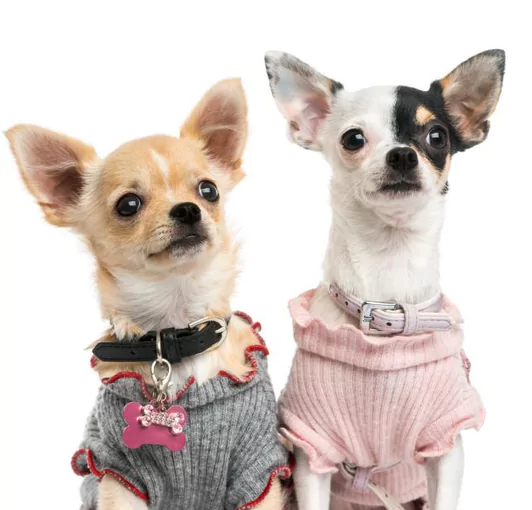
    Chihuahuas and Their Faithful Companionship

    As a breed, the Chihuahua is a paragon of loyalty, flourishing in the confines of smaller dwellings.

    • Special Care: Their petite structure necessitates cautious handling to safeguard their delicate bones.
    • Climate Sensitivity: Due to their sensitivity to cold, Chihuahuas often require additional protection such as coats during winter.

    To understand more about the dietary needs of a Chihuahua, peruse our article on the subject.

    Growth and Development of Chihuahuas

    Chihuahuas mature fully around the 18-month mark, with the bulk of their growth occurring within the first 26 weeks.

    • Full Growth: Expect a Chihuahua puppy to reach its full potential size by one and a half years.
    • Rapid Development: The most significant growth spurt happens before they hit the half-year mark.

    Tips for Raising a Healthy Chihuahua

    Ensuring your Chihuahua thrives involves more than understanding its size. Here are some tips to keep in mind:

    • Regular Check-ups: Due to their small stature, Chihuahuas benefit from frequent veterinary visits to monitor their development.
    • Appropriate Nutrition: Tailor their diet to their unique size and energy needs, focusing on high-quality, nutrient-dense food.
    • Training and Socialization: Early and consistent training can temper the Chihuahua’s bold nature, encouraging a well-adjusted temperament.
    • Exercise and Play: While they may be small, Chihuahuas possess a lively spirit that requires regular playtime and exercise to maintain their mental and physical health.

    Embracing Life with a Chihuahua

    Embracing life with a Chihuahua means welcoming a bundle of energy, affection, and personality into your world. These pint-sized pups may be the smallest dog breed, but they pack a considerable punch when it comes to their vivacious and lovable nature.

    Chihuahuas are renowned not only for their compact size but also for their boldness and unshakable loyalty to their owners. They are adaptable creatures, equally content in the quiet comfort of a cozy apartment or out on an adventure in the bustling city.

    Caring for a Chihuahua goes beyond meeting their physical needs—it’s about understanding the nuances of their expressive personalities. From their perky ears to their fast-wagging tails, every gesture tells a story of how they feel and what they need from their human counterparts. Socialization and training are key to harnessing their intelligence and zest, turning potential challenges into rewarding milestones.

    Within the tapestry of the Chihuahua’s character lies an unexpected versatility—athletic prowess that can excel in dog sports, an alertness that makes for an excellent watchdog, and an emotional sensitivity that provides unparalleled companionship. Their longer-than-average lifespan means a commitment to many years of shared experiences and memories.

    As you navigate the waters of Chihuahua ownership, you’ll discover the rich history of the breed, hailing from ancient Mexico, and how today’s Chihuahuas still carry the legacy of their ancestors. From their varied coat types and colors to the distinctions between the apple-headed and deer-headed varieties, each Chihuahua is truly unique.

    By indulging in our Pets category, you’ll gain insights into the best practices for Chihuahua care, from their specific dietary requirements and health considerations to expert tips on grooming and mental stimulation. We dedicate a section to answering common questions and debunking myths, ensuring that you’re equipped with knowledge and confidence as you embark on this delightful journey with your spirited Chihuahua by your side.


  • Embracing the Coziness: The Chihuahua Tucking Trend

    Embracing the Coziness: The Chihuahua Tucking Trend

    The Chihuahua tucking trend is more than a passing fad; it’s indicative of a broader shift in how society views pet ownership. Today, pets are increasingly seen as integral family members, deserving of the same level of care and attention as human relatives.

    This trend towards the humanization of pets has led to an increase in products and services aimed at enhancing the quality of life for our canine companions, from specialized dog apparel to pet-friendly travel accommodations.

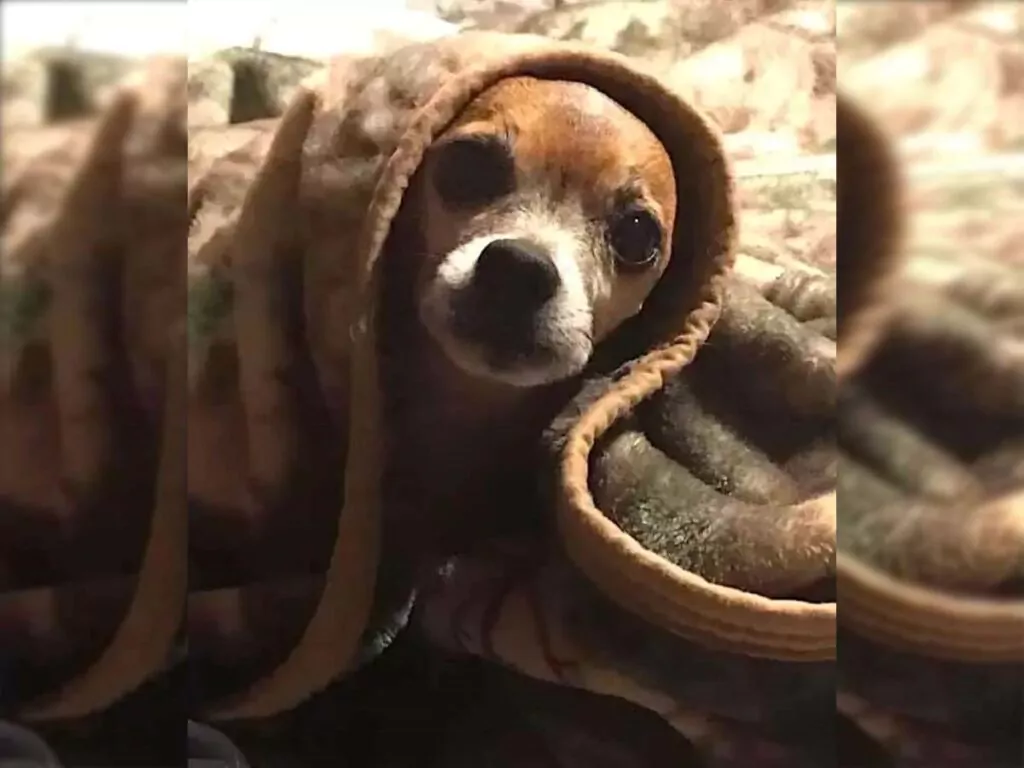
    Chihuahua tucking in trend, shown by an adorable pup in a grey blanket
    Chihuahua tucking in trend, shown by an adorable pup in a grey blanket

    Changing Pet Care Attitudes

    The attention to detail in practices such as tucking Chihuahuas into bed reflects a growing awareness of the unique needs of different dog breeds. Chihuahuas, with their distinctive physical and emotional traits, benefit greatly from customized care routines that take into account their size, temperament, and health requirements.

    In addition to the tangible benefits of the Chihuahua tucking trend, this phenomenon underscores the rise of vibrant pet care communities, both online and offline.

    These communities offer a platform for Chihuahua owners to share advice, experiences, and, most importantly, the joys of tucking their beloved pets in for a cozy night’s sleep.

    Such platforms have become invaluable resources for new and seasoned dog owners alike, fostering a sense of mutual support that transcends geographical boundaries.

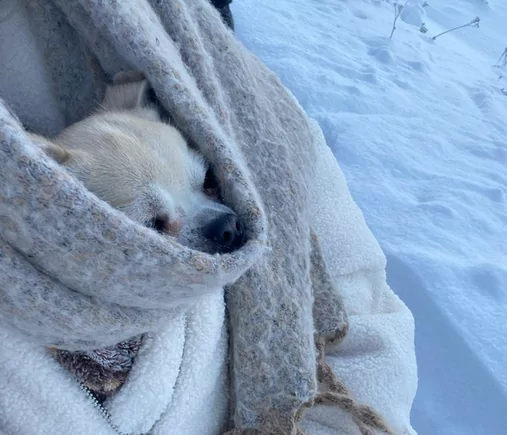
    Close up of a Chihuahua lovely tucked in
    Close up of a Chihuahua lovely tucked in

    Community Tips for Chihuahua Care

    Within the Chihuahua owner community, tips and tricks for effective tucking and overall care abound.

    Some owners recommend using weighted blankets for anxious pups to simulate the feeling of being held. Others suggest incorporating a warm water bottle for extra coziness on particularly cold nights.

    But, here are our favorite tips when it comes to Chihuahua care:

    1. Mind the Temperature: Chihuahuas are sensitive to cold temperatures due to their small size and short coats. Ensure their sleeping area is warm and draft-free, especially during colder months.
    2. Provide Comfortable Bedding: Opt for soft, cozy blankets or a plush bed to give your Chihuahua a comfortable place to rest. Avoid materials that may cause irritation or overheating.
    3. Regular Grooming: Keep your Chihuahua’s coat clean and well-groomed to prevent matting and discomfort. Regular grooming also helps distribute natural oils, keeping their skin healthy.
    4. Monitor Weighted Blanket Use: While weighted blankets can provide comfort, monitor your Chihuahua’s response to ensure they are not feeling too constricted or uncomfortable.
    5. Consult Your Vet: If you’re unsure about the best care practices for your Chihuahua, consult your veterinarian. They can provide personalized advice based on your dog’s health and needs.
    Chihuahua tucked in trend under the sun
    Chihuahua tucked in trend under the sun

    Celebrating The Chihuahua Tucking Trend

    As we continue to celebrate the Chihuahua tucking trend, it’s important to recognize it as part of a larger movement towards more empathetic, informed, and personalized pet care.

    This trend, along with the community it has fostered, highlights the evolving relationship between humans and their pets—a relationship characterized by deep affection, respect, and an unwavering commitment to their happiness and comfort.

    It reminds us of the importance of attending to the emotional and physical needs of our pets, acknowledging that their well-being directly impacts their quality of life.

    So, as we wrap our Chihuahuas in their cozy blankets each night, we’re doing more than just keeping them warm; we’re part of a global community of pet lovers dedicated to elevating the standard of care for our furry friends.

    Wrapping Up

    As this trend continues to gain momentum, it inspires pet owners across the globe to seek out new and thoughtful ways to ensure their animals feel safe, loved, and valued.

    This movement goes beyond Chihuahuas, influencing a broader cultural shift in how all pets are treated, with an emphasis on creating environments that cater to their innate needs for comfort, security, and affection.

    Through such collective efforts, we’re not just enhancing the lives of our pets; we’re setting a new standard for pet care that future generations of pet owners will likely continue and evolve.

  • Winter Dog Care: Keeping Your Pup Safe

    Winter Dog Care: Keeping Your Pup Safe

    Dog Care: Keeping Your Canine Cozy in Cold Weather

    As a seasoned assistant professor at the University of California Davis School of Veterinary Medicine, I understand the importance of navigating the winter months with our beloved furry friends. Having braved polar vortexes alongside my own dog during my time in Michigan, I’ve gained valuable insights into the unique challenges that colder weather presents for dog owners.

    Understanding Breed and Age Variances

    Dogs, much like humans, vary in their ability to tolerate cold weather. It’s crucial to recognize that not all breeds are equipped to handle the chill in the air. While a husky might frolic happily in temperatures below 40°F (4°C), a short-coated Chihuahua could quickly succumb to the dangers of hypothermia.

    Moreover, age plays a significant role in a dog’s cold-weather resilience. Puppies and elderly dogs are particularly vulnerable to the cold, requiring extra care and attention during winter outings.

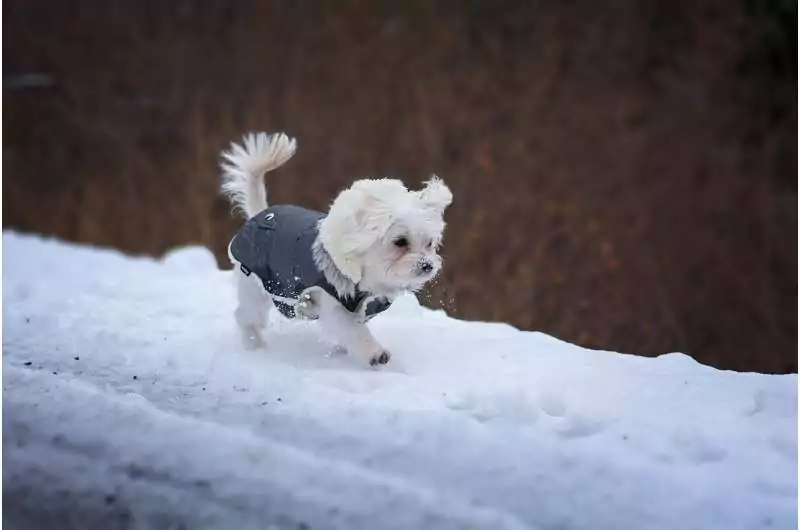
    Winter Dog Care: Keeping Your Pup Safe
    Winter Dog Care: Keeping Your Pup Safe

    Signs Your Dog Might be Feeling the Cold

    It’s essential for pet owners to be vigilant for signs that their furry companions are feeling the cold. Dogs may shiver, whine, or exhibit reluctance to place their paws on icy surfaces. Pay close attention to any changes in behavior, as these could indicate discomfort or distress.

    Frostbite is a real concern for dogs, with ears and tail tips being common sites for injury. Keep an eye out for skin discoloration, blistering, or swelling, and seek veterinary care promptly if you suspect frostbite.

    Protecting Your Pup from Winter Hazards

    Road salt used to combat icy conditions can pose a threat to your dog’s paw pads. The sharp edges of salt crystals can cause irritation and discomfort, leading to potential ingestion if your dog licks their paws.

    Opt for pet-safe salt when possible, and be diligent about washing your dog’s feet after walks. Trimming paw fur and applying protective balms can further safeguard against salt-related issues.

    Antifreeze Awareness

    Antifreeze, while essential for preventing vehicle fluids from freezing, is highly toxic to dogs and cats. Ethylene glycol, the primary ingredient in most antifreeze formulations, is appealing to pets due to its sweet taste. Ingestion of even small amounts can result in severe kidney damage or death.

    Look for safer antifreeze alternatives and seek immediate veterinary attention if your pet comes into contact with antifreeze.

    Winter Dog Care: Keeping Your Pup Safe
    Winter Dog Care: Keeping Your Pup Safe

    Indoor Activities for Cold Days

    When the weather outside is frightful, it’s essential to keep your dog mentally and physically stimulated indoors. Engage in interactive games such as hide-and-seek or fetch, and consider setting up an obstacle course for added excitement.

    Food puzzles are another excellent way to keep your dog entertained while indoors. By providing enriching activities, you can ensure that your dog stays happy and healthy during the winter months.

    Conclusion

    As temperatures drop and snow begins to fall, it’s essential to adapt our routines to keep our canine companions safe and content during the winter months. While chilly weather can present challenges, it also offers unique opportunities for bonding and fun with our furry friends.

    One key aspect of winter dog care is understanding your dog’s specific needs and preferences. Some dogs may have thicker coats and enjoy romping in the snow, while others may feel the cold more acutely and prefer shorter outdoor outings. By paying attention to your dog’s behavior and comfort level, you can tailor your activities to ensure they stay happy and healthy.

    Protecting your dog from winter hazards is paramount. This includes not only keeping them warm but also safeguarding them from potentially harmful substances like road salt and antifreeze.

    Investing in a cozy sweater or jacket, as well as paw covers, can provide your dog with added insulation during outdoor excursions. Additionally, being mindful of where your dog walks and promptly rinsing their paws after outings can help prevent irritation and ingestion of harmful substances.

    Indoor activities play a crucial role in winter dog care, providing mental stimulation and exercise when outdoor adventures are limited. Interactive games, puzzle toys, and training sessions can keep your dog engaged and entertained, even when the weather outside is frightful.

    Creating a comfortable indoor environment with cozy bedding and plenty of toys can help your dog feel content and cozy during the colder months.

    Above all, remember to prioritize your dog’s well-being and safety throughout the winter season. If temperatures plummet and conditions become hazardous, it’s best to limit outdoor time and focus on indoor activities instead.

    By taking proactive measures to protect your dog from the cold and engaging in fun indoor pursuits, you can ensure that winter remains a joyful and fulfilling time for both you and your canine companion. Stay warm, stay safe, and enjoy making memories together in the winter wonderland!

  • Sweet Moment of a Chihuahua Comforting 17-Year-Old Brother

    Sweet Moment of a Chihuahua Comforting 17-Year-Old Brother

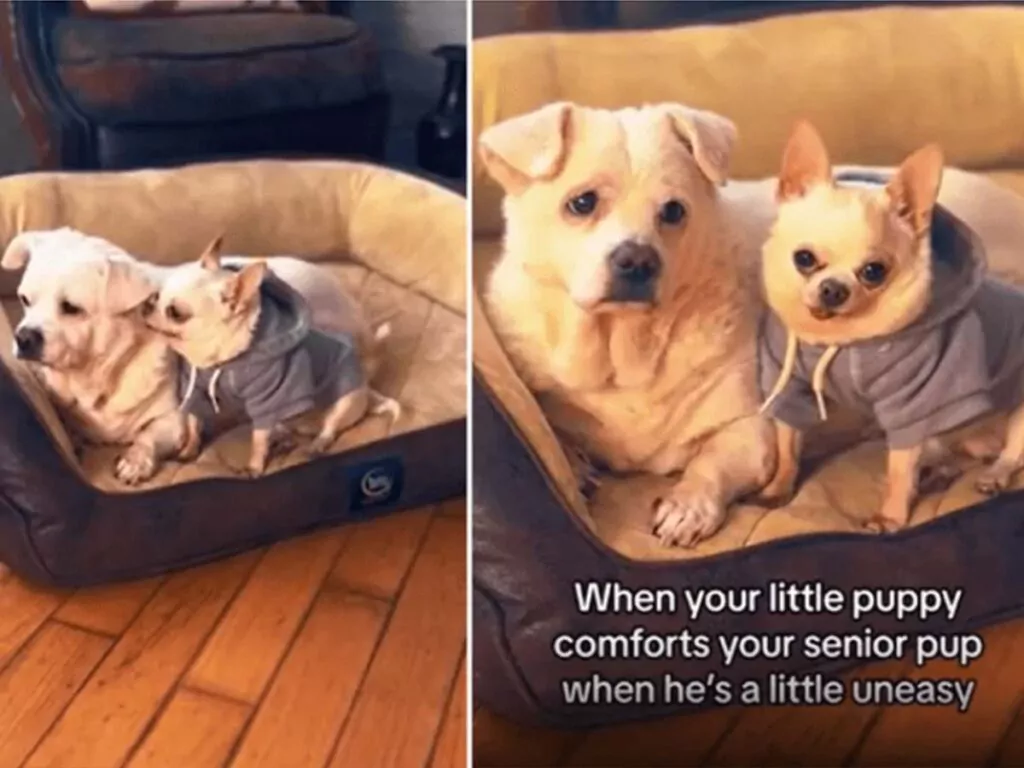
    Allow us to introduce you to Huang’er, a venerable 17-year-old senior dog, and his spirited Chihuahua sibling, Toby. At just 7 years of age, this pup went viral on TikTok as the adorable Chihuahua comforting his older bro. Despite their disparity in age and vigor, their bond transcends boundaries that we can’t wait to show you.

    https://www.tiktok.com/@teenytoby/video/7322997416494681390

    When Chihuahua Comforting Gets Real

    In a moment of tender vulnerability, Huang’er found solace in Toby’s unwavering presence when gripped by an episode of anxiety. With an innate sense of empathy, Toby rushed to his side, offering silent solace and companionship to his elder brother.

    Their adorable exchange, immortalized in a captivating video shared by their devoted owner, Hannah Moosvi, swiftly captured the hearts of viewers on Toby’s TikTok.

    The video’s virality, accruing thousands of views and likes, bears testimony to the universal resonance of their bond, transcending geographical and cultural boundaries.

    Despite initial reservations from Huang’er upon Toby’s introduction to the family, the passage of time has fostered an unbreakable bond between the two canine comrades.

    Originating from Beijing, Huang’er embarked on a transformative journey, finding sanctuary and companionship within the confines of his New Jersey home.

    Despite the inevitable ravages of time on Huang’er’s aging frame and declining health, Toby remains a steadfast source of comfort and reassurance. He never shies away from unwavering support during moments of distress and discomfort.

    Do Senior Pups & Younger Ones Get Along?

    You might wonder if mixing a spry young pup with a seasoned senior dog is a recipe for chaos or harmony. According to the wise folks at the American Kennel Club, it’s all about striking the right balance.

    They suggest that a dose of patience, heaps of understanding, and making sure each dog has its own time to shine and space to relax is crucial for a peaceful home.

    Huang’er and Toby’s story is a perfect example of how, with the right approach, senior and younger dogs can not only coexist but thrive together.

    Their relationship is a testament to the incredible impact of empathy and the deep bonds of friendship that can develop, breaking through the barriers of age.

    Huang'er and Toby, the Chihuahua comforting his older brother
    Huang’er and Toby, the Chihuahua comforting his older brother

    Making a Happy Home for Both Dogs

    So, how do you ensure your elder pooch and their younger sibling live in harmony? Here are some tips:

    • Introduce Slowly: Give your senior dog time to adjust to their new housemate. Gradual introductions can help prevent any initial tension.
    • Respect Their Space: Ensure each dog has their own retreat—a comfy bed or a favorite spot to unwind alone.
    • Tailored Activities: Craft activities that cater to both their energy levels. While the younger ones might need more playtime, older dogs appreciate gentler, shorter walks.
    • Individual Attention: Spend quality time with each dog individually to prevent jealousy and strengthen your bond with both.
    • Monitor Health: Keep a close eye on your senior dog’s health. The arrival of a younger, energetic companion can be both stimulating and stressful.
    • Training and Socialization: Teaching your young pup good manners around their older sibling is key. Socialization classes can also help younger dogs learn how to interact appropriately.

    In the end, Toby’s gentle comforting of Huang’er shows that, despite potential hurdles, the joy and companionship younger dogs bring into the lives of their older bros can be profound.

    It’s all about giving them the chance to understand each other, underpinned by your unwavering love and support.

    Wrapping Up

    At the end of the day, Toby and Huang’er’s story isn’t just cute content for your TikTok feed—it’s a heartwarming reminder of the timeless connection that dogs share, regardless of their age.

    This dynamic duo illustrates that, with a little understanding and a lot of love, senior pups and their younger pals can bring out the best in each other.

    So, whether you’re contemplating adding a lively youngster to your pack or you’re navigating the golden years of your furry family member, remember that patience, space, and individual care are your best friends.

    Cheers to every snuggle, every playful bark, and every quiet moment of companionship—they’re what make the pet parenting journey truly special.

  • Chihuahua Chaos on United Flight: A Travel Alert

    Chihuahua Chaos on United Flight: A Travel Alert

    Chihuahua chaos on United Flight turned a routine United Airlines journey from Denver to Portland into an unforgettable episode for passengers and crew. This incident not only disrupted the flight but also sparked a broader conversation about pet travel policies and responsibilities aboard commercial airlines.

    The BTS of Chihuahua Chaos on United Flight

    On a seemingly ordinary flight, a passenger decided to let her Chihuahua out of its carrier, contrary to United Airlines’ clear guidelines. The consequences of this decision were immediate and unpleasant.

    The Chihuahua defecated on the seat, covering both the seat and the owner in feces. This incident quickly turned from a minor inconvenience to a major disturbance, affecting passengers nearby and necessitating a response from the flight crew.

    Key points from the incident include:

    • Violation of Airline Policy: The passenger ignored United Airlines’ rules that require pets to remain in their carriers unless they are service animals.
    • Immediate Impact: The Chihuahua’s defecation led to discomfort and health concerns, particularly affecting a pregnant woman seated nearby.
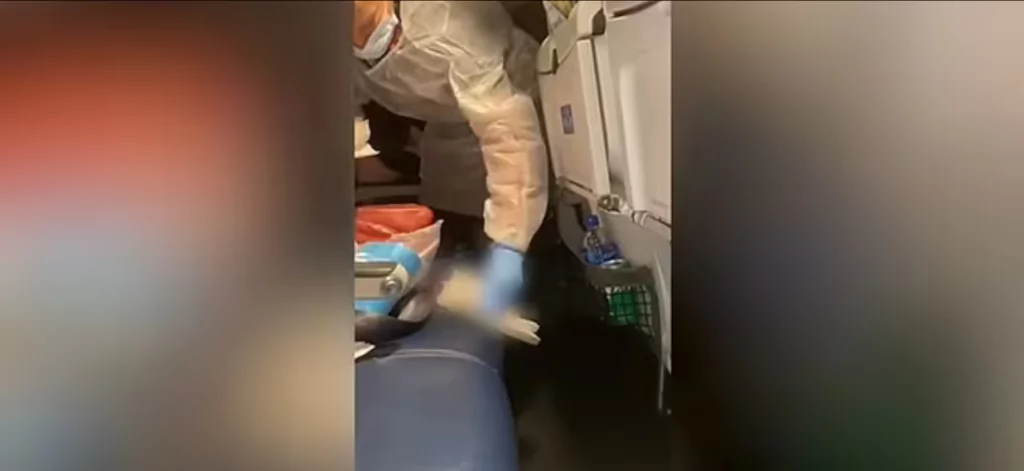
    • Response Effort: Flight attendants, equipped with hazmat suits, undertook the clean-up, while passengers were provided with sanitizing wipes and compensation based on their MileagePlus elite status.

    Analyzing the Aftermath

    This incident raises several questions about responsibility and airline policy enforcement. The dog’s owner admitted to a lack of preparation, having had no time to take the Chihuahua to a relief area during a layover.

    However, this does not excuse the lack of initiative to manage the situation post-incident. The reaction from fellow passengers was mixed, with some showing understanding towards the accidental nature of the event.

    They suggested that accidents do happen, and others questioned the adequacy of current policies to prevent such occurrences.

    United Airlines responded by stating their crew acted promptly to address the situation, offering sanitizing wipes and travel vouchers to affected passengers.

    The airline’s rules are explicit about pet carriage, highlighting the necessity for all pets, barring service animals, to remain in their carriers throughout the flight.

    This incident is a learning opportunity for both airlines and passengers. It highlights the need for stricter enforcement of pet policies and perhaps a review of how pets are accommodated during flights.

    Chihuahua Chaos on United Flight, illustrated by personnel dealing with the issue
    Chihuahua Chaos on United Flight, illustrated by personnel dealing with the issue

    Future Travels Checklist

    For passengers, it’s a stark reminder of the responsibilities of pet ownership, especially in public and regulated spaces like aircraft.

    For future travels, consider the following recommendations:

    • Adherence to Airline Policies: Always follow the airline’s guidelines regarding pet travel to avoid similar incidents.
    • Preparation for Pet Needs: Ensure pets have adequate relief opportunities before and during travel, considering layover durations.
    • Personal Responsibility: Be prepared to manage your pet’s needs and any potential accidents, carrying necessary supplies for clean-up.

    This incident underscores the need for a balanced approach, where both airlines and passengers play their part in ensuring a comfortable and incident-free journey.

    For airlines, this might be an opportunity to reassess and possibly enhance their pet travel policies. Could there be more explicit communication at the time of booking for passengers traveling with pets?

    Are there additional measures that can be implemented to ensure pets have the opportunity for relief on longer flights, or during layovers, without causing inconvenience to other passengers?

    Wrapping Up

    This incident also brings to light the broader implications of pet travel in an increasingly pet-friendly world. As more individuals choose to travel with their pets, the need for clear, enforceable, and universally understood policies has never been more critical.

    It also emphasizes the importance of preparation and responsibility on the part of pet owners. Ensuring your pet is comfortable and prepared for travel can prevent such incidents, making the journey more pleasant for everyone involved.

    Lastly, the community’s role in responding to and understanding such incidents cannot be understated. Compassion, patience, and a willingness to help can significantly mitigate the impact of unforeseen events.

    As we move forward, fostering a culture of preparedness, responsibility, and understanding among all travelers—pet owners and non-pet owners alike—will be key to navigating the complexities of modern air travel.

  • Man Hospitalized By a Rare Bug Caught From Chihuahua

    Man Hospitalized By a Rare Bug Caught From Chihuahua

    A chilling medical emergency unfolded in the Canary Islands when a 71-year-old man was hospitalized due to a rare bug caught from Chihuahua. This alarming incident brings to the forefront the hidden risks associated with close contact between pets and their owners, particularly highlighting the dangers that even a simple lick can pose.

    How the Man Was Hospitalized with Severe Illness

    The man’s health ordeal began with symptoms that initially seemed benign—days of diarrhea and a high fever.

    However, these symptoms were precursors to a much more severe condition that led to his hospitalization at Hospital Nuestra Señora de Guadalupe in La Gomera.

    Despite having no apparent injuries like bites or scratches from his dog, the man’s situation escalated rapidly, necessitating the use of an oxygen mask for breathing support.

    What was striking about this case was the diagnosis: pneumonia complicated by septic shock, a severe response to infection not commonly seen in pet-related transmissions.

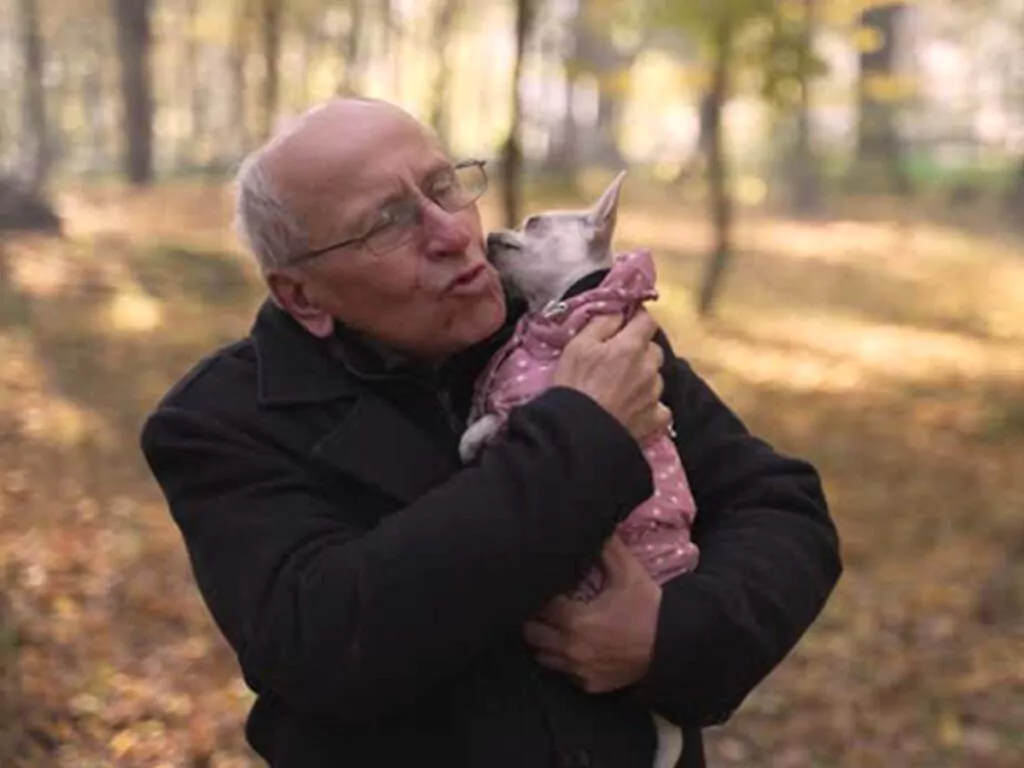
    Rare bug caught from Chihuahua, illustrated by an old man holding a female pup
    Rare bug caught from Chihuahua, illustrated by an old man holding a female pup

    This was further complicated by his pre-existing health conditions, including type 2 diabetes, high blood pressure, and lung disease, which likely exacerbated his vulnerability to infections.

    Following an intense three-week hospital stay involving oxygen therapy and daily antibiotic treatments, the man embarked on a lengthy recovery process.

    His ordeal, which spanned six months post-discharge, underscores the need for awareness and preventive measures in pet ownership to mitigate the risk of similar infections.

    What Is Pasteurella Multocida?

    The key to understanding the man’s critical condition was the identification of Pasteurella multocida in his bloodstream.

    Typically associated with soft-tissue infections from animal bites or scratches, the occurrence of pneumonia from this bacterium is notably rare, making this case particularly unusual.

    This incident serves as a cautionary tale about the risks of seemingly innocuous pet interactions, such as sharing a bed, kissing, or being licked by pets.

    These behaviors, while often signs of affection, can inadvertently expose individuals to pathogens with the potential to cause serious health issues.

    How to Know You’re at Risk

    Understanding the risks associated with Pasteurella Multocida, a bacterium commonly found in the mouths of pets like dogs and cats, is crucial for preventing infections that could lead to serious health complications.

    While anyone can potentially be infected, certain conditions and behaviors increase the risk:

    1. Close Contact with Pets: Regularly kissing your pets or allowing them to lick your face, especially near your mouth, nose, or open wounds, significantly raises the risk of transmission.
    2. Pre-existing Health Conditions: Individuals with weakened immune systems, chronic illnesses such as diabetes or lung diseases, or those undergoing treatments that suppress the immune system are at a higher risk.
    3. Recent Wounds: Having recent scratches, bites, or open wounds increases the likelihood of bacteria entering the bloodstream, making it imperative to treat and cover any injuries promptly.
    4. Lack of Pet Hygiene: Not maintaining regular dental care and check-ups for your pets can contribute to the prevalence of harmful bacteria in their mouths.
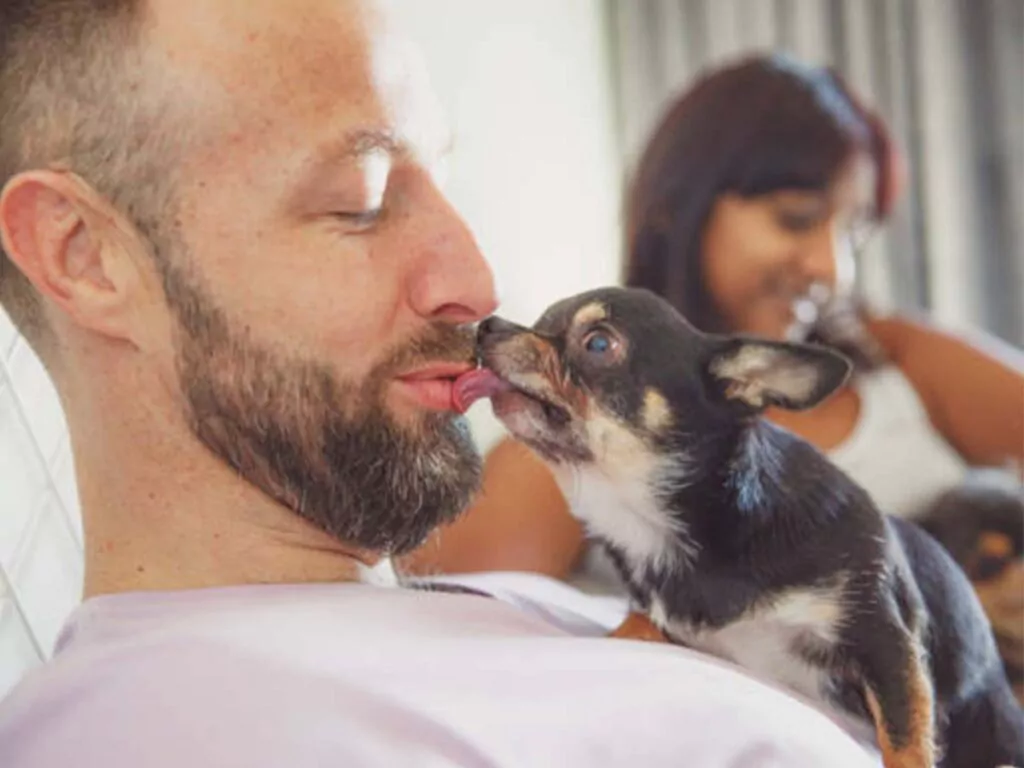
    Rare bug caught from Chihuahua can be most easily transmitted by mouth licks, as shown in the image
    Rare bug caught from Chihuahua can be most easily transmitted by mouth licks, as shown in the image

    To mitigate the risk, it’s advisable to maintain good hygiene practices for both you and your pets.

    Regular handwashing after handling pets, ensuring wounds are cleaned and covered, and avoiding face-to-face contact can significantly reduce the likelihood of infection.

    Additionally, keeping up with your pets’ vaccinations and health check-ups helps to monitor and manage the bacteria they may carry.

    Awareness and preventive measures are key to enjoying a healthy life with your pets while minimizing the risk of encountering rare but potentially severe infections like those caused by Pasteurella Multocida.

    Wrapping Up

    The story of the man’s battle with a rare bug caught from Chihuahua serves as a vital reminder of the balance needed between showing affection to our pets and maintaining our health and safety.

    It highlights the importance of being mindful of our interactions with pets and the potential health risks they carry.

    By fostering a greater understanding of these risks and adopting safer practices, we can enjoy the companionship of our pets without compromising our health.

    This case, now documented in the journal Respiratory Medicine Case Reports, is a testament to the unpredictable nature of pet-related health risks and the resilience of those affected by them.

  • Tiny Umbrella Trend Takes Internet by Storm

    Tiny Umbrella Trend Takes Internet by Storm

    When the skies open up and rain starts to fall, dog owners everywhere brace themselves for the inevitable struggle of coaxing their pets outdoors. But for those in the know, there’s a secret weapon in the battle against the elements: the tiny umbrella.

    It’s a familiar scene: the pitter-patter of raindrops against the windowpane, the reluctant shuffle of paws, and the pleading eyes of a dog who would much rather stay inside.

    This ingenious solution has turned rainy day woes into a thing of the past for savvy pet owners, offering a ray of hope amidst the downpour.

    Turning Rainy Days into Fun Adventures

    However, one dog owner managed to turn this dreary experience into a delightful adventure for both themselves and their pet. Meet Minion, a 10-year-old pug, dachshund, and Chihuahua mix. Minion’s owner found a creative solution to tackle the rainy day blues.

    A TikTok video posted by the account @oneandonlyminion quickly captured viewers’ attention. The video showcased Minion braving the rain in his backyard, sporting a puffy rain jacket.

    However, what caught everyone’s eye was the tiny umbrella attached to a wooden stick that Minion held in his mouth. The umbrella perfectly covered his head, allowing him to trot around the yard as if he owned the place.

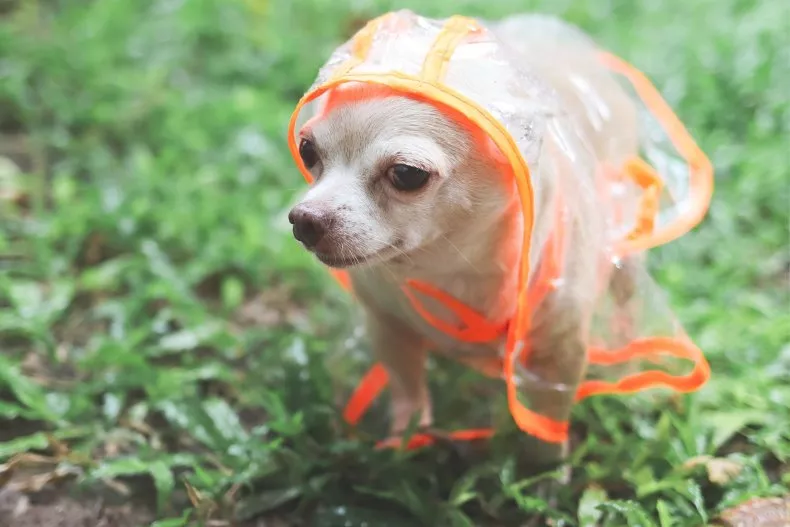
    Chihuahua wearing a raincoat. A TikTok video of a dog with a tiny umbrella has gone viral.
    Chihuahua wearing a raincoat. A TikTok video of a dog with a tiny umbrella has gone viral.

    Tiny Umbrella – The Viral Sensation

    The video quickly went viral, garnering over 1.1 million views, 141,900 likes, and 1,044 comments. Viewers were struck by the ingenuity of this dog hack and couldn’t help but admire Minion’s adorable demeanor as he strutted around with his makeshift umbrella.

    While Minion’s umbrella hack may not be feasible for every dog owner, there are still ways to encourage your furry friend to brave the elements.

    • Create a Designated Bathroom Area: Clear a specific area in your yard or take your dog to the same spot every time they need to go potty. This helps them associate that area with bathroom breaks.
    • Dress Your Dog Appropriately: Invest in sweaters, boots, or rain jackets to keep your dog warm and dry during inclement weather. This can make the outdoor experience more comfortable for them.
    • Positive Reinforcement: Reward your dog for going to the bathroom outside, especially in bad weather. Use treats or praise to make it a positive experience, encouraging them to repeat the behavior.

    Understanding Your Dog’s Needs

    Understanding why your dog may be reluctant to venture outdoors during bad weather is crucial for effective problem-solving. Several factors influence their behavior, each deserving careful consideration:

    • Personality: Dogs, like people, have distinct personalities that shape their responses to various situations. An outgoing, adventurous dog may eagerly brave the rain, while a more timid or anxious dog may need extra encouragement.
    • Size: Size matters when it comes to weather tolerance. Smaller dogs with less body mass may feel the cold more intensely and may require additional protection, such as sweaters or jackets, to stay warm and comfortable.
    • Age: Age plays a significant role in a dog’s ability to tolerate adverse weather conditions. Puppies and senior dogs are often more sensitive to extreme temperatures and may require special attention during inclement weather.
    • Coat Type: The type and length of your dog’s coat can impact their tolerance for rain and cold. Breeds with thick, double coats may fare better in wet weather than those with short, single-layered coats. Additionally, some breeds have water-resistant coats that naturally repel moisture.

    By considering these factors and tailoring your approach to suit your dog’s needs, you can help them feel more comfortable and confident outdoors, regardless of the weather.

    Dogs with smaller paws and thin coats may be particularly sensitive to cold temperatures. It’s essential to consider their comfort and provide appropriate clothing if needed.

    Wrapping Up

    Some dogs may have a dislike for rain or snow, which may make them aggressive. Patience and consistency are key when training them to go outside in bad weather.

    With time and positive reinforcement, most dogs can learn to tolerate and even enjoy their outdoor bathroom breaks, rain or shine.

    By implementing these strategies, you can help your furry companion conquer their fear of bad weather and ensure that they stay happy, healthy, and comfortable all year round.