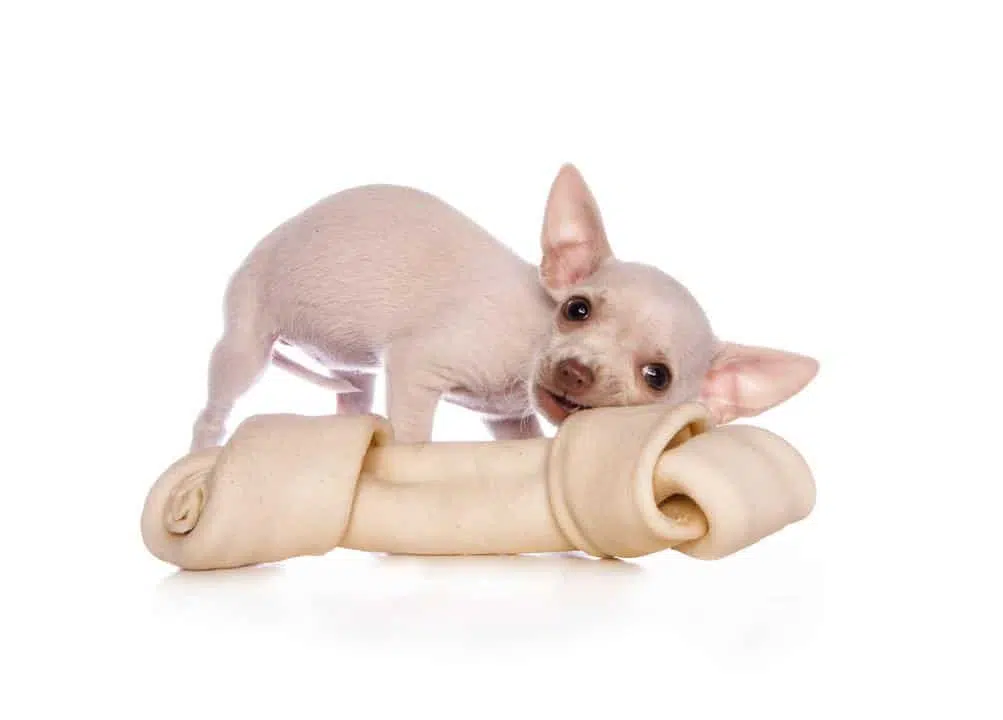


Can owning a chihuahua cure asthma? No. A dog cannot cure asthma, and no breed of dog can pull the disease out of a person, absorb it, or carry it away. I know that is not the answer anyone hoping for an easy fix wants to hear, so let me explain where this stubborn little myth comes from, what the research actually says about pets and asthma, and how to make a smart decision if you love chihuahuas and someone in your home wheezes.
First, the plain-English version of what asthma is. Asthma is a chronic inflammatory condition of the airways, the bronchial tubes that carry air in and out of the lungs. In a person with asthma, those airways are oversensitive. When they meet a trigger, they swell, tighten, and produce extra mucus, which is what causes the wheezing, chest tightness, coughing, and shortness of breath. It is a long-term condition that gets managed, not erased.
Where the chihuahua myth comes from
The belief usually shows up in one of two flavors. In the first, the chihuahua simply takes the asthma out of the home, the way a folk charm might. In the second, the dog soaks up the illness from its person, starts coughing and wheezing itself, and one day coughs the disease away. Both versions get passed around as family wisdom, sometimes attached to a story that the Aztecs revered these little dogs as healers.

There is a more down-to-earth reason the rumor latched onto this particular breed. Chihuahuas are a toy breed, and toy breeds are prone to a condition called tracheal collapse, in which the windpipe softens and flattens, producing a honking, wheezy cough that sounds remarkably like a person struggling to breathe. To a worried family, a wheezing dog in the house can look like proof that the animal is doing the breathing work for them. It is a coincidence of sound, not a transfer of disease. For the record, asthma is not contagious, and it does not pass from a human to a dog or from a dog to a human.
What the research actually says about pets and asthma
Here is the part worth slowing down for, because the truth is more interesting than the myth.
For someone who already has asthma and is allergic to dogs, a dog is a trigger, not a treatment. The allergen is not the fur. It is proteins found in dander, saliva, and urine, which is why no dog is truly hypoallergenic, chihuahuas included. A short single coat may shed less visible hair, but it does not stop the dog from producing the proteins that set off sensitive airways. If a person is sensitized, exposure can make symptoms worse, not better.
The picture for babies and young children is genuinely more mixed, and this is probably where some of the hope behind the myth comes from. A body of research, including work from the U.S. National Institute of Allergy and Infectious Diseases, has explored the idea that early-life exposure to pets and household microbes may shape how a developing immune system responds to allergens, and some studies have associated early dog exposure with a lower risk of later allergy or wheeze. Other studies have found no benefit, or even higher sensitization in children already at risk. The honest summary is that the evidence is mixed and far from a recommendation to acquire a dog as a preventive, let alone a cure. You can read the agency overview here: NIAID on asthma.
So the takeaway is twofold. Bringing a dog into the home will not cure existing asthma. And while early childhood pet exposure is an area of real scientific interest, the research is not settled enough to treat a chihuahua as a medical intervention.
Sensible guidance if you love chihuahuas and someone wheezes
None of this means a person with asthma can never share a home with a dog. Plenty do, comfortably. It means going in with clear eyes and a plan. A few practical steps:
- Get tested first. Ask the affected person's doctor or allergist about allergy testing for dog dander before adopting. Knowing whether someone is sensitized changes everything.
- Try before you commit. If possible, spend extended time around chihuahuas and watch for symptoms before bringing one home for keeps.
- Keep the bedroom a dog-free zone. The myth says the dog should sleep on the chest. The medicine says the opposite: the person with asthma usually does best with a pet-free sleeping space.
- Manage the dander load. Bathe and groom the dog regularly, vacuum with a HEPA filter, wash bedding often, and consider an air purifier in shared rooms.
- Keep the human treatment plan intact. A dog is never a substitute for prescribed controller and rescue inhalers or an asthma action plan.
If you are worried about your chihuahua's own honking cough, that is a separate and legitimate question. A persistent cough, breathing that looks labored at rest, gums that turn blue or grey during a coughing fit, or fainting after coughing all warrant a call to your veterinarian, ideally within 24 hours. Your dog is not absorbing anyone's asthma, but a toy breed with a chronic cough deserves a proper workup.
The bottom line
The good news is that asthma is highly manageable with modern care, and many people live full, active lives with it. The bad news, if you came here hoping otherwise, is that a chihuahua is not part of the treatment. Love the breed for the right reasons: they are devoted, portable, and full of personality. Just do not ask them to do a job that belongs to an inhaler and a good care team.
Asthma is a medical condition that deserves medical management. If you or someone in your home has asthma, or you suspect it, please talk to a doctor or allergist about a proper diagnosis and treatment plan. That is the step that actually helps you breathe easier.
Health at a Glance: What to Watch monitor_heart
| Condition | Key Signs | Prevention Tips |
|---|---|---|
| Dental Disease | Bad breath, tartar, red gums | Daily brushing, dental treats |
| Patellar Luxation | Limping, skipping, leg lifting | Weight control, avoid high jumps |
| Tracheal Collapse | Dry cough, gagging | Harness walking, avoid smoke |
| Heart Disease | Coughing, fatigue, fainting | Regular check-ups, heart-healthy diet |
| Hypoglycemia | Shaking, weakness, lethargy | Small, frequent meals |
Community Insights – FAQ help
help_outline When should I call my vet about a behavior change? expand_more
Sooner than feels reasonable. A change in appetite, energy, or routine that lasts more than 48 hours is worth a phone call, not a wait-and-see.
help_outline How often should a healthy adult chihuahua see the vet? expand_more
Once a year through age seven. Twice a year from eight on. Dental checks are part of every visit.
help_outline Do chihuahuas need different care than larger breeds? expand_more
Yes. Smaller medication dosing, more frequent dental work, and closer monitoring for tracheal and patellar issues are standard in toy-breed care.
Have a health question? Ask your question in the comments. We will bring it up with the vet team.
favorite