

Why does my Chihuahua always look like she has been crying? If your Chihuahua has wet fur in the inside corners of her eyes, or rusty reddish-brown streaks running down toward her muzzle, you are almost certainly looking at tear staining, not actual tears. Dogs do not cry the way we do. What you are seeing is overflow: tears that should drain away quietly are instead spilling onto the face. The good news is that for many Chihuahuas, this is a cosmetic problem tied to the shape of their adorable little faces. The not-so-good news is that sometimes it points to something your veterinarian needs to look at.
Let me walk you through what is actually happening, why this breed is so prone to it, and how to tell the harmless version from the version that needs a vet visit.
What tear staining actually is
Every healthy eye makes a thin film of tears to stay lubricated. Those tears normally drain through tiny openings in the inner corner of the eye called puncta, then down a channel called the nasolacrimal duct, and out into the nose. That is why your nose runs when you cry. When tears cannot drain on schedule, they pool and overflow onto the fur. This overflow is called epiphora, which is just the medical word for a watery, overflowing eye.
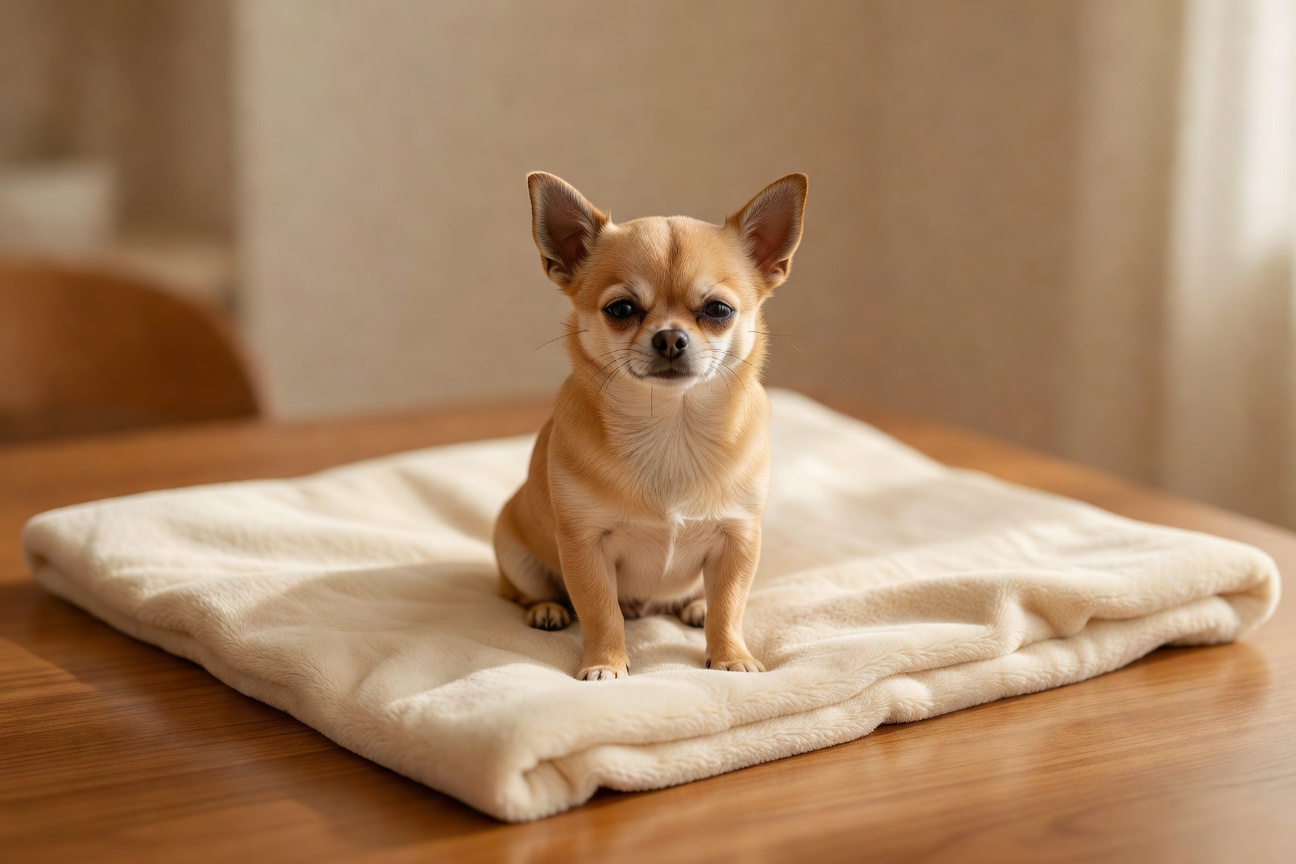
The reddish color comes from a compound called porphyrin, a pigment found in tears and saliva. Porphyrin turns rust-colored when it sits on light fur and is exposed to air and sunlight. So a pale Chihuahua will show staining far more dramatically than a dark one, even when both are making the exact same amount of tears.
Why Chihuahuas are especially prone to it
Chihuahuas come by watery eyes honestly. A few breed-specific traits stack the deck:
- Big eyes in a small face. Chihuahuas have large, round, somewhat prominent eyes. More exposed eye surface means more tear production and more chance for tears to escape before they drain.
- Shallow eye sockets. The bony socket that cradles the eye is shallow in this breed. When the eye sits more forward, tears tend to roll over the lower lid instead of funneling neatly into the drainage puncta.
- Small or shallow tear ducts. The drainage channels themselves are narrow in many toy breeds, so they clog or back up more easily.
None of those traits are something you did wrong, and a Chihuahua born with the plumbing for overflow is not necessarily an unhealthy dog. But the same anatomy that makes mild staining common also makes it worth knowing the other causes, because some of them are very treatable.
The other common causes
If your Chihuahua's eyes are watering more than usual, or the staining showed up suddenly, run through this list with your veterinarian in mind:
- Blocked or underdeveloped tear ducts. A duct can be clogged by debris or simply be too narrow from birth. Tears that cannot drain go straight to the cheek.
- Allergies and irritants. Pollen, dust, mold, smoke, perfumes, and even a freshly cleaned floor can irritate sensitive eyes and crank up tear production. Food sensitivities can do it too. Allergic watering often comes with itching, sneezing, or face-rubbing.
- Teething. Puppies often have a phase of extra tearing while adult teeth push through, roughly between three and seven months. The roots of the upper teeth sit close to the tear ducts, so a little overflow during teething is usually temporary.
- Eye infections. Bacteria, viruses, or even shampoo in the eye can trigger infection, and infected eyes water, get goopy, and look red.
- Ingrown or misdirected lashes. Some dogs grow lashes that point inward and brush the eye surface. Vets call this distichiasis or, when lashes emerge through the inner lid, ectopic cilia. A related problem, entropion, is when the eyelid itself rolls inward so normal lashes and fur scrape the eye. All of these are mechanical irritation, and all of them make the eye water in self-defense.
How to clean and manage tear stains safely
If your veterinarian has ruled out an underlying problem and you are dealing with plain cosmetic staining, gentle daily maintenance is your best tool. The goal is to keep the area clean and dry so porphyrin does not have time to set.
- Wipe twice a day. Use a soft cloth or a cotton pad dampened with plain warm water, and gently clean the inner corners and any wet fur. Wiping away fresh tears before they oxidize is the single most effective thing you can do.
- Keep the fur short. Long hair around the eyes wicks tears across the face and traps moisture. Ask your groomer to keep that area trimmed, or have your veterinarian show you how to do it safely.
- Dry the area. A damp, warm crease of skin is where yeast and bacteria thrive, which can add a brown, smelly tint of its own. Pat the area dry after cleaning.
- Check the water and bowls. Some pet parents find that switching to filtered water and trading plastic bowls for stainless steel or ceramic helps, since scratched plastic harbors bacteria. The evidence here is more anecdotal than ironclad, but these are low-risk changes.
- Be careful what you put near the eyes. Skip homemade bleaching tricks, hydrogen peroxide, and over-the-counter stain removers that contain antibiotics. Giving antibiotics for a cosmetic problem is exactly the kind of thing that drives drug resistance, and the FDA has not approved tear-stain products that contain them. When in doubt, plain water and a clean cloth.
For an even-handed overview of staining and the products marketed for it, the American Kennel Club has a helpful plain-English guide.
When to call your veterinarian
Cosmetic staining can wait for your next regular visit. These signs cannot. Call your veterinarian, ideally within 24 hours, if you notice:
- Squinting or holding one eye shut
- Thick, colored, or pus-like discharge rather than clear tears
- Redness, swelling, or a visibly irritated eye surface
- Pawing or rubbing at the eye, or rubbing the face along the floor
- Cloudiness, a change in eye color, or pupils that look different sizes
- Any sign of eye pain, such as sensitivity to light
A painful or suddenly watery eye is one of the situations where waiting can cost vision. Conditions like corneal ulcers, glaucoma, and untreated entropion can damage the eye quickly, and they are far easier to treat early. Your veterinarian can do a quick, painless tear test and a stain test to find out whether the eye surface is scratched, and decide whether you are dealing with a drainage problem, an infection, or something structural.
For a deeper look at the medical causes of a watery eye, the veterinary team at VCA Animal Hospitals has a thorough explainer on epiphora in dogs.
The bottom line
Watery eyes and tear stains are extremely common in Chihuahuas, and a lot of the time the cause is simply the lovely, big-eyed, shallow-socketed face your dog was born with. Gentle daily cleaning, short fur around the eyes, and a little patience will manage most of it. What you want to stay alert for is change: a stain that suddenly worsens, an eye that starts to squint, or discharge that turns thick and colored. Those are your cues to stop wiping and start dialing.
Vet note: This article is here to help you understand what you are seeing and ask better questions, not to diagnose your individual dog. If your Chihuahua's eyes are watering more than usual, or you spot any of the red-flag signs above, talk to your veterinarian. An empowered pet parent who knows what to watch for is the best advocate a Chihuahua can have.
Health at a Glance: What to Watch monitor_heart
| Condition | Key Signs | Prevention Tips |
|---|---|---|
| Dental Disease | Bad breath, tartar, red gums | Daily brushing, dental treats |
| Patellar Luxation | Limping, skipping, leg lifting | Weight control, avoid high jumps |
| Tracheal Collapse | Dry cough, gagging | Harness walking, avoid smoke |
| Heart Disease | Coughing, fatigue, fainting | Regular check-ups, heart-healthy diet |
| Hypoglycemia | Shaking, weakness, lethargy | Small, frequent meals |
Community Insights – FAQ help
help_outline When should I call my vet about a behavior change? expand_more
Sooner than feels reasonable. A change in appetite, energy, or routine that lasts more than 48 hours is worth a phone call, not a wait-and-see.
help_outline How often should a healthy adult chihuahua see the vet? expand_more
Once a year through age seven. Twice a year from eight on. Dental checks are part of every visit.
help_outline Do chihuahuas need different care than larger breeds? expand_more
Yes. Smaller medication dosing, more frequent dental work, and closer monitoring for tracheal and patellar issues are standard in toy-breed care.
Have a health question? Ask your question in the comments. We will bring it up with the vet team.
favorite