
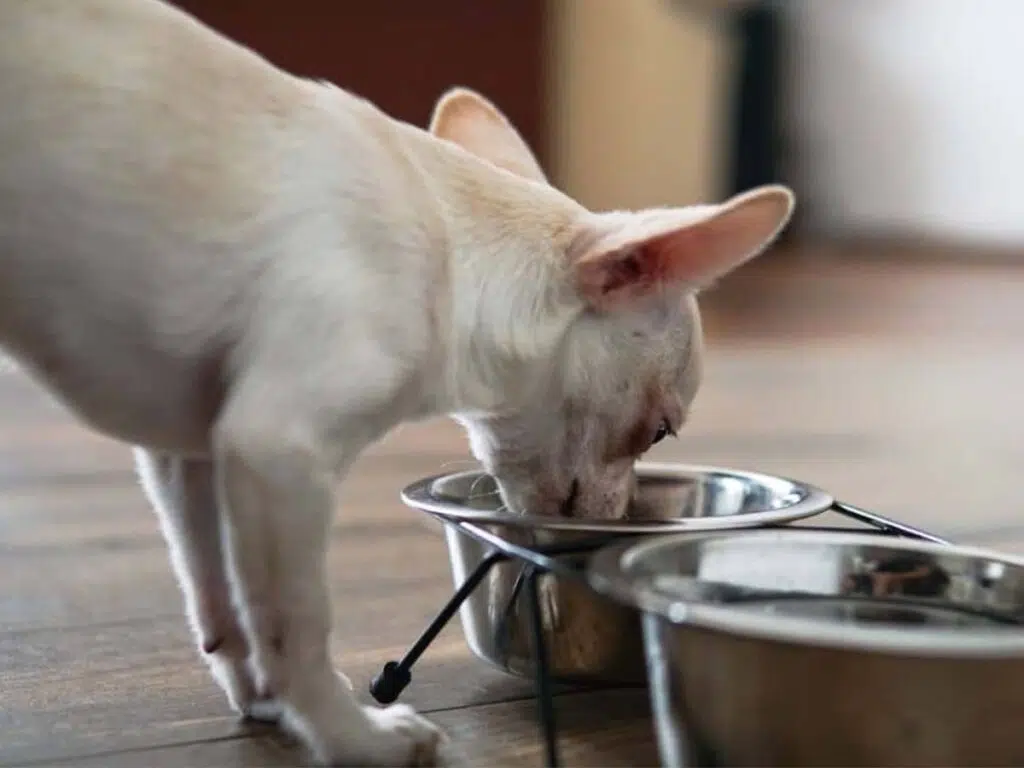
Why is my Chihuahua not eating? In most cases the answer is something minor and short-lived, like a stressful day or a meal they have simply decided is beneath them. But a Chihuahua who refuses food for more than a day deserves your attention, because in a dog this small, a skipped meal carries more weight than it would in a Labrador. Let me walk you through what is usually going on, how to tell ordinary pickiness from a real warning sign, and exactly when to call your veterinarian.
First, a quick reframe. The clinical term for not eating is anorexia, which simply means a loss of appetite. It is a symptom, not a diagnosis. Your job is not to figure out the exact cause at home. Your job is to notice the pattern, support your dog safely, and know when the situation has crossed from annoying to urgent.
The common, lower-stakes reasons
Most appetite dips trace back to one of a handful of everyday causes. Here are the ones I see most often in toy breeds:

Mouth and dental pain. This is the cause owners overlook the most. Chihuahuas have full-sized teeth packed into a tiny jaw, which makes them especially prone to crowding and periodontal disease. Roughly 80 percent of dogs show signs of dental disease by age three, and small breeds are over-represented (American Veterinary Medical Association). A painful tooth, an abscess, or inflamed gums can make chewing genuinely hurt. If your dog approaches the bowl eagerly, then backs off, drops kibble, chews on one side, or has notably bad breath, think mouth first.
Nausea and GI upset. Chihuahuas are curious eaters, and a dog who has raided the trash or sampled something off the sidewalk may feel queasy for a day or two. Mild nausea suppresses appetite the same way it does in us. You may also see lip-licking, drooling, or a single episode of vomiting. Most simple stomach upsets settle on their own, but the ones paired with repeated vomiting or diarrhea are a different story, and I will come back to those below.
Stress and routine changes. Dogs are creatures of habit, and the Chihuahua nervous system is finely tuned. A move, a new pet, houseguests, a boarding stay, even rearranged furniture can be enough to put a sensitive dog off food for a meal or two. Car travel adds motion sickness to the mix. These dips usually resolve within a day or so once the environment settles.
Plain pickiness. Sometimes the bad news is that your dog is bored, and the good news is that your dog is bored. A Chihuahua who refuses kibble but happily accepts a piece of chicken is making a culinary statement, not a medical one. Picky eaters are common in small breeds, partly because their tiny calorie needs are easy to meet with treats and table scraps, which then crowds out their actual meals.
The post-vaccination dip. If your dog was recently vaccinated, a quiet 24 to 48 hours with reduced appetite is a recognized, usually mild reaction (VCA Animal Hospitals). It reflects the immune system doing its job. It should be brief and self-limiting. Appetite loss that deepens or lasts beyond two days is no longer a normal vaccine reaction and is worth a call.
The reasons that need a vet, not a wait-and-see
A smaller set of causes are more serious, and they are the reason I never tell an owner to simply wait out a Chihuahua who will not eat. A gastrointestinal obstruction, where a swallowed sock or toy lodges in the digestive tract, is a surgical emergency and is common in dogs who love to chew. Appetite loss can also be the first visible sign of pancreatitis, kidney or liver disease, infection, or other systemic illness, particularly in senior dogs. None of these are things you can diagnose from the couch, and that is fine. You do not need to know which one it is. You need to recognize that the picture has changed and get a professional involved.
The one that makes timing urgent: hypoglycemia
Here is the piece that makes a Chihuahua different from a larger dog. Small breeds, and especially puppies and very small adults, have limited energy reserves. When they stop eating, blood sugar can drop into dangerous territory, a condition called hypoglycemia (Merck Veterinary Manual). The signs to watch for are weakness, wobbliness, trembling, a glassy or disoriented look, and in severe cases, collapse or seizures. This can develop in hours, not days, in a tiny dog or a puppy. If you see those signs, this is an emergency, not a tomorrow problem.
How to tell normal pickiness from a red flag
The single most useful question is this: is your dog acting like themselves in every other way? A dog who skips breakfast but is bright, playful, drinking water, and bouncing around is telling you something very different from a dog who is quiet and flat.
Treat it as ordinary pickiness or a passing dip when:
- Your dog is alert, active, and behaving normally otherwise
- They refuse kibble but will take a favorite food or treat
- The dip lasts a single meal or a few hours and there is an obvious trigger, like travel or a recent vaccine
- There is no vomiting, diarrhea, or sign of pain
Call your veterinarian when you notice:
- No food at all for more than 24 hours, or markedly reduced eating for more than 48 hours
- Lethargy, meaning your dog is very tired and not interested in normal activities
- Vomiting or diarrhea, especially if repeated
- Signs of mouth pain, dropping food, or noticeably foul breath
- Weakness, trembling, wobbliness, or collapse (treat these as an emergency, particularly in a puppy or very small dog)
Practical steps to encourage eating at home
If your dog is otherwise bright and you are in the early, low-stakes window, a few gentle nudges often help. Think of these as encouragement, not a substitute for a vet visit when one is warranted.
- Warm it up. Gently warming food releases its aroma, and dogs eat with their noses first. A few seconds is plenty; check that it is lukewarm, not hot.
- Add something tempting. Stir a spoonful of plain canned food or a little low-sodium broth into the kibble. Many dogs treat the new texture as an upgrade.
- Offer a bland option. Boiled, unseasoned chicken breast with plain white rice is easy on the stomach and appealing to most dogs.
- Shrink the portion and the audience. Offer a small amount in a calm, quiet spot away from other pets. A pressured Chihuahua will not eat. Pick up uneaten food after 15 to 20 minutes rather than leaving it down all day.
- Cut back the extras. If treats and table food have been flowing, pause them. A dog has to be a little hungry to be interested in dinner.
One caution that matters in this breed: do not let a small or young dog go a long stretch with no calories at all while you experiment. If nothing is working and your dog still will not eat, that is your cue to stop troubleshooting and call.
The bottom line
A single skipped meal in a happy, energetic Chihuahua is rarely cause for alarm, and a little kitchen creativity often solves it. But persistent appetite loss is a symptom worth taking seriously, and in a dog this small the clock runs faster. If your Chihuahua will not eat for more than 24 hours, seems unwell in any other way, or shows weakness or trembling, talk to your veterinarian, and do not wait if you are seeing signs of low blood sugar. You know your dog's normal better than anyone, and noticing when that normal slips is exactly how you advocate for them.
Keep reading: Chihuahua Health Problems: 3 Things Every Owner Must Know
Health at a Glance: What to Watch monitor_heart
| Condition | Key Signs | Prevention Tips |
|---|---|---|
| Dental Disease | Bad breath, tartar, red gums | Daily brushing, dental treats |
| Patellar Luxation | Limping, skipping, leg lifting | Weight control, avoid high jumps |
| Tracheal Collapse | Dry cough, gagging | Harness walking, avoid smoke |
| Heart Disease | Coughing, fatigue, fainting | Regular check-ups, heart-healthy diet |
| Hypoglycemia | Shaking, weakness, lethargy | Small, frequent meals |
Community Insights – FAQ help
help_outline When should I call my vet about a behavior change? expand_more
Sooner than feels reasonable. A change in appetite, energy, or routine that lasts more than 48 hours is worth a phone call, not a wait-and-see.
help_outline How often should a healthy adult chihuahua see the vet? expand_more
Once a year through age seven. Twice a year from eight on. Dental checks are part of every visit.
help_outline Do chihuahuas need different care than larger breeds? expand_more
Yes. Smaller medication dosing, more frequent dental work, and closer monitoring for tracheal and patellar issues are standard in toy-breed care.
Have a health question? Ask your question in the comments. We will bring it up with the vet team.
favorite