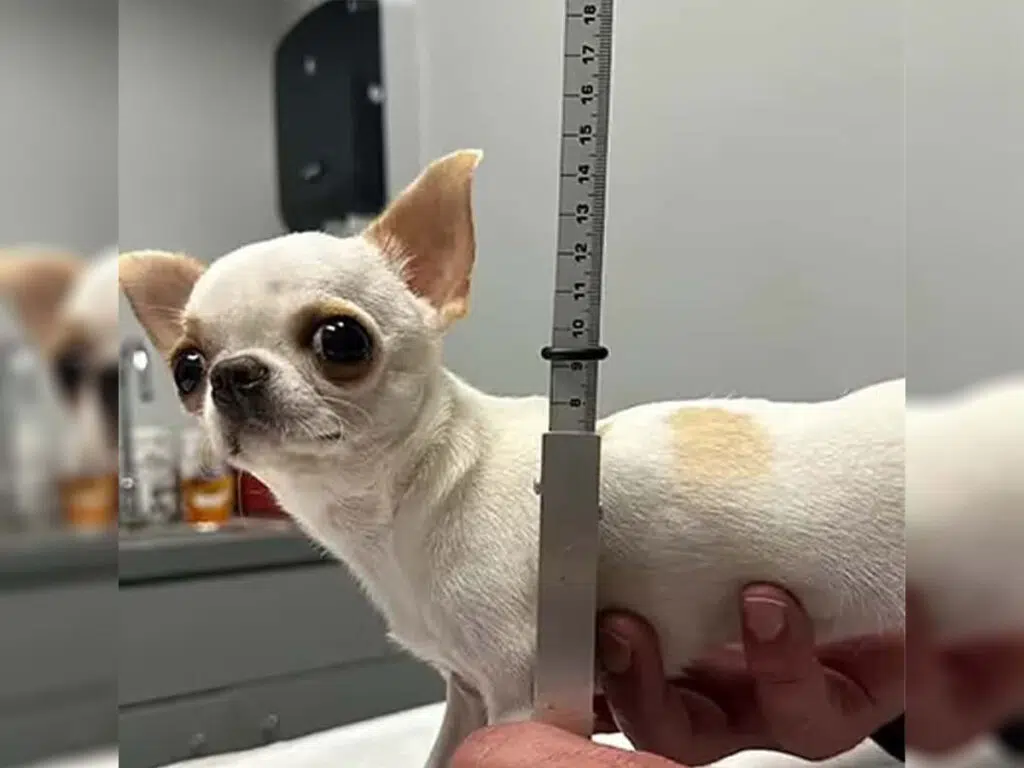


A Chihuahua has reportedly given birth to a litter of around 11 puppies, a count that, if confirmed, would far exceed the one to three puppies the toy breed typically delivers. According to reports circulating online, the dam and her newborns survived the delivery and were said to be doing well in the days that followed.
The figure is striking because of how small the breed is. The American Kennel Club lists the Chihuahua among the smallest dogs in the world, generally weighing under 6 pounds, according to the AKC breed standard. A litter in the double digits is well outside the normal range for a dog that size, which is part of why the report drew attention.
Claims that a litter sets a record are difficult to verify. Guinness World Records does not maintain a routinely published category for the largest Chihuahua litter, and litter counts shared on social media are rarely accompanied by veterinary documentation. For that reason, the number here is best treated as reported rather than confirmed, and the "record" framing should be read with caution.
Why large litters are rare in toy breeds
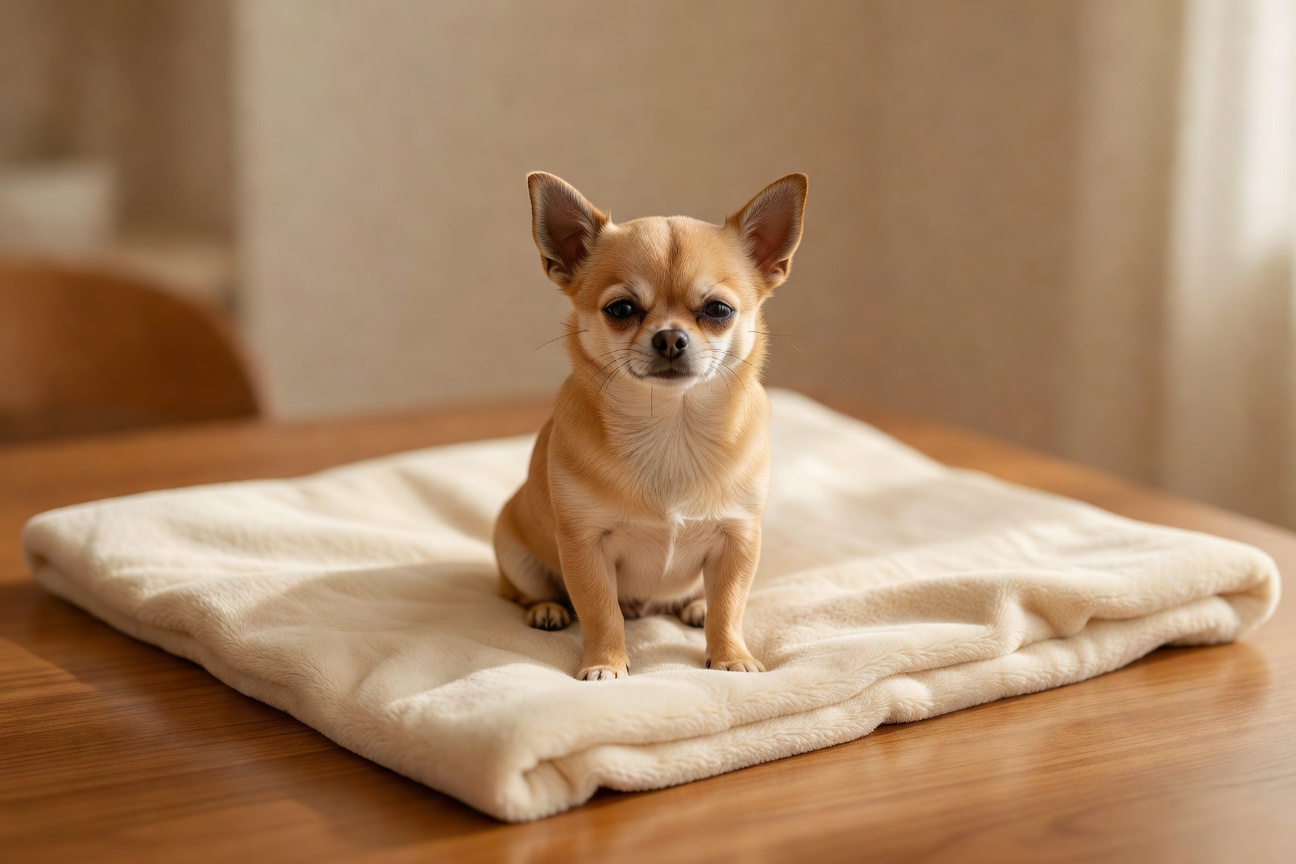
Litter size tends to track with the size of the dog. Small breeds carry fewer puppies, and very small breeds carry the fewest of all. A Chihuahua's body simply does not have much room. The uterus and birth canal are proportionally tiny, which limits how many puppies can develop and, more importantly, how many can pass safely during delivery.
That physical constraint is why a count near 11 is unusual. It is not impossible for a dog to conceive a large litter, but in a breed this small, a high number raises the stakes for both the mother and the puppies. The bigger the litter relative to the dam, the more the pregnancy and birth push against the limits of her anatomy.
There is variation, of course. A dog's age, weight, nutrition and individual genetics all influence how many puppies she carries, and first litters are often smaller than later ones. But across a breed, the averages hold, and for Chihuahuas those averages sit low. A litter reported in the double digits is the exception that gets shared precisely because it is not the rule.
The medical risks behind the headline
Veterinary medicine has a name for difficult birth: dystocia. Toy breeds, including Chihuahuas, are considered at elevated risk for it. The combination of a narrow pelvis, the breed's tendency toward large-headed puppies, and small overall body size means labor can stall in ways that endanger the litter and the dam.
When labor does not progress, a cesarean section is often the outcome. Small breeds account for a meaningful share of canine C-sections, and breeders of toy dogs are frequently advised to plan for the possibility in advance. An emergency surgical delivery carries the usual risks of anesthesia and surgery, compounded by the patient's small size.
The puppies face their own fragility. Newborns in a large toy-breed litter are often very small, and tiny puppies lose body heat quickly, struggle to regulate blood sugar, and can fade in the first days of life. A large litter also means more mouths competing to nurse, which can leave smaller or weaker puppies behind without close human monitoring and, in some cases, supplemental feeding.
Pregnancy itself taxes a small dog. The strain of carrying and delivering a large litter can lead to complications such as eclampsia, a dangerous drop in blood calcium that tends to surface in the weeks of heavy nursing that follow. The dam's recovery, not just the delivery, is part of the medical picture, and a mother nursing 11 puppies is working far harder than one nursing two or three.
None of this means a large litter is doomed. Plenty of toy-breed mothers come through difficult deliveries and raise healthy puppies, especially with veterinary support. The point is that the headline number, the part that makes the story worth sharing, is also the part that should prompt closer care rather than only applause.
What responsible breeding looks like
Stories like this one are easy to read as a feel-good curiosity, and a healthy mother with a thriving litter is genuinely good news. But the same facts that make the count remarkable are the facts that make it risky, and reputable breeders treat toy-breed pregnancies as a medical undertaking rather than a numbers game.
Responsible practice generally includes a pre-breeding veterinary exam, screening for the dam's fitness to carry a litter at all, and prenatal imaging to estimate litter size before whelping. An ultrasound or late-term X-ray that shows a large litter is a signal to prepare for a possible C-section and to have a veterinarian on call for the birth. Health screening of both parents and attention to the dam's age and history are part of the same approach.
The breed's broader context matters too. Chihuahuas are among the most common small dogs surrendered to shelters in parts of the country, particularly the Southwest, where overpopulation has strained rescues for years. A single large litter is a small data point against that backdrop, but it is a reminder that more puppies is not automatically more cause for celebration.
For readers with a pregnant Chihuahua
If you have a pregnant Chihuahua at home, the most useful step is to work with a veterinarian before the due date, not after labor begins. Ask for a prenatal exam and imaging to estimate the litter size, confirm where to take her for an emergency C-section if labor stalls, and learn the warning signs of dystocia: strong contractions for more than 30 minutes without a puppy, more than two hours between puppies, or visible distress in the mother. Keep the whelping area warm and quiet, monitor newborns for steady nursing and weight gain, and call your veterinarian at the first sign that a puppy is cold, limp, or not feeding. Anyone considering breeding a toy dog can find breed-specific health guidance through the AKC and should consult a veterinarian familiar with small-breed reproduction before proceeding.
Sources & Further Reading menu_book
Canine Health Outcomes Institute (2025)
Canine Longevity Study Full Report
View Report arrow_forwardFrequently Asked Questions help
help_outline How do you source your news pieces? expand_more
Every piece names its sources by title and affiliation on first reference. We confirm by phone or email before publication when a story turns on a single account.
help_outline How current is your reporting? expand_more
News pieces are dated and corrected on a rolling basis. The publish date and any updated date appear at the top of the article.
help_outline Can I send you a story tip? expand_more
Tag @ChihuahuaCorner or use the contact form. We follow up on every named lead we can verify.
Stay in the loop Follow the story. We update on the record as new information arrives.
favorite