

A United Airlines flight traveling from Denver to Portland was severely disrupted after a passenger let her Chihuahua out of its carrier, resulting in the dog defecating on a seat, according to statements from passengers and airline spokespersons. The incident has renewed debates regarding commercial pet-travel regulations and owner compliance.
The flight, United Airlines Flight 2052, was midway through its scheduled route when the incident occurred. Flight crew and passengers reported that a passenger bypassed federal aviation rules by removing the small dog from its secure carrier, allowing it to sit on her lap and the surrounding passenger seat. This decision led to immediate cabin distress.

Details of the Onboard Standoff
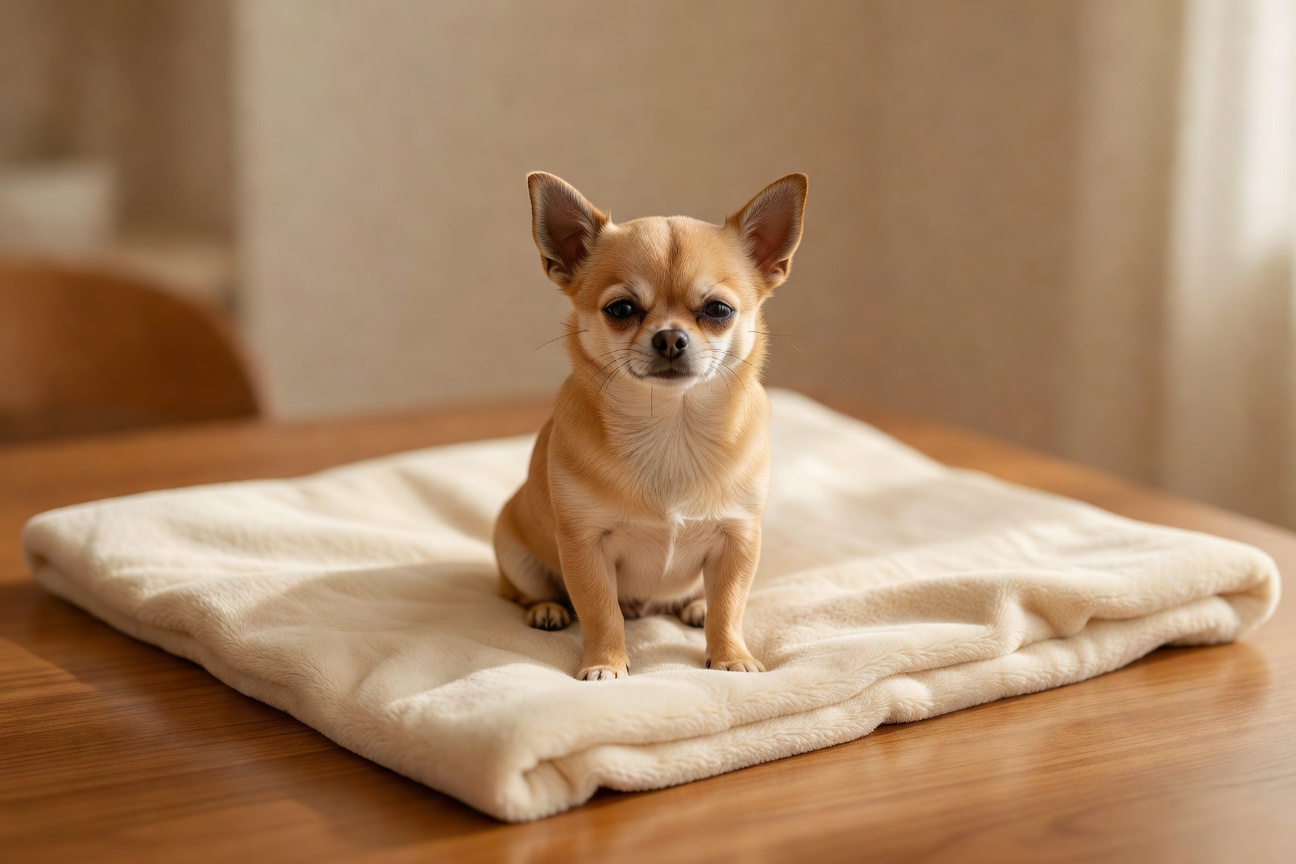
According to passenger accounts published on social media, the toy breed dog defecated directly onto the seat cushions and the owner's clothing. The resulting odor and biological waste quickly created a significant disturbance in the cabin. A pregnant passenger seated in the immediate vicinity was particularly affected, necessitating a swift intervention by the flight crew. The situational stress quickly spread among nearby rows.
United Airlines flight attendants responded by isolating the area and executing a professional clean-up operation, which reportedly involved the use of protective hazmat suits to handle the biological waste safely. Nearby passengers were provided with sanitizing wipes and chemical deodorizers. The crew worked diligently for over forty minutes to restore sanitary conditions to the localized area.
"Our crew acted quickly to clean the area and ensure the safety and comfort of our passengers," a United Airlines spokesperson said in a subsequent press statement. "We provided travel vouchers and MileagePlus compensation to the passengers in the immediate area to mitigate the inconvenience."
Sourcing and Layover Decisions
The dog's owner reportedly admitted to fellow passengers that she had failed to take the dog to a designated animal relief area during a brief layover in Denver, citing a tight connection time. Rather than keeping the dog in its carrier as required, she assumed the small pet could wait on her lap, which proved to be a disastrous miscalculation. This illustrates the high cost of bypassing standard pet travel protocols.
While some passengers expressed sympathy, noting that biological accidents can happen to any pet, the majority of travelers questioned the lack of policy enforcement by the gate agents and cabin crew. The airline's written rules are explicit, highlighting the necessity for all companion animals to remain fully enclosed in approved under-seat carriers at all times. The failure to enforce these guidelines at the gate allowed the hazard to enter the cabin.

This incident is not an isolated case in the post-pandemic travel boom, during which pet travel bookings have risen by thirty percent across major domestic carriers. The increase in pet passengers has led to a corresponding rise in cabin disruptions, including dog bites, excessive barking, and biological accidents. These trends have forced major airlines to reconsider their pet carriage programs.
High-altitude travel brings low atmospheric pressure and extremely dry cabin air, which can dehydrate small toy breeds very quickly. This environmental change causes high levels of adrenaline and cortisol to release in their bodies, accelerating gastrointestinal motility and leading to sudden, uncontrollable bowel movements. Without proper preparation, even a well-behaved dog can experience severe physical distress during flight.
To prevent similar issues, prospective pet owners must prepare their animals thoroughly for the realities of travel. Reading a comprehensive guide before introducing a new pet can help you assess whether your lifestyle and travel schedules are appropriate for raising a dog.
Furthermore, digestive stress is common in small dogs during high-altitude travel. Owners must understand nutritional and behavioral health concerns in toy breeds to manage their pet's diet and prevent stress-induced illness on long flights.
Commercial Airline Pet Travel Guidelines
For travelers planning to fly with a small dog, domestic carriers, including United, Delta, and American Airlines, maintain standard regulations:
- Carrier Requirements: Pets must travel in a soft-sided or hard-sided carrier that fits completely under the seat in front of you. Soft-sided carriers are highly recommended as they possess a flexible frame that compresses slightly to fit under varying seat heights. The carrier must be leak-proof and ventilated on at least three sides to ensure adequate airflow.
- Continuous Confinement: The pet must remain inside the closed carrier at all times while at the departure gate, during boarding, and for the entire duration of the flight. Bypassing this rule can result in immediate fines and travel bans from the airline.
- Documentation: Most airlines require a certified health certificate from a licensed veterinarian issued within ten days of travel, alongside proof of rabies vaccination. This paperwork must be presented at the check-in counter before boarding.
- Relief Planning: Locate and utilize the designated animal relief areas at your departure, layover, and arrival airports. Allow your pet to relieve themselves immediately before boarding to avoid in-flight emergencies.
Service Animals vs. Companion Animals
It is important to note the distinction between highly trained service dogs and standard companion pets. Under the Americans with Disabilities Act and Department of Transportation regulations, service dogs undergo hundreds of hours of behavioral training, enabling them to remain calm and stationary in high-vibration cabins. Companion dogs do not possess this training and are far more susceptible to panic, motion sickness, and anxiety-driven physiological accidents.
Conclusion
Ultimately, successful air travel with a pet requires strict adherence to airline policies and a high level of personal responsibility. By preparing your pet for the environment and respecting the safety and comfort of your fellow passengers, you can ensure a smooth, incident-free trip for everyone on board.
Sources & Further Reading menu_book
Canine Health Outcomes Institute (2025)
Canine Longevity Study Full Report
View Report arrow_forwardFrequently Asked Questions help
help_outline How do you source your news pieces? expand_more
Every piece names its sources by title and affiliation on first reference. We confirm by phone or email before publication when a story turns on a single account.
help_outline How current is your reporting? expand_more
News pieces are dated and corrected on a rolling basis. The publish date and any updated date appear at the top of the article.
help_outline Can I send you a story tip? expand_more
Tag @ChihuahuaCorner or use the contact form. We follow up on every named lead we can verify.
Stay in the loop Follow the story. We update on the record as new information arrives.
favorite