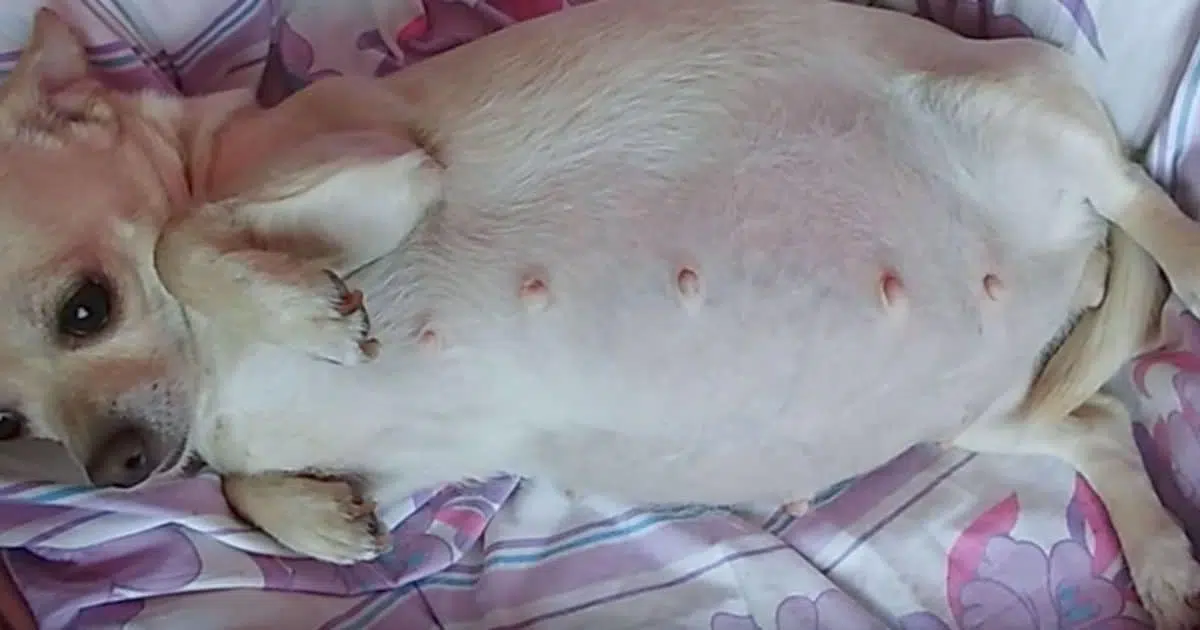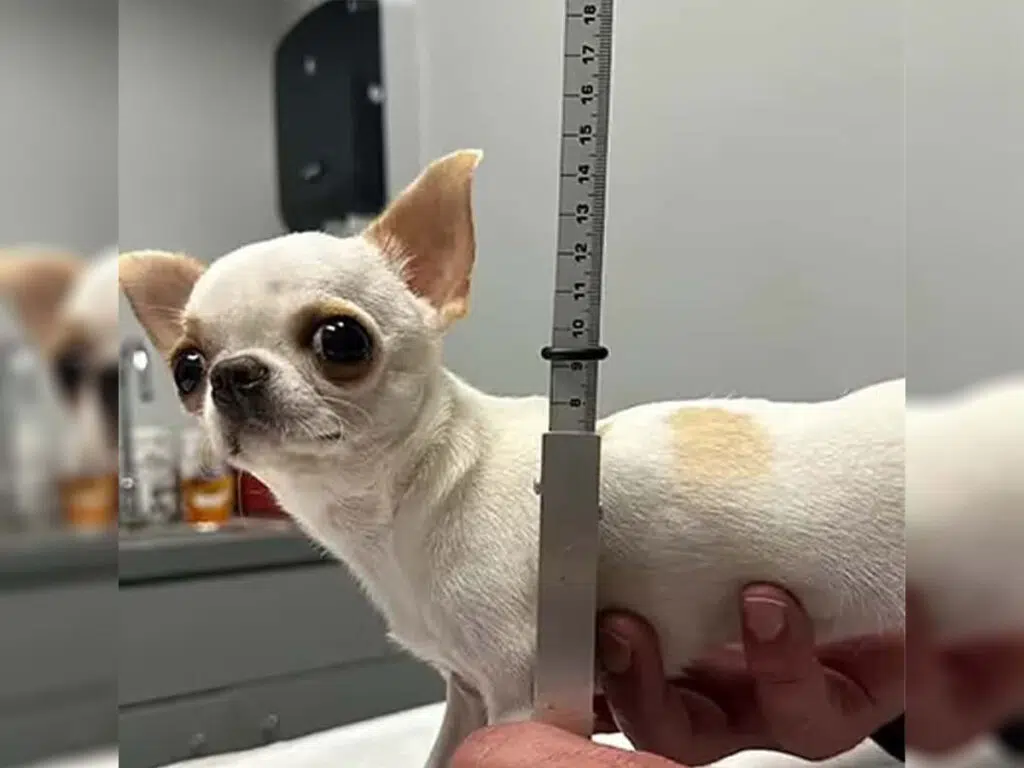


Actress Demi Moore submitted her Chihuahua, Pilaf, to Guinness World Records for consideration as one of the smallest dogs in the world, according to People. The "Ghost" star shared the news with her followers and launched a social media campaign under the hashtag #pilaf4guinness, asking fans to rally behind the tiny dog's bid for the record books.
Pilaf weighs about 700 grams, or roughly 1.5 pounds, according to reports. To give followers a sense of the dog's scale, Moore posted a photo of Pilaf resting on her lap alongside the family cat and a Starbucks cup, a coffee-cup-for-scale comparison that quickly drew attention online.
The campaign picked up support from Moore's family and famous friends. Her daughter Tallulah Willis cheered on the effort, and actress Sofia Vergara commented that she wanted a dog like Pilaf, according to reports.
The post turned a private pet into a public one, and it landed during a stretch when Moore's family was already in the news for other reasons. The dog, in other words, arrived as a bright spot. That is part of the appeal of a tiny companion animal, and it is the part worth slowing down on.
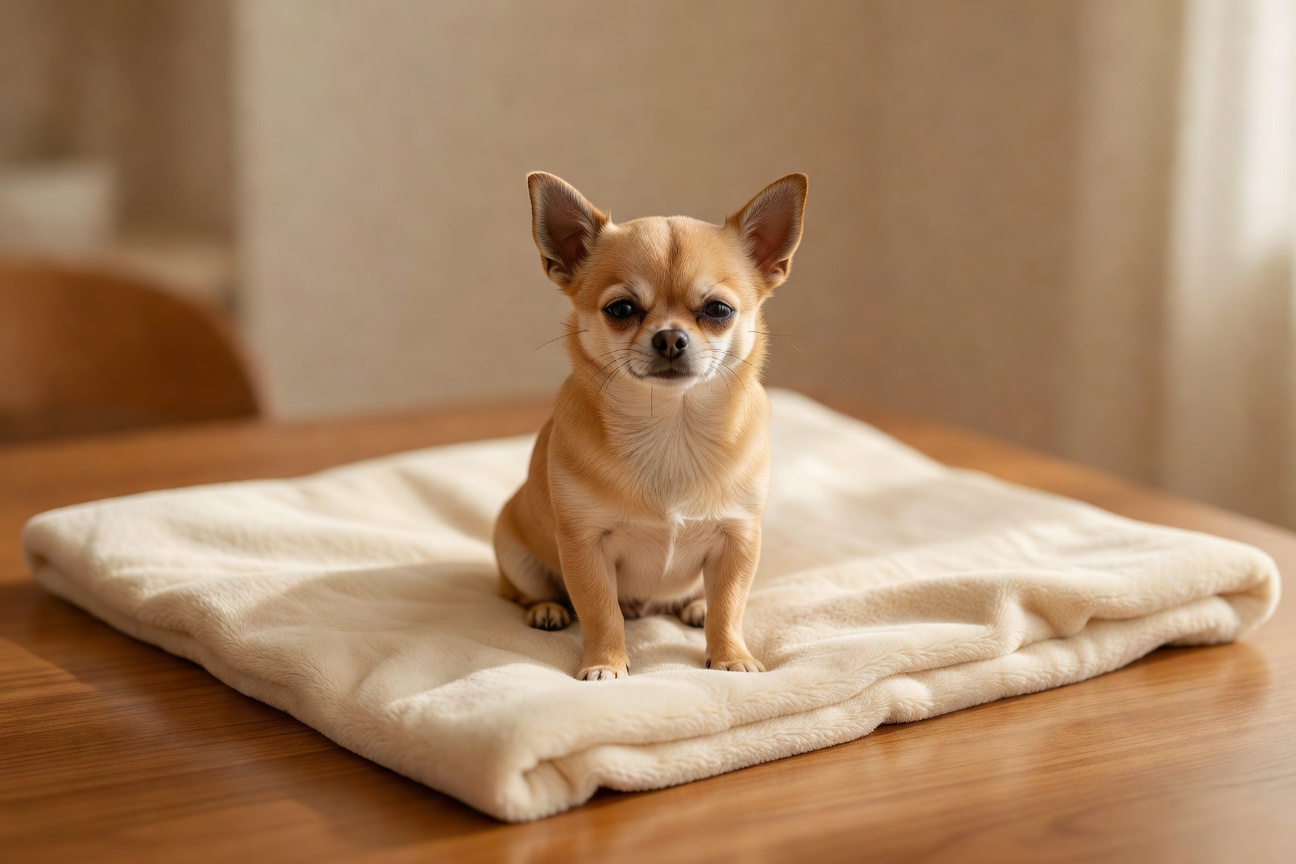
What "world's smallest dog" actually means
Guinness World Records recognizes the smallest living dog in two categories, by height and by length, and the title has long belonged to toy breeds. Chihuahuas have held the honor more than once, which is part of why a 1.5-pound Chihuahua is a plausible contender rather than a publicity stunt.
A record submission is not the same as a record. Guinness requires documented measurements, typically verified by a veterinarian, before it confirms a title. As of this writing, Pilaf's status was a submission, not a confirmed record.
Why people choose the smallest dogs
The interest in tiny dogs goes well beyond celebrity social media feeds. The Chihuahua is consistently among the most popular breeds in the United States, according to the American Kennel Club, and the appeal is practical as much as it is aesthetic. Small dogs fit apartments, travel more easily, and live a long time. Chihuahuas frequently reach 14 to 16 years, longer than most large breeds.
They also work as companion animals for people who cannot manage a bigger dog. A toy breed can sit on a lap during a long hospital stay, ride in a carrier under an airplane seat, and live comfortably with an owner who has limited mobility or space. Therapy and companion programs have used small dogs for exactly those reasons.
The same qualities that make a Chihuahua a good apartment dog make it a good fit for older owners and for people recovering from illness. The dog does not need a yard or a long run. It needs warmth, food, a vet and attention, and it returns that attention with the kind of constant company that larger, busier dogs sometimes cannot offer.
The trade-offs of a 1.5-pound dog
The same small size that makes a dog like Pilaf a record candidate also raises the stakes on care. Veterinarians who work with toy breeds point to a familiar list of concerns: hypoglycemia, or low blood sugar, in very small puppies; dental crowding; fragile bones that can fracture from a short fall or a misjudged jump off the couch; and a faster metabolism that leaves little margin for a skipped meal.
Temperature is another factor. A dog that weighs less than two pounds loses heat quickly and overheats fast, which is why owners of toy breeds often invest in sweaters for winter and shade and water for summer. The smaller the dog, the smaller the buffer.
None of that argues against small dogs. It argues for going in informed. The dog that fits in a coat pocket needs the same veterinary attention as any other dog, and arguably a little more vigilance.
Traveling with a tiny dog
One genuine advantage of a dog Pilaf's size is travel. Most U.S. airlines allow small dogs in the cabin if they fit in a carrier that slides under the seat, and a 1.5-pound dog clears that bar easily. Owners planning to fly should confirm the airline's carrier dimensions, health-certificate requirements, and in-cabin pet fees before booking, because the rules vary by carrier and by destination.
For owners who want a companion animal for support rather than a service dog, it is worth knowing the legal distinction. Emotional-support animals do not have the same federal access rights as trained service dogs, and airline accommodations for them have narrowed in recent years. A small dog can be a good companion either way; the paperwork is just different.
How to help small dogs that need homes
Readers moved by Pilaf's story can put that interest to work. Chihuahuas and Chihuahua mixes are among the most commonly surrendered dogs in shelters across the American Southwest, where overpopulation has filled kennels for years. Adopting or fostering a small dog through a local shelter or breed-specific rescue is one of the most direct ways to help.
For those who cannot adopt, most rescues accept donations, volunteers and short-term foster homes. Microchipping a small dog, who is easy to lose and easy to scoop up, is another low-cost step that pays off if the dog ever slips out a door. Ask a local shelter or veterinarian how to start.
Pilaf, for her part, has a Hollywood lap, a watchful owner and a fan base cheering her into the record books. Most small dogs waiting in shelters have none of that. The record bid is a fine excuse to look their way.
Sources & Further Reading menu_book
Canine Health Outcomes Institute (2025)
Canine Longevity Study Full Report
View Report arrow_forwardFrequently Asked Questions help
help_outline How do you source your news pieces? expand_more
Every piece names its sources by title and affiliation on first reference. We confirm by phone or email before publication when a story turns on a single account.
help_outline How current is your reporting? expand_more
News pieces are dated and corrected on a rolling basis. The publish date and any updated date appear at the top of the article.
help_outline Can I send you a story tip? expand_more
Tag @ChihuahuaCorner or use the contact form. We follow up on every named lead we can verify.
Stay in the loop Follow the story. We update on the record as new information arrives.
favorite