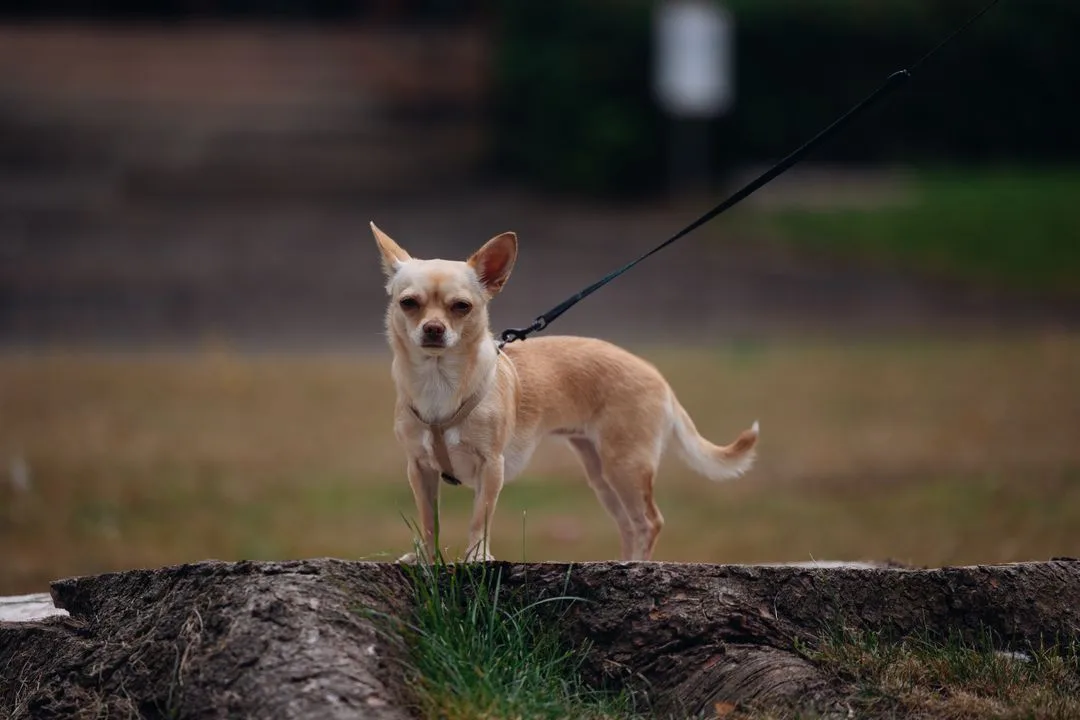
The low-maintenance label is not a breed trait. This comparison starts with the smooth-coat Chihuahua and shows the work a short coat does not remove.
“Low maintenance” sounds like a promise about time, cost, behavior, and health. No dog breed can honestly make that promise.
A short coat may reduce clipping and detangling. It does not remove shedding, nail care, dental care, training, exercise, preventive medicine, insurance, boarding, or the possibility of expensive disease.
The ten choices below meet a narrower description: small breeds or coat varieties that generally have a relatively simple brushing and bathing routine. Individual dogs can differ substantially.
Quick answer: No, a short coat does not equal low-maintenance care. The smooth-coat Chihuahua requires routine brushing, nail trimming, dental care, training, exercise, and attention to cold sensitivity and health risks, just as nine other small breeds with simple coats do. Miniature Pinscher, Toy Fox Terrier, toy Manchester Terrier, Rat Terrier, short-haired Dachshund, Italian Greyhound, Boston Terrier, Pug, and Basenji all need ongoing grooming basics, mental stimulation, weight management, or breed-specific health monitoring despite minimal clipping or detangling. Individual dogs vary; coat type alone never removes the full commitment of ownership.
1. Smooth-coat Chihuahua
The smooth Chihuahua’s short coat usually needs routine brushing rather than clipping. The small body makes bathing physically manageable, but tiny nails, crowded teeth, cold sensitivity, and delicate handling require attention.
Chihuahuas need training and appropriate exercise. Carrying one everywhere can reduce opportunities to walk, sniff, learn, and build confidence. Dental care can become a major lifetime commitment.
Long-coat Chihuahuas need more attention to feathering and tangles, so coat variety matters.
2. Miniature Pinscher
The Miniature Pinscher has a short, close coat that is usually simple to brush. The personality is not similarly minimal.
These alert dogs need secure containment, training, mental activity, and controlled outlets for movement. Their confidence can lead people to underestimate the risks of doors, traffic, falls, and larger dogs.
A simple coat is useful for owners who prefer not to schedule clipping, but it should not be confused with a sedentary companion.
3. Toy Fox Terrier
The Toy Fox Terrier combines a small frame with a smooth coat. Routine brushing, nails, ears, teeth, and bathing remain necessary.
Terrier heritage can mean intensity, chasing, and rapid learning. The dog needs reward-based training and safe activity. A household hoping for a decorative lap dog may find the mental workload greater than expected.
Ask about patella, eye, and other breed-relevant health screening when choosing a breeder; request full records when adopting.
4. Manchester Terrier, toy variety
The toy Manchester’s glossy coat is generally low in styling demands. It can still shed and needs skin observation, weather protection, and regular grooming basics.
These dogs are athletic and attentive. They benefit from training games, walks, and secure areas to run. Socialization should be gradual and positive.
Availability varies by country, and the recognized size or variety may differ. Verify the breed standard and local sources rather than choosing from a photograph alone.
5. Rat Terrier
Smaller Rat Terriers have a short coat with no clipping requirement. Seasonal shedding can still be noticeable.
The breed’s working background often brings energy, problem-solving, digging, and prey interest. Daily exercise and enrichment are not optional because the hair is easy to brush.
Size ranges vary, so confirm the adult dog’s actual needs, housing rules, and secure-fence requirements.

6. Short-haired Dachshund
The smooth Dachshund has simpler coat care than long-haired or wire-haired varieties. Body shape creates a different responsibility.
Weight management, safe lifting, controlled jumping, ramps when appropriate, and veterinary attention to back pain matter. Avoid assuming that a short walk is enough simply because the legs are short.
Insurance exclusions and spinal-care costs deserve investigation before adoption or purchase.
7. Italian Greyhound
The Italian Greyhound’s very short coat needs little styling. Thin skin, low body fat, cold sensitivity, dental care, and fragile limbs can increase practical work.
House-training may take patience, especially in bad weather. Clothing can be useful for warmth when correctly fitted, but supervise it and monitor comfort.
This breed illustrates the central point: minimal brushing can coexist with substantial management.
8. Boston Terrier
Boston Terriers have a smooth coat and generally do not need clipping. Their flat facial structure demands health scrutiny.
Brachycephalic airway problems can affect breathing, heat tolerance, sleep, exercise, and anesthesia. Eye exposure and skin folds may also need care. VCA advises veterinary evaluation of airway signs.
No grooming advantage justifies ignoring noisy breathing, collapse, blue gums, or heat distress. Select for health and function, not an exaggerated face.
9. Pug
The Pug’s coat is short, but many Pugs shed heavily. Skin folds, eyes, nails, teeth, weight, and brachycephalic health can require significant attention.
This is why “short-haired” and “low maintenance” are not synonyms. A Pug may avoid haircuts while generating daily cleaning and medical needs.
Prospective owners should discuss airway, spine, eyes, skin, heat, and weight with a veterinarian and seek health-focused breeding or transparent rescue records.
10. Basenji
The Basenji is often larger than a toy dog but still compact. Its short coat and self-grooming behavior can make coat care straightforward.
Exercise, secure containment, prey drive, training, and breed-specific health screening are not straightforward shortcuts. The breed can be independent and unsuitable for owners expecting automatic off-leash reliability.
Check the adult size against housing and travel limits; “small” is not standardized.

Compare the individual, not the list
Ask how much the dog sheds, tolerates handling, reacts to visitors and animals, copes alone, exercises, travels, and accepts dental and nail care. Meet adult dogs where possible.
Budget for food, preventive care, emergencies, training, equipment, licensing, sitting, and insurance. PDSA’s cost guidance is a reminder that purchase or adoption is only the beginning.
For a Chihuahua-specific decision framework, compare Found a Tiny Chihuahua? Take These Safe Steps with shelter profiles and veterinary records rather than relying on breed labels.
The licensed photos in this package show Chihuahuas, not all ten breeds. Additional breed images require separate rights records.
Choose a dog whose full needs fit the household. A manageable coat is a convenience. Care remains a commitment.
Featured photograph: Zarate123 / Wikimedia Commons (CC BY-SA 4.0), via Wikimedia Commons. It is an illustration and does not depict the animals described in this article.