
"How big is a chihuahua?" sounds like a one-line question, the kind you could answer with a shrug and a number. Then you ask the internet, and somehow it gets harder, not easier. One breeder swears a "real" chihuahua fits in a teacup. Another insists anything over six pounds is a mutt. Your neighbor's ten-pound "chihuahua" is apparently a fraud. What's the real story?
It's complicated. But not as complicated as the marketing wants you to believe. There's one breed, one honest weight range, and a whole industry built on making you forget both. Let's sort it out.
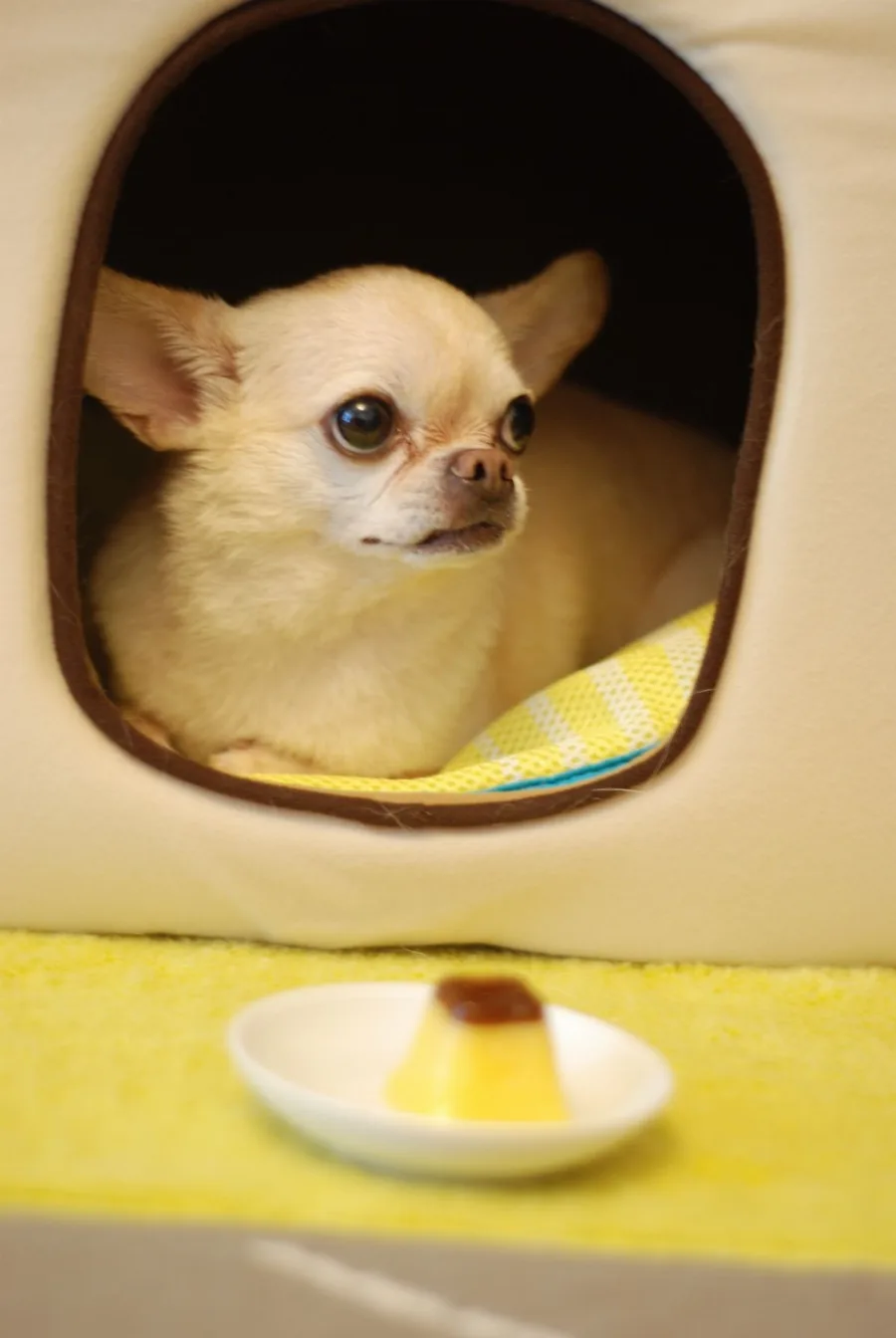
Quick answer: The AKC standard caps a chihuahua at 6 pounds and sets no minimum, so show dogs usually weigh 3 to 6 pounds. Plenty of healthy purebred pets weigh 7 to 12 pounds and are perfectly sound. “Teacup,” “micro,” and “mini” are marketing labels, not recognized sizes or varieties.
What the breed standard actually says
Start with the rulebook, because everything else is a reaction to it. There is exactly one chihuahua breed. Not two, not five. One. The American Kennel Club standard sets a single hard limit on size: a chihuahua must not exceed 6 pounds. That's the cap. Above it, you're outside the show ring.
Notice what the standard does not do. It sets no official minimum. There is no line that says "must weigh at least X." Show chihuahuas typically land somewhere between 3 and 6 pounds, but the number on the scale isn't really the point. The standard prizes overall balance and soundness, a dog that moves well and is put together right, not a dog that's simply as tiny as physics allows.
Read that again, because the teacup crowd is counting on you skipping it. The standard rewards a well-built dog. It does not reward smallness for its own sake. A judge is looking at a sound, balanced little dog, not squinting at a kitchen scale hoping for a lower number.
What real pet chihuahuas actually weigh
Here's where the internet loses its mind. Because most chihuahuas aren't show dogs. They're pets, asleep on the couch, entirely uninterested in ribbons.
A great many healthy, beloved, fully purebred chihuahuas weigh 7 to 12 pounds. Some are bigger than that and perfectly sound. This is normal. This is fine. Size in this breed varies widely, and always has.
So let's kill the myth that gets repeated most: "over six pounds means it's not a real chihuahua." Not quite. Being over six pounds means the dog is over the show standard, not that it's a fake dog or a secret mix. A ten-pound purebred chihuahua is a chihuahua. It just wouldn't win in the ring, and it has precisely zero opinions about that. My own dogs would trade a show title for a dropped french fry without a moment's hesitation.
Whether you end up with a dainty four-pounder or a sturdy nine-pounder is partly luck of the litter and partly the lines behind the dog. If a firm adult weight matters to you, ask the breeder about the parents and grandparents. And if you're still weighing which dog fits your household, the male versus female chihuahua breakdown covers the other size-and-temperament questions people trip over.
The teacup myth
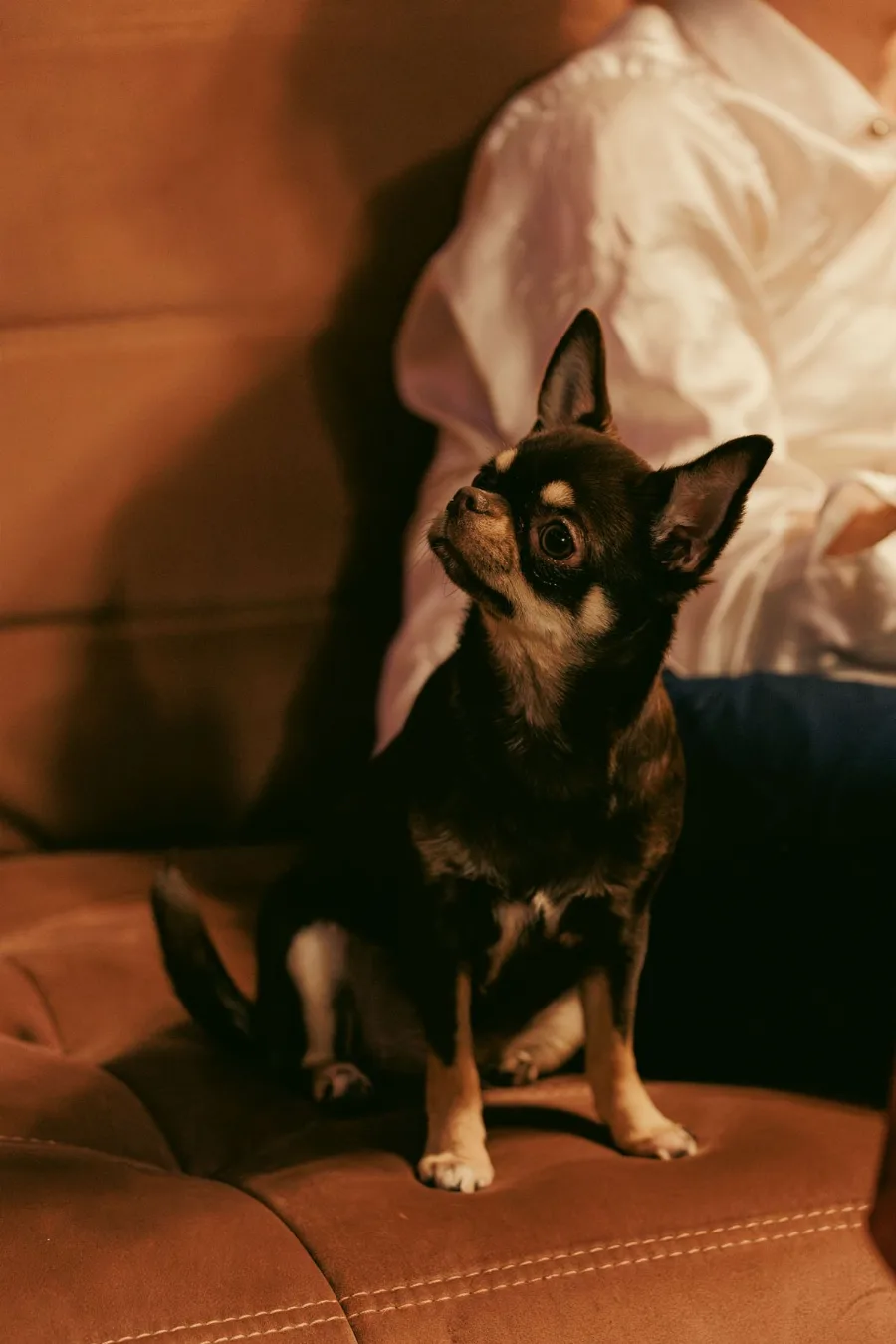
Now the big one. Walk through any listing site and you'll see them: "teacup," "micro," "pocket," "mini," "toy" chihuahuas. Usually with a price tag that made you blink.
Here's what you need to know. Every one of those words is a marketing term. Not a breed. Not a variety. Not an official size class. No kennel club recognizes any of them. There is no "teacup chihuahua" registry, no "micro" pedigree, no separate lineage. It depends on who you ask and how you define "teacup," but strip away the fluff and it just means a dog bred to be especially small, often a runt or a deliberately undersized pup with a fancier label and a bigger invoice.
And chasing that extreme comes with a bill that the puppy pays. The further you push a dog below its normal range, the higher the risk of real problems: hypoglycemia (dangerous blood-sugar crashes), fragile bones that snap in a fall, dental crowding in a jaw that ran out of room, heart trouble, hydrocephalus, difficulty holding body temperature, and greater risk under anesthesia. That's not a scare list. That's the predictable cost of breeding for a number instead of for health.
So the responsible guidance is boringly simple. Buy from a breeder who breeds to the standard for soundness and health, not to a teacup fantasy. A good breeder wants a robust little dog. A "teacup" seller wants a small enough dog to justify the markup. Those are not the same goal. If saving a dog matters more to you than chasing a size, the rescue chihuahua route is worth a serious look before you ever pay a premium for "micro."
Apple head, deer head, and the soft spot
Size isn't the only thing people argue about. Head shape gets its own fan clubs.
The standard head is the apple head: a rounded, domed skull, the classic chihuahua look, with a well-defined stop and those big, wide-set eyes. Then there's the deer head, a longer muzzle and a more sloping forehead, closer to a tiny fawn than an apple. Deer-head dogs are common in pet lines.
Is a deer head a different breed? Not really. It's a look that falls outside the show standard, that's all. Both are chihuahuas, full stop. One will win in the ring; the other will win your heart from the passenger seat. Same dog, different skull.
One more thing about that domed apple head. Many carry a molera, a soft spot on the top of the skull where the bones haven't fully closed, much like the fontanelle on a human baby. The AKC standard actually permits a molera. It's often perfectly normal and nothing to panic over. But it's a genuine reason to be gentle with the top of the head, to keep rough play and hard bumps off the table, and to mention it to your veterinarian so it's noted in the dog's records.
Does size change how you care for them?
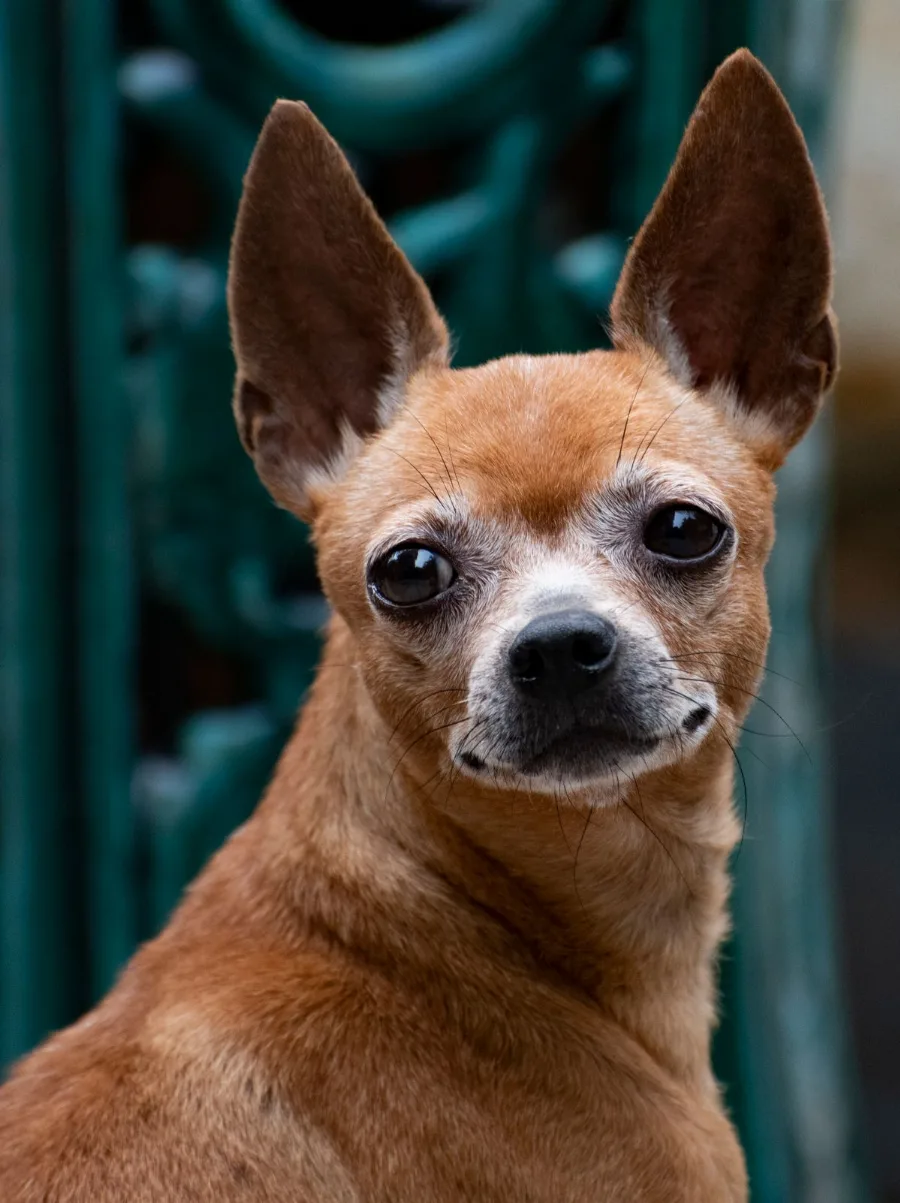
Yes, and more than most people expect. Because with this breed, fragility follows from size, not sex. A three-to-six-pound dog is genuinely breakable.
A jump off the back of the couch can crack a leg. A misjudged leap from your arms can do worse. A bigger dog at the park can cause serious injury in seconds, sometimes without meaning to. And outdoors, a very small chihuahua is small enough to catch the eye of a large bird of prey. That's not paranoia, it's a hawk doing hawk things. So supervision matters, a harness beats a collar on that delicate neck, and off-leash freedom in open spaces is a privilege you hand out carefully.
The smallest dogs carry two extra burdens. They crash into hypoglycemia faster, and they lose heat faster, so cold weather and skipped meals hit them harder. And because the whole dog is so light, weight swings are proportionally enormous. One or two extra pounds on a five-pound frame is a giant load on the heart and joints. Measured feeding isn't fussiness; it's cardiology. Resist the pleading eyes. (Mine have never once accepted that portion control applies to them.)
That's the size-specific stuff. For the full first-owner care picture, fragility, socialization, teeth, and the rest, read what owners wish they knew before getting a chihuahua. And if the breed's big-attitude reputation is what's really on your mind, the ankle-biter myth gets its own honest reckoning elsewhere on the site. At the extreme end the records are measured at the shoulder, not on the scale, and Pearl, Milly, and the smallest chihuahuas on file show what that actually looks like.
Frequently asked questions
How big do teacup chihuahuas get?
The same size as any small chihuahua, because "teacup" is a marketing label, not a breed or a size class. Sellers use it for dogs bred or projected to land under about four pounds, and that extra smallness comes bundled with fragility, not pedigree. The kennel clubs recognize one chihuahua, with one standard.
How big do chihuahuas get, and what's an average weight?
Show chihuahuas generally weigh 3 to 6 pounds, since the standard caps them at 6. But plenty of healthy pet chihuahuas run 7 to 12 pounds, and some are larger and perfectly sound. There's no official minimum weight, and size varies a lot from dog to dog. "Average" is a slippery word here, but somewhere in the 4-to-9-pound zone covers most of the dogs you'll actually meet.
Is a teacup chihuahua a real breed?
No. "Teacup," along with "micro," "pocket," "mini," and "toy," is a marketing label, not a recognized breed, variety, or size class. No kennel club acknowledges any of them. The word usually just describes an especially small dog, often a runt or one bred deliberately tiny, sold at a premium the puppy's health may end up paying for.
Is a 10 to 12 pound chihuahua still purebred?
It can absolutely be purebred. Being over 6 pounds puts a dog over the show standard, not outside the breed. A ten-pound chihuahua from purebred parents is a purebred chihuahua that simply wouldn't compete in conformation. If pedigree matters to you, that's a paperwork-and-breeder question, not a scale question.
At what age is a chihuahua full grown?
Chihuahuas reach close to their adult size by roughly 9 to 12 months. You can loosely estimate an adult weight from a puppy, but treat it as a rough guess, not a promise; individual growth varies, and small-dog math is imprecise.
The size that actually matters
So how big do chihuahuas get? Small, mostly. Sometimes a little bigger than the rulebook likes, and that's fine. The one size to avoid is the one sold to you as a "teacup," because that's a price tag pretending to be a breed. Skip the fantasy and buy or adopt a sound, balanced little dog instead.
In the end, the only size that really matters is the one currently asleep on your lap, convinced it's a great deal larger than it is.
