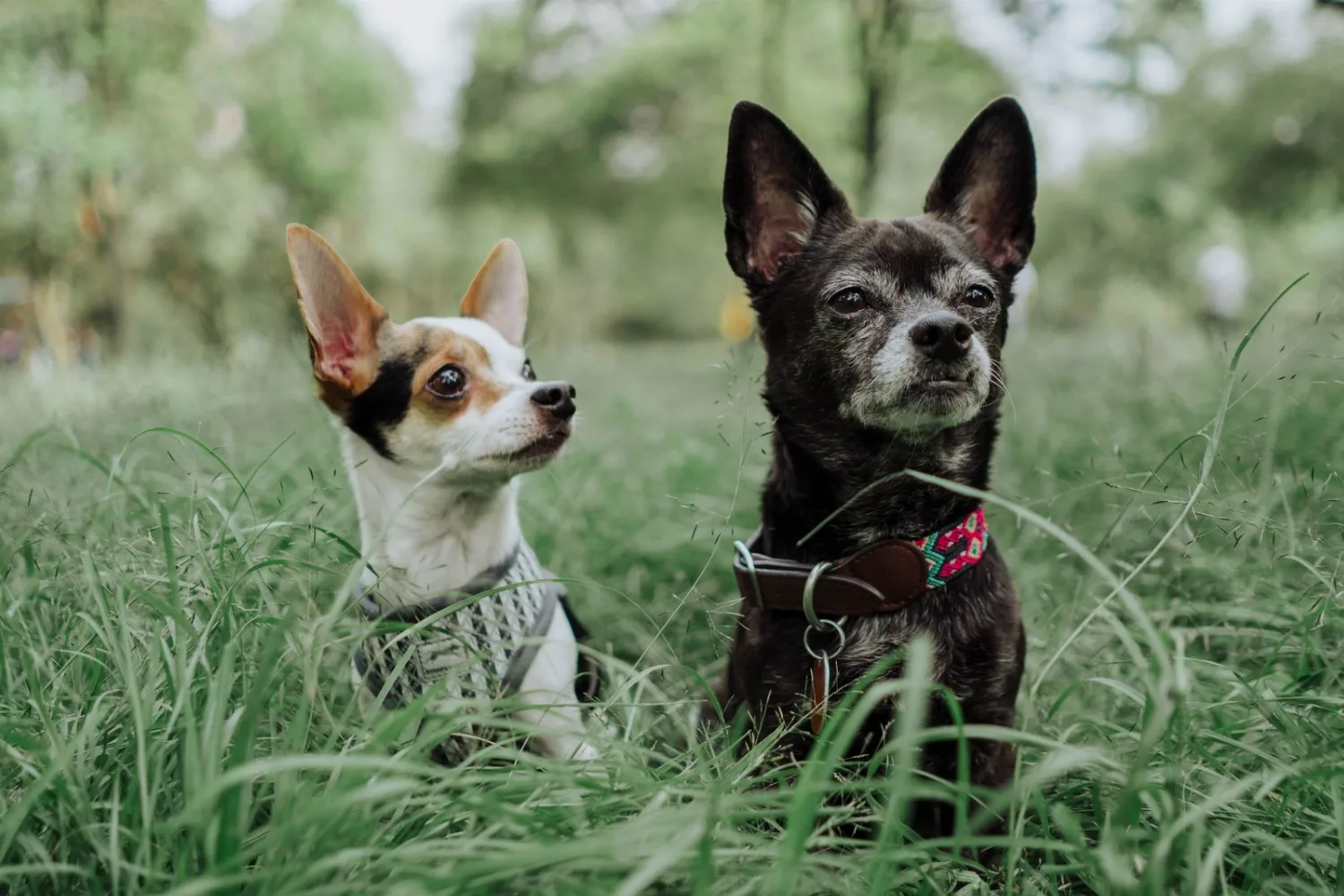
Ask ten chihuahua owners whether you should get a male or a female, and you'll get ten confident answers, at least six of which contradict each other. It's the first question every prospective owner asks, before "how much do they cost" and always before "how loud are they at 6 a.m." (loud). Everyone wants the cheat code: pick the right sex and you've pre-solved your dog.
Here's the honest version. The sex of your chihuahua matters, but less than you expect, and rarely in the ways the internet promises. A few real differences are worth knowing; the rest is folklore wearing a lab coat. Let's sort out which is which.
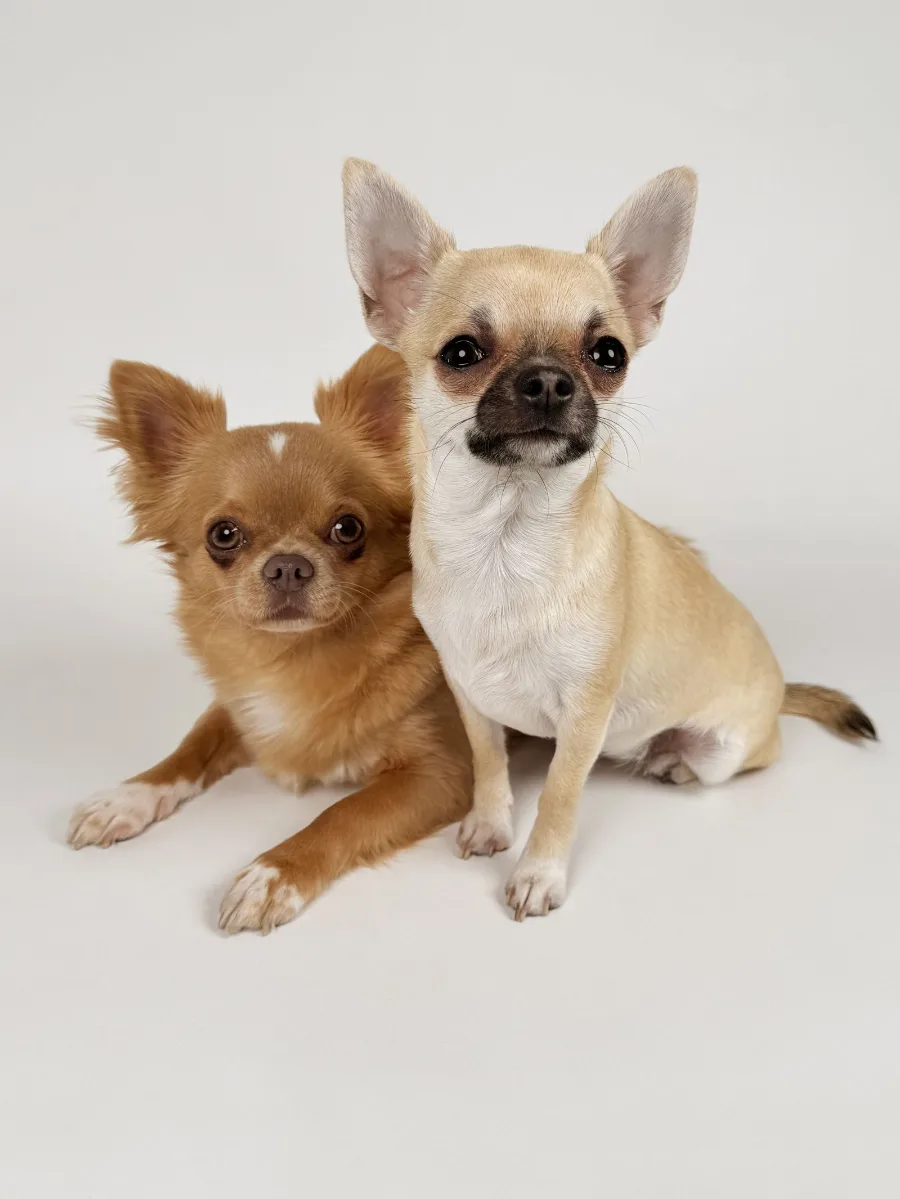
| Factor | Male | Female |
|---|---|---|
| Marking | More likely while intact; neutering usually reduces it | Uncommon |
| Heat cycles | — | Roughly twice a year until spayed; spaying prevents pyometra |
| Show size limit | 6 pounds, same standard | 6 pounds, same standard |
| Temperament lore | “Goofball” — overlap is enormous | “Runs the house” — overlap is enormous |
| Trainability | No reliable difference | No reliable difference |
| Health risks | Same toy-breed list | Same toy-breed list |
Quick answer: Sex matters less than the internet promises. There is no reliable difference in trainability, and intense one-person bonding tracks temperament and socialization rather than sex, in males and females alike. The one genuine difference is marking: intact males are likeliest to mark indoors, and neutering usually reduces or stops it. Choose the individual dog, not the sex.
The differences that are actually real
Start with the stuff that isn't up for debate, because biology doesn't take votes.
Intact males and marking. An unneutered male runs partly on testosterone, which likes to leave a signature. Urine-marking (little strategic squirts on the couch leg, the drapes, your guest's overnight bag) is more common in intact males, as is the urge to roam toward interesting smells. Neutering usually reduces it, and a belly band manages the meantime. Not every intact male marks, but enough do to make the list.
Intact females and heat cycles. An unspayed female comes into heat roughly twice a year, and a cycle is a whole event: a few weeks of bleeding (yes, in a dog who weighs less than a bag of sugar), swelling, and hormone-driven mood shifts that can make a sensible girl restless or clingy or oddly grumpy. There's a bigger reason to pay attention, though. Spaying ends the cycles and prevents pyometra, a uterine infection that turns life-threatening fast and menaces older intact females, and it lowers mammary-tumor risk. That isn't a lifestyle preference; it's real medicine.
The spay/neuter timing question. Here a toy breed complicates the tidy advice. Because a chihuahua is genuinely tiny, anesthesia is a real consideration, and some veterinarians prefer to wait until a small dog reaches a safe, stable size. The "right" age is honestly debated, so treat it as a conversation for your veterinarian, not a rule. For why putting a two-pound patient under takes extra care, our piece on anesthesia risks in a very small chihuahua lays it out.
The differences everyone swears by
Now the fun part: the stereotypes. Females "run the house," they say: independent, a little imperious, prone to picking one human and treating everyone else as staff. Males are the goofballs: softer, sillier, more likely to flop belly-up for the whole family and love the mail carrier on principle. You'll hear these repeated as gospel, complete with the knowing nod of someone who's Had Both.
Give the lore its due. It's widespread because owners genuinely see these patterns in their own dogs. But here's the honest pivot: behavioral sex differences in dogs are small and heavily overlapping. The bossiest chihuahua you'll ever meet might be a boy, the biggest goofball a girl, and neither would be an exception. The "one-person diva female" is a tendency at best, and a tendency with enormous overlap is a coin you shouldn't bet fifteen years on.
What actually forecasts personality is the temperament of the parents (heritable, and often watchable in person), early socialization, and the individual in front of you. If yappy, clingy, or "attitude" is your real worry, that reputation gets a fuller treatment in our look behind the ankle-biter myth, none of it hinging on sex.
What's identical no matter which you pick
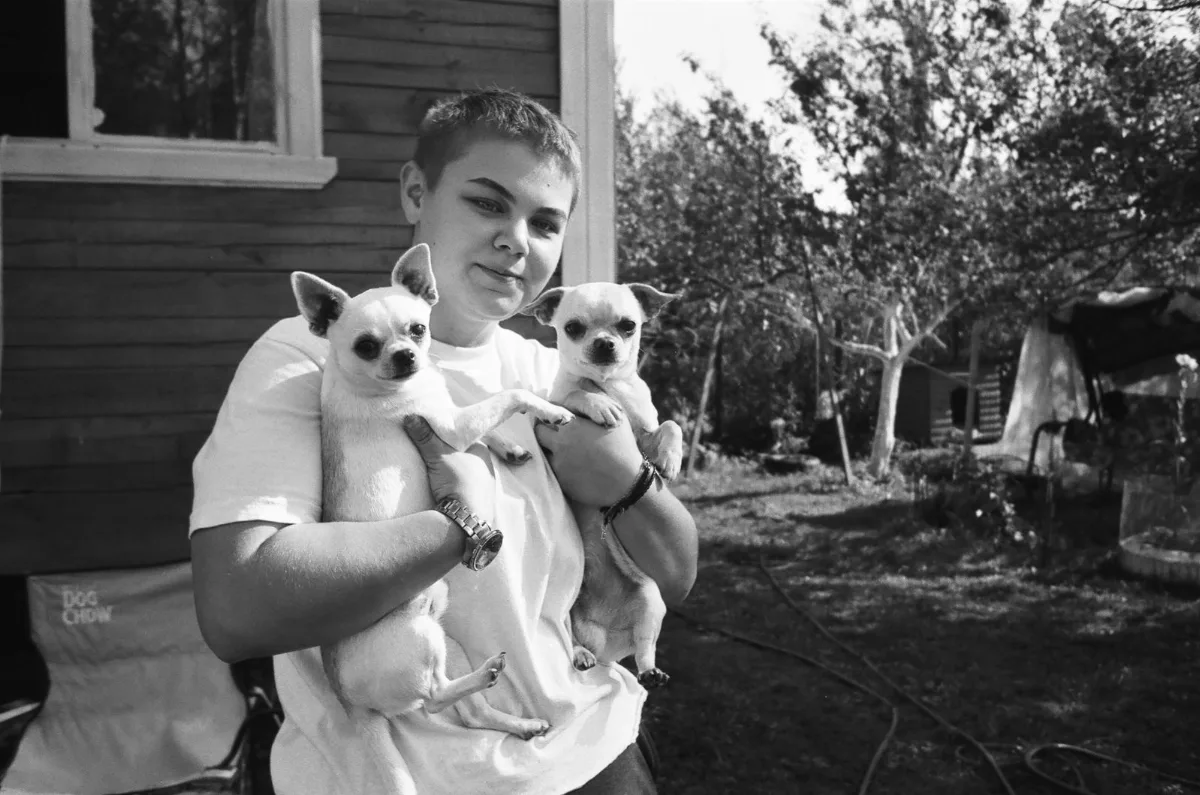
Let's kill the biggest myth first. "Females are smaller." Not really. The AKC breed standard sets no weight difference between the sexes and caps both at six pounds. The one sex-linked note is a proportion preference (judges like males a touch shorter in the body), which makes a male slightly more compact, not smaller.
You'll meet a petite female and a chunky male, but the reverse just as often. If someone quotes you a reliable ounce-by-ounce difference, they're describing their two dogs, not the breed. For how big the breed really gets, and why "teacup" isn't a real size, see our guide to chihuahua size and the teacup myth.
And the health list? It ignores sex entirely. Both males and females carry the same toy-breed cards:
- Luxating patella (a kneecap that slips its groove), common across the breed.
- Dental and periodontal disease, because a lot of teeth are packed into a tiny jaw. Brush them.
- Tracheal sensitivity. Walk your chihuahua on a harness, never a collar, so nothing tugs that delicate windpipe.
- Puppy hypoglycemia, the blood-sugar crashes that make tiny puppies of either sex a watch-the-clock job early on.
- Weight-related heart strain from overfeeding, which is on you, not the dog begging at your dinner.
Trainability lands in the same bucket. There's no reliable sex difference in how well a chihuahua learns. Both sexes are smart and shamelessly food-motivated (each will sell its soul for a sliver of chicken), and potty training takes patience either way. My own dogs treat "come" as a spirited opening offer, and sex has nothing to do with it. For the full first-owner briefing, see what owners wish they'd known before getting a chihuahua.
So which should you choose?
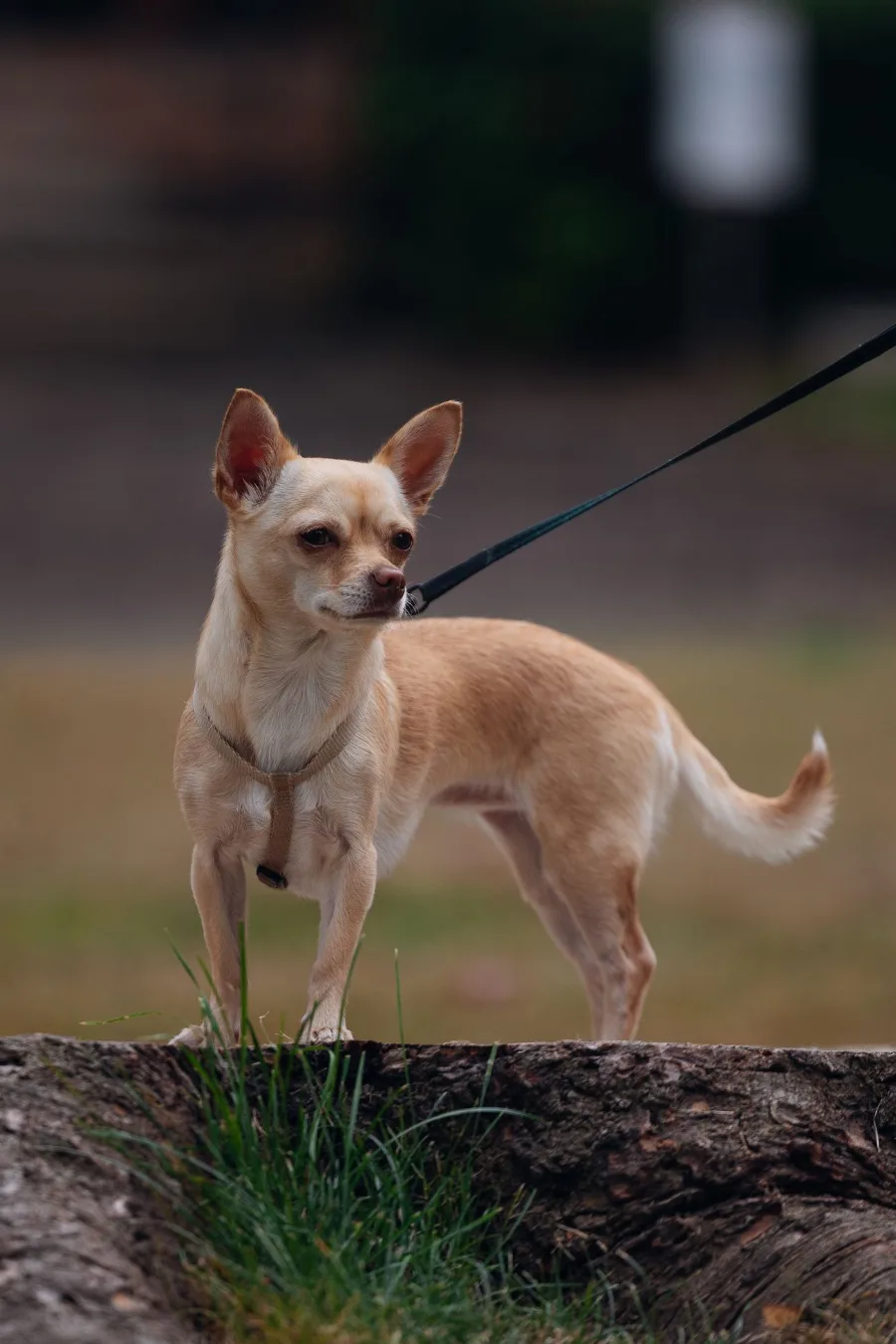
Choose the individual, and fit your lifestyle. If heat cycles and their twice-yearly logistics make you wince, spay. If indoor marking would drive you up the wall, neuter, or be ready with a belly band for an intact boy. Beyond that, stop shopping by sex and start meeting dogs. If you can meet the parents, do, because their temperament tells you more than a pink or blue collar ever will.
And source well. A responsible breeder or a good rescue will talk to you honestly about the individual dog's personality, the only variable that earns your attention. If rescue is your route, our guide to adopting a rescue chihuahua walks through where these dogs come from and how to find your match.
Frequently asked questions
Are male or female chihuahuas better for first-time owners?
Neither, honestly. A well-socialized, even-tempered individual is a great first dog regardless of sex, and an under-socialized nervous one is a handful either way. Weigh the practical stuff (are you willing to spay or neuter, can you meet the parents, does this puppy seem confident) far above the letter on the paperwork. Pick the temperament, not the sex.
Do female chihuahuas really bond to one person?
Sometimes, and so do males. The "one-person female" is a real pattern, but a tendency with huge overlap, not a rule, and plenty of females adore the whole household. Intense bonding tracks the dog's temperament and socialization far more than whether it's a girl.
Do male chihuahuas mark indoors?
Intact males are more prone to it, yes. Marking is testosterone-linked, so an unneutered male is the likeliest culprit, though not a guaranteed one. Neutering usually reduces or stops it, and a belly band manages the meantime. A well house-trained spayed female or neutered male generally isn't marking your furniture.
Are male or female chihuahuas easier to train?
There's no reliable difference. Chihuahuas of both sexes are bright and intensely food-motivated, which is your real training lever. Potty training takes patience with either, and consistency beats sex every time. If one trains faster, that's the individual, not the sex.
So, male or female? The anticlimax you deserve: it's the wrong question to obsess over. The dog in front of you (its temperament, its parents, how it fits your life) tells you everything the sex can't. Meet a few. Trust the one that clicks. Then buy a harness, some chicken, and a lot of patience.
