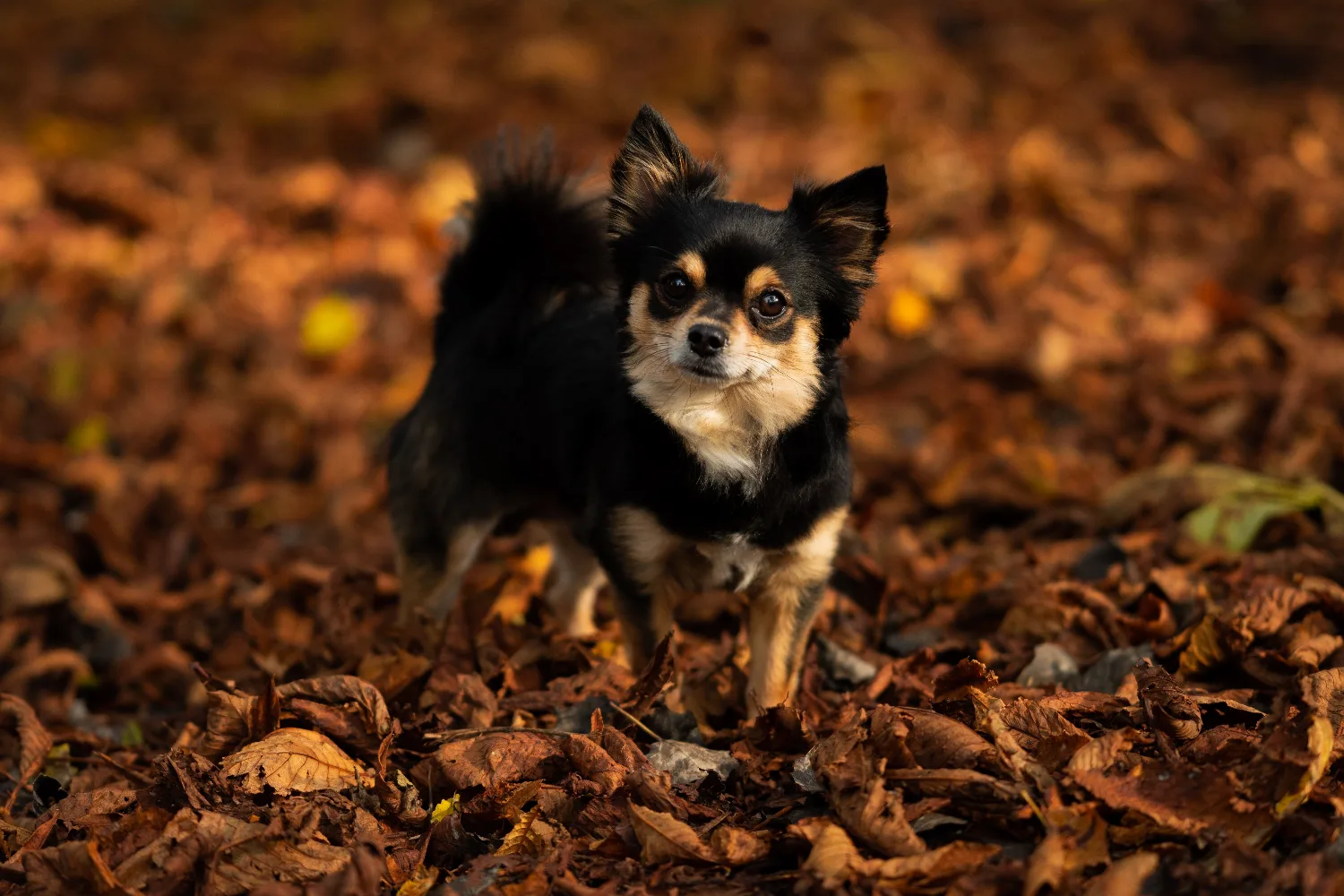
What does a chihuahua actually need from you every day? Less than the internet suggests, and more consistently than most of us manage. The good news is that almost everything on the list takes under five minutes. The harder news is that the two-minute item most pet parents skip is the one your veterinarian most wishes you wouldn't.
One quick note before we start. This is a routine to help you care for a healthy dog and ask better questions at the clinic; it isn't medical advice, and it doesn't replace your veterinarian. With that said, here's what a good chihuahua day looks like, morning to lights-out.
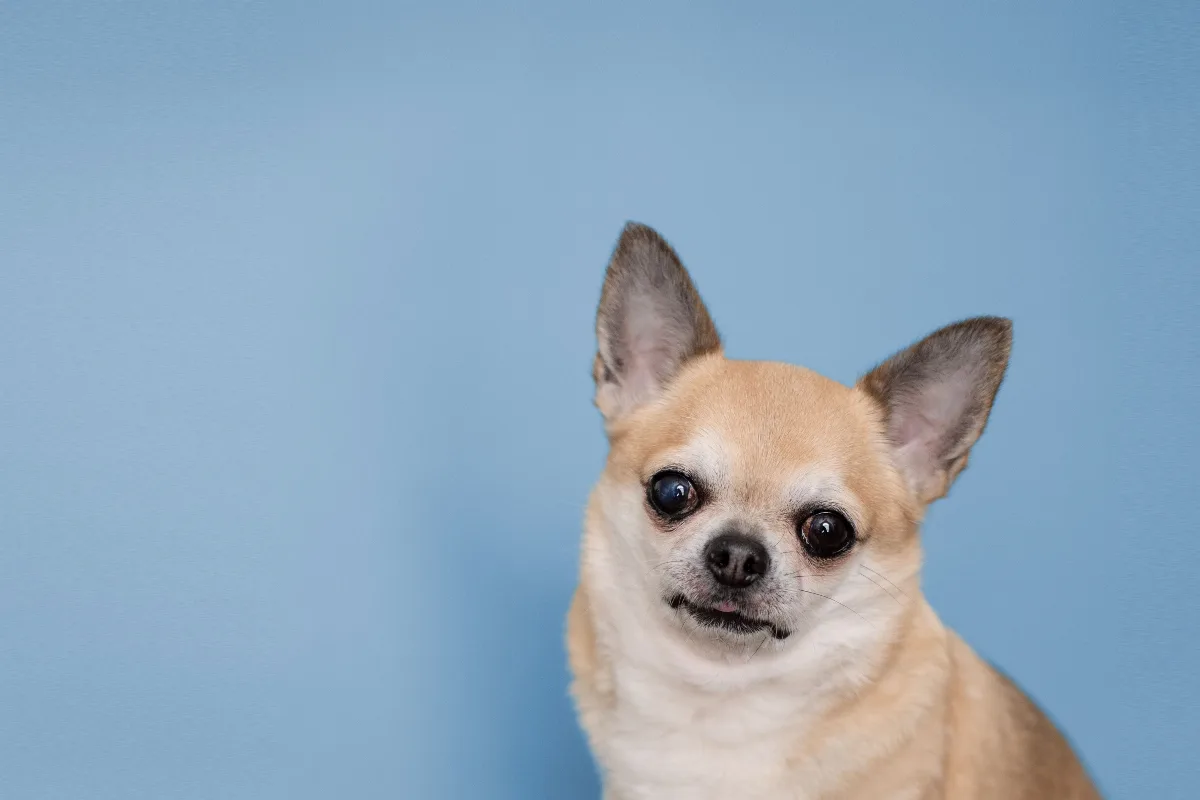
Quick answer: A chihuahua's day runs on two measured meals for a healthy adult, or three to four small ones for a puppy, potty trips on waking, after each meal, and last thing at night, a short walk with play, and the two minutes of tooth brushing most owners skip. Free-feeding is not recommended: it makes weight creep easy and hides a fading appetite, which is often the first sign of illness in a small dog.
Morning: breakfast, potty, and a ten-second face check
Feed a measured breakfast, the first of two. Adult chihuahuas do best on two small meals a day rather than one large one, and puppies need three to four because their tiny bodies can crash into hypoglycemia (low blood sugar) between feedings. Measure the portion instead of eyeballing it; on a dog this size, an "extra little bit" is a real percentage of the daily total.
And skip free-feeding, tempting as the always-full bowl is. A dog who grazes all day hides the earliest sickness signal you have: a skipped meal. When meals happen at set times, you notice the morning your chihuahua doesn't finish, and that's information your veterinarian will want.
Keep the potty rhythm boring. A bladder the size of a walnut runs on a schedule: out on waking, out after each meal, out last thing before bed, and a trip or two in between. The same-spot, same-times routine is what keeps accidents rare. If you notice a housetrained adult suddenly having accidents, that's a question for your veterinarian, not a training failure.
Wipe the eyes while the kettle boils. Those big, prominent eyes collect overnight crust, and the damp fur under them is where rust-colored tear stains and irritation get started. A gentle pass with a warm, damp cotton ball, wiping away from the eye, takes ten seconds. One caution: if you notice new staining, squinting, pawing at an eye, or yellow-green discharge, stop wiping and start dialing, because that pattern suggests infection or injury rather than ordinary tearing.
Refresh the water. Dogs need roughly an ounce of water per pound of body weight a day, which for a chihuahua is half a cup to a cup, depending on the dog. A tiny body has almost no reserve, so the bowl should be clean and full every morning, not topped up when you remember.
Through the day: the walk, the weather, and where you sit
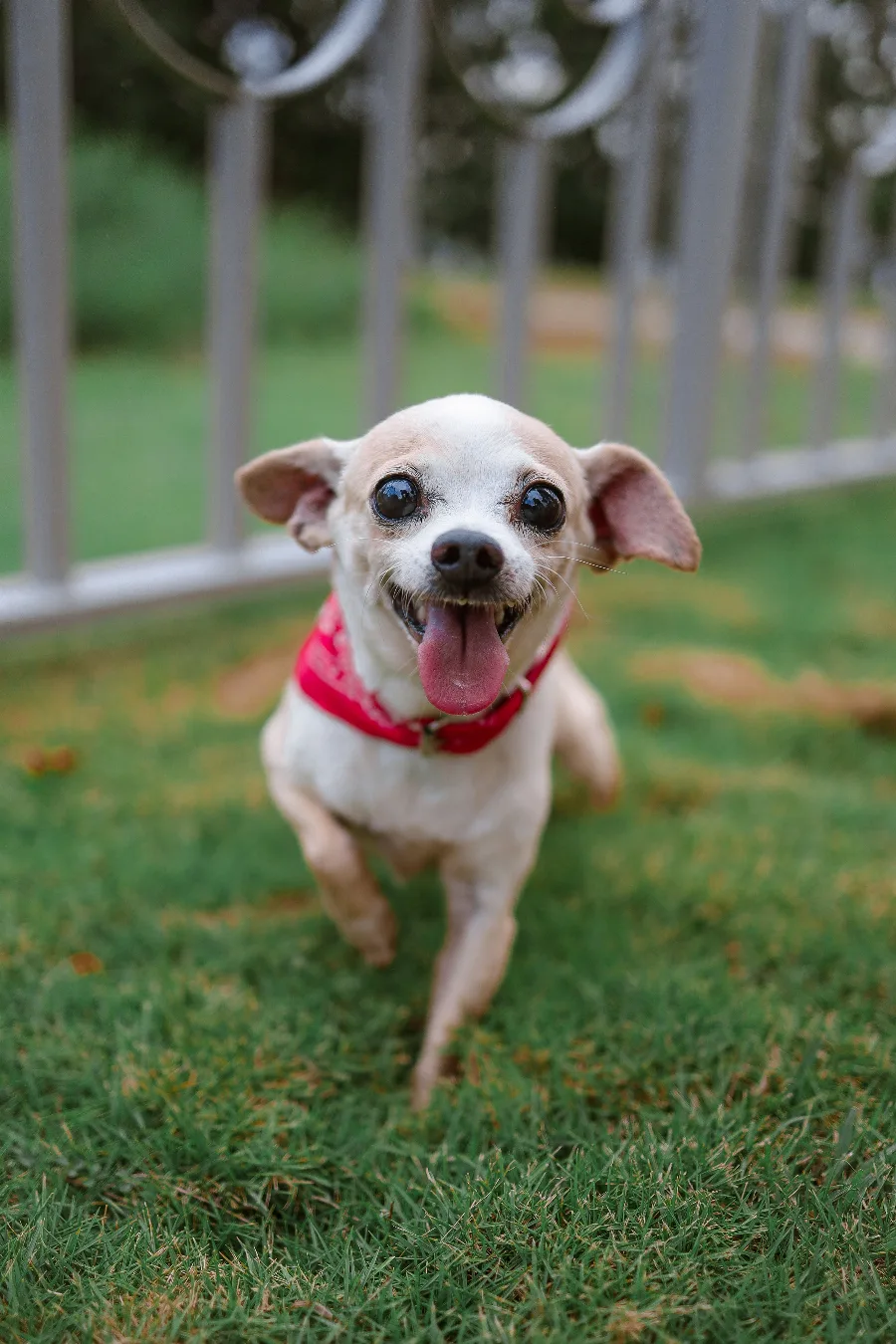
Take the walk, and clip the leash to a harness. Chihuahuas don't need marathon exercise; a daily walk around the block plus some indoor play genuinely can be enough, and a game of fetch down the hallway counts. What matters more than the mileage is the equipment. This breed is prone to tracheal collapse (a weakening of the windpipe), so the leash clips to a harness, and the collar stays loose, carrying nothing but the ID tag. Plenty of chihuahuas will happily walk much farther than the block; let the dog set the ceiling, not the breed's reputation.
Check the weather like it's your dog's coat, because it is. A chihuahua wears a windbreaker at best. Below about 45 degrees Fahrenheit, cold-averse little dogs get uncomfortable; near freezing, a small, thin-coated body is genuinely at risk, and outdoor time should shrink to short, businesslike trips. Shivering and frantic burrowing are your thermostat readings. The fix costs ten dollars: a sweater on cold mornings and a dedicated burrow blanket the rest of the time.
Check before you sit. This one comes from the owners, not the textbooks, and every chihuahua household learns it fast. These dogs sleep invisibly under throws, cushions, and duvets, and a person sitting down on a lump is one of the saddest accidents in the breed. Pat the blanket first. Every time. It's the same habit we flagged for brand-new owners in what owners wish they knew before getting a chihuahua, and years in, it never stops applying.
Evening: the two minutes that save the teeth
Here is the skipped habit, and the hill your veterinarian will politely die on. Brush your chihuahua's teeth, ideally every night. Between 80 and 90 percent of dogs over age three already have some periodontal disease (infection and inflammation of the gums and the structures holding the teeth), and it tends to run worse in small breeds, because forty-two teeth crowded into a mouth this tiny trap plaque everywhere they touch. Veterinary dental guidelines are blunt about frequency: brushing helps when it happens daily, because the bacteria you removed are back within a day or two.
Make it achievable rather than heroic. A finger brush or a child's soft toothbrush with pet toothpaste, thirty seconds a side, folded into the bedtime ritual so it happens on autopilot. Dental chews and water additives can help, but they're the supporting cast, not the star; look for products accepted by the Veterinary Oral Health Council and treat them as extras. And when your veterinarian eventually recommends a professional cleaning, don't let fear stall you; we've covered how anesthesia and dental cleanings really work for chihuahuas, and skipping them usually costs more teeth than it saves.
Spend five minutes training, on the floor. Short, frequent sessions with real rewards beat long ones, and a few minutes of sit, touch, and come before dinner keeps a clever brain busy. Do it on the ground, not in your arms; a chihuahua trained on a lap can learn to listen only when held. If the treats are flowing anyway, this is also the cheapest behavior insurance you'll ever buy.
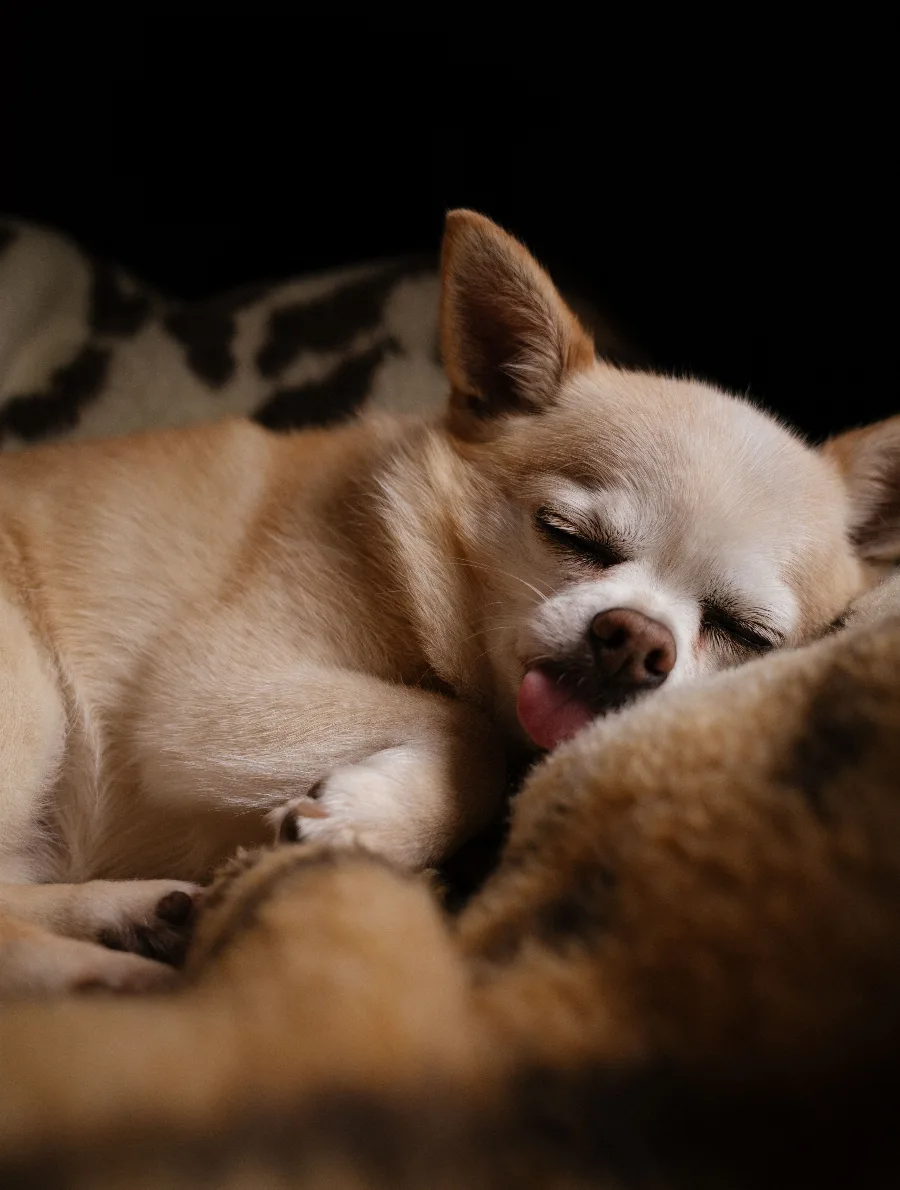
Then take the lap time seriously. This breed was built for exactly one job, and the job is you. An evening stretch where the dog burrows in while you read or watch something isn't spoiling; it's the point of the breed. It also doubles as your daily health scan.
Hands moving over a dog this small notice everything early: a new lump, a flinch, a skipped-meal tummy, a limp that wasn't there yesterday. Pet parents of older dogs can turn that scan into something even more useful, the good-day, bad-day record we describe in measuring a senior chihuahua's quality of life.
What's weekly, not daily (an honest note)
A few chores get promoted to "daily" by internet listicles, and they don't need to be. Coat brushing is a weekly job for smooth coats and two or three times a week for long coats; the daily version is just the petting you're already doing. Nails are as-needed, usually every few weeks, and if trims are a battle in your house, we wrote a whole calmer method in chihuahua nail trimming without the stress. And for a lighthearted tour of the whole day, see a day in the life of a chihuahua.
And the weigh-in is weekly or monthly: set a kitchen scale to zero with a bowl on it, add one chihuahua, and write the number down. It matters more than it sounds. Veterinary guidance calls a dog overweight at just 15 percent above ideal, and on a five-pound frame a single extra pound is 20 percent, real strain on joints and on a breed already prone to heart trouble in its senior years.
If the number keeps creeping, the fix is measured meals, not guilt, and a chat with your veterinarian. (And if you're wondering what your chihuahua's "ideal" even is, sizes vary more than people think; see how big chihuahuas actually get.) If the water bowl is the part of the routine your dog avoids, bowl avoidance has three usual causes, and dental pain leads the list.
Frequently asked questions
How many meals a day does a chihuahua need, and is free-feeding okay?
Two measured meals a day for a healthy adult, three to four small ones for a puppy. Free-feeding isn't recommended: it makes weight creep easy and, worse, it hides a fading appetite, which is often the first sign of illness in a small dog. Set mealtimes tell you the same day something's off.
How often does a chihuahua need to go out to pee?
Build the day around the reliable moments: out on waking, after each meal, and last thing before bed, with a midday trip if you're home. Puppies and seniors need more frequent chances. A sudden change in a reliable dog's habits, more accidents or more frequent urgency, is worth a call to your veterinarian rather than more training.
Do I really have to brush my chihuahua's teeth every day?
Daily is what veterinary dental guidelines recommend, because plaque bacteria rebound within a day or two of brushing. If your dog fights it, start with a finger brush and pet toothpaste for a few seconds a night and build up, and use VOHC-accepted chews as a supplement. Build toward daily, because anything less gives the plaque time to win, and small breeds have the least room to slack.
Is one extra pound really a big deal for a chihuahua?
Yes, and the math shows why. Veterinary guidance considers a dog overweight at about 15 percent over ideal weight. One pound on a five-pound chihuahua is 20 percent, the equivalent of roughly 30 extra pounds on an average adult human. It strains joints, the windpipe, and the heart, so weigh regularly and measure the food.
The routine is the point
None of this is complicated, and that's the comfort of it. Feed small and on schedule, keep the potty clock, wipe the eyes, walk on a harness, dress for the weather, pat the blanket, brush the teeth, train for five minutes, and end the day with a dog asleep against your leg.
The whole list costs about twenty active minutes plus the walk, and it front-loads the things that do the most quiet damage to chihuahuas: teeth, weight, and accidents. If you notice anything on your evening lap-scan that seems new or off, don't sit on it. Talk to your veterinarian, and bring the details; you're the one who sees this dog every day, and that makes you the most valuable instrument in the room.
